The Rise of the Synthetic Influencer: Balancing Brand Innovation with Consumer Trust

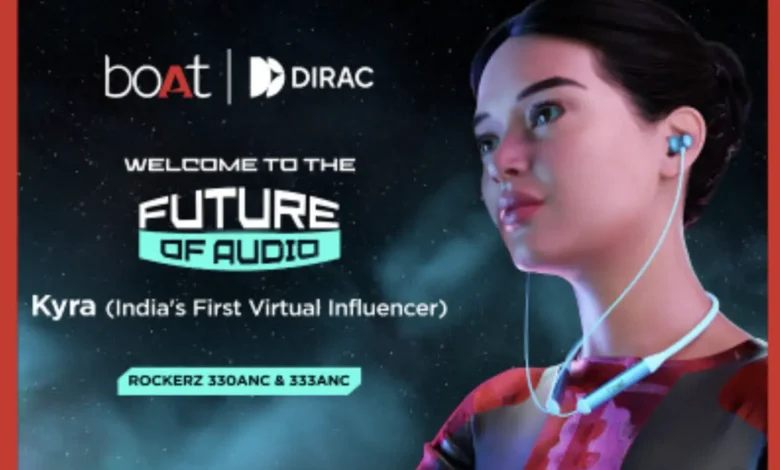
As social media users scroll through their curated feeds on platforms like Instagram and TikTok, they are increasingly encountering influencers who appear to be living the quintessential aspirational lifestyle. These individuals display high-fashion outfits, travel to exotic locales, and promote the latest beauty trends. However, a growing number of these figures do not exist in the physical world. They are AI-generated or virtual influencers—digitally rendered personas whose appearance, voice, and content are synthesized through advanced artificial intelligence and computer-generated imagery. This technological shift is forcing brands, marketing agencies, and consumers to navigate a complex landscape of authenticity, legal compliance, and economic strategy.
The emergence of virtual influencers represents a significant pivot in digital marketing. While the concept of a "virtual" character is not entirely new—pioneers like Lil Miquela were introduced as early as 2016 through manual CGI artistry—the integration of generative AI has accelerated the production and deployment of these digital avatars. Today, figures like Aitana Lopez, a Spanish AI model, command hundreds of thousands of followers and generate substantial monthly revenue for their parent companies. This evolution from static, artist-driven models to dynamic, AI-powered creators allows brands to exert absolute control over their messaging, aesthetic, and schedule.

The Economic and Strategic Rationale
Brands are increasingly drawn to AI influencers due to three primary operational advantages: total creative control, cost efficiency in long-term production, and the ability to scale content indefinitely. Unlike human influencers, who require time for rest, travel, and personal commitments, an AI persona is available 24/7.
Ruben Cruz, founder of The Clueless, the agency behind Aitana Lopez, has publicly cited the need to reduce dependency on human creators whose personal brand dynamics might conflict with a company’s vision. By utilizing a synthetic model, a brand eliminates the risk of "human error," such as controversial off-script remarks or scheduling conflicts. Financially, while the initial setup costs for a high-quality AI persona can range from $15,000 to over $100,000, proponents argue that the marginal cost of producing subsequent content drops significantly compared to the ongoing talent fees, travel costs, and production logistics associated with human influencers.
However, a critical analysis suggests that these savings are often offset by hidden costs. Companies must account for the heavy investment in oversight, legal reviews for disclosure compliance, and the constant need for technical rework to fix anatomical glitches or inconsistencies in the AI’s output.

Consumer Skepticism and the Trust Gap
Despite the technological efficiency, the reception among the general public remains lukewarm. Empirical data suggests a significant trust gap. A recent study published via ResearchGate indicated that nearly half of consumers (45.3%) would view an advertisement featuring an AI influencer without taking any action, while 28.3% would ignore it entirely. Only a minority, roughly 26.4%, reported an intention to engage with such content.
This skepticism is rooted in the perceived lack of authenticity. Influencer marketing historically relies on the parasocial bond formed between a creator and their audience—a connection built on shared human experiences and genuine product usage. When a brand uses a synthetic persona to endorse a product, that fundamental premise is disrupted. A survey conducted by Clutch revealed that 71% of consumers would question the validity of a recommendation if they discovered a human influencer was using AI to generate their content, and 53% would be less likely to purchase from a brand known to rely heavily on AI-generated social media personas.
A Chronology of Virtual Integration
The timeline of virtual influencer adoption highlights a shift from novelty to tactical implementation:

- 2016: Lil Miquela debuts on Instagram, marking the entry of artist-driven CGI characters into the influencer space.
- 2018: Dior utilizes the virtual character Noonoouri to recreate a major beauty campaign, signaling luxury brands’ interest in the trend.
- 2020: Lil Miquela signs with Creative Artists Agency (CAA), legitimizing virtual avatars within traditional talent management structures.
- 2022: PacSun partners with Miquela for a back-to-school campaign, emphasizing a strategy of "shared audience territory."
- 2023-2024: Samsung elevates its virtual mascot, Sam, to the role of AI ambassador for the Galaxy Unpacked event series, integrating the character into live-event hosting and regional marketing.
- 2026: Legal frameworks in jurisdictions like New York and the European Union (under Article 50 of the EU AI Act) mandate strict transparency and disclosure for AI-generated human performers in advertising.
Regulatory and Ethical Implications
As the use of synthetic influencers becomes more prevalent, governments are moving to protect consumers from potential deception. The primary concern for regulators is disclosure. If an audience cannot distinguish between a real human and an AI, they may be misled regarding the efficacy or the "experience" of a product.
In the United States, the Federal Trade Commission (FTC) has indicated that its existing guidelines on endorsements apply to virtual personas just as they do to human ones. Furthermore, New York state has implemented specific requirements for the labeling of "synthetic performers" in advertisements. In Europe, the EU’s AI Act serves as a cornerstone for current compliance, requiring clear transparency whenever a user is interacting with an AI system or viewing AI-generated content.
Beyond regulation, the issue of representation remains a point of contention. While AI can create diverse personas, critics argue that "representation without representatives" is a form of tokenism. There is a tangible risk that by generating diverse AI characters, brands may bypass the opportunity to hire and compensate real people from underrepresented communities, effectively commodifying diversity without providing economic benefit to those groups.

Managing the Workflow: Best Practices for Brands
For brands that decide to move forward with AI influencer strategies, success hinges on rigorous governance and transparency. To mitigate the risk of backlash, marketing teams should adopt a "human-in-the-loop" model. This includes:
- Standardized Disclosure: Adopting clear, plain-language labels on all AI-generated or AI-assisted content. This should be treated as a requirement for brand hygiene rather than a hurdle.
- Codified Brand Voice: Creating comprehensive style guides that govern how a persona speaks, the topics they avoid, and the specific visual consistency they must maintain to prevent "uncanny valley" effects.
- Tiered Approval Processes: Not all content requires the same level of scrutiny. Routine social posts can be automated, but any content involving sensitive social issues, medical claims, or financial advice must undergo strict review by both legal and brand-strategy departments.
- Phased Piloting: Rather than launching a global AI campaign, brands should start with limited-scope tests. This allows for the collection of data on engagement and sentiment without exposing the entire brand identity to potential hostility.
The Path Forward
The future of AI influencers will likely be defined by greater interactivity and personalization. Industry trends suggest that brands will soon pair AI avatars with large language models to offer 24/7 customer support and engagement. However, the efficacy of these interactions remains unproven at scale.
The most successful brands will be those that view AI influencers as a supplement to, rather than a replacement for, human creativity. In categories that rely on personal credibility—such as skincare, health, and finance—the "human touch" remains an essential asset that synthetic personas cannot replicate. Conversely, in highly visual or entertainment-led categories, AI influencers offer a unique, scalable, and controllable medium for storytelling.

Ultimately, the adoption of AI influencers is a long-term strategic decision that requires balancing the allure of production efficiency against the potential for long-term brand erosion. As the novelty of these digital creations fades, the brands that thrive will be those that prioritize transparency and maintain the integrity of their human connections.