Inside the PepsiCo Startup Lab: How DRIPS is Redefining the Soda Experience for Gen Z

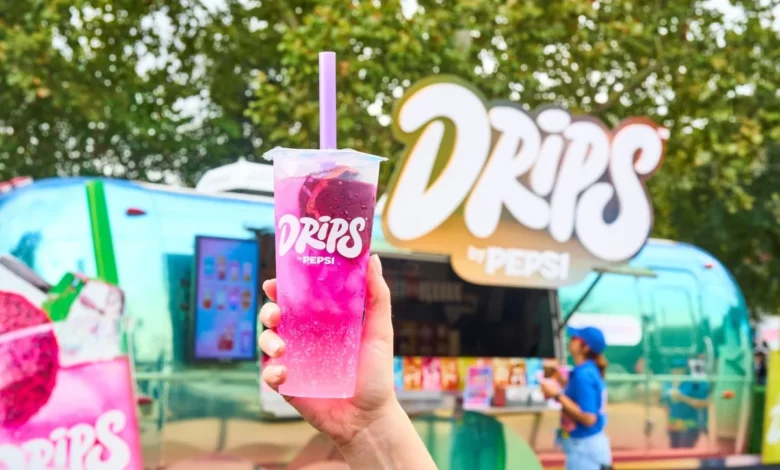
If you find yourself navigating the high-octane atmosphere of the Formula 1 track in Las Vegas this week, you are likely to encounter a striking, mirror-chrome Airstream trailer gleaming under the desert sun. This mobile oasis is more than just a refreshment stand; it serves as a high-tech laboratory for PepsiCo, offering a menu of "dirty sodas"—a category of drinks featuring classic sodas infused with flavored syrups, decadent cold foams, and texture-rich additions like popping boba. Known as DRIPS by Pepsi, this initiative represents a strategic shift for the $100 billion beverage giant, functioning as an agile "intrapreneurial" unit tasked with capturing the elusive Gen Z market through rapid experimentation and cultural relevance.
The Rise of the Dirty Soda Phenomenon
The concept of "dirty soda" originated in Utah, popularized by drive-thru chains like Swig, which turned the act of adding cream and flavor syrups to fountain sodas into a social media-driven phenomenon. Recognizing that younger consumers were seeking high levels of personalization and "flair," PepsiCo sought to modernize its approach to the soda fountain. By blending the nostalgia of classic brands like Mug root beer and Pepsi with contemporary trends—such as artisanal cold foams and functional ingredients—the company is attempting to bridge the gap between traditional soft drinks and the fast-growing craft beverage sector.
Scott Finlow, Chief Marketing Officer of PepsiCo Away From Home, emphasizes that the DRIPS team operates with the autonomy and speed of a tech startup rather than a legacy corporation. This internal structure allows the brand to move from a flavor concept to a physical cup in a matter of weeks, a timeline that would typically take a massive corporation months or even years to navigate.
Chronology of an Intrapreneurial Pivot
PepsiCo’s journey toward DRIPS is rooted in its long-standing history of targeting younger demographics. In 1963, the company famously declared its consumers the "Pepsi Generation," a marketing mantle it has carried through decades of advertising. However, the current strategy is less about broad-spectrum television spots and more about experiential, location-based marketing.
- The Conceptualization Phase: Following the viral success of dirty sodas on TikTok and Instagram, PepsiCo began internal research into how its fountain assets could be transformed into "craft" beverages.
- The Pilot Phase: The team deployed the converted Airstream to major cultural events, including the Austin City Limits music festival and the U.S. Grand Prix. These pop-ups served as the primary testing ground for flavor profiles, pricing strategies, and operational throughput.
- The Integration Phase: Recognizing that a pop-up trailer is not a sustainable model for national scale, PepsiCo began integrating DRIPS concepts into existing restaurant partners, such as KFC’s "Saucy" chicken-tender chain and Vail Resorts.
- The Productization Phase: In November 2024, the company launched "DRIPS by Pepsi Signature Mixes," a line of standalone syrups designed for operators, allowing restaurants to replicate the DRIPS experience without needing to invent complex recipes from scratch.
Data-Driven Flavor Development
The success of DRIPS is measured in both social engagement and cold, hard sales data. During the recent U.S. Grand Prix in Austin, the DRIPS trailer proved its operational viability, generating nearly $10,000 in daily sales. At peak performance, the team served up to 130 drinks per hour. The "Pole Position"—a bespoke blend of Pepsi, peach, lime, and lychee jelly—was developed specifically for the event and became an instant top-seller, despite not having existed in the brand’s portfolio only thirty days prior.
This rapid development cycle is powered by the company’s culinary team, who act as the "magicians" of the operation. By monitoring trend data—such as the unexpected surge in popularity of banana-based flavors—they can pivot their menu to align with current consumer cravings. This flexibility is critical in the current market, where energy-based drinks like Celsius and Poppi have successfully carved out space by offering functional benefits alongside flavor. Consequently, PepsiCo is increasingly utilizing energy drinks as a base for these "crafted" beverages, acknowledging that Gen Z’s preference for cold, caffeinated, and customizable drinks is driving long-term shifts in industry consumption.
The Operational Challenge of Scaling Innovation
While the marketing and product development aspects of DRIPS are characterized by high-speed creativity, the operational implementation presents a more grounded challenge. Finlow notes that the "single biggest ongoing challenge" is ensuring that these complex, multi-layered drinks can be produced efficiently in high-volume, busy restaurant kitchens.
Unlike a simple pour-and-serve soda, DRIPS recipes require specific manual steps, such as layering foam or adding precise amounts of boba. To address this, PepsiCo provides operators with comprehensive recipe kits, specialized ingredients, and point-of-sale system integrations. By simplifying the workflow for the staff, PepsiCo hopes to ensure that the quality of the drink remains consistent across diverse locations, from theme parks to quick-service restaurant chains.
Future Implications: From Lab to Market
PepsiCo’s current strategy involves a multi-pronged approach to scaling the DRIPS brand. The company is actively exploring the creation of standalone "lab stores" in urban hubs like Austin and New York City. These locations will function as testing environments where the brand can analyze consumer behavior, price sensitivity, and the ergonomics of drink preparation in real-time.
Furthermore, the introduction of the Signature Mixes indicates a shift toward a B2B model. By providing restaurants with no-added-sugar syrups and Lipton Green Tea concentrates, PepsiCo is enabling operators to launch their own "dirty soda" programs without requiring significant capital investment in new equipment. This strategy effectively turns the entire PepsiCo distribution network into a potential laboratory for the DRIPS concept.
Industry Analysis and Broader Impact
The implications of the DRIPS initiative extend beyond the immediate popularity of flavored soda. It signifies a broader trend among multinational food and beverage corporations: the "startup-ization" of legacy brands. By isolating internal teams and granting them the freedom to fail and iterate, corporations like PepsiCo are attempting to defend their market share against agile, digitally native competitors.
Furthermore, the focus on "vibe states"—categorizing drinks by their intended mood, such as "indulgent" or "refreshing"—reflects a shift in consumer psychology. The modern beverage consumer is no longer just buying a brand; they are buying an experience that complements a specific moment in their day. The success of the F1 pop-up demonstrates that when a legacy brand can align its product with a high-energy cultural moment, it can successfully capture the attention of the demographic that was previously slipping through its fingers.
As the brand prepares to expand, the "healthy tension" between the need for rapid growth and the requirement for operational stability remains the defining characteristic of the DRIPS project. Whether the model proves scalable on a national level remains to be seen, but the early data from the Las Vegas track and the Austin Grand Prix suggests that the "dirty soda" trend is far from a passing fad. For now, the gleaming Airstream remains a testament to the fact that even the largest companies can find success by returning to the basics of product development: listening to the customer, analyzing the data, and being willing to move as fast as the consumer culture itself.