The Transformation of Digital Discovery and the Rise of AI Answer Engines


The digital landscape is undergoing a fundamental structural shift as the traditional "blue link" search model—long the bedrock of the internet economy—gives way to the era of AI-driven synthesis. For over two decades, search engine optimization (SEO) focused on securing a top position on a search engine results page (SERP). Today, that paradigm is being eclipsed by generative AI tools, including ChatGPT, Perplexity, and Google’s own AI Overviews, which provide direct, consolidated answers rather than a list of websites to navigate. This transition represents a significant challenge for marketers and businesses, as the primary objective shifts from driving traffic to ensuring brand visibility within AI-generated responses.

The Evolution of the Search Ecosystem
The history of online search has been defined by the pursuit of indexability and ranking. In the early 2000s, search engines functioned as directories; by the 2010s, they had evolved into sophisticated intent-matching machines. However, the introduction of Large Language Models (LLMs) has fundamentally changed user behavior. Instead of conducting a multi-step research process—clicking on several websites, evaluating their authority, and synthesizing information—users now expect the interface to perform that synthesis on their behalf.
This shift reached a critical inflection point between 2023 and 2025. Following the mass adoption of generative AI, industry data began to reflect a dramatic "zero-click" trend. According to research from Bain & Company, approximately 60% of searches now terminate without a user ever navigating to an external website. This "zero-click" environment means that if a brand is not cited or mentioned directly within an AI-generated summary, it is effectively invisible to a substantial portion of the digital audience.

Data-Driven Shifts in Buyer Behavior
The impact of this shift is particularly pronounced in the B2B sector. A comprehensive study by Forrester indicates that 94% of B2B buyers have integrated AI into their purchasing processes. The implications for the sales cycle are profound: 55% of buyers use these tools to conduct head-to-head vendor comparisons, while 54% utilize them for product research. Critically, nearly half of these buyers are finalizing their shortlists and building internal business cases before they ever engage with a human sales representative.
Consumer shopping trends mirror this trajectory. Adobe Digital Insights reported that 56% of US consumers utilized generative AI during the 2025 holiday shopping season, a 45% year-over-year increase. These users are not merely using AI for casual queries; they are using it to evaluate products, compare prices, and read summaries of user sentiment. When an AI answer engine becomes the primary source of truth, the brand’s digital footprint is no longer just its website—it is the content that LLMs have ingested and chosen to surface.
Categorizing the New Search Stack
To navigate this environment, marketing professionals must distinguish between the three distinct categories of AI search technology, as each serves a different role in the buyer’s journey.
1. Answer Engines (External Discovery)
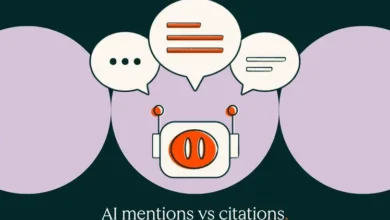
Platforms such as ChatGPT, Perplexity, and Gemini represent the external search layer. These tools ingest vast amounts of data to provide real-time, synthesized answers. Unlike traditional search, which relies on a proprietary ranking algorithm, these tools rely on the quality, credibility, and topical authority of the data they consume. Perplexity, for instance, has prioritized inline citations, positioning itself as a tool for research where accuracy and traceability are paramount.

2. AI Site Search (Internal Engagement)
When a user is already within a brand’s digital ecosystem, their expectation for a high-quality search experience remains just as high. AI site search tools—such as Algolia and Coveo—are designed to manage internal knowledge bases, product catalogs, and documentation. By utilizing semantic search rather than keyword matching, these tools ensure that visitors can find specific information without leaving the site, effectively mitigating the risk that they will abandon the site to ask an external AI engine for help.
3. Answer Engine Optimization (AEO) Tools
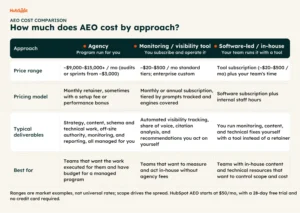
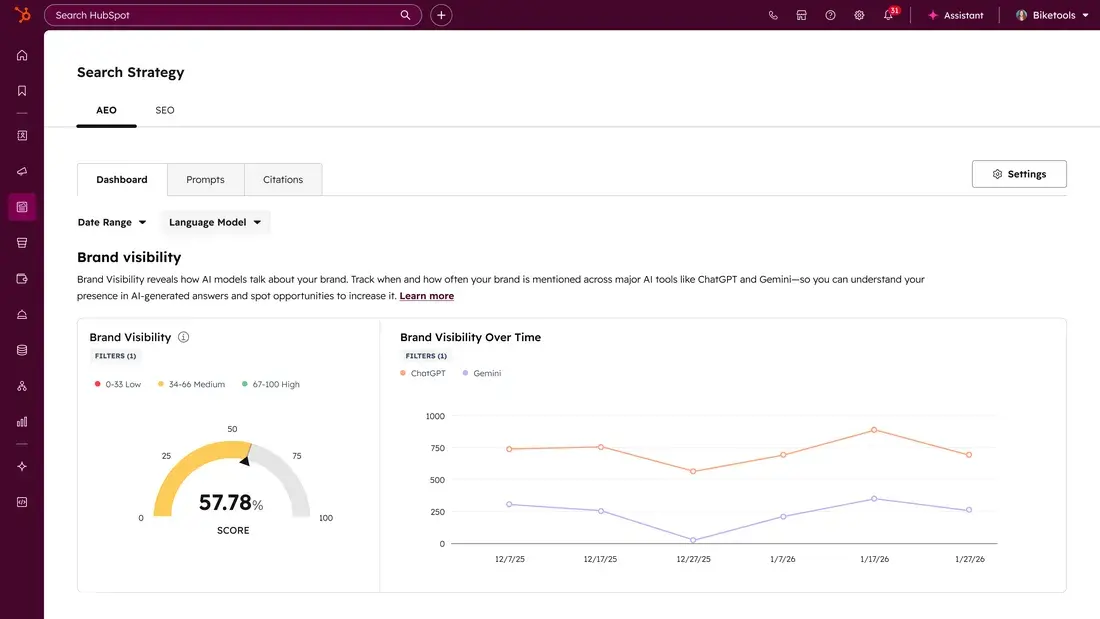
The most recent development in the marketing stack is the rise of AEO tools. These platforms are designed to monitor and optimize a brand’s presence within AI-generated answers. Because traditional analytics platforms like Google Search Console do not track AI citations, marketers have been left with a blind spot. AEO tools function by simulating user queries, analyzing the responses provided by various AI engines, and identifying opportunities to improve the likelihood of being cited.
Strategic Implications for Marketing Teams
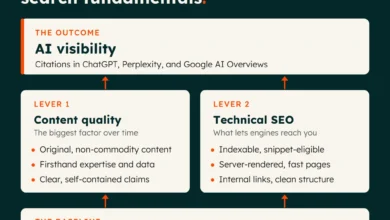
The emergence of AI search does not render traditional marketing strategies obsolete, but it does mandate an upgrade. High-quality content remains the currency of the web, but the distribution mechanism has changed. To succeed in an AI-first world, brands must pivot toward "authority-first" content. This involves producing deep-dive, well-sourced research and data that AI models are more likely to prioritize as credible evidence.
For companies using the HubSpot ecosystem, the introduction of HubSpot AEO represents a direct response to this need. By integrating CRM data with AEO metrics, teams can predict the specific queries their target customers are likely to use, allowing them to optimize their content to align with real-world intent rather than generic industry keywords.
The Challenge of Accuracy and Citation
A significant concern regarding this transition is the reliability of information. As noted by the Columbia Journalism Review, even the most sophisticated AI search tools struggle with citation accuracy. While Perplexity has shown lower error rates compared to its competitors, the risk of "hallucination"—where an AI generates plausible but incorrect information—remains a persistent issue.
For businesses, this creates a double-edged sword. While it is vital to be present in AI answers, brands must also monitor these platforms to ensure that the information being synthesized about them is accurate. A misrepresentation in an AI-generated summary can be as damaging as a negative review, yet it is significantly harder to track and rectify.

Future Outlook and Strategic Recommendations
The transition from a "link-based" internet to an "answer-based" internet is not a temporary trend; it is the next evolution of digital information retrieval. For marketers, the primary task for the remainder of the decade will be the adoption of an "AI-visibility-first" mindset.
When evaluating potential tools to integrate into the marketing stack, leaders should focus on three core criteria:

- Actionability: Does the tool provide specific, data-backed recommendations on how to improve visibility?
- Integration: Can the tool leverage existing CRM or customer data to understand the unique language and intent of the target audience?
- Measurement: Does the tool offer a quantitative way to track citation frequency and competitive positioning within the AI ecosystem?
The initial step for many organizations is to move beyond generic SEO diagnostics. Utilizing tools such as a free AI search grader provides a snapshot of current brand visibility, serving as a baseline for ongoing optimization efforts. As search continues to evolve, the brands that thrive will be those that view AI answer engines not as a threat to their digital presence, but as a new, highly specialized channel that requires a unique strategy of content authority, technical optimization, and rigorous measurement. The era of the blue link is fading; the era of the direct, cited answer has arrived.