The Comprehensive Guide to SEO Tools for Small Business: Navigating Growth and the AI-Driven Search Landscape

The modern digital marketplace presents a unique paradox for small and medium-sized businesses (SMBs) regarding search engine optimization. While the accessibility of powerful search data has never been higher, the complexity of the search landscape—compounded by the rise of artificial intelligence and answer engines—requires a sophisticated tech stack that often exceeds the financial and human resources of smaller enterprises. According to the HubSpot State of Marketing report, 50% of small businesses identify their website, blog, and SEO as their most leveraged marketing channels. This data underscores a critical reality: for SMBs, organic search is not merely a marketing tactic but the primary engine of sustainable growth.

The Strategic Framework for SEO Tool Selection
Building a high-performance SEO tech stack requires a departure from the "all-in-one" impulse that often leads to underutilized subscriptions and bloated budgets. Instead, industry analysts suggest a goal-oriented framework. The selection process must be governed by specific business objectives, such as launching a new digital presence, recovering from a ranking volatility event, or competing in a localized geographic market.
Industry data suggests that organic search drives approximately 53% of all website traffic across industries, significantly outperforming paid search and social media. For a small business, the "tech stack" is essentially the infrastructure that captures this demand. Decision-makers must evaluate tools based on three primary criteria: growth goals, category alignment, and integration capabilities. A business focused on local foot traffic will require a fundamentally different set of tools than an e-commerce startup aiming for national reach. Furthermore, the "ease of use" factor is paramount; a tool that provides enterprise-level data but requires a dedicated data scientist is functionally useless for a lean marketing team.
The Evolution of Search: A Chronology of Tooling Requirements
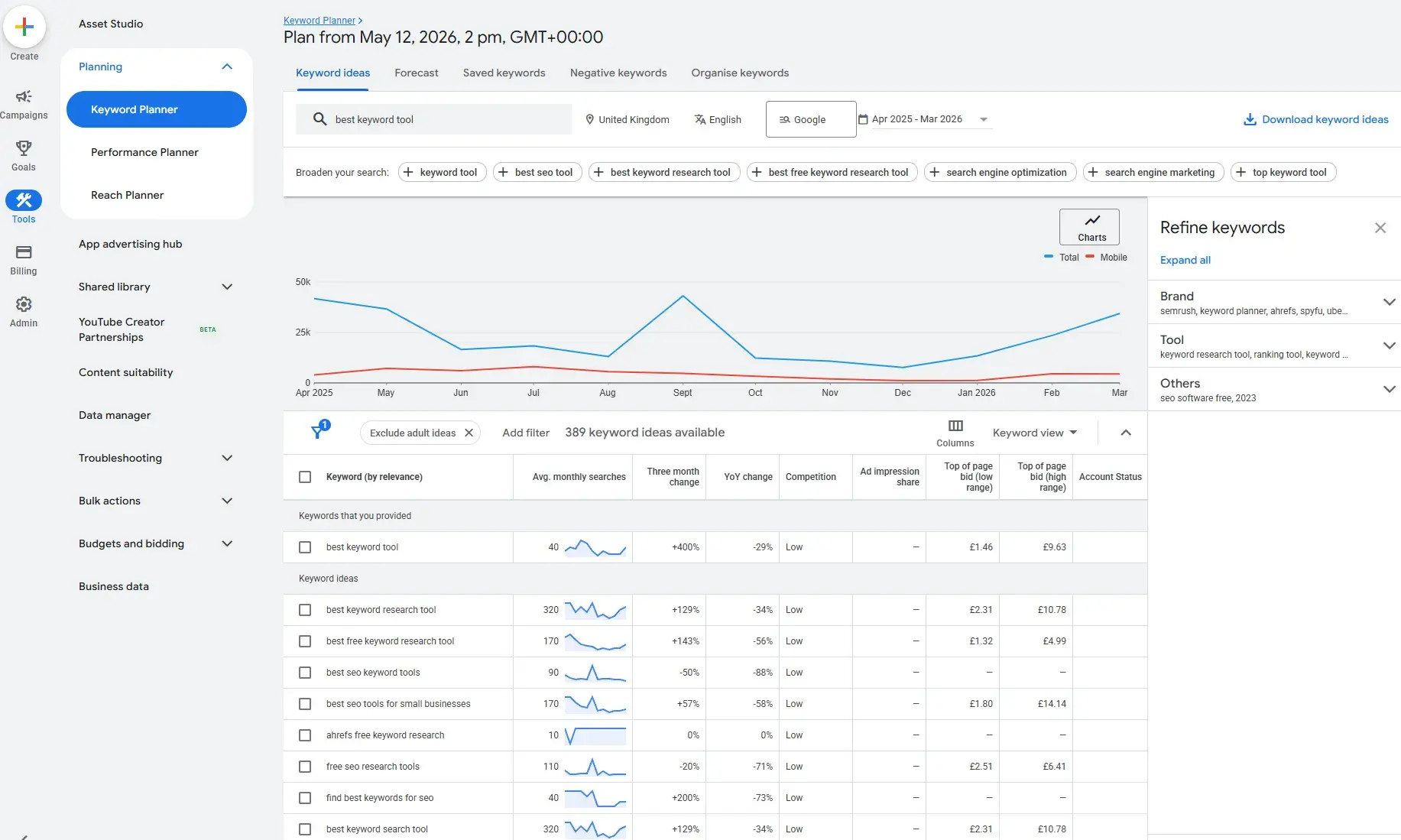
To understand the current SEO tool market, one must look at the technological shifts over the past decade. In the early 2010s, SEO was largely a game of keyword frequency and backlink volume. Tools like the Google Keyword Planner and early iterations of Ahrefs dominated the market by providing raw volume data.
By 2015, Google’s RankBrain update signaled a shift toward semantic search and user intent. This era saw the rise of content optimization tools like Surfer SEO and the integration of technical auditing into mainstream platforms. The most recent shift occurred with the 2023-2024 proliferation of Generative AI in search results. This has birthed a new category of tooling: Answer Engine Optimization (AEO). Modern businesses are no longer just optimizing for a "blue link" on a result page; they are optimizing for a mention within a ChatGPT response or a Google AI Overview. This chronological progression explains why a modern SMB stack must now include analytics that bridge the gap between traditional rankings and AI-driven visibility.
Foundational Categories: Building the Tech Stack
The SEO landscape is traditionally divided into three pillars: on-page, technical, and off-page (backlinking). However, for small businesses, these pillars are supported by specialized categories of software.
Keyword Research and Intent Discovery
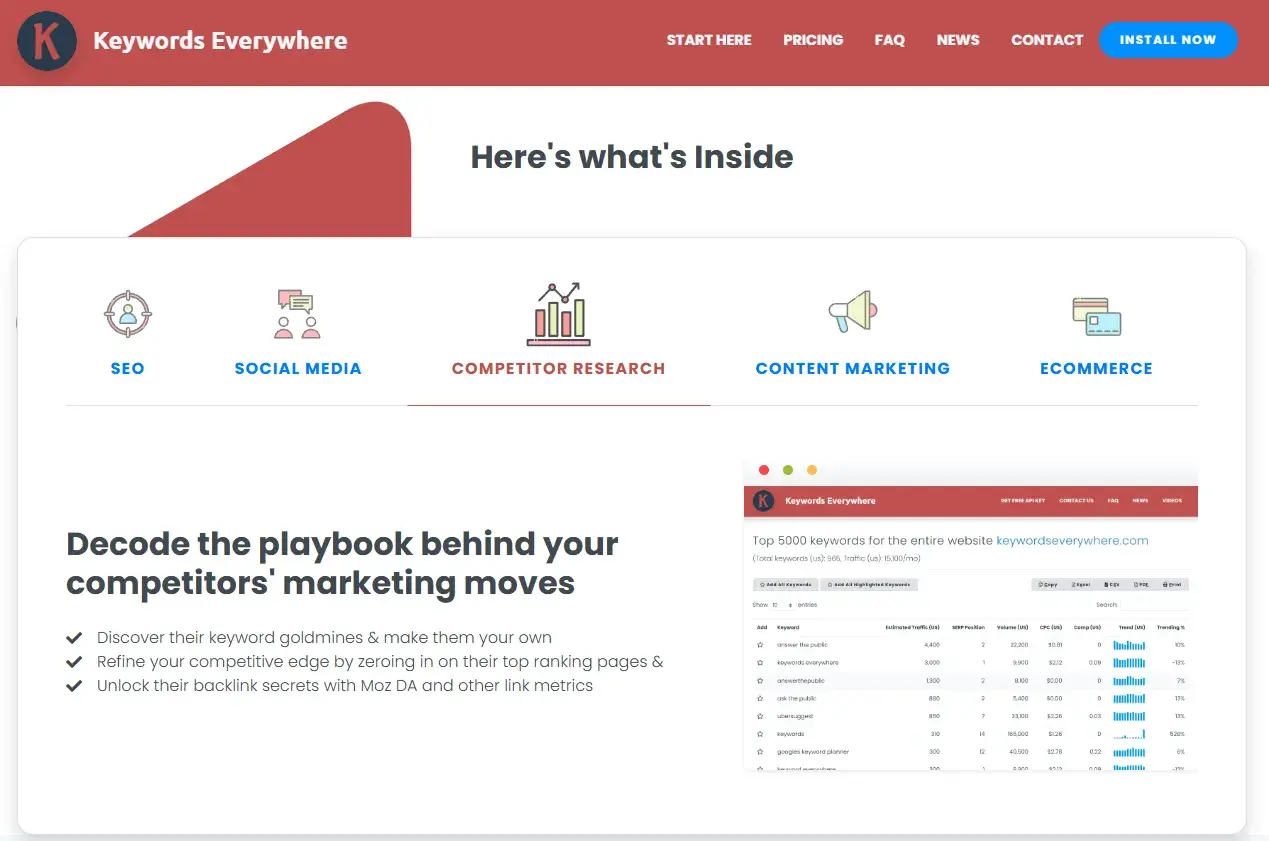
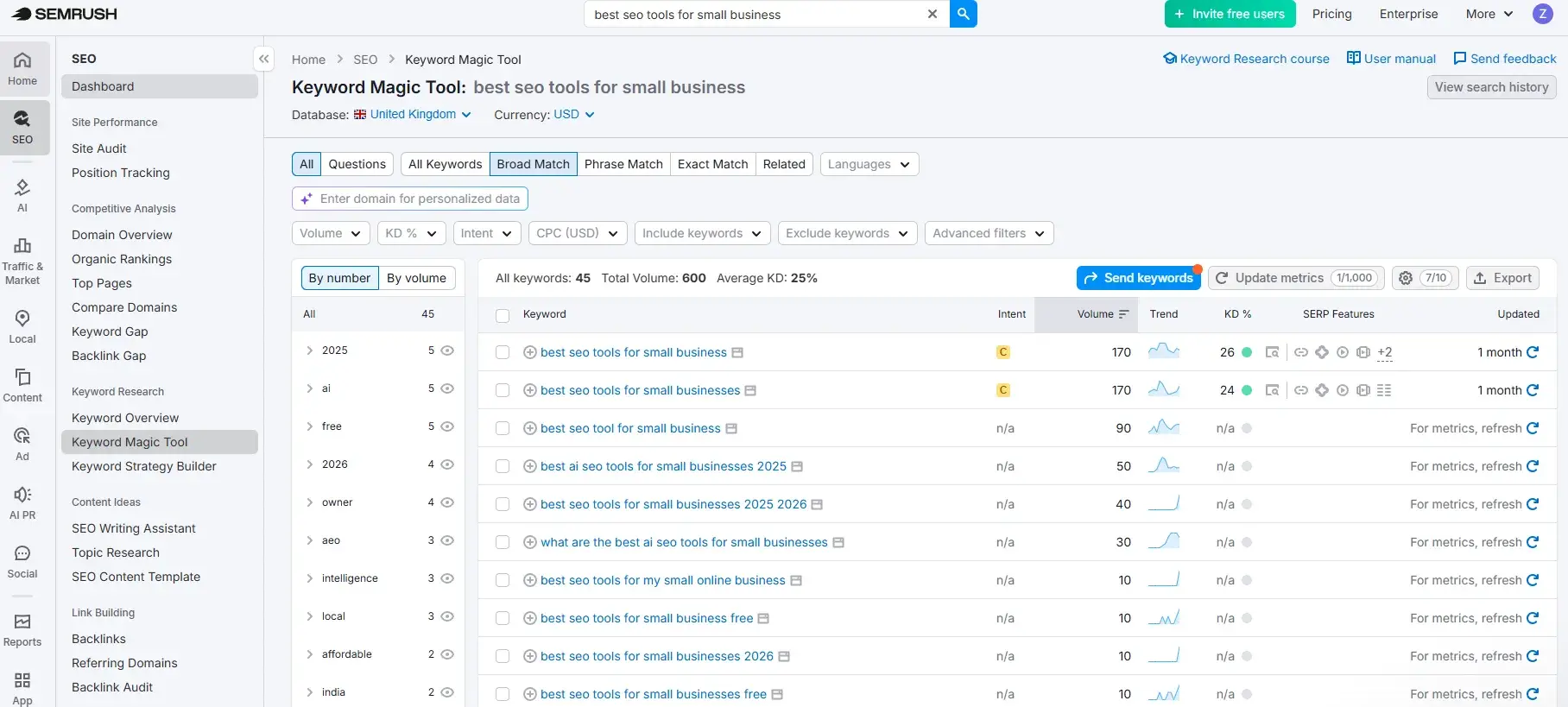
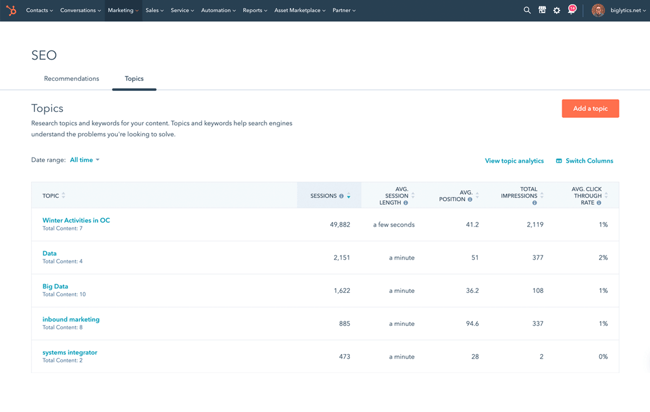
Keyword research remains the foundational layer of search strategy. While Google Keyword Planner provides a free entry point, it is designed for advertisers and often obscures the "long-tail" opportunities that SMBs need to compete with larger brands. Tools like Keywords Everywhere have filled this gap by providing lightweight, browser-based insights. For businesses ready to scale, platforms like Semrush offer a database of over 25 billion keywords, allowing for "intent filtering"—the ability to distinguish between a user looking for information and a user ready to make a purchase.
Technical SEO and Site Architecture
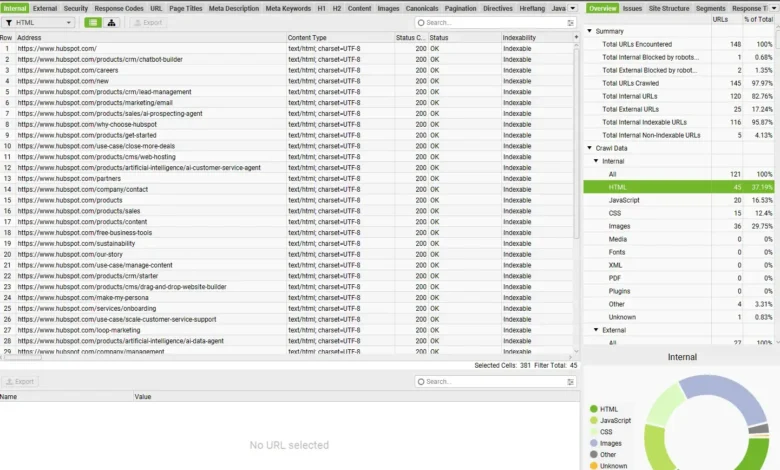
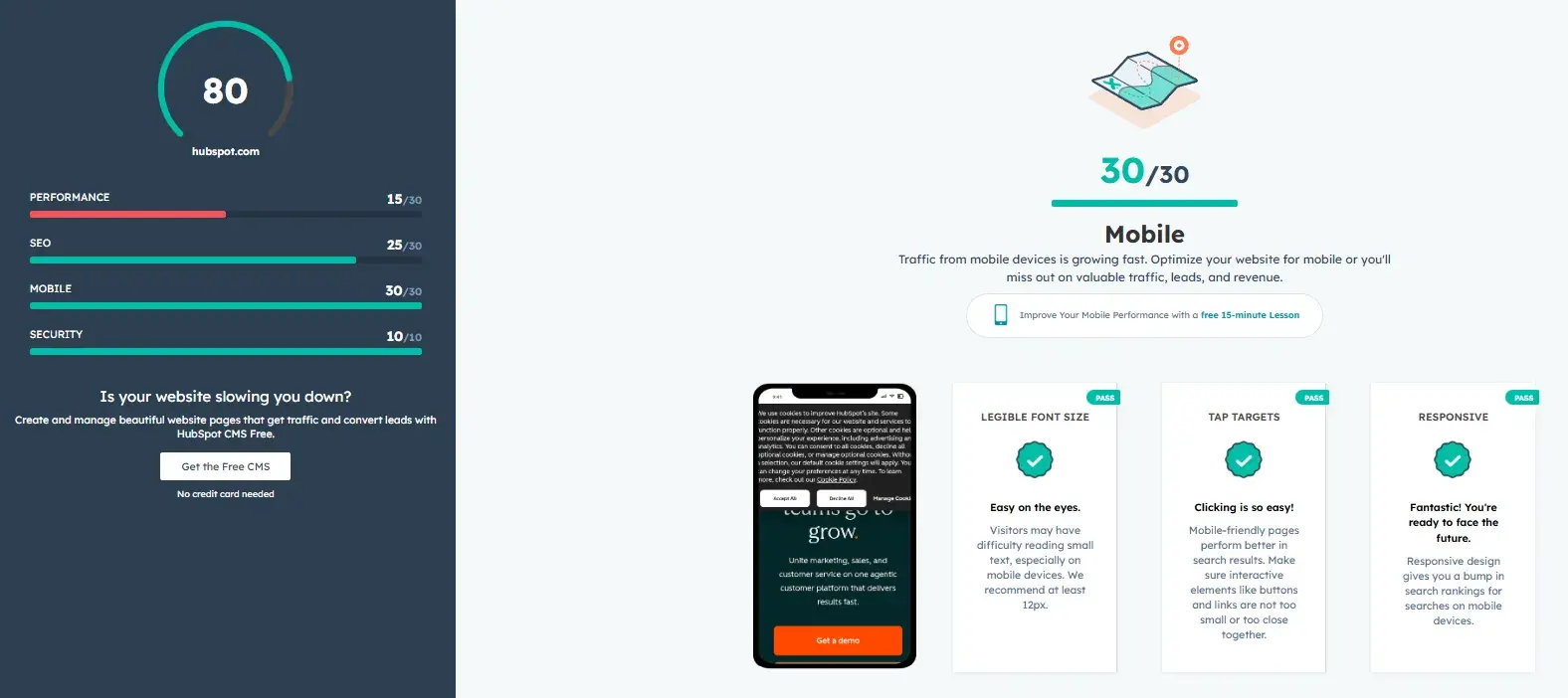
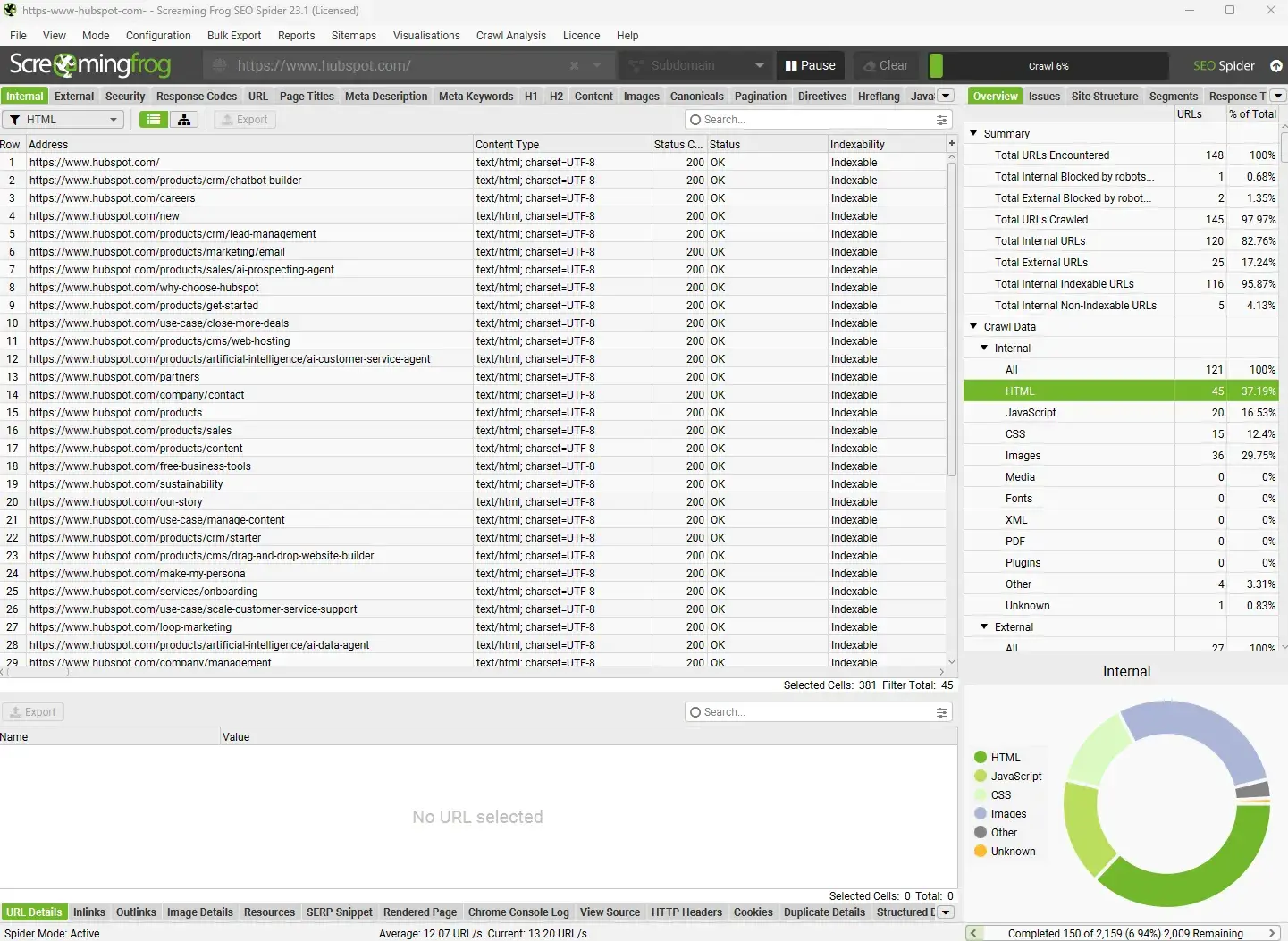
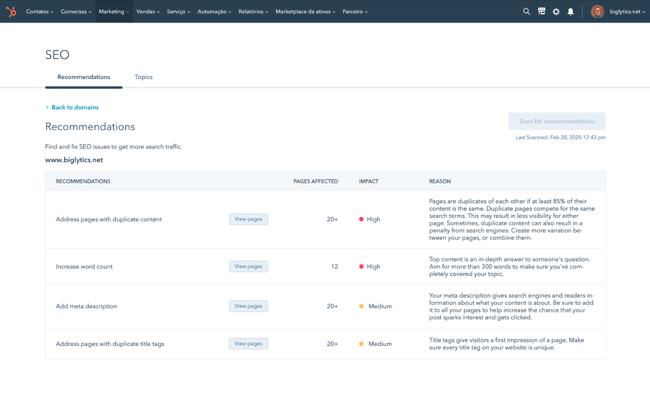
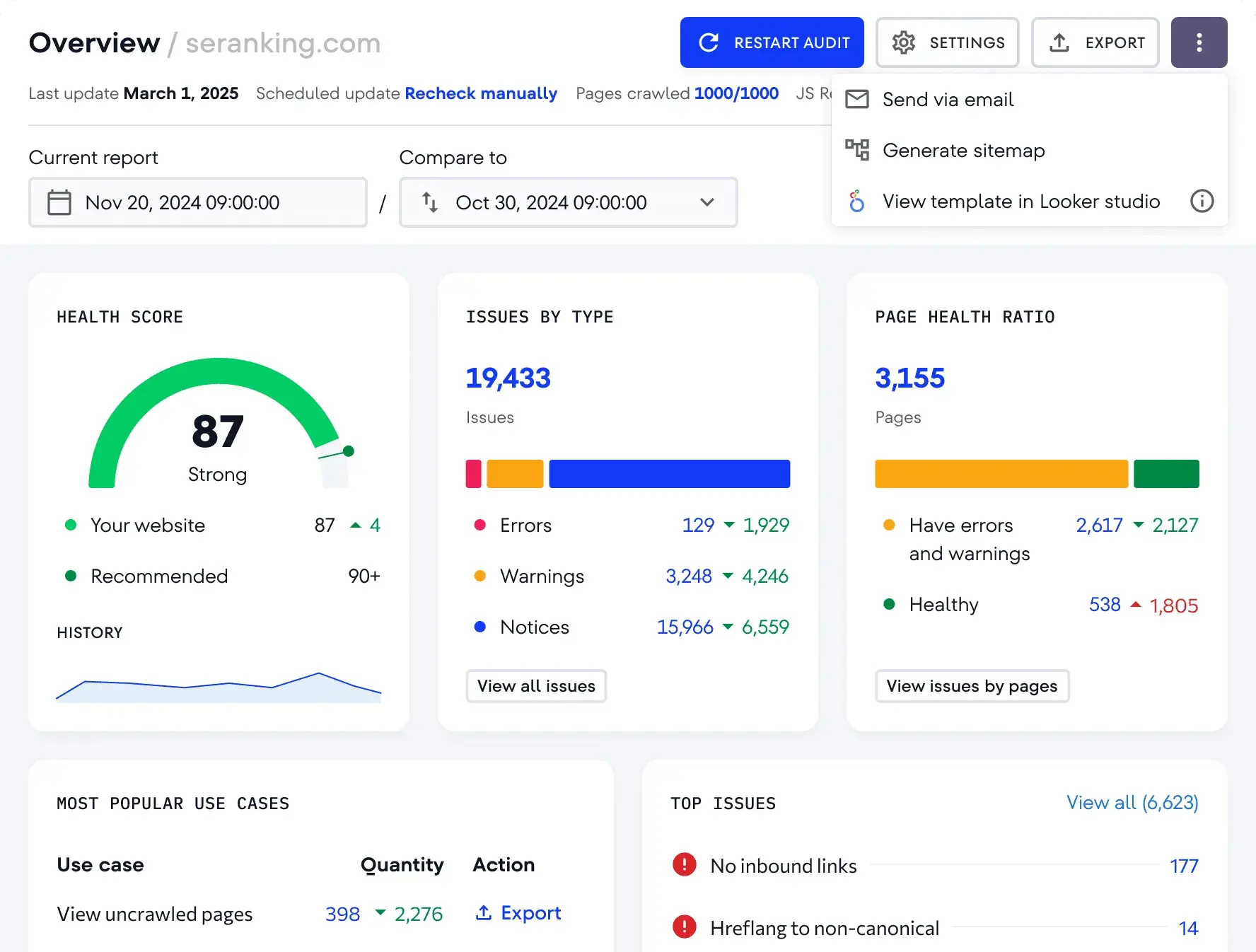
Technical health is the "hygiene" of SEO. Small businesses often suffer from "silent" ranking drops caused by crawl errors, broken redirects, or slow page speeds. The HubSpot Website Grader provides a simplified, jargon-free baseline for these metrics. As sites grow beyond 500 pages, more robust crawlers like Screaming Frog or SE Ranking become necessary. These tools simulate how a search engine bot views a site, identifying structural flaws that would otherwise remain invisible to the human eye.
Content Optimization and On-Page Relevance
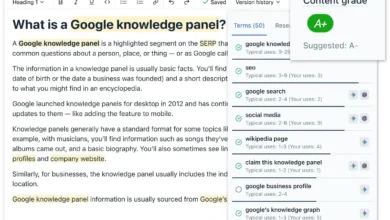
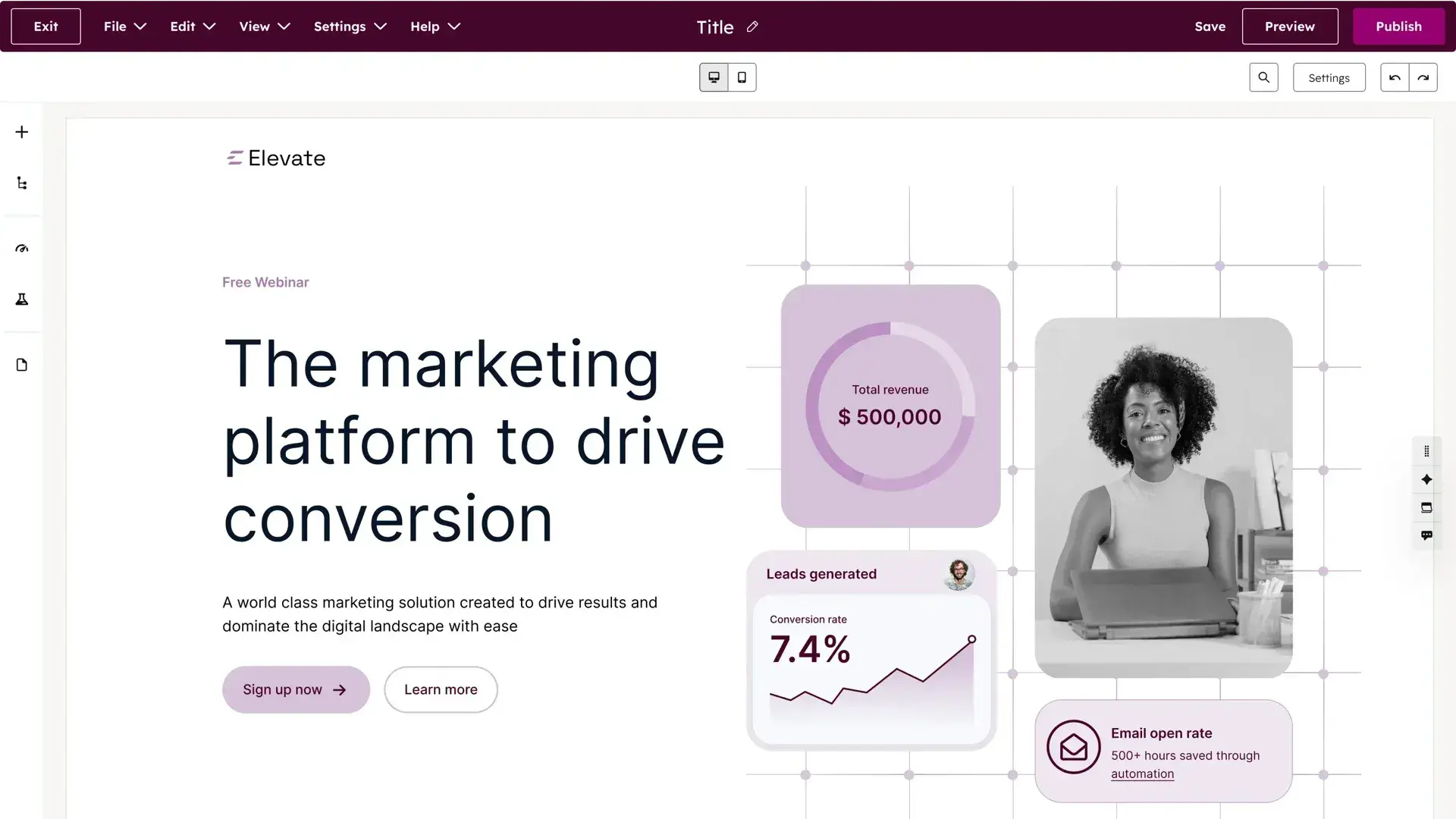
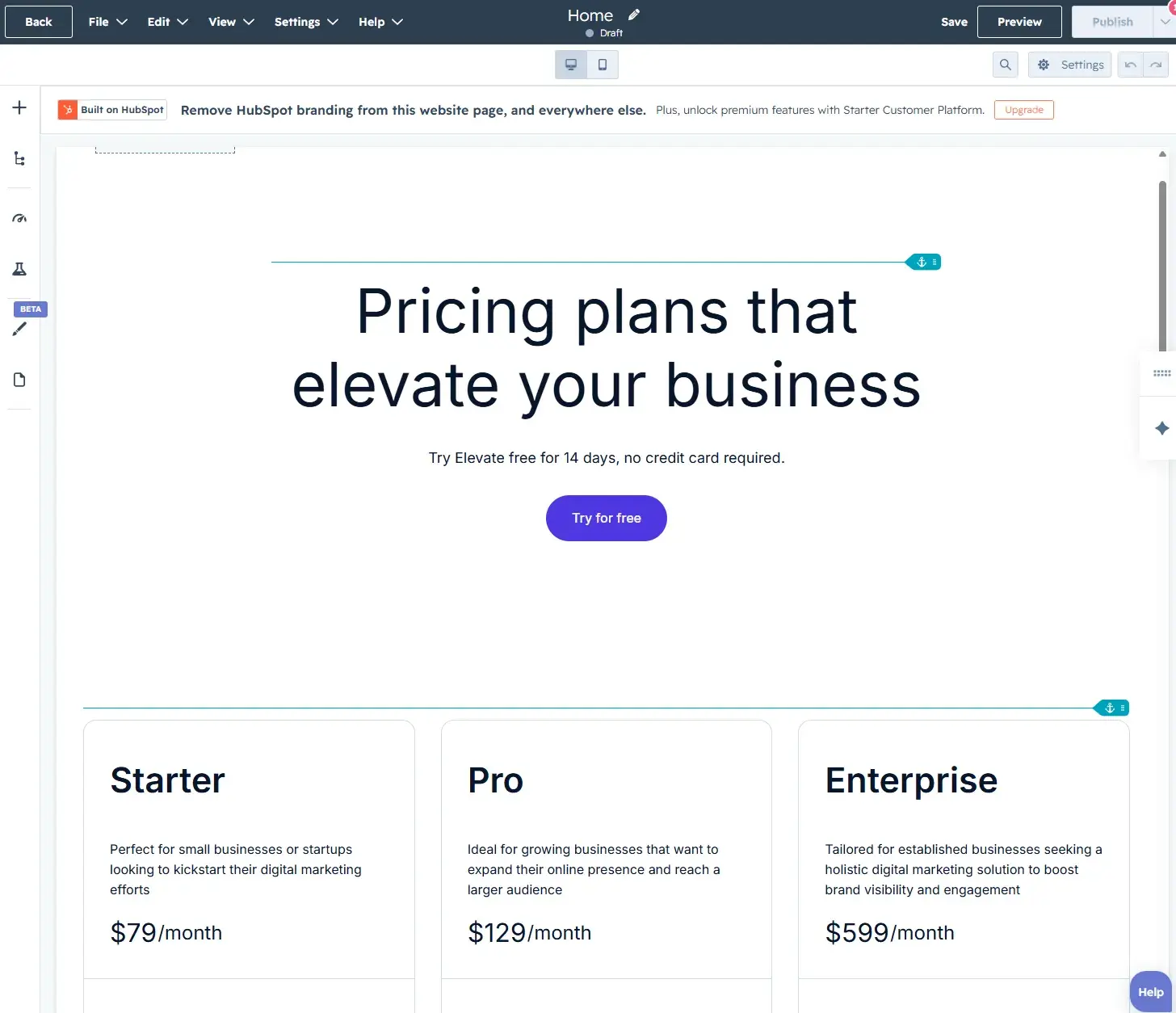
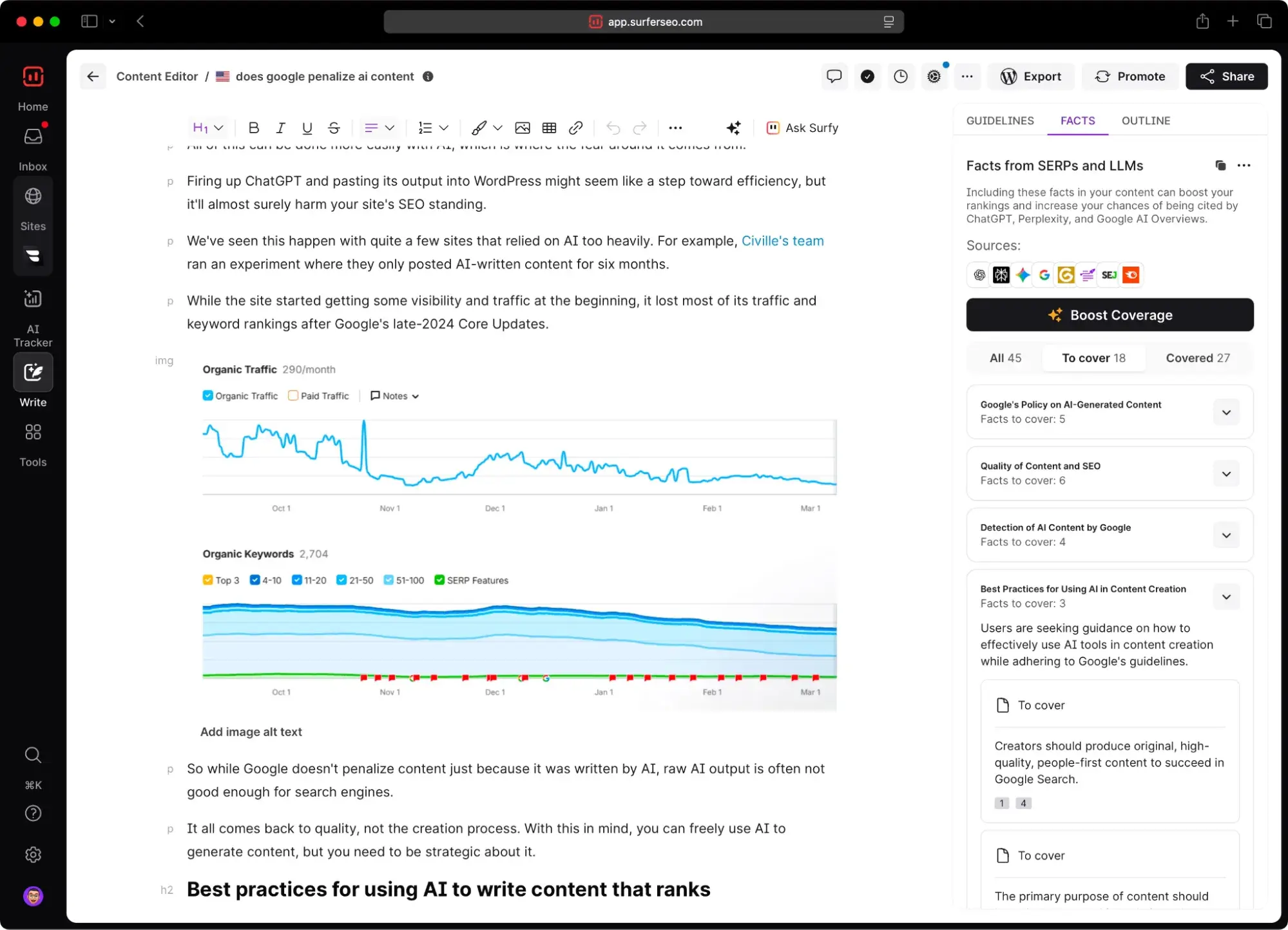
The rise of "Content Hubs" represents a shift toward holistic authority. Rather than optimizing individual pages, modern tools like HubSpot’s Content Hub emphasize topic clusters—groups of related content that signal deep expertise to search engines. On-page tools like Surfer SEO utilize Natural Language Processing (NLP) to analyze top-ranking competitors and provide specific recommendations on word count, heading structure, and keyword density.
The Financial Threshold: When to Transition from Free to Paid
Budgetary constraints are the most significant hurdle for SMB SEO. The market offers a wide array of free tools, but these often come with "data ceilings" or limited historical reporting. Analysts suggest that the transition to paid software should be triggered by specific operational signals:
- Scale of Operations: When a business manages more than 50 pages or multiple geographic locations.
- Expertise Gaps: When the internal team lacks the SEO knowledge to interpret raw data and requires "guided recommendations."
- Attribution Needs: When a business needs to prove the Return on Investment (ROI) by connecting search data to a Customer Relationship Management (CRM) system.
The cost of a professional SEO stack can range from $100 to over $1,000 per month. For many SMBs, the "all-in-one" approach offered by platforms like HubSpot or Semrush provides better value than a fragmented collection of specialized subscriptions.
The AI Frontier: Answer Engine Optimization (AEO)
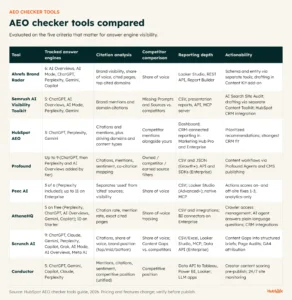
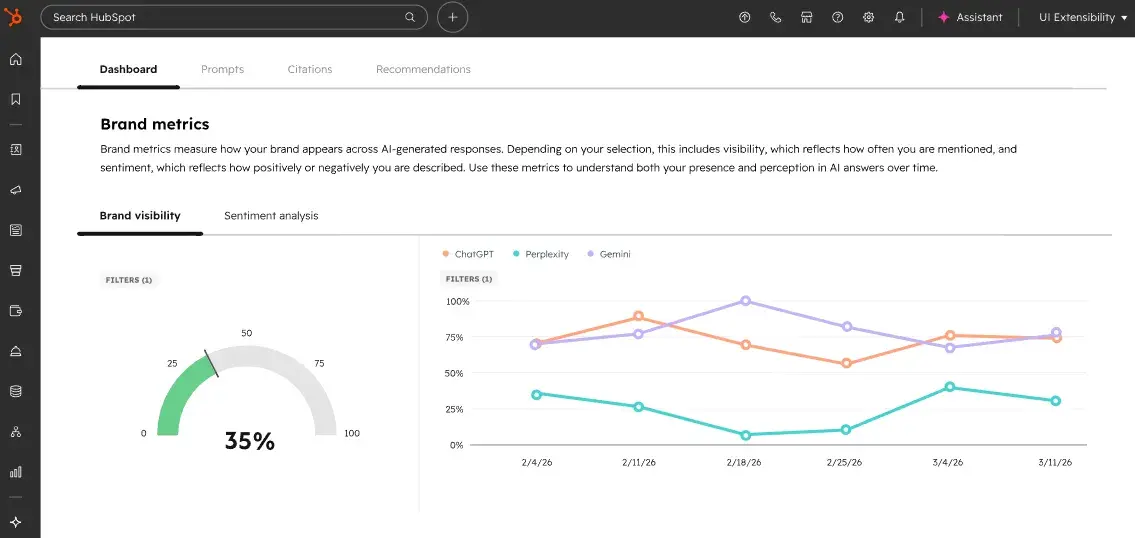
The most significant disruption in the SEO tool space is the emergence of Answer Engine Optimization. As search engines transition into "answer engines," the metrics of success are changing. Traditional rank tracking is being supplemented by "Brand Visibility Scores" in AI-generated responses.
HubSpot’s recent introduction of AEO tools reflects this shift. These tools measure how often a brand is cited by AI models and analyze the "sentiment" of those mentions. For a small business, being cited as a top recommendation by an AI is the modern equivalent of ranking in the "top three" of a traditional search result. This new frontier requires tools that can track "prompts" rather than just "keywords," reflecting the conversational nature of modern search.
Local SEO: The Critical Component for Brick-and-Mortar SMBs
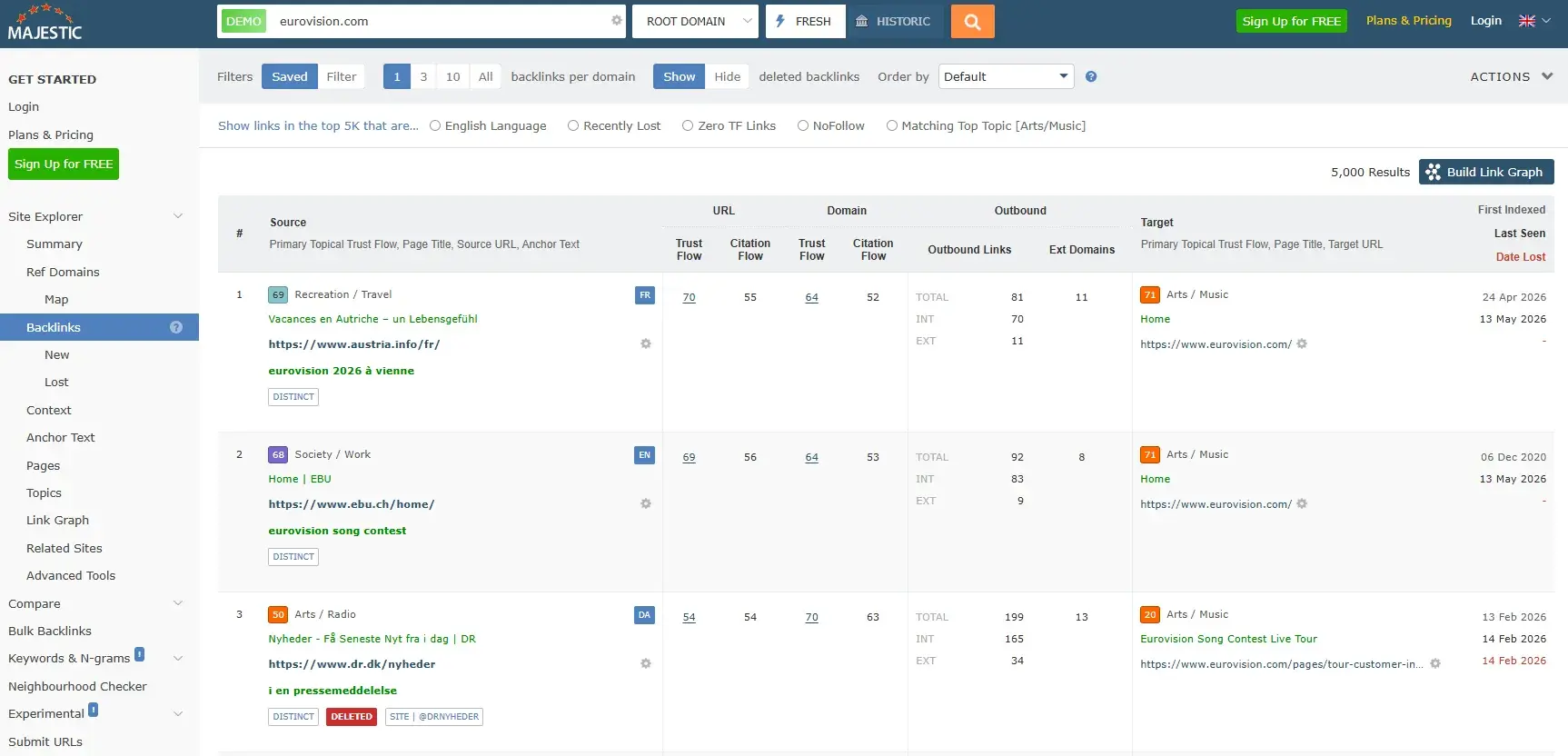
For businesses serving specific geographic areas, local SEO tools are non-negotiable. Google Business Profile (GBP) is the primary free tool for this category, but it lacks the automation needed for competitive markets. Platforms like BrightLocal and Nightwatch allow businesses to monitor "local citations"—mentions of their name, address, and phone number across the web. Inconsistencies in this data are a leading cause of poor local rankings. These tools also automate the process of review monitoring, which is a primary ranking factor in Google’s "Local Pack."
Analytics and the Search-to-Revenue Bridge
The final component of a mature SEO stack is analytics. Google Analytics 4 (GA4) and Looker Studio provide the industry standard for traffic and behavioral data. However, the "missing link" for many small businesses is revenue attribution.
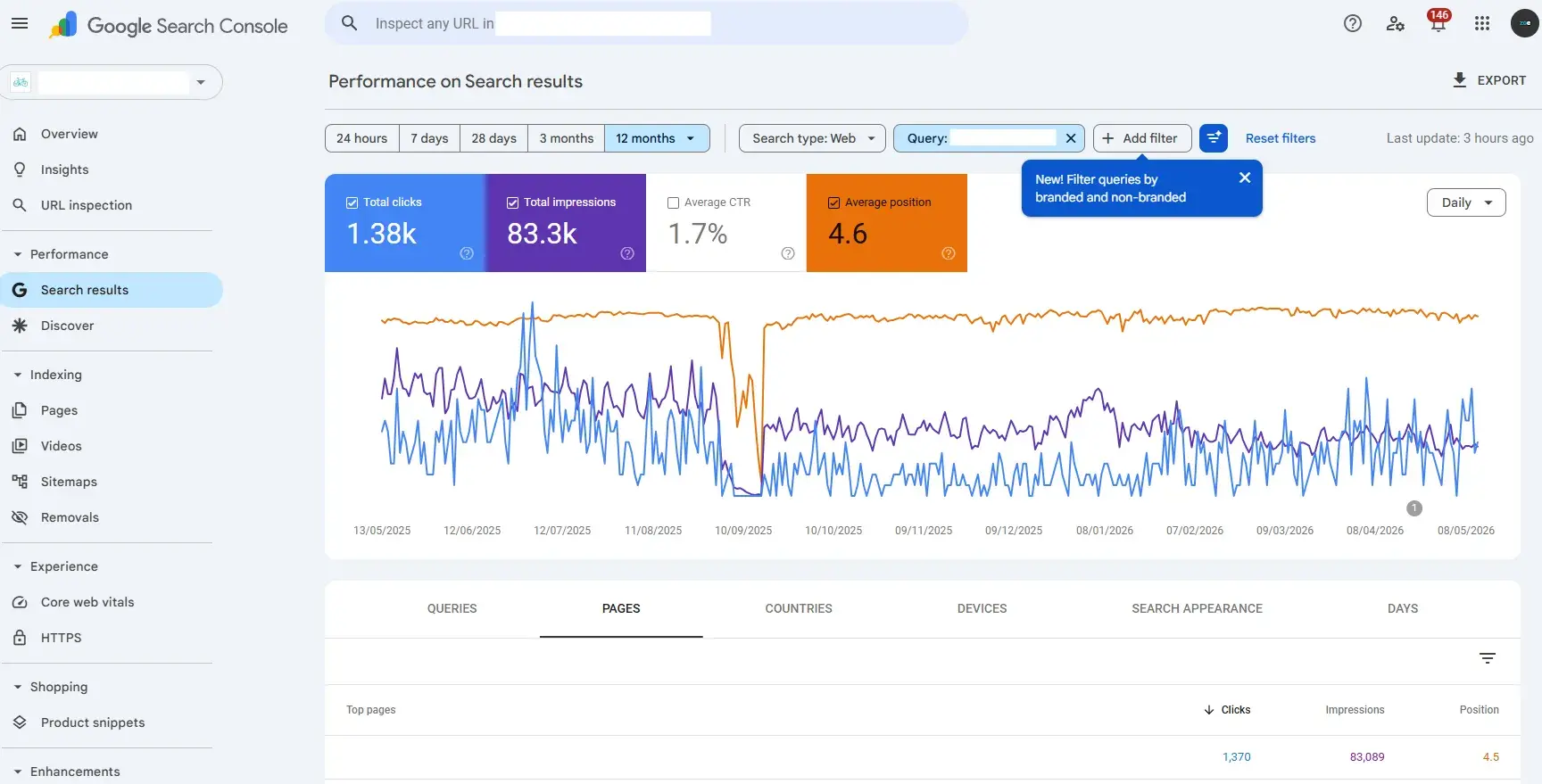
Standard SEO tools show clicks and impressions, but they rarely show which search term resulted in a closed sale. Integration between SEO tools and CRM platforms allows marketers to see the full journey: from the initial search query to the final purchase. This level of insight is what allows an SMB to move from a defensive posture to an aggressive, data-driven growth strategy.
Broader Impact and Future Implications
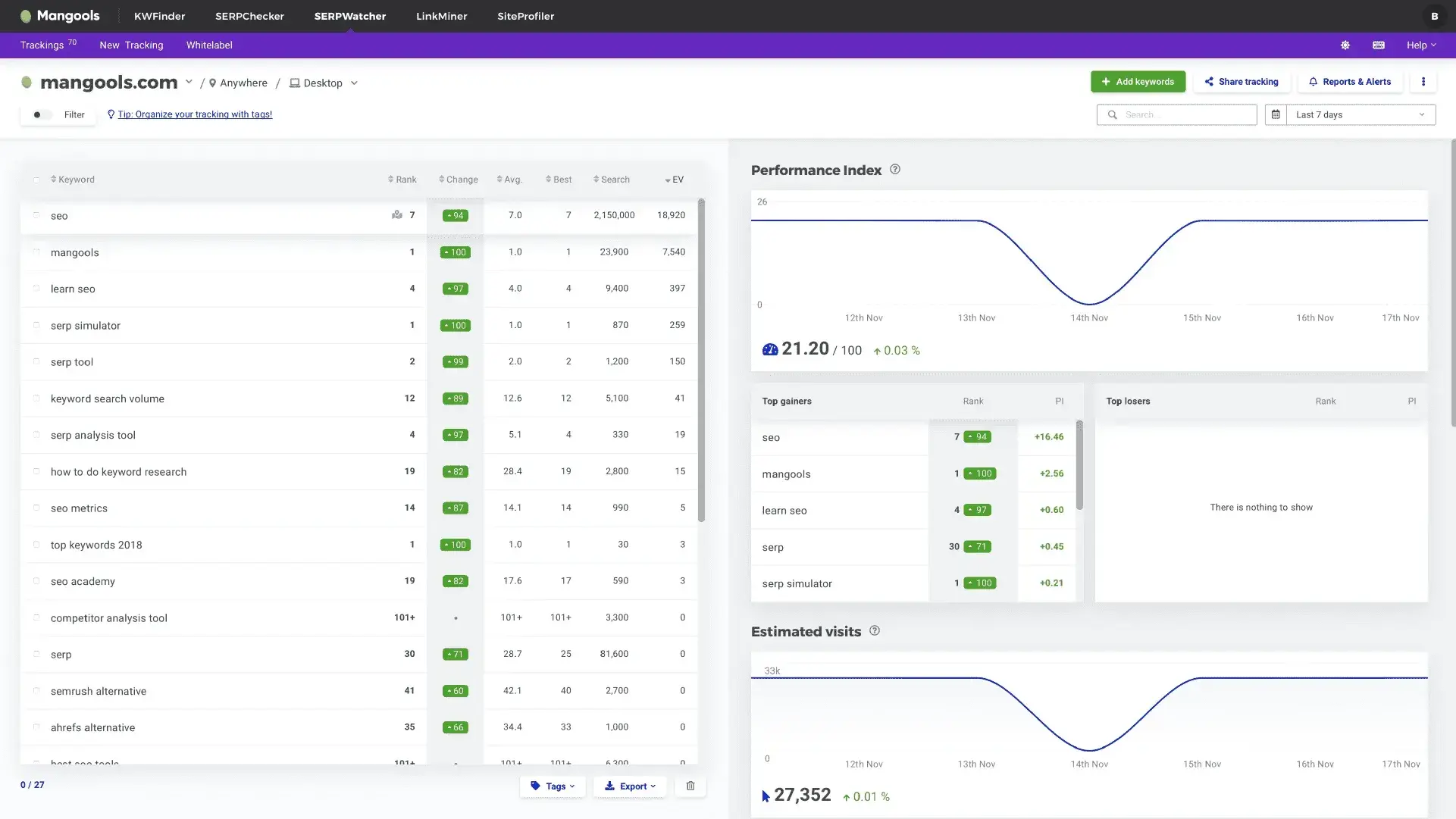
The democratization of high-level SEO data via these tools has leveled the playing field, allowing small businesses to outmaneuver much larger competitors through agility and niche expertise. However, the reliance on these tools also introduces a new risk: data dependency. As search algorithms become more opaque and AI-driven, the quality of the "source data" provided by these tools becomes the primary competitive advantage.
In conclusion, the best SEO tech stack for a small business is one that balances current operational needs with future-proofing capabilities. By selecting tools that integrate search performance with CRM data and AI visibility, SMBs can ensure they remain discoverable in an increasingly fragmented digital ecosystem. The transition from basic, free tools to a sophisticated, integrated stack is often the defining moment in a small business’s journey from a local player to a market leader.