TechCrunch Disrupt 2026: The Strategic Blueprint for Building an Enduring Company in the AI Era

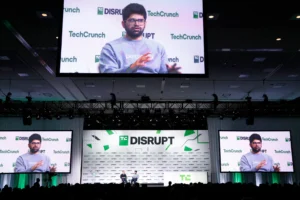
The global startup landscape is currently navigating a period of unprecedented transformation defined by the rapid maturation of artificial intelligence and shifting macroeconomic conditions. As founders grapple with the dual challenges of rapid technological adoption and the necessity for sustainable unit economics, the industry’s flagship event, TechCrunch Disrupt 2026, is set to convene at San Francisco’s Moscone West from October 13-15. The conference, which has served as a barometer for the venture capital ecosystem for over two decades, is positioning its 2026 programming to address the fundamental question: How does a founder move beyond the initial AI hype cycle to build an enduring, profitable company?
Historically, TechCrunch Disrupt has functioned as a critical nexus for early-stage capital formation and market validation. Data from previous iterations indicates that the event is more than a networking opportunity; for many startups, it represents an inflection point. Founders who participate in the Startup Battlefield or maintain a presence in the Expo Hall often report significant measurable outcomes, including accelerated fundraising timelines and increased investor interest. One notable participant from a prior cycle documented a 3x oversubscription rate following their pitch, while others have successfully converted spontaneous interactions in the Expo Hall into formal lead-generation pipelines for subsequent funding rounds.
The 2026 event structure reflects a pivot toward practical, actionable intelligence. Rather than hosting abstract discussions on the hypothetical future of machine learning, the organizers have curated six distinct content stages designed to deliver technical and operational strategies that founders can implement immediately upon returning to their offices. This "Monday Morning" methodology is intended to provide tactical support for startups across three primary stages of development: the pre-seed phase, where the primary objective is validating a core thesis; the growth phase, characterized by active revenue generation and capital procurement; and the scaling phase, which requires strategic partnerships and talent acquisition.
The chronology of the event is built around this segmented approach. The first day is heavily weighted toward foundational sessions for pre-seed founders, emphasizing the Builders Stage and initial matchmaking sessions. The second and third days transition into advanced capital-raising strategies and operational scaling, culminating in the announcement of the Startup Battlefield winner. This competition, a cornerstone of the event, provides a $100,000 equity-free prize and serves as a high-visibility platform for 200 startups selected through a rigorous multi-stage vetting process. While the application window for the 2026 competition has closed, the expansion of the Battlefield program into international markets—including recent initiatives in Tokyo and Sydney—suggests a continued focus on surfacing global innovation talent.

The broader impact of an event like Disrupt is best understood through its role in the venture ecosystem. According to industry analysts, the current climate for startup funding remains cautious, with investors prioritizing clear paths to profitability over pure growth metrics. In this context, the value of direct, face-to-face interaction has increased. The inclusion of the Deal Flow Café, which facilitates one-on-one meetings between founders and investors, is a direct response to this need for increased transparency and efficiency in the capital-raising process. By reducing the friction inherent in the traditional cold-outreach model, the conference serves as an essential, if condensed, accelerator for firms currently in the market for capital.
Beyond the formal programming, the event provides a platform for addressing broader industry challenges, such as the recent waves of labor force reductions within the tech sector. By offering discounted Expo+ passes to individuals affected by industry layoffs, the organizers are creating an informal recruiting environment that bridges the gap between displaced talent and growing startups. This secondary function of the event—as a decentralized labor market—highlights the resilience and adaptive nature of the startup community during volatile economic periods.
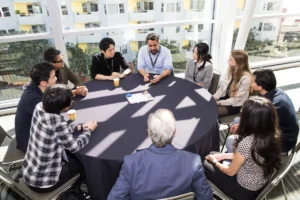
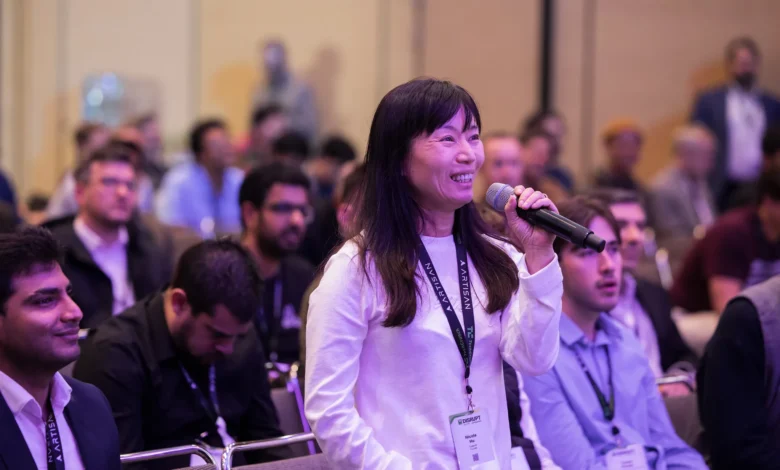
For those evaluating the utility of attending, the cost-benefit analysis is often centered on the quality of the "serendipitous" encounters that define the conference experience. While the speakers and stage sessions provide a roadmap for industry trends, the real-world value is frequently generated in the periphery—at the side events, networking roundtables, and in the exhibition halls. The organizers have implemented a suite of digital networking tools within the official event application to allow attendees to pre-schedule meetings, a necessary feature given the density of the event’s attendee list, which includes thousands of founders, institutional investors, and enterprise tech leaders.
From an analytical perspective, the focus on "building in the AI era" marks a departure from the speculative fervor of previous years. The programming suggests that the industry is transitioning toward an "execution-first" mindset. For instance, sessions dedicated to the legal and ethical implications of AI, as well as the practicalities of integrating large language models into existing product architectures, underscore the move toward operational maturity. This shift is critical for founders, who must now navigate not only product-market fit but also the complexities of AI governance and long-term infrastructure costs.
The logistical framework of the 2026 conference also incorporates tiered registration options designed to maximize accessibility for resource-constrained startups. By offering a 50% discount on secondary tickets, the organization is effectively lowering the barrier for founding teams to attend as a unit, acknowledging that strategic decisions are rarely made in isolation. This pricing strategy reflects an awareness of the current budgetary constraints faced by many early-stage companies and serves to ensure that the event remains representative of the broader innovation ecosystem rather than just its most well-funded segments.

As the industry prepares for the October 13-15 window, the primary directive for attendees remains consistent with previous years: preparation is the primary determinant of success. The most effective participants are those who treat the conference as a strategic mission, with clearly defined objectives for fundraising, hiring, or partnership development. Given the high concentration of decision-makers in the Moscone West facility, the ability to clearly articulate a company’s value proposition—the "elevator pitch"—remains the most essential tool for any attendee.
The legacy of TechCrunch Disrupt is rooted in its ability to adapt to the shifting needs of the tech sector. By concentrating its resources on the realities of the 2026 landscape—namely the integration of AI, the importance of sustainable growth, and the necessity of human capital—the event continues to provide a vital service to the global startup community. Whether one is a first-time founder seeking validation or a seasoned entrepreneur looking to scale, the event provides a singular environment where the complexities of the modern tech landscape can be addressed through direct engagement and strategic networking.
In summary, the 2026 edition of TechCrunch Disrupt is designed to serve as a catalyst for professional and corporate development. Through its blend of high-level speaker insights, tactical workshops, and intensive networking opportunities, it provides the essential components for navigating the current, highly competitive venture climate. Founders and investors alike will be watching the proceedings closely, as the outcomes of these three days in San Francisco are likely to influence the trajectory of numerous companies and, by extension, the broader direction of the technology sector for the remainder of the decade.