
Apple is poised to unveil the HomeView smart home hub alongside refreshed hardware in a major expansion of its domestic ecosystem on October 13, 2026

The technology industry has long awaited a definitive move from Apple to consolidate its presence in the smart home sector, and reports indicate that this wait will conclude this coming Tuesday. According to industry analyst Mark Gurman, Apple is preparing to debut "HomeView," a dedicated smart home hub designed to serve as the central command center for the modern connected household. This launch represents a strategic pivot for the Cupertino-based giant, shifting its focus from fragmented software frameworks toward a unified, hardware-centric experience that integrates advanced processing power with intuitive interface design.
The HomeView device, powered by Apple’s high-performance A18 chip, is expected to feature a touchscreen interface, enabling users to manage lighting, security systems, climate control, and entertainment devices with enhanced responsiveness. By incorporating the A18—the same silicon architecture utilized in the company’s flagship mobile devices—Apple is signaling that the HomeView will prioritize local on-device processing. This design choice addresses long-standing privacy and latency concerns by minimizing the need to route sensitive domestic data through cloud servers, a primary pain point for consumers in the current smart home market.
A Timeline of Strategic Development
The path to the HomeView launch has been characterized by iterative development and periodic delays. Apple’s interest in the home automation market dates back to the 2014 introduction of HomeKit, a software framework intended to bridge the gap between various third-party hardware manufacturers. However, HomeKit struggled to achieve the market penetration enjoyed by competitors like Amazon’s Alexa or Google’s Nest ecosystem, largely due to Apple’s stringent privacy requirements and a lack of a central, dedicated hardware hub that could effectively unify the user experience.
In 2018, the release of the original HomePod provided a premium audio-first entry point, but its high price point and limited feature set compared to screen-based competitors hampered its mass-market adoption. Throughout 2025, industry analysts tracked reports of "Project Iris," an internal Apple initiative focused on creating a dedicated home command device. These efforts were reportedly hampered by challenges in perfecting the Siri-powered voice interaction layer, which needed to be significantly more reliable than the existing iterations found on iPhones and existing HomePods. By early 2026, sources close to the development team indicated that the focus had shifted to the "HomeView" form factor, prioritizing a display-heavy interface over voice-only control.
Hardware Specifications and Form Factors
According to reports, the HomeView will launch with two distinct hardware configurations, acknowledging that different households have varying spatial requirements. The first model is engineered for desktop or countertop placement, likely featuring a tiltable display and a weighted base to ensure stability. The second model is a wall-mounted variant, potentially utilizing a magnetic mounting system that allows for a flush, unobtrusive profile. This dual-model strategy is designed to compete directly with existing wall-mounted smart panels and tabletop hubs from competitors.
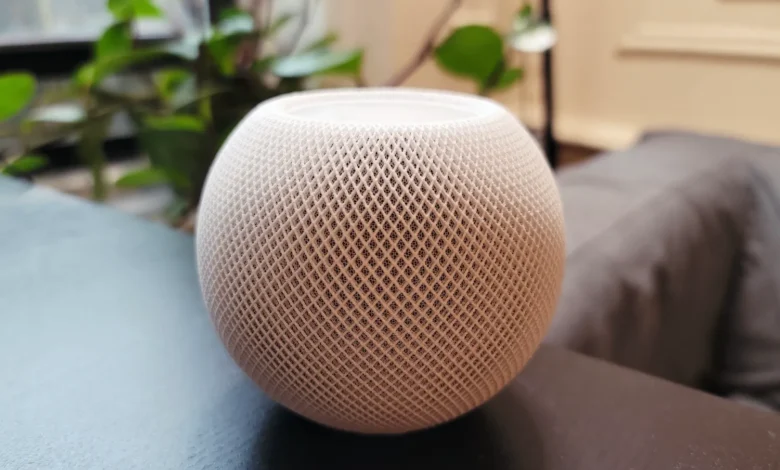
In addition to the HomeView, Apple is expected to refresh its peripheral hardware. The updated Apple TV set-top box is rumored to include enhanced gaming capabilities and deeper integration with the HomeView hub, allowing it to function as a primary media node within the smart home network. Furthermore, a new iteration of the HomePod mini is anticipated, likely focusing on improved acoustic performance and expanded "Handoff" features that allow for seamless audio movement between the user’s mobile devices and the home network.

Strategic Partnerships and Ecosystem Integration
Beyond internal hardware, Apple is reportedly forming a strategic partnership with LG to expand the utility of its smart home ecosystem. This collaboration aims to launch a suite of essential smart home components, including smart locks, thermostats, and doorbell cameras. By partnering with an established manufacturer like LG, Apple is attempting to bypass the slow adoption rate of its "Matter" integration efforts, providing consumers with a "walled garden" of compatible devices that are guaranteed to work seamlessly with the HomeView hub.
This move mirrors the strategy employed by other tech giants, which have found that success in the smart home space requires a combination of high-quality software and reliable, ubiquitous hardware. By ensuring that the thermostat, lock, and doorbell are optimized for the Apple ecosystem from the factory floor, the company aims to reduce the friction that often plagues DIY smart home setups.
Analysis: Implications for the Smart Home Market
The introduction of HomeView is arguably Apple’s most significant attempt to challenge the dominance of Amazon and Google in the domestic sphere. Currently, the market is fractured, with users often forced to utilize multiple applications to control various facets of their homes. If Apple can successfully implement a "HomeView-first" approach, where the device serves as the primary gateway for all HomeKit-enabled and partner-certified hardware, it could fundamentally shift consumer loyalty toward the Apple ecosystem.
However, the challenges are substantial. The smart home market is characterized by intense price sensitivity. While Apple’s hardware is known for its premium build quality and longevity, it often commands a higher price point than competitors. The success of the HomeView will depend on whether consumers perceive sufficient value in the A18-powered processing and the privacy-centric design to justify the premium cost. Furthermore, the integration with non-Apple hardware will remain a critical factor; if the HomeView is perceived as too restrictive or incompatible with existing legacy smart home devices, it may struggle to gain traction beyond the existing Apple-centric household.
Market Context and Future Outlook
As the smart home sector matures, the focus is shifting from simple automation—such as turning lights on and off—to "predictive intelligence." With the integration of the A18 chip, it is highly probable that Apple intends to deploy on-device machine learning models that learn the habits of residents, automating routines without explicit user commands. This represents the next frontier in home technology: a home that anticipates needs rather than merely responding to requests.
Industry observers will be watching the October 13 event closely for details regarding the pricing and regional availability of the HomeView. If the device is positioned aggressively, it could disrupt the holiday shopping season and force a response from competitors who have relied on iterative updates to their existing smart display lines.
Ultimately, the launch of HomeView is a testament to Apple’s long-term vision of a "connected life," where the smartphone is no longer the sole anchor of the digital experience. By decentralizing the hub of the user’s life and moving it into the architecture of the home, Apple is attempting to solidify its role as the primary facilitator of the domestic digital experience. Whether this hardware-centric pivot will be enough to overcome the entrenched competition remains the central question for the remainder of the fiscal year.