How Slack Evolved from a Developer Chat Tool into the Definitive Execution Layer for AI Agents

More than a decade ago, a small team of engineers conceptualized and built Slack out of a functional necessity: they required a centralized, frictionless digital environment to coordinate code deployments, monitor system log alerts, and communicate seamlessly in real time. Fast forward to the present day, and that foundational messaging platform has undergone a radical transformation. As artificial intelligence moves past experimental pilot programs and firmly into live, production-scale business operations, Slack has reinvented itself as the primary operational command center where human collaboration meets autonomous software.
Through the adoption of open standards such as the Model Context Protocol (MCP), modern AI agents are no longer confined to isolated browser windows or developer sandboxes. Instead, they operate directly inside the channels where human teams already congregate and collaborate. By pulling vital context across disparate platforms—including GitHub, Salesforce, and Jira—these intelligent agents execute complex actions in real time. Current telemetry reveals that Slack now processes an astonishing 127 million of these automated actions, known as MCP tool calls, every single week. This adoption curve is exceptionally steep, with transaction volume doubling quarter over quarter as enterprises race to automate workflows.
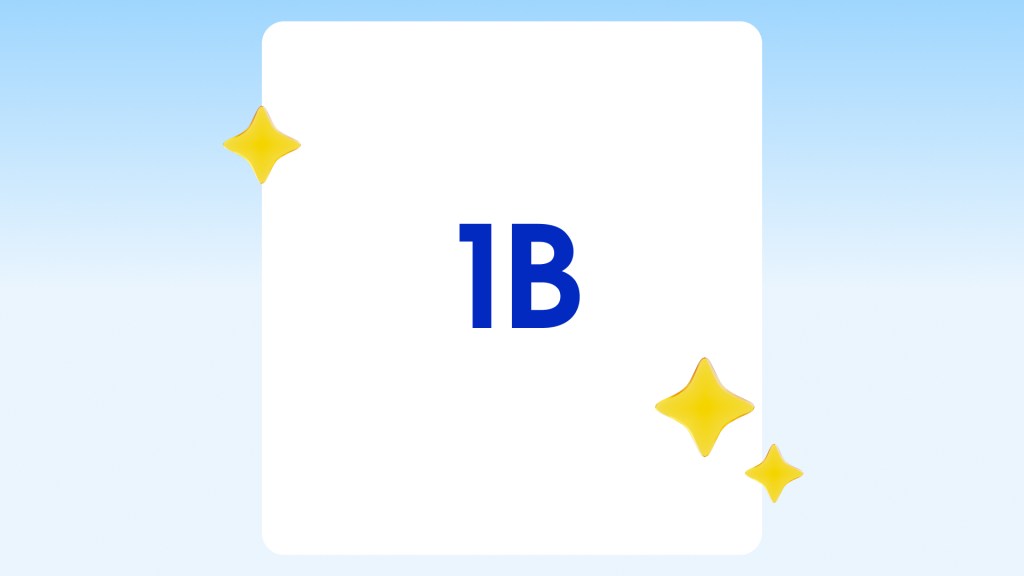
The integration of AI within the platform is exemplified by industry leaders like Anthropic, where 65% of all code changes are currently shipped directly through Slack on a daily basis. Across the broader ecosystem, users generate a staggering one billion messages on the platform every day. Six years after Slack was formally acquired by Salesforce, newly released internal and customer data illustrates a profound paradigm shift: Slack’s original identity as a space for humans and software to work side by side has organically matured into the definitive execution layer for humans and autonomous agents working collaboratively.

Scale, Momentum, and Economic Impact
The commercial expansion of Slack continues to break historical benchmarks. Company disclosures indicate that over 100,000 new corporate customers have onboarded to the platform throughout 2026 alone. This sustained influx of enterprise clients underscores a broader market consensus that digital-first organizations require an integrated work operating system rather than fragmented communication silos.
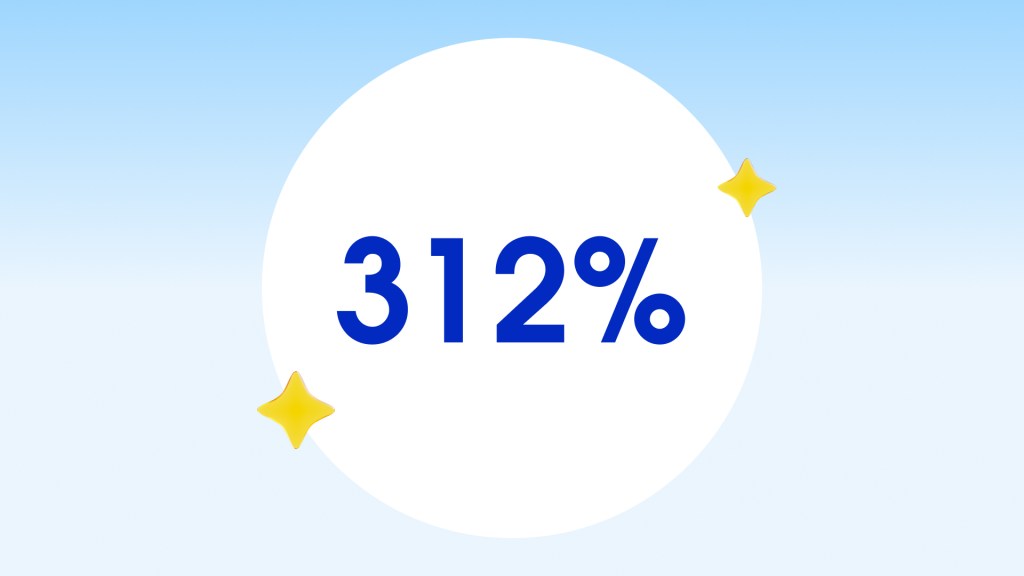
According to exhaustive economic impact research conducted by firms like Forrester, organizations utilizing Slack as their core operating infrastructure report an average return on investment (ROI) of 312%. This substantial financial return is primarily driven by reduced context switching, accelerated project delivery cycles, and the elimination of redundant administrative overhead.
Traditional enterprises are finding creative ways to leverage this architecture. For instance, Rochester Electronics, a major player managing inventory and distribution across billions of semiconductor devices, relies on Slack as its central operational command center. By blending human expertise with automated workflows, the firm has achieved rapid internal adoption of Slackbot and reusable automation "Skills." Employees routinely utilize these tools to instantly generate executive briefings, prepare comprehensively for client meetings, and conduct granular sales performance analyses from a single interface.
Colin Strother, Executive Vice President at Rochester Electronics, summarized the operational bottlenecking that Slack eliminates: "Some tasks feel like stopping at a traffic light every few minutes of a journey. The journey shouldn’t take that long, but you get stuck at every red light. Slack helps us remove those obstacles that stop the flow of work." Combined with custom automated workflows that manage routine administrative tasks and surface critical Salesforce notifications, companies are successfully turning standard conversations into immediate business execution.
The Undisputed Home for Enterprise AI Agents
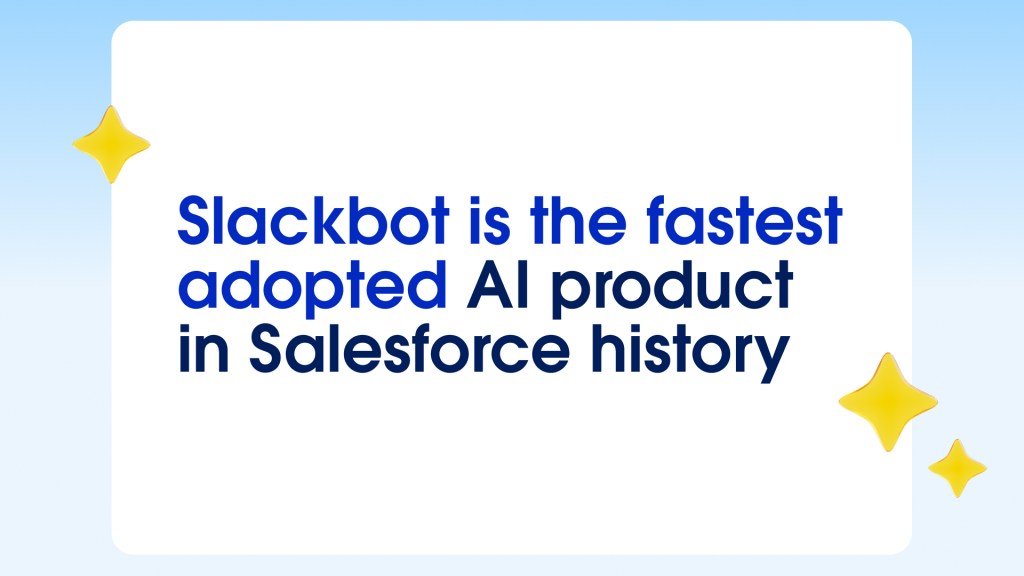
The architectural pivot toward agentic workflows has solidified Slack’s position as the number one home for enterprise AI. Internal metrics show that Slackbot has achieved the fastest adoption rate of any artificial intelligence product in the storied history of Salesforce. Furthermore, 1.9 million active users interact with third-party AI agents within Slack on a weekly basis, signaling that conversational AI is no longer a novelty but an indispensable daily utility.
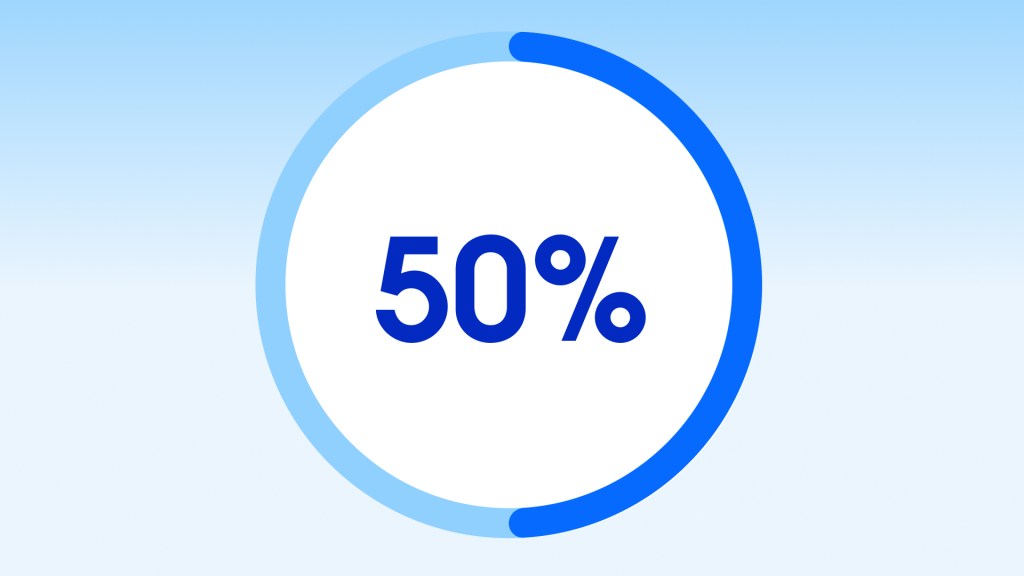
Perhaps the most telling metric regarding this autonomous revolution is that fully 50% of all messages circulating on Slack are now generated by automated applications and intelligent agents rather than human typists. This means that machines are actively participating in organizational dialogue, parsing requests, answering technical queries, and triggering backend system updates autonomously.
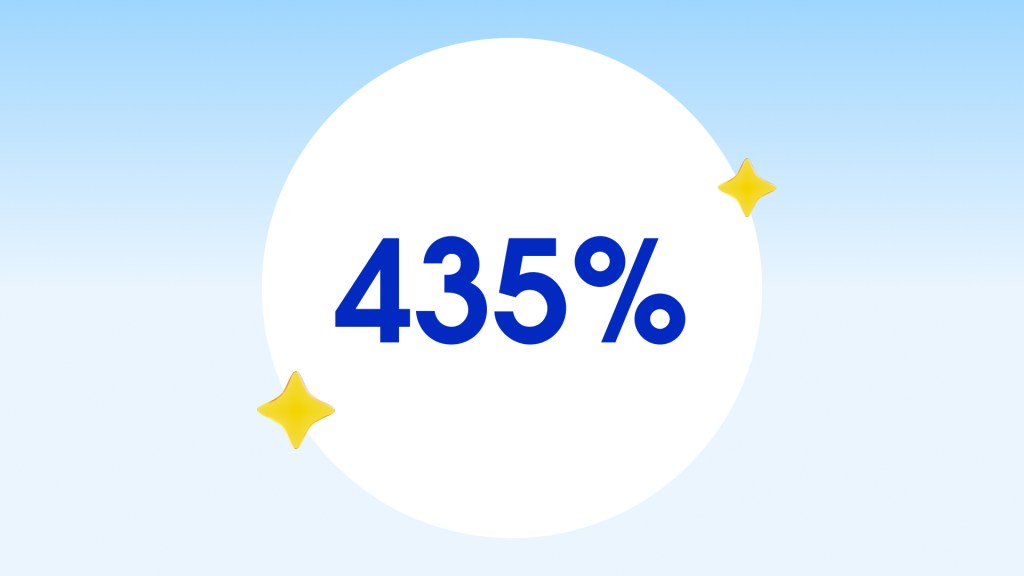
The artificial intelligence industry itself relies heavily on the platform to scale its own operations. Data indicates that nine out of the top ten frontier AI companies run their day-to-day operations primarily on Slack. Consequently, spending growth across Salesforce products by these frontier AI enterprises has surged by 435% year-over-year.
Vercel, a recognized pioneer in agentic infrastructure, operates its entire enterprise through Slack. Decisions spanning from foundational engineering to go-to-market strategies occur entirely in public channels, while hundreds of dedicated Slack Connect channels provide external customers and partners with a direct, transparent line to internal teams. Vercel employees utilize the platform’s search functionality over 250,000 times a month, a level of institutional knowledge retrieval that eliminates more than 70,000 hours of unnecessary meetings annually.

Vercel has also pushed the envelope by embedding autonomous agents directly into its Slack environment. The company’s specialized inbound sales agent autonomously manages lead qualification, preliminary prospect research, and outreach drafting—handling a workload that would traditionally require a team of ten human representatives. As an inaugural launch partner for advanced developer tooling like Slack Code, Vercel is extending this operational model directly into software development pipelines, allowing autonomous agents to collaborate inside the precise code channels where multidisciplinary engineering teams build products.
"At Vercel, everything starts in Slack. It’s our power grid for operations," noted Matt Lewis, Partner Sales Engineer at Vercel.
Internal Transformation: Salesforce Runs on Slack
To understand the viability of Slack’s agentic ecosystem, one need only examine its parent company. Salesforce has deeply integrated the platform into its own corporate nervous system, maintaining an astonishing 694,000 active Slack channels globally.
Internal utilization metrics demonstrate profound cultural adoption: 83% of all Salesforce employees are weekly active users of Slackbot, relying on the conversational interface to navigate internal resources and summarize complex data threads. More impressively, 90% of Salesforce sales representatives routinely use Slackbot to update customer records and manage pipelines within Salesforce without ever needing to open a separate CRM window. This frictionless integration bridges the historical gap between communication and database management, proving that enterprise software can be conversational, automated, and deeply secure simultaneously.

Broader Industry Implications and Future Outlook
The rapid evolution of Slack from a simple chat utility into an agentic execution layer highlights a broader transformation in enterprise software architecture. Historically, software applications functioned as discrete silos requiring manual data entry, human navigation, and explicit user commands. Today, the rise of open protocols like the Model Context Protocol combined with enterprise-grade messaging infrastructure has inverted this dynamic.
Applications are increasingly behaving as interoperable capabilities that intelligent agents can invoke dynamically on behalf of human users. By anchoring these agents inside collaboration spaces where institutional context is already naturally recorded, platforms like Slack are dramatically lowering the barrier to complex enterprise automation.
As frontier artificial intelligence companies and legacy industrial giants alike continue to embed autonomous workflows into their daily operations, the metrics recorded over the past year suggest that the boundary between human collaboration and machine execution will continue to blur. For enterprise technology leaders, the imperative is clear: the future of work will not be defined by how many separate applications an organization purchases, but by how effectively its communication layer can harness autonomous agents to execute work securely, transparently, and at scale.
Related posts: