Google Ads Launches Video Campaign Groups for Enhanced YouTube Reach and Frequency Management

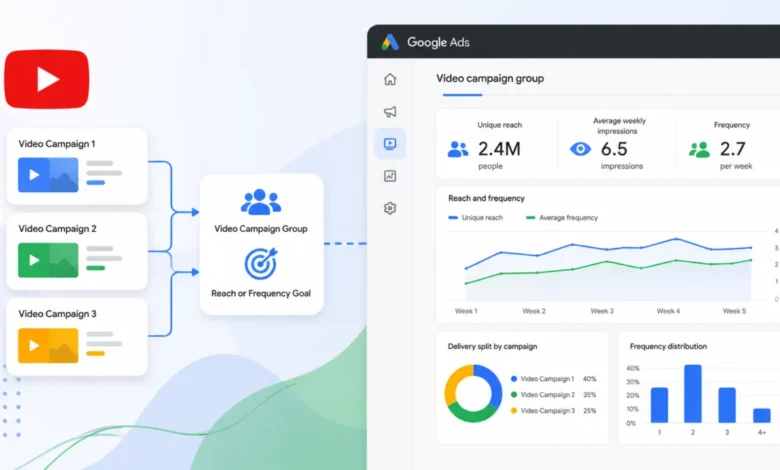
Google Ads has officially announced the global rollout of Video Campaign Groups for YouTube reach and frequency campaigns, representing a significant shift in how digital advertisers manage large-scale video branding initiatives. This new feature allows marketers to coordinate the delivery of multiple video campaigns simultaneously, optimizing them toward a singular, shared reach or frequency goal. By centralizing the management of disparate campaigns, Google aims to provide a more cohesive infrastructure for brands seeking to maintain a consistent presence on YouTube without the administrative burden of manual, campaign-by-campaign adjustments.
The introduction of Video Campaign Groups addresses a long-standing challenge in the digital advertising landscape: the fragmentation of audience data across multiple creative assets and budget silos. Traditionally, an advertiser running several different video spots for a single product launch would have to monitor the frequency of each campaign independently. This often led to "overexposure," where a single user might see various ads from the same brand too many times, leading to ad fatigue and diminished return on investment (ROI). Conversely, it could also lead to "underexposure," where a potential customer does not see the message enough times to reach the threshold of brand recall. The new grouping feature is designed to mitigate these issues by providing a centralized "brain" for multiple campaigns, ensuring that the collective frequency remains within an optimal range.
Streamlining YouTube Advertising at Scale
Under the new framework, advertisers can group multiple video campaigns under a single reach or frequency objective. Crucially, this does not come at the expense of granular control. Marketers retain the ability to set individual campaign-level budgets, select specific creative assets, and adjust various settings such as bidding strategies and location targeting. The system then works in the background to balance the delivery across these campaigns to meet the overarching group goal.
For example, a global consumer electronics brand might launch a new smartphone with three distinct video ads: one focusing on camera quality, one on battery life, and one on gaming performance. Previously, if these were run as three separate campaigns, a user might see the camera ad five times and the battery ad four times, potentially exceeding the brand’s desired weekly frequency. With Video Campaign Groups, the brand can set a group-wide frequency goal, allowing Google’s algorithms to rotate the ads while ensuring the total number of impressions per unique user stays within the desired limit.
Strategic Importance of Frequency Management
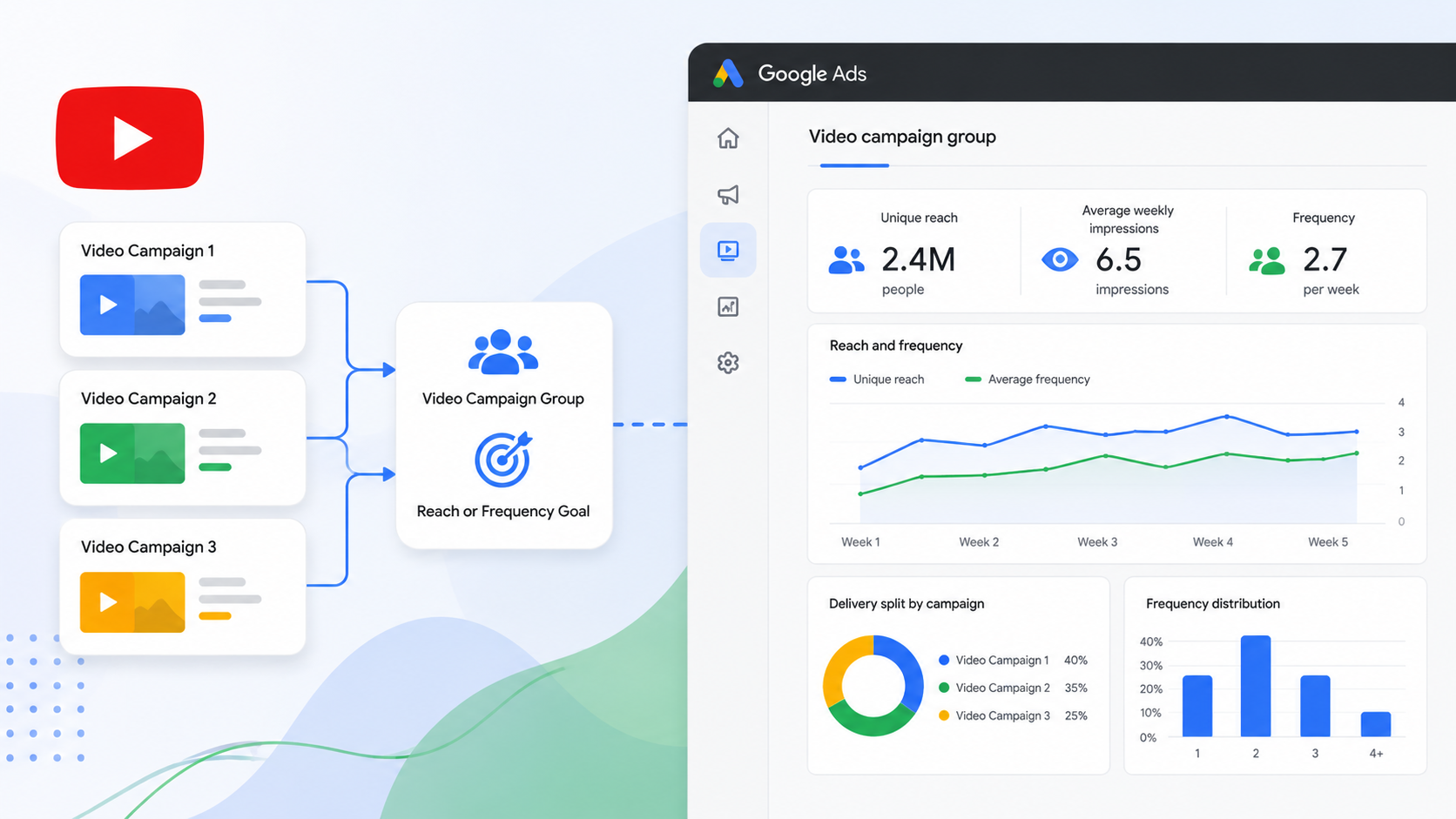
The launch of this feature is supported by data highlighting the critical role of frequency in driving advertising effectiveness. Google recently highlighted a study using its Meridian marketing mix modeling (MMM) framework, which suggested that finding the "sweet spot" for frequency is essential for maximizing ROI. According to the study, an optimal frequency of 2.7 impressions per week resulted in a 19% increase in ROI compared to campaigns that did not optimize for this specific frequency.
Frequency management is a delicate balancing act. The "effective frequency" theory in advertising suggests that a consumer needs to be exposed to a message multiple times before they take action or form a lasting memory of the brand. However, once that threshold is crossed, every additional impression yields diminishing returns and can eventually lead to negative brand sentiment. By providing tools that automate the maintenance of this "sweet spot," Google is helping advertisers move away from "spray and pray" tactics toward a more scientific, data-driven approach to brand building.
Unified Reporting and Data-Driven Insights
A core component of the Video Campaign Groups update is the introduction of unified reporting. Advertisers will no longer need to export data from multiple campaigns and manually aggregate them in spreadsheets to understand their total reach. The new interface provides a holistic view of performance metrics across the entire group.
Key metrics available in this unified view include:
- Unique Reach: The total number of individual users who saw at least one ad from the group.
- Frequency Distribution: A breakdown of how many users saw the ads once, twice, three times, and so on.
- Cost Per Unique Reach: A consolidated efficiency metric that helps brands understand the true cost of expanding their audience.
- Average Frequency: The mean number of times a unique user was exposed to ads from the grouped campaigns.
This level of transparency is vital for media planners who need to justify ad spend and prove the incremental value of their YouTube investments. By seeing the overlap between campaigns, advertisers can identify which creative assets are contributing most to unique reach and which are simply adding to the frequency of an already-reached audience.
Historical Context: The Evolution of YouTube Campaign Optimization
The move toward Video Campaign Groups is part of a broader trend in the Google Ads ecosystem toward "horizontal" optimization—where the platform’s AI looks across different campaign types and objectives to find efficiencies. In the early days of YouTube advertising, campaigns were largely managed through the Lens of TrueView, where the primary metric was the "view." As the platform matured, Google introduced more specialized formats like Bumper ads (6-second unskippable ads) and non-skippable 15-second ads.
As the variety of formats grew, so did the complexity of managing them. Advertisers often found themselves running "Reach" campaigns (designed for maximum eyeballs) alongside "Action" campaigns (designed for conversions). Over the last three years, Google has been working to bridge these silos. The introduction of Video Reach Campaigns (VRC) was a major step, allowing AI to mix and match formats to hit a reach goal. Video Campaign Groups is the next logical evolution, expanding that logic from a single campaign with multiple ads to multiple campaigns with different strategic levers.
Industry Implications and Competitive Landscape
The digital advertising industry is currently navigating a period of significant change, driven by the deprecation of third-party cookies and an increased focus on user privacy. In this environment, "reach and frequency" have become even more important as foundational metrics for brand advertisers who can no longer rely on hyper-granular behavioral tracking.
Google’s rollout of Video Campaign Groups is also a strategic move to maintain its dominance against competitors like Meta (Facebook/Instagram) and TikTok. Meta has long offered sophisticated frequency capping and "reach and frequency" buying options. By enhancing its own toolset, Google is ensuring that it remains the platform of choice for large-scale brand awareness budgets.
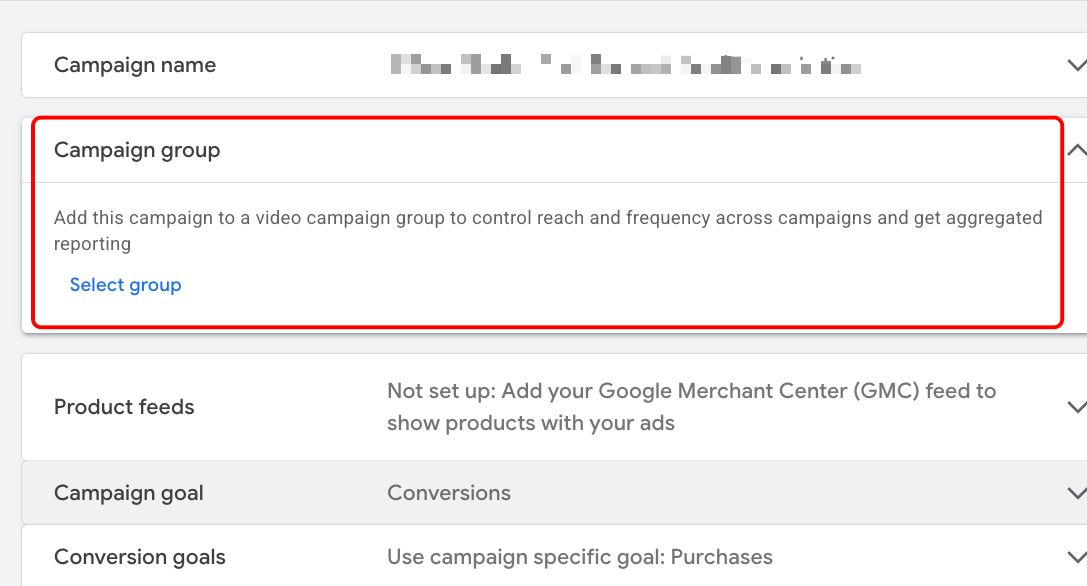
Industry experts have reacted positively to the news. Arpan Banerjee, a prominent Paid Search Expert who first spotted the feature in the wild, noted that the update simplifies the workflow for managers of large accounts. The ability to maintain separate budgets—which is often a requirement for brands with different departmental funding sources—while still optimizing for a shared goal is seen as a major practical advantage.
Looking Ahead: Expansion to Display & Video 360
Google has confirmed that the functionality of Video Campaign Groups will not be limited to the standard Google Ads interface for long. The company plans to expand the feature to Display & Video 360 (DV360), Google’s enterprise-level demand-side platform (DSP). This expansion will allow programmatic media buyers to coordinate reach and frequency across multiple YouTube "line items."
For enterprise advertisers, this is a crucial development. Many large brands use DV360 to manage their entire digital media mix, and having the ability to sync YouTube frequency with other programmatic buys will provide a more comprehensive level of control over the total "share of voice" a brand has across the web.
Conclusion: A Holistic Approach to Media Planning
The launch of Video Campaign Groups marks a transition from manual campaign management to strategic audience orchestration. By allowing advertisers to focus on the overall audience experience—rather than the minutiae of individual campaign settings—Google is facilitating a more sophisticated approach to video marketing.
As brands continue to shift their television budgets to digital video, the demand for tools that mimic the reach and frequency controls of traditional TV—but with the precision and data of digital—will only grow. Video Campaign Groups represent Google’s latest effort to meet that demand, offering a scalable solution that balances automation with advertiser control. For marketers, the "bottom line" is clear: the ability to reach the right number of people, the right number of times, has just become significantly easier to achieve on the world’s largest video platform.