From Kitchen Counter Start-up to 173 Million Dollar Exit: The Unlikely Rise of Trubar

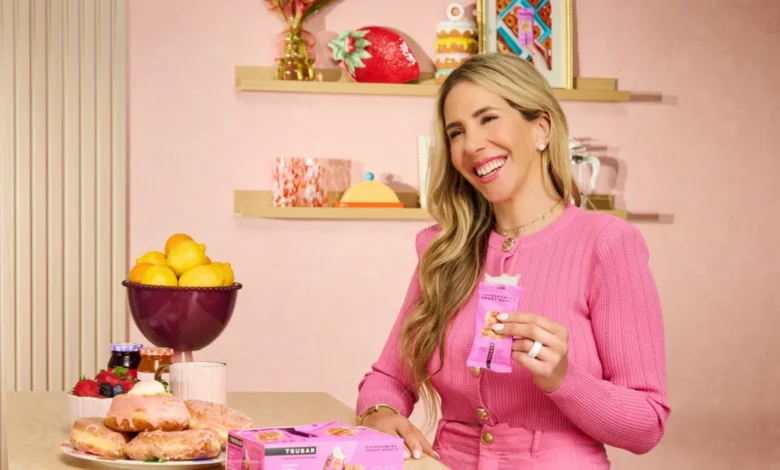
The trajectory of Trubar, a better-for-you protein snack brand, serves as a masterclass in the grit required to navigate the volatile consumer packaged goods (CPG) industry. Founded by Erica Groussman, a former stay-at-home mother with a background in film finance and real estate, the company has evolved from a grassroots experiment involving a wooden tray and local shop counters into a global enterprise. In early 2026, the company reached a significant milestone when it was acquired by the Turkish snack conglomerate Eti Gida for $173 million. This acquisition not only validated Groussman’s unconventional business model but also cemented Trubar’s position as a major player in the competitive $6 billion functional snack market. By the end of 2025, the company had achieved approximately $100 million in gross revenue, with nearly 46 million individual bars shipped, reflecting a rapid ascent that defied the odds of early financial instability.
The Genesis of a Better-For-You Product
The inception of Trubar was not born from a corporate boardroom but from a moment of personal physical discomfort during a family vacation to Disney. Groussman, seeking a convenient snack, consumed a leading protein bar only to find herself experiencing significant digestive distress—a common complaint among consumers of early-generation protein bars, which were often laden with sugar alcohols and artificial fillers.
Recognizing a gap in the market for a product that prioritized both nutritional integrity and the sensory experience of a dessert, Groussman pivoted from her domestic life to the laboratory. She enlisted a food scientist to help iterate a formulation that eliminated the gritty texture and unpleasant aftertaste associated with traditional protein supplements. The development process was intensely iterative; Groussman personally oversaw every formulation tweak, focusing on the "mouthfeel" and flavor profiles of products that would eventually become flagship offerings, such as "Daydreaming About Donuts" and "Oh Oh Cookie Dough."
Chronology of a Scrappy Ascent
The growth of Trubar is characterized by three distinct phases: the retail testing phase, the corporate structural pivot, and the post-acquisition scaling phase.
- 2018–2019: The "Counter-Top" Phase: Following the product’s R&D phase, Groussman relied on a low-cost, high-visibility distribution strategy. By placing wooden trays of Trubar samples in local delis, juice bars, and beauty salons, she generated immediate feedback loops. If a store sold out, it was a clear signal to scale. This period validated the product-market fit before any significant capital was deployed.
- 2020–2021: Retail Expansion and Crisis: The company successfully secured a trial run at Whole Foods Market, which served as a proving ground for the brand’s ability to compete with established giants like Kind and RXBAR. However, this period was also marred by a significant management error. An attempt to bring in external management led to a $7 million debt burden, nearly shuttering the business. Groussman’s decision to personally reclaim control of the operations remains the defining turning point in the company’s history.
- 2021–2025: Public Market Integration: In 2021, Trubar was absorbed by a publicly traded holding company. While this provided the capital required for wider distribution, it introduced new complexities, as Trubar’s profits were often diverted to stabilize underperforming sibling brands within the portfolio.
- 2026: The Exit: The acquisition by Eti Gida marked the final transition of Trubar from an independent, founder-led startup to a core asset of a global food manufacturer.
Data-Driven Growth and Retail Strategy
The success of Trubar is not merely a result of effective branding but of precise retail positioning. By 2026, the brand had successfully penetrated 32,000 retail locations across the United States. Analysts note that the brand’s ability to secure shelf space at major retailers like Walmart and Costco was predicated on a shift in strategy—from relying on niche health food stores to leveraging the mass-market appeal of a dessert-flavored functional snack.
The transition into Costco was particularly illuminating. An initial, unsuccessful attempt in Canada taught the company that pricing and brand familiarity are as critical as the product itself. When the company re-entered the U.S. market, they adjusted their supply chain and pricing strategy, resulting in widespread acceptance. The $100 million in gross revenue achieved in 2025 is a testament to this shift in operational maturity, proving that the brand could withstand the rigors of national distribution without sacrificing its core value proposition.
The "Mama Bear" Leadership Philosophy
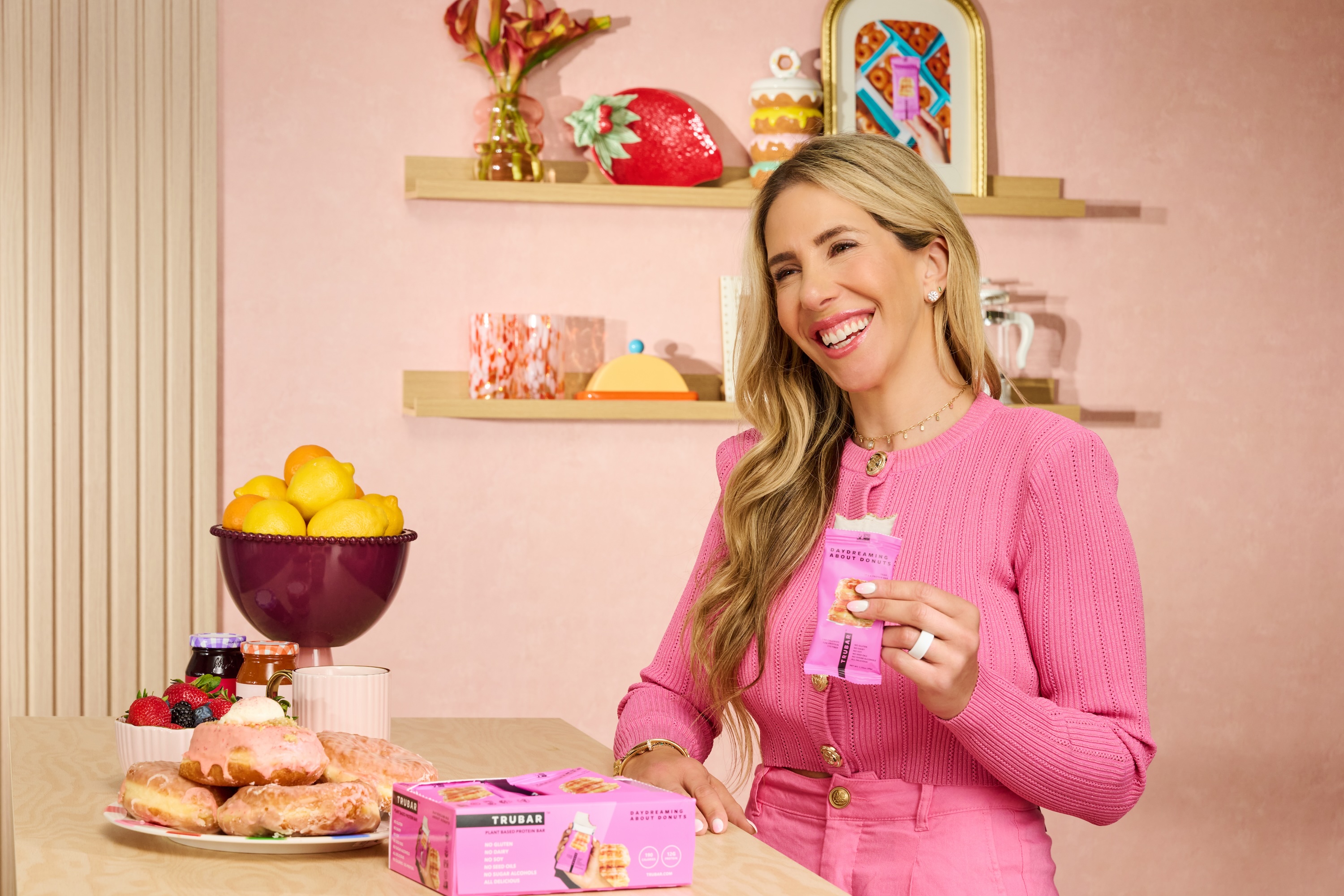
Despite the corporate scale, Groussman has maintained a hands-on management style that is increasingly rare in the CPG sector. Her approach, which she characterizes as being a "mama bear," involves direct intervention in operational bottlenecks. A recent example occurred during a crucial Walmart rollout when a logistics failure threatened a major shipment. Rather than deferring to a logistics firm, Groussman personally navigated a secondary supplier network, securing new packaging in a two-week window.
This management philosophy extends to how she builds her team. Groussman maintains that while a resume provides a snapshot of skills, "chemistry" is the primary driver of success in a high-growth environment. Her team of 28 employees is empowered to make decisions rapidly, adhering to her mantra of "80% is good enough to start." This bias for action has allowed Trubar to correct errors—such as mislabeled ingredient lists—in real-time, often resolving potential crises before they reach the consumer or the retail buyer.
Implications for the CPG Industry
The acquisition of Trubar by Eti Gida highlights a broader trend in the food and beverage industry: the "premiumization" of functional snacks. Large, global snack companies are increasingly looking to acquire smaller, agile brands that have already solved the "taste vs. nutrition" equation.
The implications for entrepreneurs are clear: the barrier to entry for the snack industry remains low, but the barrier to scale is extraordinarily high. Trubar’s success demonstrates that founders must be prepared to navigate cycles of debt, corporate restructuring, and logistical failures. Furthermore, the ability of a brand to retain its founder’s vision post-acquisition—as is the case with Groussman continuing to lead day-to-day operations—is increasingly viewed as a key metric for deal success.
Official Responses and Future Outlook
Following the announcement of the $173 million deal, representatives from Eti Gida noted that the acquisition was intended to serve as a cornerstone for their North American expansion. For Groussman, the exit is not an end but a bridge. With the launch of "Trubar Kids" and the "Trubar Pro" line, the company is signaling its intent to capture market share across different demographics.
Industry analysts suggest that Trubar’s path forward will likely involve further diversification into related health-food categories. While the brand has reached a level of maturity that most startups never attain, the core of the business remains unchanged. The company continues to operate under the premise that if a product is transparently sourced, tastes like a treat, and solves a physiological problem, it will find its audience.
In a statement regarding her future, Groussman emphasized the importance of the team remaining intact through the acquisition process. "It’s my baby," she remarked, indicating that her role is far from complete. As the brand integrates into the global infrastructure of Eti Gida, the industry will be watching to see if Trubar can maintain its "scrappy" operational culture while navigating the complexities of international trade and supply chain optimization. The story of Trubar is not just one of a successful exit; it is a case study in the power of persistence, the necessity of hands-on leadership, and the reality that in the consumer goods space, the most successful brands are often those that refuse to take "no" for an answer.