From Gold Rush to Algorithms: How the Search Marketing Industry Transformed Over Two Decades

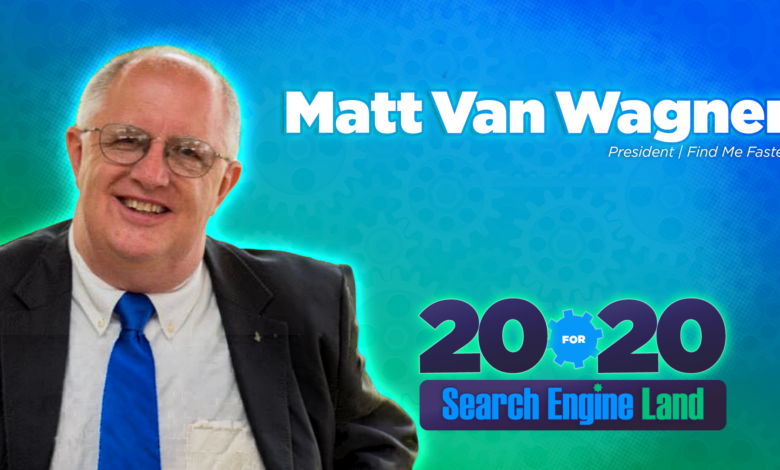
The search marketing industry has evolved from an experimental, entrepreneurial gold rush into a highly automated, platform-dominated ecosystem, and few are as well-positioned to chronicle this shift as veteran strategist Matt Van Wagner. His career, which spans the formative years of Google Ads and the rise of pivotal industry platforms like Search Engine Land, offers a window into how the mechanics of digital advertising have matured. This evolution, characterized by the decline of granular manual tactics and the ascent of machine learning, carries significant implications for modern advertisers who must navigate a landscape where platform incentives do not always align with business profitability.
The Dawn of Search: An Industry in Its Infancy
In the early 2000s, the marketing landscape was dominated by traditional, high-friction channels: trade publications, expensive industry conferences, and direct mail campaigns. As these methods faced diminishing returns, the emergence of search engine marketing provided a radical alternative. Van Wagner, transitioning from technology sales, found that early search conferences were buzzing with a distinct, entrepreneurial energy. It was a time of discovery; businesses were eager to reach consumers in a new way, and agencies were being built from the ground up to facilitate this connection.
During this period, the barrier to entry for search advertising was relatively low. Once companies grasped the potential of paid search, the demand for service providers outpaced supply. However, many early agencies struggled with business maturity, specifically regarding pricing models. Practitioners were often so focused on the technical novelty of the work that they failed to charge fees commensurate with the significant value they generated for their clients. This collaborative, high-growth environment fostered a sense of camaraderie, as the market was expanding rapidly enough to accommodate newcomers without the cutthroat competition that would define later years.
The Catalyst of Professionalism: Search Engine Land and SMX
The professionalization of the search marketing industry was accelerated by the launch of industry-specific publications and conferences, most notably Search Engine Land and the SMX (Search Marketing Expo) series. Before these entities matured, the conference circuit had become stagnant, often recycling the same fundamental presentations.
SMX Advanced disrupted this cycle by targeting an intermediate-to-advanced audience. By eliminating the repetition of basics, the conference drew a more sophisticated cadre of speakers and participants. This environment shifted the focus toward deeper, peer-to-peer technical discussions. It created a culture where the "hallway track"—conversations occurring in hotel lobbies, over coffee, or at dinner—often yielded more actionable insights than the formal sessions. This period established a standard for community knowledge sharing that proved essential as the industry navigated rapid algorithm updates.
The Shift from Granularity to Automation
Historically, pay-per-click (PPC) strategy was defined by extreme granularity. Advertisers employed techniques such as Single Keyword Ad Groups (SKAGs), complex negative-keyword layering, and meticulous manual match-type sculpting. The goal was to exert total control over every cent of spend and every user query.
Today, these practices are largely obsolete. The transition toward broad-match automation and smart bidding has shifted the practitioner’s role from "campaign architect" to "system supervisor." While this transition has increased efficiency, it has also stripped away layers of control. Critics argue that forcing AI systems to "re-learn" basic business constraints—such as which queries are fundamentally irrelevant—is an inefficient use of capital. The industry is now grappling with the challenge of balancing the speed of automation with the necessity of human expertise.
Historical Turning Points: From Florida to Google Instant
The volatility of search engine reliance was perhaps best exemplified by Google’s "Florida" update in late 2003. This algorithmic shift effectively wiped out rankings for thousands of websites just before the critical holiday shopping season. The incident served as a wake-up call for the entire digital marketing sector, proving that organic visibility was never a guarantee. Consequently, paid search transformed from a supplemental strategy into an essential "insurance policy," ensuring that businesses could maintain revenue flow even when organic search traffic evaporated.
Furthermore, the industry saw the power of product-led marketing through the launch of "Google Instant." While competitors like Microsoft were spending heavily on traditional advertising campaigns to promote Bing, Google’s strategy of turning product updates into news-cycle events proved far more effective. Microsoft eventually conceded that it could not reinvent user behavior, leading to a strategy of mirroring the Google Ads interface. This decision reduced the cognitive load for advertisers managing cross-platform campaigns, ultimately favoring Google by making its platform the default standard for the industry.
The Conflict of Interest: Platform Incentives vs. Advertiser ROI
A recurring theme in the history of search marketing is the tension between the goals of the search engine and the goals of the advertiser. While Google provides tools to drive profitable sales, it is a commercial entity whose primary revenue stream is advertising spend.
Van Wagner notes that this necessitates a healthy skepticism among marketers. When platforms push "recommended" settings, automated campaign types, or default broad-match configurations, they are not necessarily prioritizing the advertiser’s specific margin goals. The emergence of the Google Ads Liaison role, currently held by Ginny Marvin, has served as a vital bridge in this relationship. By acknowledging the pain points of the practitioner community, this role has helped to humanize the black-box nature of modern advertising platforms.
Looking Forward: The Role of Independent Journalism
In a landscape where platforms provide their own internal data and optimization narratives, independent industry journalism has never been more critical. Publications that can critically evaluate platform changes, question the efficacy of new automated tools, and provide a forum for peer-based critique remain the bedrock of a healthy search ecosystem.
For the modern PPC professional, the primary challenge is no longer just mastering the interface; it is the ability to interpret data with a critical lens and admit when automated systems are misfiring. History has shown that those who prioritize economic fundamentals—such as focusing on long-term profitability over the vanity of a "Number 1" ranking—consistently outperform those who chase platform trends without question.
Analysis of Current Trends and Future Implications
The shift toward "black-box" advertising systems represents a permanent change in the industry. As artificial intelligence continues to ingest more data, the ability for humans to perform manual adjustments will likely continue to wane. However, the requirement for strategic oversight is increasing. The future of search marketing lies in the integration of business-specific intelligence into these automated systems. Advertisers must move away from viewing themselves as mere keyboard operators and toward becoming data stewards who provide the context—such as lifetime customer value, supply chain constraints, and brand safety requirements—that algorithms currently lack.
The transition from a gold-rush era to an era of consolidated automation has not diminished the importance of search marketing; it has merely changed the requirements for success. Practitioners who thrive in the coming decade will be those who balance the immense power of machine learning with a relentless commitment to independent verification and business-first strategy. By recognizing that Google’s definitions of success are not always synonymous with their own, advertisers can maintain their competitive advantage in an increasingly automated world.