Beyond Graduation Creating Connections For First Line Graduates
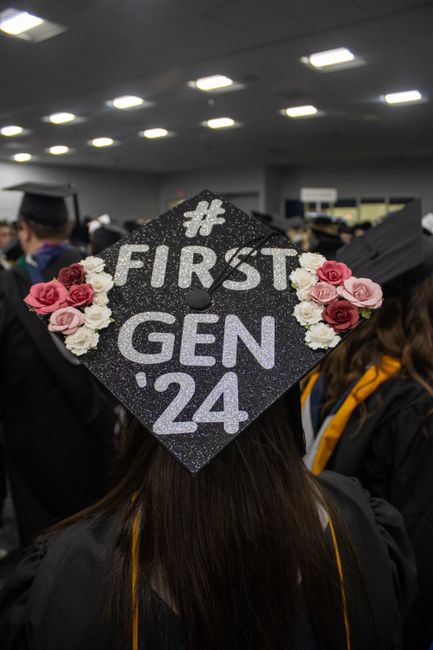
Beyond the Diploma: Strategic Networking Strategies for First-Generation Graduates
The transition from academic life to the professional world is a milestone for any student, but for first-generation graduates—those who are the first in their families to obtain a four-year degree—this shift carries unique challenges. Unlike peers who may have built-in professional networks through parental connections or inherited industry knowledge, first-gen graduates often start from scratch. Navigating the "hidden curriculum" of corporate networking requires intentionality, resilience, and a strategic approach to relationship building. Mastering the art of connection is not merely about finding a job; it is about building a social capital foundation that will sustain your career trajectory for decades.
Deconstructing the Myth of "Organic" Networking
The prevailing narrative suggests that networking happens naturally—over coffee, at alumni mixers, or through family friends. For the first-generation graduate, this advice is often exclusionary. True networking is not organic; it is a deliberate exercise in community building. Because you lack the "inherited" network, you must pivot toward "active" networking. This involves identifying the gaps in your knowledge and seeking out the individuals who occupy those spaces.
Start by auditing your current sphere of influence. Your professors, former internship supervisors, and peers are your primary points of contact. However, do not stop there. Leverage your university’s alumni database with specific intent. When reaching out to an alum, avoid vague requests for "advice." Instead, frame your outreach around their specific career path. Use this template: "I noticed your transition from [Major] to [Role] at [Company], and I am fascinated by how you navigated that shift. Would you be open to a 15-minute conversation about your experience?" This shows that you have done your research, which is a hallmark of a professional who respects others’ time.
Leveraging University Resources and Career Services
Many first-generation students underutilize university career centers because they perceive them as exclusive or ineffective. This is a missed opportunity. These centers often house mentorship programs specifically designed for underrepresented students or first-gen cohorts. These programs are goldmines because they connect you with mentors who understand the systemic barriers you may face.
Furthermore, university-sponsored industry panels and career fairs should be viewed as training grounds. Before attending, research the companies present. Prepare three intelligent questions that go beyond "What positions are you hiring for?" Ask about the company culture, the biggest challenges their department is currently facing, or what they look for in an entry-level candidate. By engaging in higher-level discourse, you transition from a "job seeker" to a "thoughtful candidate," making you far more memorable to recruiters.
Digital Networking: Mastering LinkedIn for Career Growth
LinkedIn is the primary equalizer for those without traditional connections. However, a static profile is insufficient. To maximize your digital footprint, you must engage in "value-added networking." This means commenting on industry articles, sharing insights on trends relevant to your field, and publishing brief reflections on what you are learning in your job search.
When connecting with professionals in your target industry, personalization is non-negotiable. Never send a blank connection request. Include a note referencing a recent post they wrote or a project they contributed to. This signals that you are active in the industry discourse. Additionally, seek out "First-Gen Professional" groups on LinkedIn. These communities provide a safe space to ask questions about workplace norms—such as how to negotiate a salary, how to interpret corporate jargon, or how to advocate for yourself in meetings—without the fear of being judged for not "knowing better."
The Power of the "Weak Tie" Strategy
Sociologist Mark Granovetter coined the term "the strength of weak ties," which suggests that our closest friends—the people we know best—are the least likely to help us find new opportunities. This is because your close friends likely occupy the same social circle and have access to the same information you do. Your "weak ties"—acquaintances, people you met at a conference, or friends of friends—are the ones who provide access to new industries, hidden job markets, and fresh perspectives.
For a first-gen graduate, this means you must be willing to step outside your comfort zone. Attend events where you do not know a single person. Introduce yourself to individuals who have jobs you aspire to hold. These weak ties are the bridges to your next opportunity. If you find the prospect of cold-reaching out daunting, start by attending industry-specific webinars. Often, speakers are willing to connect on LinkedIn after the event, providing you with an easy "in" to strike up a conversation based on the presentation.
Navigating Workplace Culture and Finding Mentors
Once you secure your first role, the networking does not stop; it becomes internal. First-generation graduates often experience "imposter syndrome" when entering professional environments. Combat this by identifying mentors and sponsors. A mentor is someone who talks to you and provides guidance; a sponsor is someone who talks about you in meetings when you aren’t present.
To attract a mentor, be a "model mentee." Be proactive, follow through on advice, and express genuine gratitude. If a senior colleague provides feedback on a report, implement that feedback immediately and send a follow-up note saying, "Your suggestion helped me improve the document significantly; thank you for the insight." This creates a positive feedback loop that encourages them to invest further in your development.
Overcoming the "First-Gen" Guilt and Imposter Syndrome
It is common for first-generation graduates to feel a sense of guilt—the "imposter" feeling that you don’t belong in corporate settings or that you are somehow "faking it." Recognizing this feeling as a natural response to entering a new environment is the first step toward overcoming it. You belong in these rooms because your performance, hard work, and education have earned you a seat.
When networking, be authentic about your background if you choose, but do not lead with your challenges. Lead with your potential. You bring a perspective that others do not have—resilience, adaptability, and a strong work ethic forged by the experience of breaking barriers. When you communicate with confidence, people will treat you with respect. Remember that networking is a two-way street. Even as a junior employee, you bring value. You possess knowledge of new technologies, different cultural insights, and a fresh enthusiasm that senior leaders often lose over time.
Strategic Goal Setting for Long-term Growth
Networking should be integrated into your weekly routine, not relegated to times when you are desperate for a job. Block off one hour per week for "relationship maintenance." This might involve sending a follow-up email to a contact you met months ago, congratulating a peer on a promotion, or researching a leader you hope to connect with in the future.
Set clear KPIs for your networking efforts. For instance, aim to:
- Conduct two informational interviews per month.
- Engage with three pieces of industry-relevant content on LinkedIn weekly.
- Attend one industry-specific event or webinar per month.
By quantifying your networking efforts, you remove the emotional burden of "trying to be liked" and replace it with a task-oriented approach that yields measurable results over time.
The Importance of Paying it Forward
As you begin to climb the ladder, ensure you are creating pathways for others. The most successful first-generation professionals are those who turn back to pull others up behind them. By mentoring a student or a recent graduate, you reinforce your own leadership skills and expand your network further. This cycle of support creates a robust, self-sustaining community of first-gen talent that changes the face of the professional landscape.
In conclusion, the journey beyond graduation is not a sprint but a marathon of relationship building. By moving past the intimidation of "not knowing" and embracing the necessity of active, strategic outreach, you can overcome the lack of traditional connections. Leverage your university, master the digital landscape, value your weak ties, and foster internal mentorship. Every connection you make is a brick in the foundation of your future career. Do not wait for an invitation; create your own, and ensure that your first-generation legacy is one of influence, connection, and success.