Corporate Culture and the Future of Work: A Deep Dive into MuleSoft’s Strategic Growth and Employee Engagement
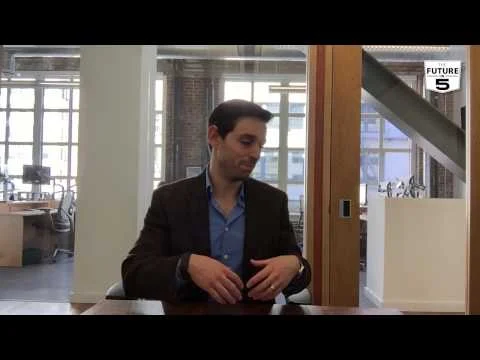
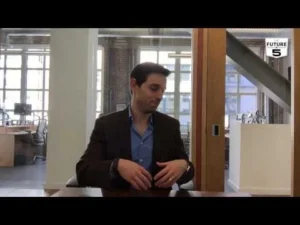
Corporate culture serves as the foundational framework for modern enterprise, encompassing a diverse array of variables that range from the physical office environment and employee perks to the intricacies of interpersonal communication between staff and management. In an era where the "war for talent" defines the competitive landscape of Silicon Valley, organizations are increasingly scrutinized not only for their technological output but for the internal ecosystems they cultivate. This focus on the human element of business was recently highlighted by futurist and author Jacob Morgan during an exploration of MuleSoft’s headquarters in San Francisco. At the time of the assessment, MuleSoft, a provider of integration software, employed approximately 500 people globally and had secured a prestigious position on Glassdoor’s list of the top 50 companies to work for in America. This recognition underscores a broader shift in the technology sector, where the "future of work" is no longer a distant concept but a present-day strategic priority.
The Strategic Architecture of MuleSoft’s Culture
The success of MuleSoft in the mid-2010s was not merely a product of its technical capabilities in the API (Application Programming Interface) economy but was deeply rooted in its deliberate approach to organizational design. Jacob Morgan’s "Future in 5" series provided a rare glimpse into how a high-growth tech firm balances the demands of rapid scaling with the preservation of a cohesive company identity. The physical workspace in San Francisco was designed to foster transparency and collaboration, moving away from the siloed structures of traditional corporate environments.
However, the culture at MuleSoft extended far beyond the aesthetic of its office. It was characterized by a high degree of "cultural fit" rigor, a process led from the very top of the organization. Greg Schott, the CEO of MuleSoft at the time, maintained a practice that is increasingly rare in companies of that size: he personally interviewed every single candidate before they were hired. This hands-on approach by the chief executive served a dual purpose. First, it ensured that every new addition to the team aligned with the company’s core values and long-term vision. Second, it sent a powerful message to the existing workforce about the value of the individual and the importance of maintaining a high standard for entry into the organization.
Chronology of Growth and Cultural Evolution
To understand the significance of MuleSoft’s culture in 2015, one must look at the timeline of the company’s evolution and the broader economic context of the software-as-a-service (SaaS) industry.
- 2006: The Founding: Ross Mason founded MuleSource (later MuleSoft) to address the "donkey work" of data integration. The initial focus was on an open-source project called Mule, designed to simplify the connection of disparate applications.
- 2010–2013: Scaling and Funding: As the cloud computing boom took hold, MuleSoft transitioned from an open-source tool to an enterprise-grade platform. The company secured significant venture capital, including a $37 million round in 2013, which allowed for aggressive global expansion.
- 2014: Glassdoor Recognition: The company’s focus on employee satisfaction culminated in its ranking as one of the best places to work. This was a critical milestone, as it validated the "people-first" strategy during a period of intense hiring.
- 2015: The Future of Work Focus: By early 2015, MuleSoft had reached 500 employees. This period marked a transition from a "startup" culture to a "scale-up" culture, necessitating more formal structures while attempting to retain the agility of a smaller firm.
- 2017–2018: IPO and Acquisition: The cultural and technical foundations laid in the preceding years led to a successful Initial Public Offering (IPO) in 2017. Shortly thereafter, in 2018, Salesforce acquired MuleSoft for approximately $6.5 billion, one of the largest software acquisitions at the time, driven largely by the strength of MuleSoft’s talent pool and its integration technology.
Supporting Data: The ROI of High-Engagement Cultures
The emphasis on culture at companies like MuleSoft is supported by a wealth of data indicating that employee engagement is a primary driver of financial performance. According to research from Gallup and the Harvard Business Review conducted during the same period, companies with high levels of employee engagement see a 21% increase in profitability and a 17% increase in productivity compared to their peers.
Furthermore, the cost of a "bad hire" in the technology sector can be astronomical. Industry estimates suggest that replacing a highly skilled software engineer can cost an organization up to 1.5 to 2 times the employee’s annual salary when accounting for recruitment costs, onboarding, and lost productivity. By having the CEO personally vet candidates, MuleSoft effectively mitigated the risk of cultural misalignment, which is often the leading cause of early-stage turnover. This strategic gatekeeping ensured that the 500-person team remained focused and mission-driven, a necessity for a company competing against legacy giants like IBM and Oracle.
Leadership Perspectives and Inferred Industry Reactions
While Greg Schott’s interview policy was viewed by some as a potential bottleneck to growth, it was defended by leadership as a non-negotiable aspect of quality control. In subsequent discussions and podcasts, Schott emphasized that "the team you build is the company you build." This philosophy suggests that in the knowledge economy, the primary asset of a corporation is not its intellectual property or its hardware, but the collective intelligence and morale of its people.
Industry analysts observed that MuleSoft’s approach created a "halo effect" for its brand. When a company is publicly recognized for its culture, it becomes a magnet for top-tier talent, reducing the need for aggressive (and expensive) recruitment tactics. Competitors in the San Francisco Bay Area were forced to take note, leading to a broader trend of "perks wars"—where companies competed on everything from catered meals to unlimited vacation—though MuleSoft’s leadership argued that true culture was found in the work itself and the quality of one’s peers, rather than superficial benefits.
Analysis of Implications for the Future of Work
The MuleSoft case study provides several insights into the evolving nature of work in the 21st century. As automation and artificial intelligence continue to transform technical tasks, the "soft" elements of business—collaboration, communication, and cultural alignment—become the true differentiators of success.
1. The Democratization of Leadership
The "Future in 5" exploration suggests that the future of work involves a breakdown of traditional hierarchies. In high-performing cultures, employees at all levels are encouraged to think like owners. When a CEO takes the time to meet a junior developer or a marketing associate, it flattens the organization and fosters a sense of psychological safety, which is a key ingredient for innovation.
2. The Office as a Hub, Not a Requirement
While the 2015 focus was on the physical office environment in San Francisco, it laid the groundwork for the hybrid and remote work models that would follow years later. By building a culture based on shared values and trust rather than mere presence, MuleSoft was better prepared for the eventual shift toward decentralized operations.
3. Culture as a Scalable Asset
MuleSoft demonstrated that culture can be scaled. The challenge for many startups is maintaining their "soul" as they grow from 50 to 500 to 5,000 employees. The deliberate intervention of leadership in the hiring process is a scalable strategy, provided the leaders are willing to invest the most valuable resource they have: their time.
Broader Impact on the Tech Ecosystem
The ripple effects of MuleSoft’s cultural success were felt across the enterprise software landscape. It proved that "middleware"—traditionally a dry and backend-heavy sector of IT—could be the site of a vibrant, exciting, and highly desirable workplace. This helped rebrand integration as a "cool" and essential part of the digital transformation journey for Global 2000 companies.
Moreover, the acquisition by Salesforce served as a validation of this cultural investment. Salesforce, itself a perennial leader on "Best Places to Work" lists, recognized that in buying MuleSoft, they were not just acquiring a platform to connect data; they were acquiring a high-performance engine of innovation fueled by a specific set of cultural norms.
Conclusion and Self-Reflection for Modern Organizations
The study of MuleSoft’s corporate culture serves as a prompt for other organizations to evaluate their own internal dynamics. As Jacob Morgan posited during his visit, the physical environment and the perks are merely the surface-level manifestations of a much deeper strategic intent. Organizations must ask themselves: Is our culture a byproduct of our operations, or is it a deliberately designed engine for our success?
In the current economic climate, where the "Future of Work" has arrived faster than many anticipated, the lessons from MuleSoft in 2015 remain remarkably relevant. The focus on executive involvement in hiring, the emphasis on cultural fit, and the recognition of the employee experience as a competitive advantage are now standard blueprints for any organization aiming to lead in the digital age. As the workforce continues to demand more meaning, transparency, and connection from their employers, the "MuleSoft model" stands as a testament to the power of putting people at the center of the enterprise.