Fast Food Restaurant Manager
The Fast Food Restaurant Manager: A Comprehensive Guide to Mastering High-Volume Operations
The role of a fast food restaurant manager is a high-stakes, multi-faceted position that balances rigorous operational standards with the complexities of human resource management. In an industry defined by razor-thin margins and the constant pressure for speed, the manager acts as the linchpin between corporate strategy and frontline execution. This profession requires more than just customer service skills; it demands proficiency in financial analysis, food safety compliance, labor law, and conflict resolution. As the fast-food landscape evolves with integrated technology and changing consumer expectations, the responsibilities of the manager have expanded to include digital inventory tracking, app-based order management, and the orchestration of complex delivery logistics.
Core Operational Responsibilities
At the heart of the position lies the maintenance of operational excellence. A restaurant manager must ensure that every shift adheres to strict Standard Operating Procedures (SOPs). This involves overseeing the "line"—the area where food is prepared—to ensure that speed-of-service (SOS) metrics remain within corporate targets. Managers are responsible for daily food cost controls, which involve meticulous inventory management. Waste management is a significant portion of this; if the variance between actual inventory and theoretical usage is too high, the manager must identify the source of loss, whether it is over-portioning, theft, or spoilage.
Safety and sanitation are non-negotiable. Managers must conduct rigorous checks to ensure that food temperatures are within the “danger zone” limits, cleaning schedules are documented, and personal hygiene standards are maintained. In many jurisdictions, the manager holds the legal responsibility for the establishment’s health inspection rating. A failed inspection can lead to temporary closure or long-term brand damage, making the constant monitoring of equipment, refrigeration, and sanitization protocols a critical daily duty.
Human Capital and Team Leadership
Perhaps the most challenging aspect of the role is the management of a diverse, often transient workforce. Fast food environments have notoriously high turnover rates, requiring the manager to be an expert in recruitment, onboarding, and retention. A successful manager builds a culture of accountability where employees feel valued despite the repetitive nature of the work. This involves active floor management, where the leader is present to coach staff through high-stress periods, such as the lunch or dinner rush.
Training is an ongoing process. Managers must ensure that every crew member is cross-trained, allowing for operational flexibility during call-outs or staffing shortages. Furthermore, the manager is responsible for conflict resolution—both among staff members and between staff and customers. Handling a frustrated customer requires de-escalation tactics, quick decision-making, and the ability to maintain the brand’s reputation while ensuring the restaurant remains profitable. This emotional intelligence is what distinguishes a competent manager from a high-performing leader.
Financial Stewardship and P&L Management
The fast food restaurant manager is essentially a small-business owner operating under a corporate umbrella. The most important metric in this regard is the Profit and Loss (P&L) statement. Managers must analyze weekly and monthly reports to manage the controllable costs: food costs (COGS) and labor costs. If labor costs spike due to overtime, the manager must adjust scheduling software to align headcount with projected sales volume.
Effective managers use sales forecasting tools to predict busy periods. By analyzing historical data—such as day-of-the-week trends, seasonal shifts, and local events—they can optimize staffing levels to ensure that service speed does not falter while minimizing the expense of redundant staff. Balancing these financial variables requires a analytical mind capable of interpreting complex spreadsheets and taking decisive action based on the findings.
Navigating the Digital Transformation
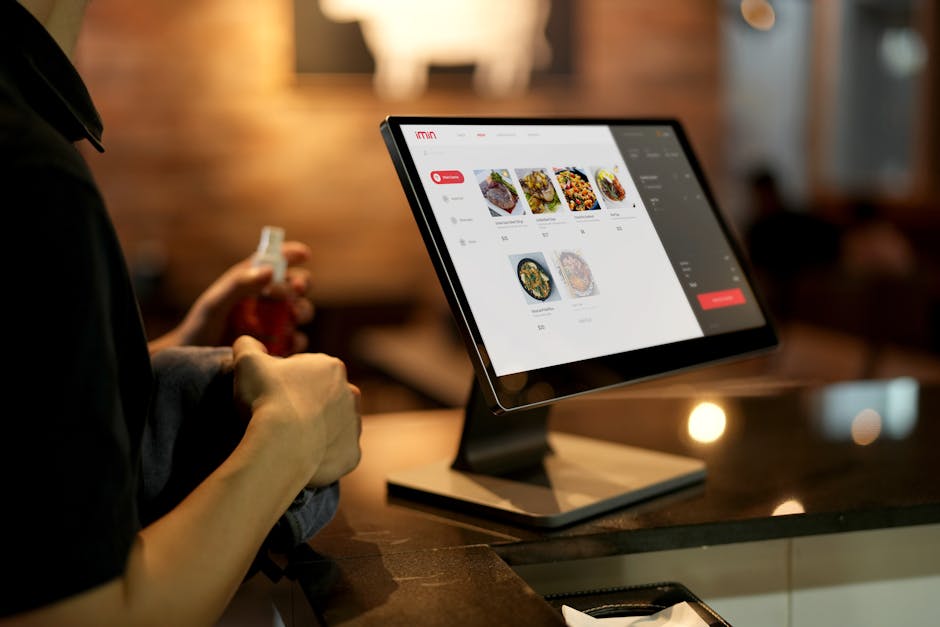
The rise of digital ordering, mobile apps, and third-party delivery services (like DoorDash or UberEats) has revolutionized the fast food environment. Managers now oversee a "multi-channel" kitchen. This adds a layer of complexity; the kitchen staff must balance the needs of customers waiting in the drive-thru, customers ordering at the counter, and incoming digital orders.
Managers must troubleshoot technical issues with Point of Sale (POS) systems and digital display screens (KDS). They are responsible for ensuring that order accuracy remains high even when the order volume is fragmented across multiple platforms. This requires optimizing the kitchen layout to create a "make-line" that can handle high volumes of various order types without bottlenecking. Mastery of these digital systems is now a prerequisite for professional advancement within the industry.
Training, Certifications, and Career Path
A career as a fast food restaurant manager often begins in the ranks of crew member or shift supervisor. Most major chains—such as McDonald’s, Wendy’s, or Taco Bell—have internal certification programs. These programs move through levels, beginning with basic food handling and ending with complex P&L management and regional operations training.
Many managers also seek industry-recognized certifications, such as the ServSafe Manager certification. This credential is widely respected and, in many regions, legally required. As for career progression, a successful manager might be promoted to an Area Coach or Multi-Unit Manager, where they oversee the performance of five to ten locations. From there, the path often leads to corporate operations, training, or human resources departments. The skills acquired—logistics, team leadership, financial forecasting, and crisis management—are highly transferable to other retail and management sectors.
The Psychological Demands and Resilience
The environment of a fast food restaurant is physically and mentally demanding. Managers work long, irregular hours, including nights, weekends, and holidays. They are on their feet for the majority of their shifts and must remain calm under the constant pressure of timers, customer complaints, and equipment malfunctions.
Resilience is a core competency. A manager must be able to move past a poor shift, analyze what went wrong, and implement corrective actions for the next day. The ability to compartmentalize stress and focus on the immediate tasks—ensuring the next burger is cooked correctly or the next lobby mess is cleaned—is what keeps a restaurant running smoothly. Managers often cite the fast-paced nature of the work as an adrenaline-fueled challenge that prevents the stagnation often found in desk-bound corporate roles.
Strategy for Long-Term Success
To excel in this role, a manager must move from being "reactive" to "proactive." Reactive managers spend their time putting out fires—handling customer complaints and fixing daily errors. Proactive managers, by contrast, focus on training and systems that prevent these issues from occurring in the first place. This includes:
- Standardized Training: Implementing a rigorous mentorship program where new hires are paired with senior staff.
- Inventory Discipline: Performing weekly counts that are accurate down to the individual unit to prevent theft and waste.
- Communication: Conducting brief, high-energy pre-shift meetings to align the team on daily goals and expectations.
- Vendor Management: Building strong relationships with supply chain partners to ensure that product quality is consistent and delivery schedules are met.
The Future of Fast Food Management
As automation and artificial intelligence (AI) continue to infiltrate the restaurant industry, the manager’s role will shift further toward technology integration. AI-driven forecasting is already becoming the standard for predicting customer flow, and automated fry stations or robotic kiosks are changing the nature of labor. The future manager will likely spend less time performing manual labor and more time analyzing data dashboards and overseeing the maintenance of automated systems.
Despite these technological advancements, the human element will remain irreplaceable. No algorithm can manage the interpersonal dynamics of a team or provide the hospitality that turns a one-time customer into a regular. The managers who thrive in the coming decade will be those who can blend technical proficiency with exceptional soft skills, ensuring that their team operates as a cohesive unit that delivers high-quality service at speed.
Conclusion
Becoming a fast food restaurant manager is a journey of continuous improvement. It is a profession that demands high standards, technical knowledge, and the ability to inspire a team during high-pressure situations. For those with a penchant for operations and leadership, it offers a fast-tracked education in the fundamentals of business management. By mastering the delicate balance between the profit-driven requirements of the P&L and the people-driven requirements of the staff, the restaurant manager secures not only the success of their establishment but also their own long-term professional growth in the competitive global food service market. The role is challenging, yes, but for the right individual, it is one of the most rewarding and dynamic positions in the retail world.