Mastering the Job Interview Mindset A Strategic Framework for Authenticity and Professional Presence
The traditional landscape of the corporate recruitment process is undergoing a significant shift, moving away from the rigid, interrogative structures of the past toward a model centered on mutual value and authentic exchange. In the modern labor market, the psychological state of the candidate has emerged as a primary determinant of success, often outweighing technical qualifications alone. Professional career strategists and organizational psychologists are increasingly emphasizing that the "mental state" a candidate brings into the interview room dictates the trajectory of the conversation, the perception of their authority, and ultimately, the likelihood of a job offer.
The Psychological Paradox of Performance
One of the most counterintuitive findings in performance psychology is the "paradox of presence." Conventional wisdom suggests that a candidate should be highly caffeinated, hyper-alert, and meticulously rehearsed. However, emerging perspectives in career coaching suggest that a state of slight physical exhaustion or "wringing out" can actually enhance a candidate’s performance. When a candidate has faced a minor logistical setback—such as a flat tire or a delayed transit connection—the resulting physical depletion can lower defensive barriers.
In this state, the candidate is often more "present." The nervous energy, frequently characterized as "mewly" or overly solicitous behavior, is replaced by a grounded, authentic demeanor. By reducing the intensity of the "fight or flight" response, the candidate can engage in a more natural dialogue. This shift in energy is critical; when a candidate enters a room with a desperate "please hire me" disposition, they inadvertently signal a lack of professional agency. Experts note that this frequency of desperation often attracts authoritarian or fearful managers who seek compliant employees rather than collaborative partners.
The Chronology of Preparation: A 48-Hour Strategic Framework
To achieve a state of professional equanimity, preparation must extend beyond rehearsing answers to common questions. It requires a comprehensive logistical and psychological "sweep" to minimize cognitive load on the day of the event.
T-Minus 24 Hours: The Logistical Audit
The night before the interview serves as the foundation for confidence. Industry experts recommend a "zero-variable" approach. This includes:
- Wardrobe Finalization: Laying out every component of the professional attire, from undergarments to accessories, and physically trying them on to ensure there are no unforeseen malfunctions, such as tears or fit issues.
- The Reconnaissance Run: Performing a physical "test drive" or transit rehearsal to the interview location. This identifies potential scaffolding, obscured building numbers, or parking complexities that could induce panic on the morning of the interview.
- Asset Management: Preparing a padfolio containing a notepad, high-quality pens, business cards, and multiple copies of a "Human-Voiced Resume"—a format that emphasizes personal narrative and impact over sterile bullet points.
The Morning of the Interview: Physiological Regulation
On the day of the engagement, the focus shifts to regulating the nervous system. Rather than engaging in last-minute cramming, candidates are encouraged to utilize exercise and mindfulness. Brisk physical activity, such as ten minutes of jumping jacks or a short run, can burn off excess cortisol. This physical exertion helps quiet the "anxious brain," allowing the candidate to enter the interview in a relaxed, focused state.
Data and the "Hiring Pain" Analysis
Success in a high-stakes interview is predicated on the candidate’s ability to shift the perspective from their own need for a job to the employer’s need for a solution. According to data from the Society for Human Resource Management (SHRM), the average cost-per-hire in the United States is approximately $4,700, though this figure can escalate significantly for specialized roles.

Employers do not initiate the hiring process for recreation; they do so because there is "hiring pain"—a specific business problem that remains unsolved or a revenue stream that is stagnant due to a vacancy. A candidate’s primary objective is to identify this pain point. This requires deep research into the company’s website, recent press releases, and LinkedIn profiles of the leadership team. By understanding why the role exists, the candidate can position themselves as a consultant rather than a supplicant.
The Memory Gap and the "Sheepie" Trap
A significant challenge in the recruitment process is the "managerial memory gap." In a series of interviews, hiring managers often struggle to distinguish between candidates who provide "perfect" but generic answers. This phenomenon is frequently illustrated in post-interview debriefs where managers fail to recall specific candidates despite their qualifications.
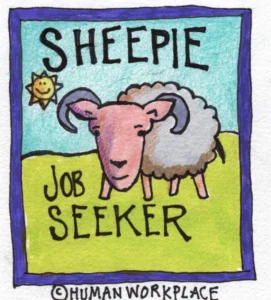
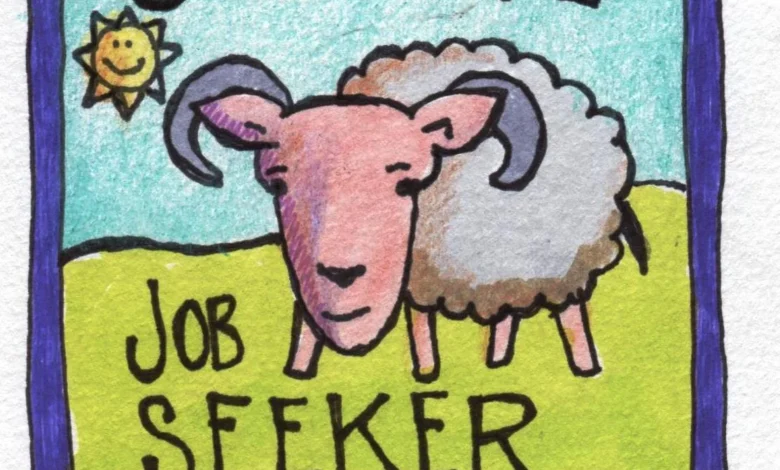
When a candidate follows a "Good Little Sheepie" script—answering questions in the way they believe the interviewer wants to hear—they become a commodity. They lose their unique professional identity and fail to leave a lasting impression. To counter this, candidates are encouraged to "spin the table." This involves:
- Authentic Disclosure: Providing honest, narrative-driven answers rather than rehearsed corporate jargon.
- Bi-directional Evaluation: Asking sophisticated questions that probe the company’s culture, challenges, and expectations.
- Presence Over Perfection: Prioritizing the human connection over the "correctness" of the response.
Analysis of Workplace Implications
The shift toward "human-voiced" interviewing has broader implications for organizational health. When candidates approach interviews with the mindset that they are "perfect in themselves" and do not "need" the job in a way that compromises their dignity, they set the stage for a healthier employer-employee relationship.
If a candidate projects a willingness to walk away if the fit is not mutual, they establish professional boundaries from day one. Conversely, radiating a "beggar" energy often leads to placement in toxic work environments. Managers who respond positively to desperation are frequently those who utilize emotional leverage or "emotional abuse" as a management tool. Therefore, the courage to remain authentic is not just a tactical interview strategy; it is a defensive measure against future workplace dysfunction.
Post-Interview Protocol: Reflection and Growth
The conclusion of the interview does not mark the end of the learning cycle. Professional development experts suggest a structured post-game analysis:
- Immediate Decompression: Engaging in a relaxing activity, such as a walk or a favorite meal, to signal to the nervous system that the "threat" has passed.
- The "Wise Bestie" Review: Discussing the details of the conversation with a trusted peer. This external perspective can help identify nuances and observations that the candidate may have missed due to their internal focus.
- Note Capture: Recording the questions asked and the insights gained before the details fade. This creates a repository of institutional knowledge for future interactions with the same company or similar roles in the industry.
Conclusion: The Evolution of Professional Courage
For decades, the job interview has been viewed as a performance where the candidate is a performer and the interviewer is a judge. However, the modern perspective reframes this as a meeting of equals. Courage, in this context, is defined as the ability to treat every interview with the same level of detachment and authenticity, regardless of the candidate’s financial situation.
By focusing on physical presence, logistical preparedness, and a deep understanding of the employer’s challenges, candidates can transcend the "sheepie" archetype. The ultimate goal is not merely to get hired, but to find a professional environment where one’s "flame" can grow rather than be squashed. As the labor market continues to evolve, those who bring their full, authentic selves to the table will remain the most memorable and, ultimately, the most successful.