MuleSoft and the Strategic Evolution of Corporate Culture in the Modern Technology Sector
In the competitive landscape of Silicon Valley, where technical talent is often viewed as the primary currency of success, the emphasis on organizational culture has shifted from a secondary consideration to a foundational business strategy. This shift was notably exemplified in early 2015 by MuleSoft, a provider of integration software for connecting applications, data, and devices. At the time, the San Francisco-based company had reached a critical milestone, employing approximately 500 individuals globally and securing a position among the top 50 companies to work for in America, according to rankings by the career site Glassdoor. This recognition underscored a broader trend in the technology industry: the realization that sustainable growth is inextricably linked to the environment in which employees operate and the cultural values that guide their interactions.
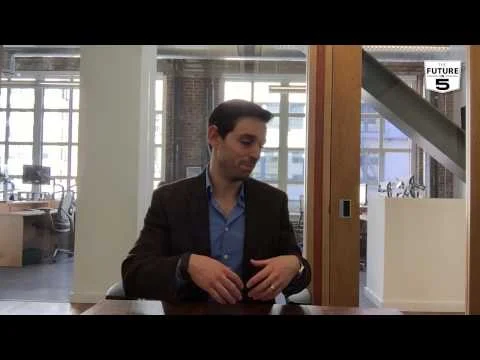
The focus on MuleSoft’s internal dynamics gained significant attention through the "Future in 5" series hosted by futurist and author Jacob Morgan. During a site visit to the company’s San Francisco headquarters, Morgan highlighted how the physical office environment, communication protocols, and leadership involvement coalesce to form a distinct corporate identity. This investigation into MuleSoft’s operations arrived at a pivotal moment for the company, as it was navigating the transition from a rapidly growing startup to a dominant player in the enterprise software market. The company’s approach to culture was not merely about aesthetic perks or casual dress codes, but rather a deliberate architecture designed to maintain high performance and employee retention during periods of intense scaling.
The Architect of Culture: Leadership and the Hiring Process
Central to the MuleSoft cultural narrative is the role of its leadership, specifically former CEO Greg Schott. In the mid-2010s, Schott implemented a rigorous hiring protocol that was rare for a company of its size. Despite overseeing hundreds of employees, Schott maintained a policy of personally interviewing every candidate before an offer was extended. This "last line of defense" strategy was designed to ensure that every new hire was not only technically proficient but also a "cultural fit"—a term that, in MuleSoft’s context, referred to an alignment with the company’s core values of transparency, ownership, and collaborative problem-solving.
The logic behind this executive involvement was rooted in the belief that culture is a fragile asset that can be easily diluted during phases of rapid expansion. By involving the CEO in the final stages of recruitment, the company sent a clear signal to prospective employees about the importance of their role within the larger organizational framework. This practice also allowed the leadership team to maintain a pulse on the caliber of talent entering the organization and to reinforce the company’s mission directly to every newcomer. In later reflections, Schott and other executives noted that this process helped prevent the "B-player" trap, where early-stage excellence is eroded by a series of average hires who do not share the founders’ original intensity or vision.
Historical Context and the Rise of the API Economy
To understand why culture was so vital to MuleSoft, one must look at the technical challenges the company was founded to solve. Established in 2006 by Ross Mason, MuleSoft was born out of the frustration associated with "donkey work"—the tedious, repetitive task of writing custom code to connect disparate systems. The name "Mule" was a nod to the company’s mission to take the "heavy lifting" out of data integration. As the world moved toward a cloud-based infrastructure, the need for a unified platform to manage Application Programming Interfaces (APIs) became paramount.
By 2015, MuleSoft was at the center of the "API Economy," a term used to describe the way businesses use APIs to create new products and services and streamline internal operations. Because the work was highly technical and required a deep understanding of complex enterprise architectures, the company needed a workforce that was both highly skilled and resilient. The corporate culture was therefore designed to support "deep work" while fostering the cross-functional communication necessary to solve integration problems that crossed departmental lines.
Supporting Data: Glassdoor Rankings and Employee Sentiment
The 2015 Glassdoor "Employees’ Choice Awards" provided empirical weight to the claims regarding MuleSoft’s superior culture. Unlike other corporate awards that are decided by a panel of judges, the Glassdoor rankings are based entirely on anonymous feedback from employees who provide insights into their job, work environment, and employer. MuleSoft’s inclusion in the top 50 was a reflection of high scores in several key categories:
- CEO Approval Rating: Greg Schott consistently maintained an approval rating above 90%, suggesting that the leadership’s vision was well-communicated and respected by the rank-and-file.
- Career Opportunities: Employees frequently cited the ability to grow within the company and take on challenging projects as a primary reason for their satisfaction.
- Work-Life Balance: Despite the high-pressure environment of a pre-IPO tech company, MuleSoft was recognized for providing flexibility and a supportive atmosphere.
- Compensation and Benefits: While competitive, the data suggested that employees valued the "cultural perks"—such as the sense of community and mission—as much as the financial rewards.
At the time of the 2015 report, the average overall rating for companies on Glassdoor was approximately 3.2 on a 5-point scale. MuleSoft’s rating hovered significantly higher, placing it in the same tier as established giants like Google and Facebook, as well as rising stars like Airbnb and LinkedIn.
The Physical and Psychological Environment
Jacob Morgan’s exploration of the MuleSoft office highlighted the "physical" pillar of employee experience. In 2015, the San Francisco headquarters was designed to reflect a balance between transparency and functionality. Open-plan layouts were utilized to break down hierarchical barriers, but they were supplemented with quiet zones and collaborative spaces. This physical configuration was a manifestation of the company’s communication philosophy: information should flow freely, and managers should be accessible.
However, the "psychological" environment was equally important. MuleSoft fostered a culture of "extreme ownership," where employees were encouraged to take full responsibility for their projects. This was supported by a transparent communication style where business metrics, challenges, and goals were shared openly across the organization. This level of transparency was intended to build trust and ensure that every employee understood how their individual contributions impacted the company’s bottom line.
Chronology of Growth and Strategic Milestones
The trajectory of MuleSoft from its 2015 cultural peak to its eventual multi-billion dollar valuation follows a clear path of strategic scaling:
- 2006: Founded by Ross Mason to simplify data integration.
- 2013: Greg Schott leads a $37 million funding round, signaling the company’s intent to dominate the API management space.
- 2015 (January): MuleSoft is recognized by Glassdoor as a Top 50 employer; Jacob Morgan highlights the culture in the "Future in 5" series.
- 2015 (May): The company raises an additional $128 million in funding, bringing its valuation to $1.5 billion and officially reaching "unicorn" status.
- 2017: MuleSoft goes public on the New York Stock Exchange (NYSE: MULE), with its stock price soaring on the first day of trading.
- 2018: Salesforce announces the acquisition of MuleSoft for approximately $6.5 billion, one of the largest acquisitions in the history of the cloud software industry.
This timeline illustrates that the focus on culture in 2015 was not a distraction from business goals, but rather a catalyst for them. The ability to attract and retain top-tier talent through a strong culture directly enabled the technical innovations and sales growth that led to the Salesforce acquisition.
Broader Impact and Implications for the Future of Work
The MuleSoft case study offers several insights into the broader evolution of the global workplace. First, it demonstrates that culture is not a static set of "fun" perks but a dynamic system of behaviors and values. As Jacob Morgan noted in his analysis, the future of work is defined by three variables: the physical workspace, the technology used to get work done, and the culture that binds the organization together. MuleSoft’s success was a result of optimizing all three.
Furthermore, the "Schott Model" of executive involvement in hiring has been adopted by various other high-growth startups seeking to preserve their DNA. It serves as a rebuttal to the idea that leadership must become distant as a company grows. Instead, it suggests that the larger a company becomes, the more intentional the leadership must be about reinforcing its core identity.
From a market perspective, the MuleSoft story reinforced the "culture-to-value" pipeline. Investors began to look more closely at employee satisfaction metrics as a leading indicator of a company’s long-term health. High turnover and low morale were increasingly viewed as "technical debt" that would eventually hinder a company’s ability to innovate and compete.
Conclusion
In retrospect, the 2015 snapshot of MuleSoft serves as a masterclass in organizational design. By prioritizing the employee experience during a phase of rapid global expansion, the company built a resilient foundation that could withstand the pressures of an IPO and a massive acquisition. The integration of CEO-led hiring, transparent communication, and a mission-driven environment created a competitive advantage that was difficult for rivals to replicate. As the nature of work continues to evolve toward more distributed and digital-first models, the lessons from MuleSoft’s culture-centric approach remain highly relevant for any organization seeking to achieve sustainable excellence in the modern era.