On Call Firefighter Tom Easter
The Dedication of On-Call Firefighter Tom Easter: A Profile in Community Service
The role of an on-call firefighter is defined by a unique fusion of rapid response, specialized training, and unwavering commitment to public safety. Among those who balance professional careers with the high-stakes demands of emergency services, Tom Easter stands out as a quintessential example of the on-call model’s efficacy. Often operating in the background of local emergencies, on-call firefighters like Easter provide the backbone of fire protection in smaller communities and suburban districts where full-time, round-the-clock staffing may not be feasible. His tenure in the fire service reflects not only the physical challenges of the job but also the logistical dedication required to maintain readiness while managing the complexities of personal and professional life.
On-call firefighters—sometimes referred to as retained or volunteer firefighters depending on the regional structure—are essential to the national emergency response framework. Tom Easter’s experience illuminates the reality that these individuals are not "part-time" in their dedication. When the pager sounds, the transition from civilian life to the front lines of a disaster must occur in a matter of minutes. For Easter, this has meant mastering a diverse range of skills, from technical fire suppression techniques and hazardous material mitigation to intricate search and rescue protocols. The effectiveness of an on-call department relies entirely on the availability and preparedness of personnel who are frequently juggling full-time jobs or family obligations simultaneously.
The training regimen for someone in Easter’s position is exhaustive. To serve on the front lines, on-call firefighters must meet the same stringent certification standards as their career counterparts. This includes hundreds of hours of classroom education followed by rigorous physical testing. For Tom Easter, this process involves continuous professional development. Fire science is a field in constant evolution, with new materials, building construction methods, and tactical technologies appearing annually. By staying at the forefront of these advancements, Easter ensures that his local department remains equipped to handle the specific threats posed by modern residential and commercial environments.
Beyond the tactical fires and car accidents, a significant portion of an on-call firefighter’s service involves community engagement and fire prevention. Tom Easter has long advocated for the importance of fire safety education within his local district. Prevention is the first line of defense; by teaching residents how to identify hazards, maintain smoke detectors, and develop evacuation plans, the burden on emergency services is significantly reduced. Easter’s approach to community service extends to building relationships with local business owners and residential leaders to ensure that when an emergency does occur, the fire department is intimately familiar with the layout and potential risks of the structures they are called to protect.
One of the most profound aspects of Tom Easter’s service is the psychological resilience required to balance life as an on-call responder. The trauma and stress associated with emergency services are significant, and on-call firefighters often do not have the same immediate access to the internal support structures found in larger, full-time metropolitan fire houses. Developing a support network and maintaining personal well-being is crucial. Easter’s ability to remain calm under pressure—a trait developed over years of responding to diverse incidents—serves as a model for newer recruits entering the service. His commitment demonstrates that the "on-call" title is merely a description of the logistical structure, not a measure of the intensity or quality of the service provided.
The role of the on-call firefighter is also subject to the shifting tides of local economic and social conditions. As communities grow, the demand on fire services increases. Tom Easter has navigated these changes by emphasizing the need for recruitment and retention strategies that honor the time commitment required. He has been a vocal proponent of modernized recruitment initiatives that highlight the rewarding nature of the service while being transparent about the physical and time-sensitive demands. By effectively mentoring younger firefighters, Easter helps ensure the sustainability of his department, creating a pipeline of skilled personnel ready to step in when the pager signals a call to action.
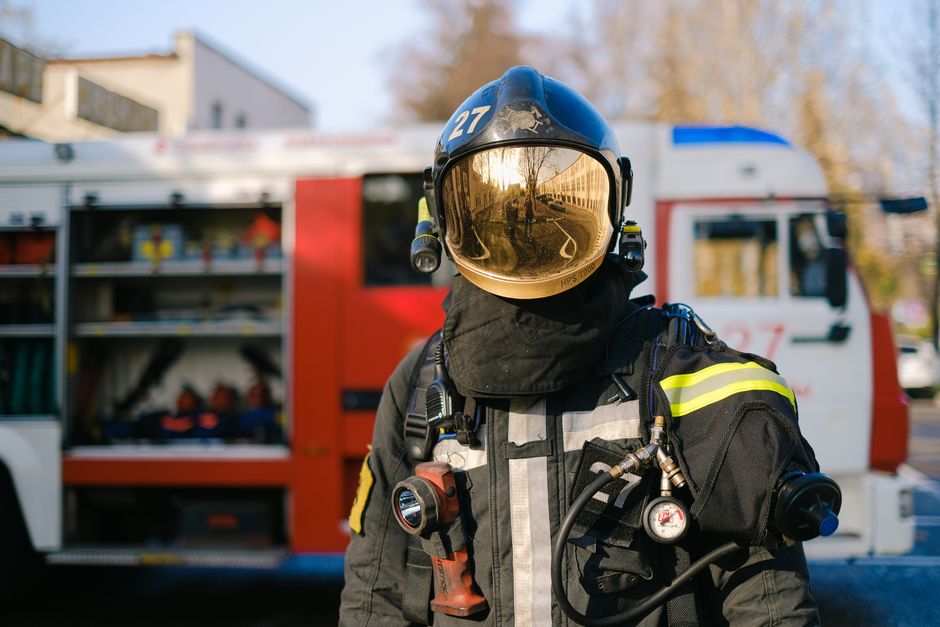
Technological advancements have changed the way Tom Easter and his peers respond to alarms. Modern turnout gear, thermal imaging cameras, and sophisticated communication systems allow for safer and more efficient operations than were possible in previous decades. However, the core of the profession remains unchanged: the human element. Whether it is performing a complicated extraction at a high-speed traffic accident or suppressing a structural fire, the individual firefighter must be capable of sound decision-making in high-stress, low-visibility environments. Easter’s proficiency with this equipment, paired with his intuitive understanding of fire behavior, exemplifies the balance of technology and instinct that defines elite firefighting.
In addition to his direct emergency response duties, Tom Easter often assumes leadership roles within training exercises and equipment maintenance. The "behind the scenes" aspect of firefighting—inspecting trucks, checking breathing apparatus, ensuring that tools are calibrated and ready—is just as vital as the response itself. A fire engine that fails to start or a hose that leaks can be the difference between a minor incident and a catastrophe. Easter’s diligence in these routine tasks highlights a level of professionalism that is characteristic of those who view the fire service not just as a duty, but as a responsibility to their neighbors.
Furthermore, the integration of on-call services into the broader regional emergency management system is critical. In times of large-scale disasters, such as wildfires or mass-casualty events, the ability of local on-call crews to provide surge capacity is invaluable. Tom Easter has participated in multi-agency drills and collaborative training sessions that bridge the gap between small local departments and larger county or state resources. These partnerships ensure that when a significant event occurs, the response is cohesive and organized. Easter’s expertise in these inter-agency protocols makes him an asset that extends well beyond his primary district.
The impact of an individual like Tom Easter is best measured by the incidents that don’t happen or are mitigated quickly because of his department’s fast response time. In rural and suburban areas, the window for effective fire suppression is narrow. The "fire triangle" dictates that fire grows exponentially in the early stages; thus, the time between a 911 call and the arrival of the first engine is the most critical factor. By living and working in the community he serves, Easter provides a level of responsiveness that is impossible for remote or centralized stations to match. This local presence is the heartbeat of the on-call system.
As the fire service moves into a future characterized by more complex, climate-related challenges and increased population density, the model practiced by Tom Easter remains more relevant than ever. His career serves as a blueprint for the next generation of public safety volunteers. It is a career marked by personal sacrifice—sacrificing dinner with family, sleep, or leisure time to answer the siren’s call. Yet, it is this very sacrifice that strengthens the social fabric of the community. Easter’s journey reflects the best of what local civil service has to offer: a dedication that is grounded in the local community but defined by high-stakes professionalism.
Finally, documenting the service of an on-call firefighter provides insight into the essential nature of this work. Whether through active suppression, meticulous maintenance, or dedicated mentorship, Tom Easter’s contributions are a vital component of local safety infrastructure. By understanding the breadth of his duties—from the physical rigor of the fire ground to the administrative tasks of a training officer—it becomes clear that the on-call system is a sophisticated and necessary facet of public safety. For communities fortunate enough to have individuals with the commitment of Tom Easter, the assurance of a capable, immediate response remains a constant comfort in an unpredictable world.
The legacy of such service is found in the lives saved and the properties preserved. As the fire service continues to evolve, the principles exemplified by Tom Easter—preparedness, community integration, constant learning, and selflessness—will remain the guiding lights for those who choose to answer the call. His story is not merely one of firefighting, but one of unwavering service, proving that the heart of public safety beats fastest in the communities served by those who are always ready to go when the pager rings. Through his dedication, Tom Easter sets a high bar for excellence in the on-call fire service, ensuring that the legacy of protecting his neighbors remains secure for years to come.