Facebook Ads Benchmarks 2026: Advertisers See Cheaper Clicks and Stronger Engagement as Meta Gains Efficiency

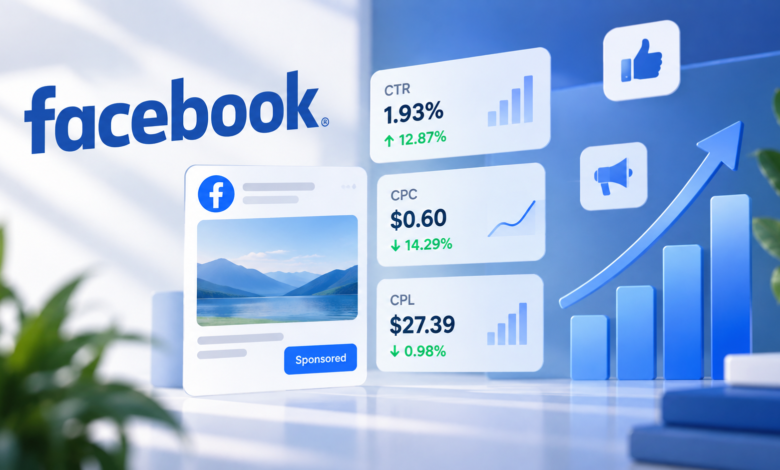
The digital advertising landscape underwent a notable transformation throughout 2026, as new benchmark data released by WordStream by LocaliQ reveals a significant shift in the cost-efficiency of Facebook advertising. According to the report, which synthesized performance metrics from nearly 1,800 distinct ad campaigns, marketers are currently navigating a environment characterized by lower costs-per-click (CPC) and higher engagement rates. While the cost-per-lead (CPL) has remained largely stagnant across the board, the overall improvement in traffic acquisition suggests that Meta’s underlying algorithmic infrastructure has become substantially more refined, offering a reprieve to brands grappling with rising costs in other digital channels.
The 2026 Shift: A Statistical Overview
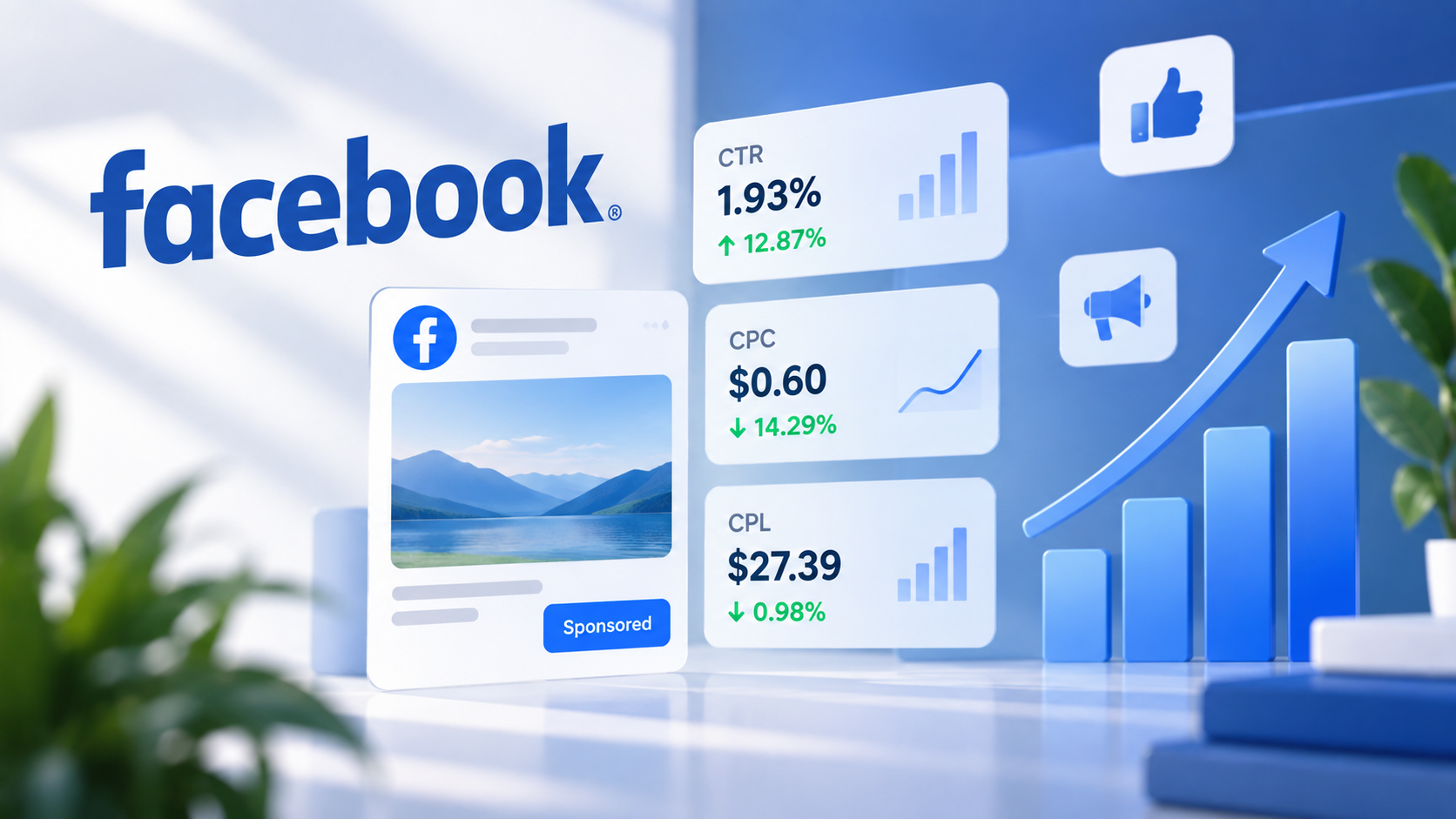
The data highlights a clear divergence between traffic-focused campaigns and lead-generation efforts. Advertisers prioritizing website traffic experienced a particularly successful year, marked by a 14% reduction in average CPC alongside a nearly 13% improvement in click-through rates (CTR). This combination is highly favorable for brands, as it implies that the advertisements are not only reaching users at a lower price point but are also resonating more effectively with the target audience.
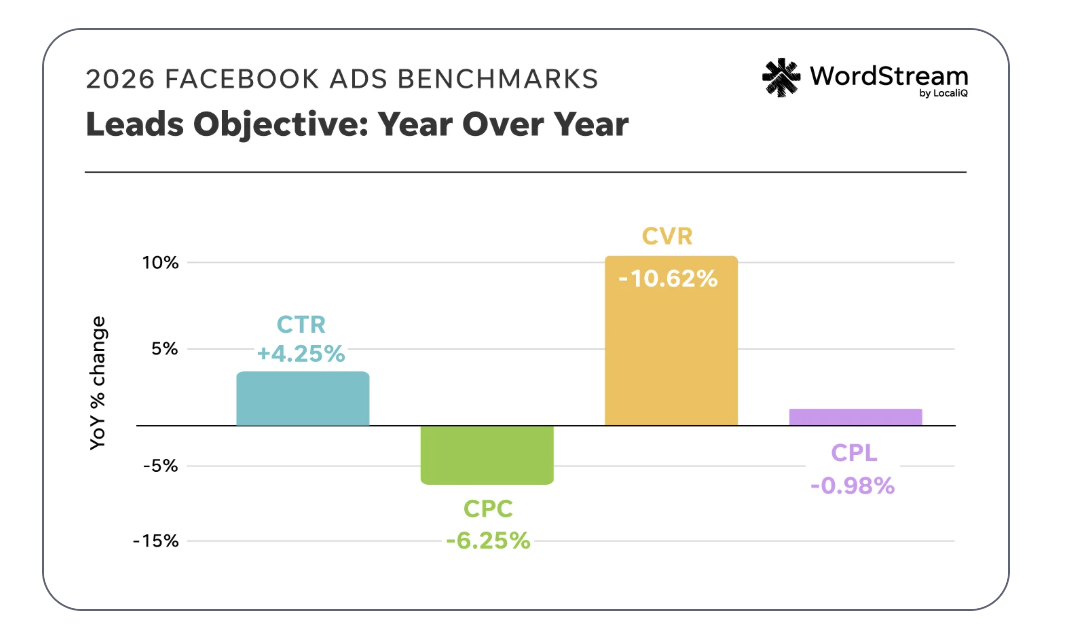
In contrast, lead-generation campaigns presented a more nuanced picture. While the cost to secure a click in these campaigns also trended downward, the CPL remained largely flat. This indicates that while it has become cheaper to bring users into the conversion funnel, the subsequent cost of capturing their information—the conversion—has leveled off. This stability in lead costs suggests that while Facebook’s top-of-funnel efficiency has increased, the competitive dynamics of lead capture have reached a point of saturation.
Industry-Specific Performance Trends
The impact of these trends varied significantly depending on the sector. For traffic campaigns, the year was defined by a massive correction in pricing. Real Estate, a sector historically plagued by high advertising costs, saw the most significant improvement, with CPCs dropping by 39.56%. This was mirrored in other high-intent industries, with Restaurants and Food seeing a 37.50% decrease and the Industrial and Commercial sector experiencing a 37.21% drop.
Conversely, a small minority of sectors faced inflationary pressures. The Shopping, Collectibles, and Gifts category saw traffic CPCs climb by 73.53%, likely due to increased competition during peak retail windows. Similarly, Sports and Recreation reported a 43.90% increase in traffic CPCs.
The narrative for lead campaigns followed a similar pattern of efficiency. Automotive sales saw CPCs plummet by 44.17%, while the Dental services sector recorded a 41.72% decline. These shifts are particularly noteworthy as they suggest that Facebook’s machine learning models are becoming more adept at identifying high-intent users, thereby reducing wasted ad spend. Only a few niches, such as Education and Instruction, bucked the trend with a modest 4.24% increase in lead campaign CPCs.
Analyzing the Meta Optimization Engine
Industry analysts have attributed these performance gains to Meta’s ongoing investments in AI-driven bidding and campaign optimization. Over the past 24 months, Meta has aggressively rolled out tools such as Advantage+, which utilizes machine learning to automate creative testing, audience targeting, and budget allocation.

By removing the need for manual micro-management, these tools allow the platform to serve ads to users who are statistically more likely to engage, regardless of whether the advertiser has perfectly defined the audience. This move toward "black-box" optimization appears to be paying dividends for the average advertiser. By lowering the barrier to entry and improving the efficiency of ad delivery, Meta is effectively competing more aggressively against search-based advertising platforms.
Comparative Landscape: Facebook vs. Google
A critical element of the 2026 data is the comparison between Meta’s social ecosystem and Google’s search-based model. Historically, Google Ads has been the gold standard for high-intent capture, as users searching for specific keywords are often closer to the point of purchase than those scrolling through a social feed. However, the gap in cost is becoming difficult for marketing departments to ignore.
WordStream’s analysis indicates that Google Ads CPC is currently more than double the average CPC observed on Meta platforms. While Google retains the advantage in terms of user intent—capturing consumers who are explicitly looking for a solution—the sheer volume and reduced cost of Facebook traffic present a compelling case for budget reallocation. For many organizations, the ability to generate a significantly higher volume of traffic for the same budget on Facebook has led to a strategic shift, with many firms rebalancing their paid social and paid search portfolios to favor the efficiency of the Meta ecosystem.
The Cost-Per-Lead Reality Check
While traffic metrics look optimistic, the CPL data provides a reality check for those expecting costs to drop across the entire funnel. The variation in CPL by industry remains stark. Sectors with higher price points or more complex sales cycles continue to pay a premium for leads, while others have successfully tapped into more affordable acquisition channels.

The report underscores that CPL is a function of both platform efficiency and market competition. Even as Meta lowers the cost of the click, the cost of the lead is dictated by the value of the customer to the business. As such, the stability of CPL in 2026 suggests that the market has reached a new equilibrium where the ease of traffic acquisition is balanced by the competitive cost of converting that traffic into a tangible lead.
Broader Economic and Strategic Implications
The 2026 benchmarks arrive at a time when marketing departments are under increasing pressure to demonstrate clear return on investment (ROI). With interest rates and operational costs putting a strain on corporate budgets, the efficiency gains identified in the Facebook data provide a tactical advantage for advertisers.
The primary takeaway for marketing leaders is that the strategy of "choosing" between traffic and performance is becoming obsolete. Because Facebook’s optimization engine is effectively driving both cheaper traffic and better engagement simultaneously, brands no longer need to sacrifice one for the other. This dual benefit allows for more aggressive scaling of campaigns.
Furthermore, the data suggests that the "Meta Advantage" in 2026 is one of scale and precision. As the platform continues to refine its algorithms, the dependency on third-party data is decreasing, as the platform’s internal signal processing becomes sufficient to drive performance. For advertisers, this means less reliance on complex tracking setups and more reliance on the platform’s native tools.
Conclusion and Future Outlook
As we look toward the remainder of the decade, the trend of increasing efficiency on social platforms appears sustainable, provided Meta maintains its pace of innovation in AI and automated bidding. The 2026 benchmarks confirm that Facebook has successfully navigated the challenges of a post-privacy-focused digital landscape, pivoting toward an environment where algorithmic efficiency compensates for the limitations on granular user tracking.
For businesses currently utilizing Facebook for their advertising needs, the primary advice derived from this data is to lean into the platform’s automation features. The days of manual audience segmenting are increasingly giving way to broad-match targeting, where the algorithm dictates the delivery. By embracing these changes, advertisers can better leverage the lower costs and higher engagement rates that defined the 2026 landscape.
While the fluctuations in specific industries—such as the massive CPC swings in real estate versus the retail sector—show that market dynamics still matter, the overall trend is one of increased accessibility. As Meta continues to bridge the gap between social discovery and transactional intent, the platform remains a cornerstone of the modern digital marketing mix, offering a level of cost-efficiency that is difficult for competitors to match in the current economic climate. Whether this trend continues into 2027 will depend on further advancements in generative AI-led ad creative and the continued evolution of Meta’s bidding infrastructure.