The Psychological and Tactical Evolution of Modern Job Interview Strategies From Compliance to Authenticity
The contemporary labor market is witnessing a fundamental shift in the power dynamics between employers and prospective employees, moving away from a traditional "supplicant" model toward one of mutual evaluation and authentic engagement. As the global economy grapples with shifting talent requirements and the rise of specialized skill sets, the psychological preparation and tactical execution of the job interview have become critical focal points for organizational psychologists and career strategists alike. Historically, the interview was viewed as a unidirectional interrogation where the candidate sought to provide the most "correct" or pleasing response. However, emerging data and expert analysis suggest that the most successful placements occur when candidates prioritize authenticity, physical presence, and a deep understanding of the employer’s "business pain" over scripted compliance.
The Psychological Paradox of Interview Performance
A significant challenge for job seekers is the management of performance anxiety, which often manifests as a desire to please the interviewer at the expense of genuine personality. Organizational behaviorists note that when a candidate is overly invested in the outcome—approaching the meeting with a "please hire me" mentality—it often triggers a submissive psychological state. This state, characterized by "mewly" or nervous behavior, can diminish a candidate’s perceived authority and credibility.
Interestingly, anecdotal evidence and psychological studies suggest that a state of slight physical exhaustion or a "detached" mental state can actually improve interview outcomes. This phenomenon occurs because physical fatigue can bypass the "anxious brain," allowing the candidate to be more present and less prone to over-rehearsed, artificial responses. When the stakes are mentally lowered—either through a "nothing to lose" attitude or physical tiredness—candidates often project a level of confidence and authenticity that is highly attractive to high-level managers. This "confidence-mone" effect, akin to pheromones in the animal kingdom, serves as a non-verbal signal of competence and self-assurance.
Pre-Interview Logistics and Cognitive Load Management
To achieve a state of mental clarity on the day of an interview, experts emphasize the importance of minimizing "cognitive load"—the total amount of mental effort being used in the working memory. Strategic preparation begins 24 to 48 hours before the scheduled meeting, focusing on eliminating logistical variables that could cause last-minute stress.
The Tactical Chronology of Preparation
- Logistical Reconnaissance: Career consultants recommend a physical "test drive" of the route to the interview location. This involves identifying the exact building entrance, assessing parking availability, and accounting for potential construction or transit delays. By removing the fear of being late or lost, the candidate preserves mental energy for the actual conversation.
- Wardrobe Architecture: The night before the interview, every element of the attire should be prepared, from undergarments to accessories. This eliminates the "decision fatigue" that can occur on the morning of the event, ensuring that the candidate’s focus remains entirely on their strategic messaging.
- The "Business Pain" Analysis: Researching an employer goes beyond reading a mission statement. It involves analyzing the specific problems or "pains" the hiring manager is facing. Organizations do not hire because it is enjoyable; they hire because there are critical objectives that cannot be met without additional talent. Identifying these gaps allows the candidate to position themselves as a solution rather than a mere applicant.
The Morning-Of Regimen: Physicality and Focus
The morning of an interview should be dedicated to self-regulation. Data from the Society for Human Resource Management (SHRM) suggests that candidates who engage in physical activity prior to an interview report lower levels of cortisol, the body’s primary stress hormone. Brisk exercise, such as jumping jacks or a short run, can burn off nervous energy, leading to a more relaxed and grounded presence in the interview chair.
Furthermore, the use of music and meditation has been shown to prime the brain for high-stakes social interactions. By listening to empowering music or engaging in mindfulness, candidates can transition from a state of "fight or flight" to one of "flow," where they are more capable of listening actively and responding with nuance.
The Failure of the "Sheepie" Response Model
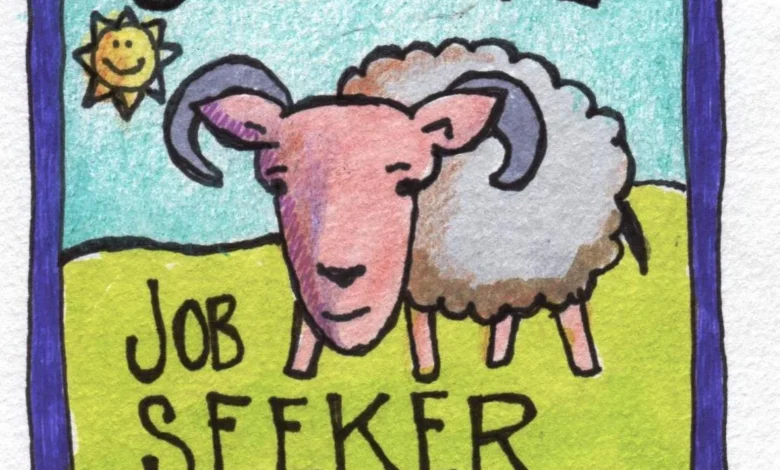
One of the most common pitfalls in modern interviewing is the "Teacher’s Pet" syndrome, where candidates attempt to guess the "correct" answer to every question. This behavior, often referred to as being a "Good Little Sheepie," frequently leads to a phenomenon where the candidate becomes entirely forgettable to the hiring manager.
Internal HR records often reveal instances where managers, after interviewing several candidates, struggle to distinguish one from another. This occurs because the candidates followed the same script, used the same buzzwords, and failed to inject any personal narrative or "human voice" into the conversation. For example, a candidate might have an impressive resume from a major firm like Motorola, but if their interview energy is passive and compliant, they leave no lasting impression on the interviewer’s memory.

To counter this, candidates are encouraged to "spin the table." This involves shifting the interview from a one-sided Q&A to a collaborative business discussion. By asking insightful questions about the company’s challenges and goals, the candidate demonstrates that they are evaluating the firm as much as the firm is evaluating them. This shift in energy signals a high level of professional maturity and mutual respect.
Supporting Data: The Cost of Misalignment
The importance of authenticity is backed by significant economic data. According to research by the Brandon Hall Group, a strong candidate experience and authentic interviewing process can improve the quality of new hires by over 70%. Conversely, when a candidate "grovels" to get a job, they may find themselves hired by a "fearful manager" who values compliance over growth.
The long-term implications of this are stark:
- Turnover Rates: Employees who enter a role through a process of "begging" are more likely to experience burnout or emotional abuse, leading to higher turnover.
- Organizational Health: Companies that hire based on sheep-like compliance rather than authentic talent often suffer from a lack of innovation and a "siloed" culture.
- Personal Growth: A candidate who hides their true self to secure a position is essentially "squashing their own flame," which hinders long-term career development and skill acquisition.
Post-Interview Analysis and Iterative Learning
The process does not conclude when the candidate leaves the building. A professional journalistic analysis of the interview experience involves a structured debrief. Career experts suggest capturing notes immediately after the meeting to record impressions, specific questions asked, and the "vibe" of the office environment.
Engaging with a "wise bestie" or a mentor to run down the details of the interview provides an external perspective that can reveal hidden insights. These observers can often spot red flags or opportunities that the candidate, caught in the moment, might have missed. This post-event reflection is not about second-guessing or self-criticism; rather, it is a form of qualitative data collection. Every interview, regardless of the outcome, serves as a "muscle-building" exercise that strengthens the candidate’s ability to navigate the professional landscape.
Broader Impact and Industry Implications
The shift toward "Human-Voiced" interviewing has broader implications for the future of work. As artificial intelligence and automated screening tools become more prevalent in the initial stages of recruitment, the "human" element of the face-to-face interview becomes even more valuable. The ability to project courage, authenticity, and strategic thinking is something that cannot be replicated by an algorithm.
Industry leaders, such as those at JP Morgan Chase and other Fortune 500 companies, have increasingly emphasized the value of "soft skills"—communication, empathy, and resilience—over rote technical knowledge. In this environment, the candidate who brings their "whole self" to the meeting is the one who stands out.
Conclusion
The modern job interview is a sophisticated psychological encounter that requires more than just a polished resume and a suit. It demands a high degree of self-awareness, physical preparation, and a willingness to be vulnerable and authentic. By treating the interview as a meeting between equals—rather than a test to be passed—candidates can find roles that truly align with their values and skills. The ultimate goal is not merely to be hired, but to be "gotten" by an employer who deserves the unique value the candidate brings. As the labor market continues to evolve, the "courage-mones" of the authentic candidate will remain their most powerful asset in securing meaningful and sustainable employment.