The Architecture of Corporate Culture and the Strategic Growth of MuleSoft
Corporate culture represents a multifaceted ecosystem that extends far beyond the physical boundaries of an office or the superficiality of employee perks. It is a complex synthesis of environmental design, interpersonal communication, and the underlying values that dictate how a workforce operates on a daily basis. In early 2015, as the technology sector in San Francisco experienced a period of rapid evolution, MuleSoft emerged as a primary case study for how organizational health directly correlates with business success. At the time, the company maintained a global workforce of approximately 500 employees and had achieved a significant milestone by being recognized by Glassdoor as one of the top 50 companies to work for in America. This recognition was not merely a result of competitive compensation or modern office aesthetics; it was the product of a deliberate, top-down strategy focused on long-term cultural sustainability.
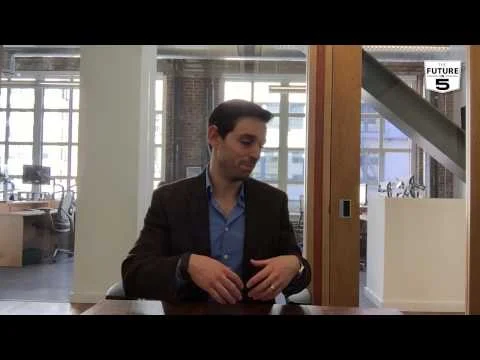
The examination of MuleSoft’s internal operations, conducted as part of the #futurein5 series, highlights a critical juncture in the "future of work" discourse. During this period, the technology industry began shifting away from the traditional "utility" model of employment—where work is viewed strictly as a transaction of labor for capital—toward an "experience" model. In this newer framework, the physical, technological, and cultural environments are designed to foster engagement and innovation. MuleSoft’s San Francisco headquarters served as a physical manifestation of this philosophy, blending collaborative spaces with a high-performance atmosphere that prioritized transparency and peer-to-peer accountability.
The Strategic Leadership of Greg Schott
A central pillar of MuleSoft’s cultural success was the direct involvement of its leadership, specifically CEO Greg Schott. While many executives at 500-person companies delegate the hiring process to human resources departments or mid-level managers, Schott maintained a rigorous practice of personally interviewing every single candidate before they were offered a position. This methodology was not a form of micromanagement but rather a strategic gatekeeping mechanism designed to ensure "cultural fit." By engaging with potential hires at every level—from entry-level engineers to senior executives—Schott was able to verify that new additions to the team shared the company’s core values and vision.
This commitment to personal vetting reflects a broader management philosophy that views culture as a scalable asset. In the high-growth environment of Silicon Valley, the greatest risk to a company’s longevity is often "cultural dilution," which occurs when rapid hiring leads to a loss of the original mission and spirit that drove early success. Schott’s strategy mitigated this risk by reinforcing a sense of ownership among employees. When a CEO invests time in the hiring process, it signals to the workforce that the human element of the business is its most valuable component.
Chronology of MuleSoft’s Evolution and Market Position
To understand the significance of MuleSoft’s cultural standing in 2015, it is necessary to examine the company’s trajectory from its inception to its eventual market dominance.
- Founding and Early Vision (2006): Founded by Ross Mason, MuleSoft (originally MuleSource) was established to solve the "donkey work" of data integration. The company’s name was derived from the idea of offloading the heavy lifting of connecting disparate software applications.
- The Shift to the Cloud (2010–2013): As businesses moved toward SaaS (Software as a Service) models, MuleSoft’s Anypoint Platform became essential for connecting on-premise systems with cloud-based applications. This period saw the company transition from a niche integration tool to a foundational layer of the modern enterprise.
- The Culture and Growth Milestone (2014–2015): By the time Jacob Morgan visited the San Francisco office in January 2015, MuleSoft had scaled to 500 employees. The Glassdoor "Best Places to Work" ranking served as a quantitative validation of their qualitative efforts. During this year, the company was also preparing for significant financial moves, having raised substantial venture capital.
- Public Offering and Expansion (2017): MuleSoft went public on the New York Stock Exchange in March 2017. The IPO was highly successful, valuing the company at nearly $3 billion. Analysts at the time pointed to the company’s low employee turnover rates and high internal morale as key indicators of its stability.
- Acquisition by Salesforce (2018): In one of the most significant software acquisitions of the decade, Salesforce acquired MuleSoft for approximately $6.5 billion. Salesforce CEO Marc Benioff cited MuleSoft’s "incredible culture" and its critical role in digital transformation as primary drivers for the deal.
Quantitative Analysis of Cultural Impact
The emphasis on corporate culture at MuleSoft was supported by data that demonstrated a clear link between employee satisfaction and organizational performance. In 2015, the "Best Places to Work" list by Glassdoor utilized a proprietary algorithm that factored in employee reviews regarding career opportunities, compensation, benefits, senior management, and work-life balance.
Statistical research from organizations like Gallup and Deloitte has consistently shown that companies with high engagement scores outperform their peers by significant margins. Specifically:
- Productivity: Highly engaged business units see a 17% increase in productivity.
- Retention: Companies with strong cultures experience 40% lower turnover rates, a critical metric in the competitive San Francisco talent market where the cost of replacing a specialized software engineer can exceed $200,000.
- Profitability: Organizations in the top quartile of employee engagement are 21% more profitable than those in the bottom quartile.
MuleSoft’s ability to maintain a top-50 ranking while doubling its headcount year-over-year was a statistical anomaly that drew the attention of industry analysts. It proved that culture does not have to be sacrificed at the altar of hyper-growth.
The Future of Work: Utility vs. Experience
The insights gathered from MuleSoft contribute to a larger framework for the future of work, categorized into three distinct environments: the physical, the technological, and the cultural.
The physical environment at MuleSoft was designed to facilitate both "deep work" and spontaneous collaboration. By moving away from the cubicle-based designs of the 20th century, the office became a tool for social engineering, encouraging cross-departmental interaction.
The technological environment focused on providing employees with the best tools to perform their jobs. At MuleSoft, this meant not only using their own integration platforms but also adopting cutting-edge communication and project management software that reduced friction and increased transparency.
The cultural environment, however, remained the most influential. It is the "vibe" or the "feeling" one gets when walking into the building. At MuleSoft, this was characterized by a lack of rigid hierarchy and a focus on meritocracy. The fact that the CEO’s podcast and interview strategies were public knowledge within the company fostered a sense of radical transparency.
Broader Implications for the Global Workforce
The MuleSoft case study offers several implications for the broader corporate world. First, it challenges the notion that corporate culture is an HR initiative; rather, it confirms that culture is a leadership imperative. When Greg Schott prioritized interviewing candidates, he set a standard for the rest of the management team.
Second, the success of MuleSoft demonstrates that "culture" is a defensive moat. In the software industry, code can be replicated and features can be copied, but a high-functioning, mission-driven team is nearly impossible to duplicate. This intangible asset was a major factor in the multi-billion dollar valuation Salesforce was willing to pay.
Finally, the 2015 snapshot of MuleSoft serves as a reminder that the most successful companies of the modern era are those that view their employees as "internal customers." By designing an experience that attracts and retains top talent, companies create a self-sustaining engine for innovation.
As the global economy continues to shift toward digital-first models, the lessons from MuleSoft’s growth period remain relevant. Organizations that fail to invest in their cultural infrastructure risk obsolescence, while those that prioritize the human element of their business are better positioned to navigate the complexities of the 21st-century marketplace. The visit to MuleSoft’s offices was more than a tour of a successful startup; it was a glimpse into a blueprint for the modern enterprise, where the quality of the culture is the ultimate predictor of the quality of the product.