The Economics of Restaurant Merchandise: Why High Pricing Models and Creative Alternatives Are Reshaping the Hospitality Industry

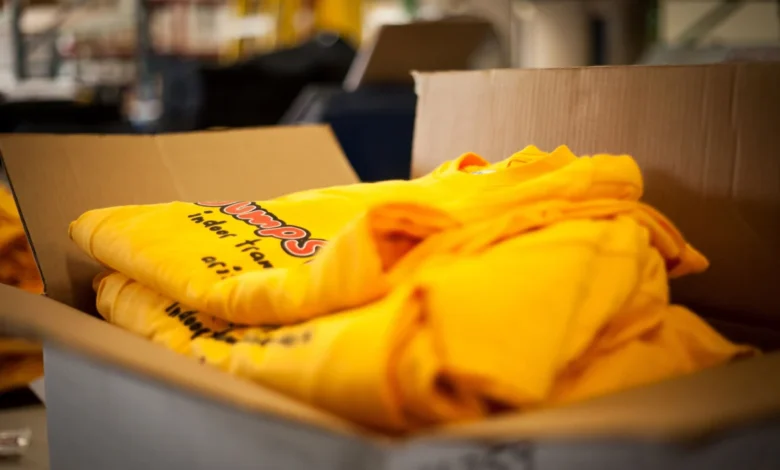
The hospitality industry has long relied on ancillary revenue streams to bolster profit margins, with branded merchandise serving as a staple for restaurants, bars, and music venues. However, a growing tension has emerged between the traditional retail pricing of hospitality merchandise and evolving consumer sentiment. While patrons frequently express a desire to purchase branded apparel and memorabilia as tangible connections to memorable dining experiences, exorbitant price tags—often ranging from $50 to $80 for basic hoodies and caps—frequently deter sales. This dynamic has prompted a broader industry examination regarding how establishments source, price, and utilize promotional goods in an era marked by heightened consumer scrutiny over dining costs.
Understanding the Cost Structure of Branded Merchandise
To understand the current retail landscape of restaurant merchandise, industry analysts frequently point to the baseline economics of custom promotional products. Wholesale production costs for standard corporate merchandise—including baseball caps, T-shirts, hoodies, mugs, and glassware—typically range between $5 and $15 per item, depending on order volume, fabric quality, and design complexity.
Despite these relatively low baseline expenses, many destination restaurants, cocktail bars, and entertainment venues set final retail prices well above market norms. Items such as cotton hoodies, which cost under $15 to manufacture in bulk, regularly retail between $50 and $80. For consumers who have already incurred significant expenditures on food, beverages, and standard service charges, these elevated prices create a psychological barrier to purchase, transforming what could be an impulsive souvenir acquisition into a cost-prohibitive transaction.
Consumer Fatigue in Modern Dining
The friction surrounding merchandise pricing coincides with an era of widespread consumer fatigue regarding supplemental restaurant fees. In recent years, diners have faced an increasingly complex matrix of additional charges embedded in their bills. These include credit card processing fees, mandatory service charges, wellness surcharges, party-size minimums, sharing fees, and ancillary costs associated with deliveries and special requests.
When customers encounter a bill that reflects these cumulative adjustments, adding an expensive branded apparel item to the tab often feels misaligned with the hospitality experience. Industry observers note that while patrons understand businesses must generate revenue, charging premium retail prices for items that inherently serve as mobile advertisements for the establishment can strain customer goodwill. The primary value of branded apparel to a business is twofold: immediate profit generation and long-term, organic brand promotion as customers wear the logo in public. When high price points suppress sales volume, the promotional benefit is largely neutralized.
Alternative Strategies in Merchandise Management
Recognizing the limitations of traditional high-markup retail models, a segment of business owners and hospitality consultants are rethinking how merchandise is integrated into daily operations. Rather than treating branded goods strictly as high-margin profit centers, operators are exploring alternative strategies designed to enhance customer loyalty, drive social engagement, and support community initiatives.
Charitable Partnerships and Cause Marketing
One emerging approach involves allocating a significant portion—or even all—of merchandise profits to charitable organizations. By tying a retail purchase to a social cause, establishments can reframe the high cost of an item in the consumer’s mind. When patrons understand that a portion of the proceeds supports a local non-profit or community initiative, resistance to premium pricing frequently diminishes. Restaurants that adopt this model often amplify the impact by hosting public check-presentation events, effectively transforming a standard retail transaction into a community-focused public relations asset.
Gamification and Promotional Giveaways
Rather than relying solely on passive shelf sales, many establishments have integrated merchandise directly into customer engagement activities. Utilizing trivia nights, foosball tournaments, bingo events, and digital contests, businesses frequently deploy custom T-shirts and hats as tournament prizes. This shifts the inventory from a static retail product to an experiential reward, heightening the perceived value of the item for the recipient.
Furthermore, digital marketing campaigns have increasingly leveraged branded apparel to drive user-generated content. Restaurants have introduced incentive programs offering complimentary appetizers, drinks, or entrees to patrons who publish photographs wearing the establishment’s merchandise, particularly when shared from remote or international locations. These initiatives turn loyal customers into brand ambassadors while simultaneously generating organic digital reach.
Rewarding High-Value and Frequent Patrons
Customer retention programs represent another avenue for alternative merchandise utilization. As restaurants implement advanced point-of-sale data tracking to identify high-value clientele, offering complimentary branded items as a token of appreciation has become a strategic retention tool. Presenting a loyal patron or a large-party reservation with a complimentary hat or T-shirt reinforces positive brand association without alienating the customer through an aggressive sales pitch.
Implications for the Hospitality Sector
The broader economic implications of merchandise pricing strategies highlight the delicate balance between short-term margin optimization and long-term brand equity. When businesses price merchandise closer to wholesale costs—adding only a nominal margin of a few dollars—sales velocity typically increases. Higher sales volume directly correlates with increased public visibility, as more consumers wear the branded apparel in everyday settings.
Conversely, maintaining inflated price points often results in slow-moving inventory, minimal sales volume, and missed marketing opportunities. Industry analysts suggest that the most successful operators view merchandise not merely as a standalone retail product, but as a multifaceted tool for relationship-building, brand amplification, and customer appreciation. By recalibrating pricing structures or adopting creative distribution models, businesses can preserve the goodwill of their clientele while turning everyday apparel into an effective catalyst for long-term growth.