ChatGPT Ads Enhances Platform with Advanced Bidding Measurement and Automation Tools for Performance Marketers

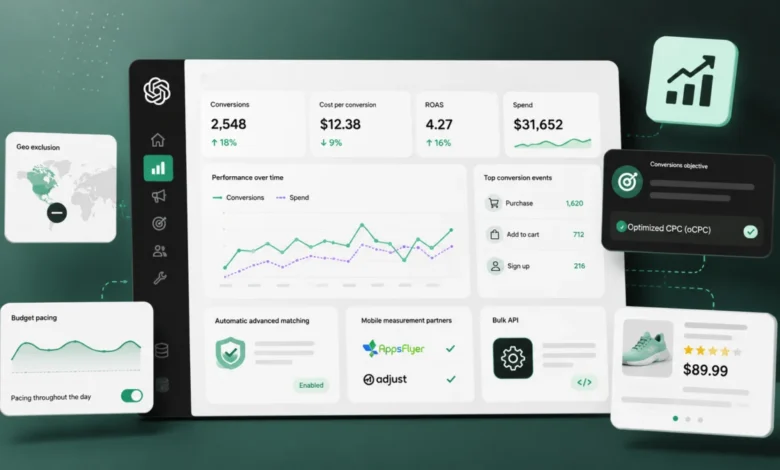
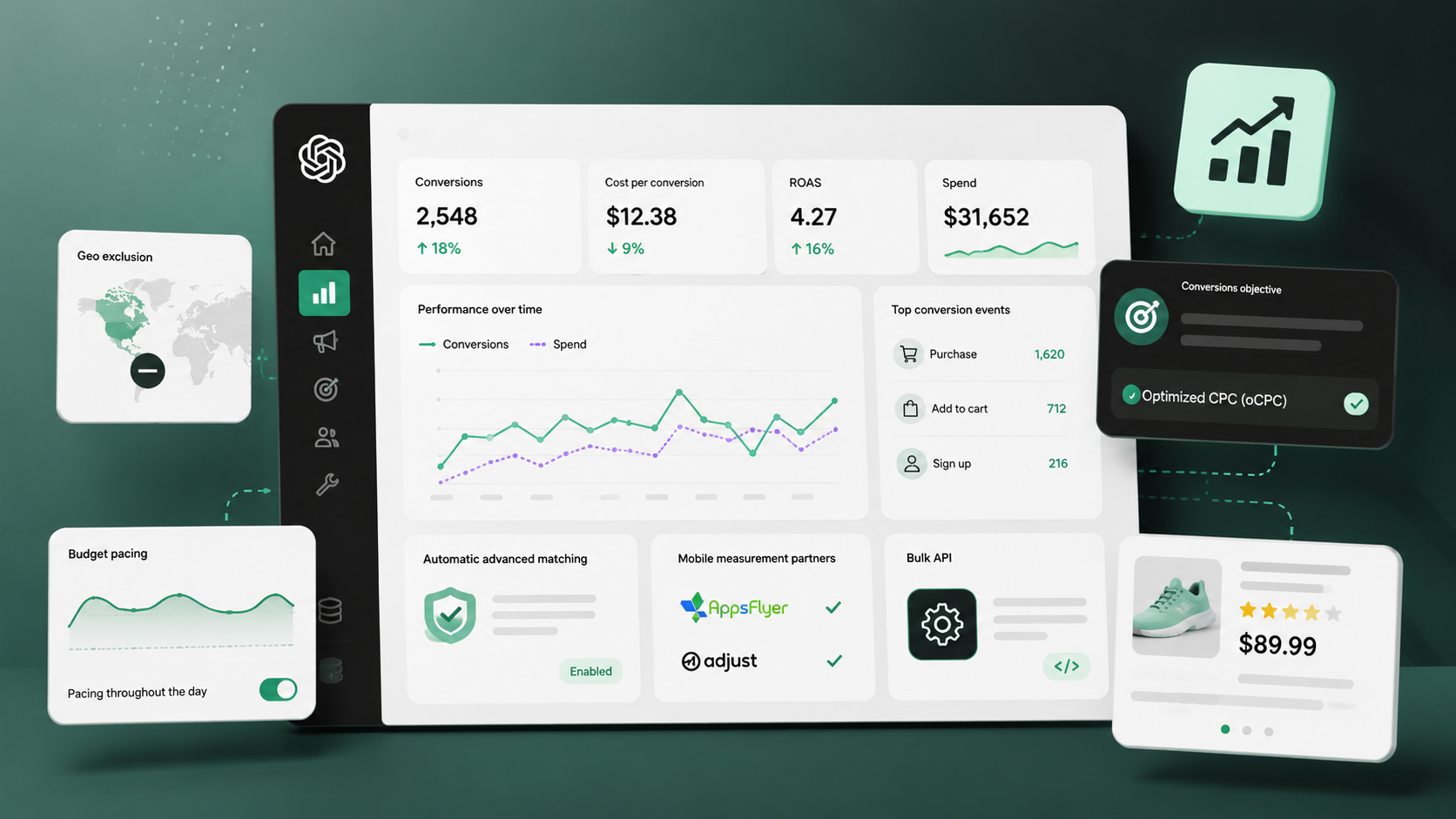
OpenAI has officially initiated the rollout of a comprehensive suite of new advertiser tools for its ChatGPT Ads platform, signaling a significant leap in the maturation of its burgeoning advertising ecosystem. This latest update focuses on four critical pillars of digital marketing: smarter bidding strategies, sophisticated measurement integrations, precise budget pacing, and streamlined campaign management. As the company transitions from an experimental ad space to a robust performance-driven platform, these enhancements are designed to provide the level of control and transparency that seasoned advertisers have come to expect from established giants like Google Ads and Meta Ads.
The evolution of ChatGPT Ads represents a pivotal moment in the digital advertising landscape. For months, early adopters have navigated a relatively minimalist interface focused primarily on visibility and click-through rates. However, the introduction of conversion-optimized bidding marks a fundamental shift toward business outcomes. By allowing advertisers to optimize for specific actions—such as purchases, sign-ups, or lead generation—rather than just traffic, OpenAI is positioning itself as a direct competitor in the performance marketing sector. This move addresses a primary demand from the global marketing community, which has increasingly sought alternatives to the traditional search engine duopoly.
A Technical Breakdown of the New Feature Set
The core of this release is a series of updates that bridge the gap between AI-driven conversational interfaces and traditional performance metrics. Among the most significant additions is the integration with third-party mobile measurement partners (MMPs), specifically AppsFlyer and Adjust. In the modern mobile economy, the ability to track app installs and in-app events is essential. Prior to this integration, app developers faced significant hurdles in attributing user acquisition specifically to their ChatGPT ad spend. By enabling these integrations, OpenAI is opening the door for high-spending mobile gaming and utility app sectors to scale their presence on the platform with verified data.
In addition to measurement, the platform has introduced "Average Daily Budgets" and improved budget pacing algorithms. In the early stages of ChatGPT Ads, budget delivery was often inconsistent, leading to "spend spikes" or under-delivery. The new pacing tools allow for a more equitable distribution of spend over a 24-hour cycle or a specific campaign duration, ensuring that advertisers do not exhaust their resources prematurely during peak hours. This level of financial control is a prerequisite for enterprise-level agencies managing multi-million dollar monthly budgets.
Furthermore, the platform is introducing "Advanced Matching" and "Geo Exclusions." Advanced matching allows the platform to more accurately identify users across different devices and sessions, improving the accuracy of attribution models. Geo exclusions, meanwhile, provide the surgical precision required for localized marketing efforts. Advertisers can now prevent their ads from appearing in specific regions or countries, a feature that is vital for businesses with limited service areas or those navigating complex international regulatory environments.
The Evolution of OpenAI’s Advertising Strategy
To understand the significance of this update, one must look at the chronology of OpenAI’s commercialization. Since the public launch of ChatGPT in late 2022, the company’s revenue model has rapidly diversified. It began with the "Plus" subscription model for individual users, followed by the "Enterprise" tier for corporate data security, and eventually the opening of its API for developers. The foray into advertising was the logical next step to monetize the hundreds of millions of weekly active users who use the interface for search-like queries.
The development of "SearchGPT," OpenAI’s prototype search feature, served as the precursor to these ad updates. As ChatGPT becomes more of a discovery engine, the ads served within it must become more relevant and less intrusive. Unlike the traditional "blue link" model of Google, ChatGPT Ads are often integrated into the conversational flow. This requires a much higher degree of automation and intelligence in how ads are triggered. The new "Bulk API" support included in this release is a direct response to this need, allowing large-scale advertisers to programmatically manage thousands of creative variations and bidding adjustments in real-time.
Comparative Analysis: ChatGPT Ads vs. The Incumbents
The digital advertising market is currently valued at over $600 billion globally, with Google and Meta commanding a combined market share of approximately 50%. For ChatGPT to carve out a sustainable niche, it must offer something the incumbents cannot: deep contextual relevance powered by Large Language Models (LLMs). While Google relies on keyword intent and Meta relies on social graphs, OpenAI relies on conversational intent.
However, having unique data is not enough if the tools to buy it are primitive. The latest updates bring ChatGPT Ads closer to "feature parity" with Google’s Performance Max and Meta’s Advantage+ suites. For instance, the transition to conversion-optimized bidding mirrors the shift seen in the industry toward "black box" automation, where the platform’s AI makes the final decision on which user to show an ad to based on the likelihood of a sale. By adopting these familiar structures, OpenAI is lowering the barrier to entry for media buyers who are already trained on Google and Meta’s platforms.
Industry analysts suggest that the addition of bulk management and advanced attribution will likely lead to a "second wave" of ad spend. The first wave consisted of experimental budgets from innovation teams; this second wave will likely see "always-on" performance budgets from growth marketing teams. The inclusion of more granular reporting and the ability to export data via API means that ChatGPT performance can now be viewed alongside other channels in centralized marketing dashboards.
Market Reactions and Industry Implications
The response from the digital marketing community has been one of cautious optimism. Performance marketers have long complained about the rising Cost Per Mille (CPM) on traditional social media platforms and the "signal loss" caused by privacy changes like Apple’s App Tracking Transparency (ATT). ChatGPT Ads, which operates within its own logged-in ecosystem, offers a "walled garden" that is partially insulated from these tracking issues.

"The integration of AppsFlyer and Adjust is a game-changer for us," noted one digital strategy director at a leading New York agency. "We’ve seen high engagement rates on ChatGPT, but without the ability to tie those interactions back to a specific app download or a purchase in our backend, it was difficult to justify a larger spend. These tools provide the accountability we need."
From a broader perspective, these updates indicate that OpenAI is preparing for a long-term battle in the search market. As users increasingly turn to AI for answers rather than browsing a list of websites, the traditional SEO (Search Engine Optimization) and SEM (Search Engine Marketing) models are being disrupted. ChatGPT’s move to refine its ad platform ensures that as user behavior shifts, the revenue follows.
Future Outlook: The Road to AI-Native Advertising
As ChatGPT Ads continues to mature, the next frontier will likely involve creative automation. Currently, the updates focus on the "plumbing" of advertising—bidding, budgets, and measurement. However, the true power of an LLM lies in its ability to generate content. Future iterations of the platform are expected to include tools that automatically generate ad copy and images based on the specific context of a user’s conversation.
Furthermore, the expansion of "Advanced Matching" hints at a future where OpenAI could leverage its first-party data to create highly sophisticated lookalike audiences, similar to Meta’s core offering. If OpenAI can prove that its AI can predict consumer intent better than a keyword-based system, it could fundamentally reorder the hierarchy of the digital ad market.
In the immediate term, the rollout of these tools serves as a clear signal to the market: ChatGPT is no longer just a chatbot; it is a sophisticated marketing channel. For performance marketers, the arrival of conversion bidding, bulk API support, and third-party measurement removes the final excuses for staying on the sidelines. As the platform scales, the competition for "conversational real estate" is expected to intensify, making these early updates foundational to the next era of digital growth.
The bottom line for the industry is clear. ChatGPT Ads is steadily evolving from an emerging curiosity into a professional-grade platform designed for scale. By focusing on the core infrastructure of optimization and measurement, OpenAI is building the necessary bridge between cutting-edge artificial intelligence and the practical, data-driven world of performance marketing. As these tools become available to more advertisers globally, the digital landscape will likely see a significant redistribution of ad dollars toward AI-native environments.