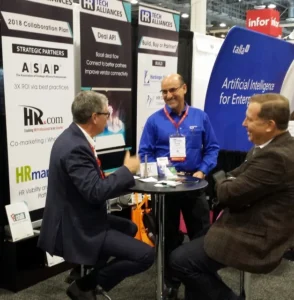
HRTech vendor executives leveraged the Collaboration Zone for top notch networking & copious collaboration at UNLEASH in Vegas


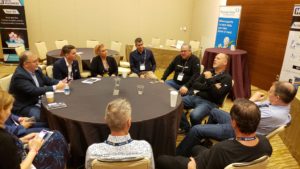
The recent UNLEASH America conference, held at the Aria Resort & Casino in Las Vegas, served as a pivotal gathering for the global human resources technology sector. While the event featured high-profile keynote addresses and expansive expo halls, a specialized initiative known as the Collaboration Zone (CZ) emerged as a critical hub for industry insiders. Powered by HR Tech Advisor and the curators of HRTechAlliances.com, this dedicated space provided a structured, vendor-only environment designed to foster strategic alliances and address the evolving complexities of the HR technology ecosystem.
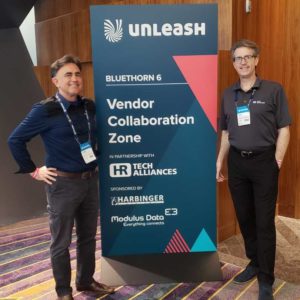
The Evolution of the Collaboration Zone
Four and a half years after its inception at HR Tech World in Paris, the Collaboration Zone has evolved from a novel experimental space into a fixture of the UNLEASH event series. The primary objective of the initiative is to move beyond the superficial, transaction-driven interactions often found on crowded trade show floors. Instead, the CZ facilitates deep-dive discussions on growth, retention, and integration strategies. By creating a controlled environment for C-suite executives and partnership leaders, the organizers have successfully transitioned the networking experience from passive exposure to active, collaborative problem-solving.
The shift reflects a broader maturation in the HR technology market. As the sector becomes increasingly crowded, companies are finding that individual product excellence is no longer sufficient to maintain a competitive edge. Strategic interoperability and ecosystem integration have become the new currency, making the type of structured networking found in the Collaboration Zone essential for business development.
A Chronology of Collaborative Discourse
The UNLEASH America 2019 event was marked by a rigorous two-day agenda within the Collaboration Zone, focusing on distinct pillars of industry growth.
Day One: Building Foundations and Alliances
The opening day focused on the mechanics of partnership. Larry Cummings, co-founder and "Chief Connector" at HR Tech Alliances, led a roundtable session on "Alliances Best Practices & Certification." The session provided technical guidance on navigating the standards set by the Association of Strategic Alliance Professionals (ASAP). Participants engaged in a critical examination of what constitutes a successful partnership, emphasizing the alignment of product roadmaps and the necessity of mutual business integrity.
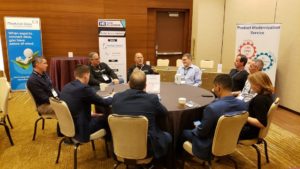
Following this, the focus shifted to technical hurdles. Katrina Paglierani, VP of Partnerships and Alliances at Flexspring, moderated a session titled, "Ways to Keep Integrations from Killing your Deals and Deliveries." Given that poor integration remains a leading cause of customer churn in the SaaS HR market, this session proved highly relevant. It offered a forum for vendors to discuss how to standardize data flows and minimize technical debt, a sentiment echoed by Shrikant Pattathil, President at Harbinger Systems, who highlighted the session’s value in addressing product modernization and the integration needs of large-scale enterprises.
Day Two: Strategic Market Positioning
The second day addressed high-level strategic questions. A highlight was the session featuring Sankar Venkatraman, Global Product Evangelist at LinkedIn. The discussion centered on the complex "Build, Buy, or Partner" dilemma facing major platforms. Attendees posed pointed questions regarding how LinkedIn Talent Solutions balances the development of internal features with the need to integrate with third-party software providers. This session served as a case study for smaller vendors on how to position themselves for potential partnership opportunities with industry giants.
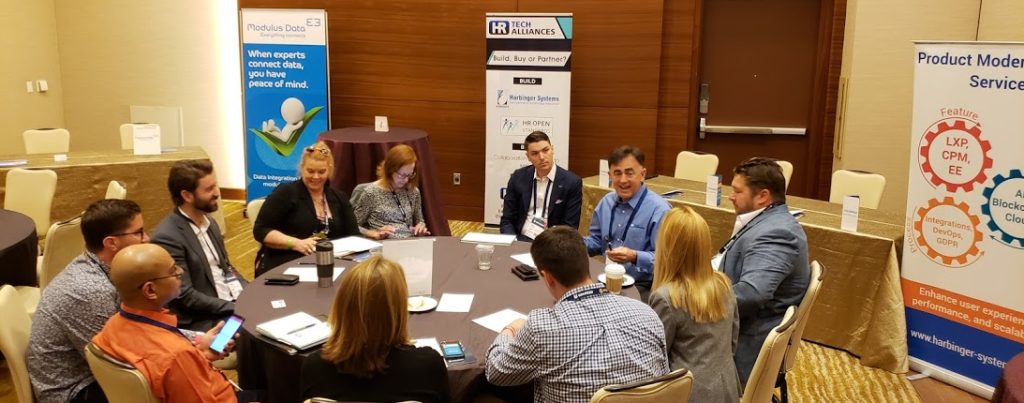
The afternoon concluded with a session on "Marketing to HR: Key Buying Trends," led by Brad Sutton of HR.com. Utilizing recent industry research, the session dissected how the modern HR buyer makes decisions. By analyzing trends in social, email, and traditional outreach, participants were equipped with actionable intelligence on how to target ideal buyers in an era of information saturation.
Supporting Data and Industry Context
The effectiveness of these sessions is supported by the changing nature of the HR tech landscape. Industry analysts observe that the average enterprise now utilizes upwards of 15 different HR software tools to manage the employee lifecycle. This fragmentation necessitates a high degree of collaboration between vendors to ensure data integrity and user experience.

Surveys conducted around the 2019 event indicated that over 70% of vendor executives felt that traditional expo networking resulted in "interest-driven surface-level conversations" rather than actionable business leads. The Collaboration Zone sought to counter this by limiting access to decision-makers and focusing on specific, pre-curated topics. By providing participants with promotional tools—such as branded cards to advertise their specific sessions—the organizers ensured that the right people were in the right room, maximizing the return on investment for the time spent away from the main exhibition floor.
Insights from Industry Leaders
The success of the Collaboration Zone is best measured through the feedback of those who participated. Roy Baladi, Head of Marketplace at SmartRecruiters, noted that the curated nature of the sessions allowed for high-quality insights that are difficult to replicate in more chaotic environments. "Conferences get busy with surface-level conversations, but the Collaboration Zone was the exact opposite," Baladi observed.

Similarly, Tracey Azer, World-Wide Channel Leader at IBM, highlighted the logistical support provided by the organizers, which allowed for more efficient use of time. For providers like Flexspring, the value was even more tangible. "The Collaboration Zone has helped me facilitate bringing deals together the same way we bring data together," said Katrina Paglierani. Such testimonials underscore a shift toward "coopetition"—where competitors find ways to collaborate on infrastructure and standards to grow the overall market size.
Broader Implications for the Future of Work
The implications of this collaborative model extend beyond the immediate benefits of individual partnerships. As the "Future of Work" becomes a primary focus for global enterprises, the HR technology stack is becoming increasingly complex. The trend toward open APIs and ecosystem-based selling suggests that the isolationist approach of the early 2000s is effectively dead.

By fostering a culture of transparency and shared standards, events like UNLEASH and initiatives like the Collaboration Zone are helping to professionalize the partnership function within HR tech companies. The shift toward formal certification—such as that encouraged by the Association of Strategic Alliance Professionals—signals that "alliances" is no longer just a sales function, but a strategic discipline that requires specialized knowledge in legal, technical, and commercial domains.
Conclusion and Future Outlook
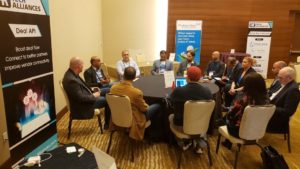
The success of the Collaboration Zone in Las Vegas has set a precedent for future industry gatherings. With the model already slated to return for UNLEASH World in Paris, the organizers have solidified their role as facilitators of industrial synergy. For vendors, the choice is clear: spend twenty minutes circling a booth in the hope of a chance encounter, or engage in a twenty-minute structured discussion with vetted partners.
The data and testimonials gathered from the 2019 event suggest that the latter is far more conducive to long-term success. As the HR technology market continues to consolidate and evolve, the ability to build, maintain, and scale strategic alliances will likely remain the single most significant indicator of a vendor’s long-term viability. By providing a dedicated space for these high-level discussions, the Collaboration Zone has established itself as an essential component of the global HR tech conference circuit, proving that in a hyper-competitive market, the most effective strategy is often to work together.