The Digital Transformation of Human Resources: Redefining Talent Management in the Modern Enterprise


The landscape of human resources has undergone a radical metamorphosis over the past two decades, transitioning from a paper-heavy, administrative-focused function to a data-driven, strategic powerhouse. Historically, HR departments were synonymous with filing cabinets, manual payroll ledgers, and reactive recruitment cycles. Today, the integration of advanced technology—ranging from artificial intelligence to cloud-based human capital management (HCM) systems—has rendered these manual processes largely obsolete. This evolution reflects a broader corporate shift toward digital transformation, where the primary objective is no longer just managing employees, but optimizing the entire human experience within an organization.
The Chronology of HR Automation
The evolution of HR technology can be traced through several distinct eras. In the late 20th century, the "Computerization Era" saw the introduction of early database management systems. These tools allowed for the digital storage of employee records, effectively ending the reliance on physical archives for basic information retrieval. By the early 2000s, the focus shifted toward "Integrated Systems." Enterprise Resource Planning (ERP) software began to incorporate HR modules, allowing for the first time a centralized view of an organization’s workforce, compensation, and benefits.
The most significant pivot occurred between 2010 and 2020, often categorized as the "Cloud and SaaS Revolution." During this decade, the migration of HR data to the cloud allowed for real-time access and global scalability. Companies no longer needed to maintain expensive, on-premise servers to manage their global workforce. Following this, the current era—the "Intelligence Era"—has introduced predictive analytics, AI-driven talent acquisition, and automated workflow orchestration. This trajectory highlights a move from simple data storage to complex decision-support systems.
Data-Driven Insights and Market Growth
The necessity of this technological integration is backed by significant market data. According to industry analysis from Grand View Research, the global HR technology market size was valued at approximately $24 billion in 2023 and is projected to expand at a compound annual growth rate (CAGR) of over 9% through 2030. This growth is driven by the urgent need for organizations to automate time-consuming administrative tasks, which, according to various workforce studies, previously consumed up to 40% of an HR professional’s workweek.
Furthermore, a study by Deloitte on human capital trends indicated that organizations utilizing AI-powered talent platforms saw a 20% increase in candidate quality and a 30% reduction in time-to-hire metrics. By automating repetitive tasks such as resume screening, onboarding documentation, and payroll processing, HR teams have reclaimed thousands of man-hours annually. This allows human personnel to pivot toward high-value activities, such as organizational culture development, leadership training, and employee well-being initiatives—tasks that require human empathy and nuanced judgment, which technology cannot replicate.
The Role of Software Vendors in Organizational Strategy
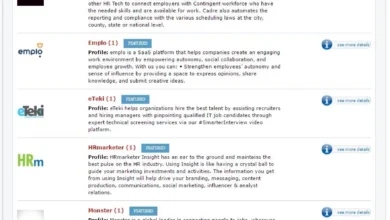
The challenge for modern executives is no longer finding software, but selecting the right software. The marketplace is saturated with specialized vendors offering solutions for performance management, employee engagement, talent acquisition, and workforce analytics. The decision-making process for integrating these technologies has become a core competency for modern HR leadership.
Collaboration with software vendors has shifted from a transactional buyer-seller relationship to a strategic partnership. Companies now seek platforms that provide interoperability—the ability for different systems to "talk" to one another. For example, a payroll system that integrates seamlessly with time-tracking software and performance management tools reduces the risk of data silos. When an organization successfully synchronizes its technology stack, it gains a holistic view of the employee lifecycle. This visibility is critical for identifying talent gaps, predicting turnover, and ensuring equitable compensation across departments.
Official Perspectives and Industry Consensus
Industry leaders and HR technology experts frequently emphasize that technology is an enabler, not a replacement for the human element. In recent conferences held by the Society for Human Resource Management (SHRM), a recurring theme has been "The Augmented Workforce." Proponents argue that the primary goal of HR tech is to remove the friction from the employee experience. When employees can access benefits, file expense reports, or request leave via a mobile app, their perception of the company’s organizational efficiency improves.
Conversely, there is a noted consensus on the risks associated with rapid digitization. Analysts caution against "algorithmic bias" in recruitment software, where AI models might inadvertently favor specific demographics based on historical data. Consequently, the industry is seeing an increase in the implementation of "Human-in-the-Loop" (HITL) protocols, where AI provides recommendations, but final decisions—particularly in hiring and termination—are verified by human professionals. This balance is viewed as the gold standard for responsible HR technology management.
Broader Implications: The Future of Work
The integration of technology into HR has profound implications for the future of the workplace. First, the democratization of data allows for more transparent decision-making. With real-time dashboards, leadership can identify pay disparities or diversity gaps immediately, rather than waiting for an annual audit. This level of transparency is becoming a requirement for talent retention, as modern workers increasingly prioritize fairness and corporate accountability.
Second, the shift toward remote and hybrid work models—accelerated by global events in the early 2020s—would have been impossible without the current maturity of HR technology. Cloud-based HR systems allow for asynchronous management, enabling organizations to hire top-tier talent from across the globe while maintaining compliance with local labor laws and tax regulations. This has fundamentally changed the competition for talent, transforming it from a local search to a global contest.
Finally, the psychological impact of technology on the workforce cannot be overlooked. By automating the mundane, companies are better positioned to offer meaningful work. Employees who spend less time navigating bureaucratic hurdles are more likely to be engaged, productive, and satisfied with their tenure. The "administrative burden" that once characterized the HR profession is being replaced by a focus on the "human experience," where technology serves as the infrastructure that supports the well-being and growth of the individual.
Conclusion
The collaboration between HR and technology is no longer a luxury for large enterprises; it is a fundamental requirement for any organization aiming to remain competitive in the digital age. While the selection and implementation of software vendors present a daunting challenge, the outcomes—increased efficiency, data-backed insights, and an improved employee experience—are transformative. As organizations continue to iterate on these digital frameworks, the successful HR department of the future will be defined by its ability to synthesize technological capability with the essential human skills of empathy, leadership, and strategic foresight.
The journey from manual payroll logs to automated, AI-driven workforce management is not merely an upgrade in tools; it is a fundamental shift in the philosophy of work. By embracing innovation, organizations are not only streamlining operations but are also laying the groundwork for a more agile, inclusive, and transparent corporate future. The path forward involves continuous learning, careful assessment of new tools, and an unwavering commitment to placing the human element at the center of the digital evolution.