HR Tech Advisor Chronicles Strategic Partnerships and Industry Evolution at UNLEASH 2018 in Amsterdam

The UNLEASH World Conference and Expo, held in Amsterdam in 2018, served as a pivotal nexus for the global human resources technology community, bringing together industry leaders, software vendors, and visionary strategists to address the accelerating pace of workplace digital transformation. As the HR technology landscape continued to shift from transactional systems to experience-driven platforms, the event highlighted the critical importance of ecosystem alliances. During this gathering, HR Tech Advisor, led by Ward Christman, conducted a series of high-level interviews with key executives, documenting how major players—from established enterprise giants to agile analytics providers—were navigating the complexities of modern partnership models.
The Evolution of the HR Tech Ecosystem
In 2018, the HR technology sector was experiencing a period of unprecedented consolidation and expansion. Global investment in HR tech had surged, with venture capital pouring into startups focused on artificial intelligence, employee engagement, and predictive analytics. The core objective for many of these firms was no longer just to build a standalone product, but to integrate seamlessly into a broader digital fabric.
UNLEASH Amsterdam functioned as the epicenter for these discussions. The event provided a platform where the "Future of Work" was not merely a theoretical concept but a tangible roadmap for vendors. For many of the executives interviewed, the primary challenge was interoperability. As businesses adopted diverse software suites for payroll, talent management, and communications, the ability of these disparate systems to "speak" to one another became a critical competitive advantage. Strategic partnerships, therefore, moved from the periphery to the center of corporate strategy.

Chronology of Engagement at UNLEASH 2018
The proceedings in Amsterdam were characterized by a rigorous schedule of networking, keynote addresses, and bilateral meetings. For HR Tech Advisor, the focus was specifically on the mechanics of these alliances.
Day one of the event commenced with a focus on global strategy. Executives from multinational organizations, such as NGA Human Resources, emphasized the necessity of aligning technological deployment with localized compliance and regional HR practices. Anita Lettink, then-SVP of Strategy & Alliances at NGA HR, underscored the shifting paradigm where HR technology providers were increasingly expected to function as strategic consultants rather than mere software vendors.
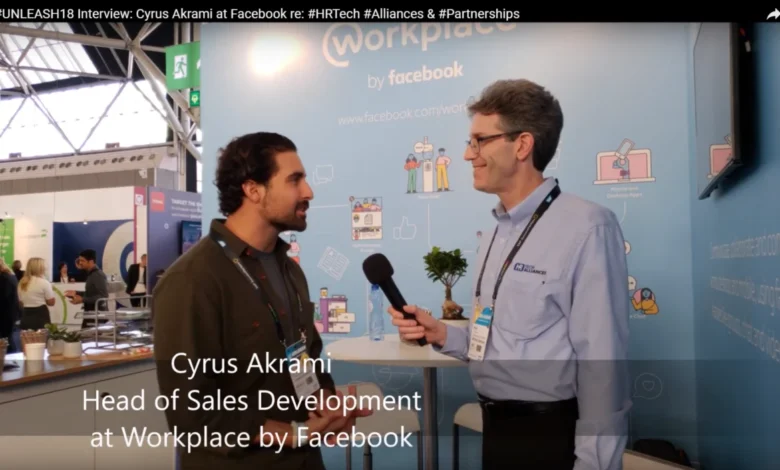
By the second day, the focus pivoted toward the integration of communication platforms into the HR stack. The presence of Workplace by Facebook, represented by Cyrus Akrami, highlighted the growing demand for social-collaborative tools within the professional environment. The discussions held during these sessions illuminated a clear trend: the integration of HR software with enterprise social networks was no longer a luxury but a requirement for maintaining high employee engagement levels.
Data-Driven Insights: The Role of Analytics
A significant portion of the discourse at UNLEASH 2018 centered on the democratization of data. While large-scale ERP systems generated massive volumes of information, the ability to derive actionable insights remained a hurdle for many HR departments. This is where firms like activ8 intelligence played a vital role, acting as a bridge between raw data and meaningful management decisions.

The partnership model introduced by companies like activ8—which explored innovative concepts such as the co-ownership of intellectual property—represented a departure from traditional vendor-client relationships. By moving toward a collaborative model, companies could foster deeper innovation. Analysts at the event noted that this shift toward "co-innovation" was a direct response to the complexity of the modern workplace, where the speed of technological change often outpaces the internal development capabilities of even the largest firms.
Perspectives from the Front Lines
The interviews conducted by HR Tech Advisor provided a rare glimpse into the strategic priorities of industry leaders. For instance, the dialogue with Cyrus Akrami regarding the role of Workplace by Facebook offered a benchmark for current industry standards. When asked about the criteria for an "ideal partner," Akrami emphasized a customer-first philosophy, prioritizing metrics that reflect genuine user engagement rather than superficial adoption rates.
This sentiment was echoed across various booths and panels. The collaboration between technology giants and their ecosystem partners—such as the joint initiatives between Workplace by Facebook and firms like ServiceNow, Cornerstone, and ADP—demonstrated that the "platformization" of HR tech was well underway. These partnerships were not merely marketing agreements; they were technical integrations designed to reduce "context switching" for employees, thereby streamlining workflows and enhancing the overall user experience.
The Impact of Strategic Alliances on HR Strategy
The implications of the trends observed at UNLEASH 2018 were profound. As HR technology became more modular, the risk of fragmentation grew. Organizations were forced to move away from the "all-in-one" suite approach toward "best-of-breed" architectures that relied heavily on robust API ecosystems.

The analysis of these trends suggests three primary impacts on the HR industry:
- Shift in Procurement: HR leaders were no longer just evaluating features; they were evaluating the partner ecosystem. The ability of a vendor to integrate with an existing stack became a weighted factor in the procurement process, often outweighing the specific functionality of the software itself.
- Increased Focus on User Experience (UX): With the proliferation of tools, employee burnout from "notification fatigue" became a genuine concern. Consequently, vendors began prioritizing frictionless interfaces and AI-driven workflows that minimized the cognitive load on the end-user.
- Intellectual Property Collaboration: The emergence of new partnership models, such as the co-development of IP, signaled a maturity in the market. It reflected an understanding that in a rapidly evolving digital landscape, shared risk and shared reward are the most effective engines for sustained innovation.
Broader Implications for the Future of Work
The 2018 UNLEASH conference served as a bellwether for the subsequent years of HR tech development. The focus on strategic alliances established during that period paved the way for the robust integration capabilities we see in modern HR tech stacks today. The event effectively demonstrated that the "Future of Work" is a collaborative endeavor.
Furthermore, the emphasis on data analytics—specifically the ability to transform complex datasets into "simple English" insights—addressed a fundamental gap in HR management. By empowering non-technical HR professionals to access and interpret predictive insights, the industry took a significant step toward evidence-based human capital management.
In conclusion, the documentation of these partnerships by HR Tech Advisor offers a foundational understanding of how the industry arrived at its current state. The key takeaway from the Amsterdam conference remains as relevant today as it was then: the value of an HR technology solution is defined not by its standalone power, but by its ability to integrate into a wider ecosystem, fostering a cohesive, data-driven, and engaging experience for the modern workforce. As the industry continues to evolve, the lessons learned from these strategic alliances will undoubtedly remain the blueprint for successful digital transformation in the human resources sector.