MuleSoft Redefines Corporate Culture and Strategic Hiring in the Evolving Landscape of the Future of Work
The concept of corporate culture has transitioned from a peripheral human resources concern to a central pillar of strategic business operations, particularly within the competitive technology sector of Silicon Valley. MuleSoft, a leading provider of integration software for connecting applications, data, and devices, has emerged as a primary case study for this shift. Recently recognized by Glassdoor as one of the top 50 companies to work for in America, the San Francisco-based firm has demonstrated that organizational success is inextricably linked to the environment in which employees operate. This recognition comes at a pivotal moment as the company, which employs approximately 500 people globally, continues to scale its operations and influence within the enterprise software market.
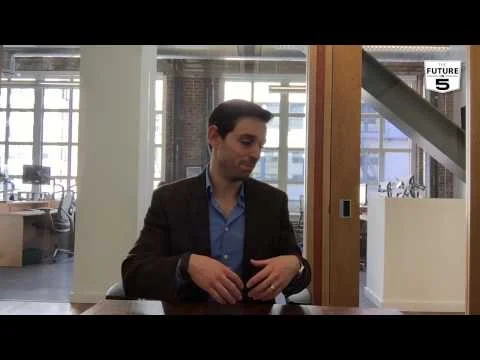
Corporate culture is often misunderstood as a collection of superficial perks, such as catered lunches or office game rooms. However, as observed during a recent exploration of MuleSoft’s headquarters, the reality is far more complex. The company’s culture encompasses a broad spectrum of variables, including the physical configuration of the office, the nuances of peer-to-peer communication, and the underlying philosophies that guide management decisions. In the modern "Future of Work" framework, these elements are viewed as essential tools for driving innovation and maintaining a high-performance workforce.
The Strategic Importance of the CEO’s Involvement in Hiring
One of the most distinctive aspects of MuleSoft’s cultural preservation strategy is the direct involvement of its leadership in the recruitment process. CEO Greg Schott has maintained a rigorous practice of personally interviewing every candidate before they are extended an offer of employment. While such a practice is common in early-stage startups, maintaining it at a company with 500 employees is a significant logistical undertaking that signals a deep commitment to cultural integrity.
Schott’s philosophy centers on the idea that "culture fit" is not about hiring like-minded individuals who share the same hobbies, but rather about ensuring that every new hire aligns with the company’s core values and long-term vision. By acting as the final gatekeeper, the CEO ensures that the rapid growth of the workforce does not dilute the company’s foundational principles. This approach addresses a common challenge in the tech industry: the "dilution effect," where a company’s original mission and energy dissipate as it scales from a small team to a global enterprise.
Industry analysts suggest that this level of executive involvement in hiring serves two purposes. First, it reinforces the importance of talent density, ensuring that every hire is seen as a critical addition to the collective intelligence of the firm. Second, it sends a powerful message to prospective employees about the flat hierarchy and accessibility of leadership within the organization. In an era where top-tier engineering and sales talent are in high demand, such personal touches can be the deciding factor for high-value candidates.
Chronology of MuleSoft’s Growth and Cultural Evolution
To understand MuleSoft’s current standing, it is necessary to examine the timeline of its development. Founded in 2006 by Ross Mason, the company began with a mission to "take the donkey work out of integration." The name "MuleSoft" itself was a play on the idea of moving heavy data loads, a task that was historically tedious and labor-intensive for IT departments.
- 2006–2009: The company focused on open-source roots, building a community around its Mule ESB (Enterprise Service Bus) technology. During these formative years, the culture was defined by technical excellence and a grassroots approach to problem-solving.
- 2009: Greg Schott joined as CEO, bringing a focus on scaling the business and transitioning from a pure open-source model to a comprehensive enterprise platform. This transition required a shift in culture toward a more structured, sales-and-marketing-driven organization without losing the original innovative spark.
- 2013–2014: MuleSoft experienced hyper-growth, securing significant venture capital funding and expanding its footprint in Europe and Asia. It was during this period that the company began to formalize its cultural initiatives to manage the influx of new employees.
- 2015: The recognition by Glassdoor solidified MuleSoft’s reputation as an employer of choice. The company’s San Francisco headquarters became a model for the modern tech office, balancing open-plan collaboration spaces with areas designed for deep, focused work.
This chronology illustrates that MuleSoft’s culture was not an accidental byproduct of its success but a deliberate construction intended to support its evolving business goals.
Data-Driven Insights into Workplace Satisfaction
The Glassdoor ranking that placed MuleSoft among the top 50 companies in America is based on anonymous feedback from employees who rate their job satisfaction, CEO leadership, and key workplace attributes. At the time of the ranking, MuleSoft’s internal data and external reviews highlighted several key areas where the company outperformed its peers:
- Professional Development: Over 85% of employees cited opportunities for growth as a primary reason for their satisfaction.
- Leadership Transparency: Employees consistently gave high marks to the executive team for their clarity regarding the company’s financial health and strategic roadmap.
- Work-Life Integration: While the tech industry is known for long hours, MuleSoft’s emphasis on "results-oriented work environments" (ROWE) allowed for greater flexibility, provided that performance metrics were met.
Furthermore, the "Future of Work" trends indicate that companies with high employee engagement scores see a 21% increase in profitability and a 17% increase in productivity. For a company like MuleSoft, which operates in the high-stakes world of digital transformation, these metrics are directly tied to its ability to deliver complex integration solutions to Global 2000 customers.
The Physical Environment as a Catalyst for Communication
The physical office space at MuleSoft’s San Francisco location is designed to mirror the company’s operational values: transparency, agility, and connectivity. Unlike traditional corporate environments characterized by cubicles and closed-door offices, MuleSoft utilizes an open-plan layout that encourages spontaneous interaction.
This design philosophy is rooted in the "Allen Curve," a finding by MIT professor Thomas J. Allen which suggests that communication between employees drops off precipitously as the distance between their desks increases. By minimizing physical barriers, MuleSoft facilitates the "collision of ideas" that is essential for software development and creative problem-solving.
However, the office environment also acknowledges the need for diverse work styles. Quiet zones and "phone booths" provide space for tasks requiring high concentration, while communal areas and "snack hubs" serve as social anchors. These perks, while often dismissed as superficial, play a functional role in reducing friction and making the workplace a destination rather than a chore.
Implications for the Broader Tech Ecosystem
MuleSoft’s approach to culture offers several lessons for the broader business community. First, it demonstrates that culture is a scalable asset. The notion that a CEO can no longer influence culture once a company passes the 100-employee mark is challenged by Greg Schott’s hands-on approach.
Second, the MuleSoft model suggests that "culture" and "performance" are not mutually exclusive. In many organizations, a focus on culture is seen as a move toward a "soft" environment. At MuleSoft, the culture is high-pressure and high-expectation, but it is supported by a framework of mutual respect and clear communication. This creates a psychological safety net that allows employees to take risks and innovate without the fear of internal politics.
Finally, the company’s success highlights the importance of the "Employer Brand." In the modern economy, a company’s reputation as a place to work is just as important as its reputation for its products. High Glassdoor ratings and positive media coverage of the workplace environment serve as powerful recruitment tools that reduce the cost of talent acquisition.
Future Outlook and the "Future of Work"
As Jacob Morgan and other futurists have noted, the future of work is being defined by a shift from "utility" to "experience." In the past, the relationship between employer and employee was purely transactional: the employee provided labor in exchange for a paycheck. Today, employees—particularly those in the millennial and Gen Z demographics—seek an experience that offers meaning, community, and personal growth.
MuleSoft’s strategy aligns perfectly with this shift. By focusing on the "Future in 5" variables—technology, environment, and people—the company is positioning itself to thrive in an era where talent is the primary differentiator. The upcoming insights from CEO Greg Schott are expected to further elaborate on how these strategies can be codified into a repeatable playbook for other organizations.
As the company continues its trajectory, the challenge will be to maintain this cultural "soul" in the face of further expansion and the eventual pressures of public markets. For now, MuleSoft stands as a testament to the power of a well-defined and rigorously defended corporate culture, proving that when a company takes care of its internal community, the external success follows as a natural consequence. The integration of technology is MuleSoft’s product, but the integration of people is its true competitive advantage.