TSA Deploys AI Agent Ace Built on Salesforce to Streamline Airport Security and Handle 100,000 Monthly Inquiries

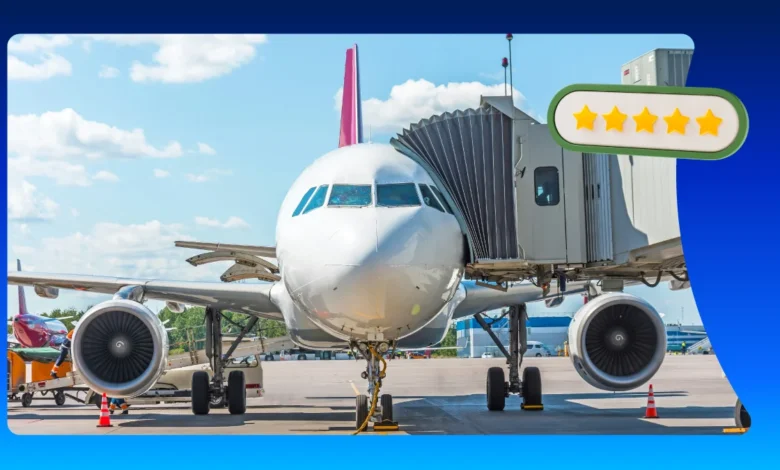
With nearly three million passengers navigating United States airports every single day, the nation’s aviation security infrastructure faces unprecedented operational demands. Travelers frequently encounter complex regulations regarding baggage policies, restricted items, checkpoint procedures, and accommodations for medical devices. To alleviate passenger anxiety, reduce wait times, and optimize internal contact center operations, the Transportation Security Administration (TSA) has officially deployed an advanced artificial intelligence agent named Ace. Developed using Salesforce Public Sector Solutions and integrated within the secure, FedRAMP-authorized Salesforce Government Cloud, Ace represents a major milestone in the federal government’s adoption of trusted, secure artificial intelligence to modernize public services.
Since going live during the peak summer travel surge, Ace has rapidly established itself as a critical front-line resource for the agency. The autonomous AI agent currently handles approximately 100,000 routine traveler conversations each month. Most notably, Ace has achieved a 96% resolution rate for routine inquiries—such as advising passengers on how to properly pack liquids, gels, and aerosols, or explaining how to navigate security checkpoints while carrying specialized medical equipment—entirely without the need for human intervention or escalation. This deployment forms a core component of a broader, multi-phase modernization initiative spearheaded by the TSA’s Customer Experience Branch to fundamentally transform traveler services through innovative cloud and artificial intelligence technologies.
The Background and Operational Challenge
The necessity for a scalable, automated digital assistant arose from the profound logistical challenges inherent in modern air travel. U.S. commercial aviation volumes have rebounded robustly following historical lows, regularly setting single-day passenger throughput records. During peak holiday seasons, summer vacation periods, and unexpected weather or technical disruptions, traveler inquiries surge exponentially. Historically, these spikes placed immense pressure on human contact center representatives, who struggled to field high volumes of repetitive questions while also managing complex customer support cases.
The TSA recognized that a flexible, scalable solution was mandatory to deliver consistent guidance across multiple digital channels without compromising security or inflating administrative overhead. By introducing a secure, autonomous AI agent capable of managing routine queries around the clock, the agency successfully relieved operational strain on its human workforce. This strategic shift allows human customer service specialists to dedicate their expertise to complex, sensitive, or high-priority inquiries, while front-line security officers remain fully focused on their primary national security mission at the airport checkpoints.
The Phased Technological Approach and Security Architecture
The rollout of Ace was not an isolated technological experiment, but rather the culmination of a deliberate, phased platform approach executed in collaboration with Missionforce on the Salesforce Government Cloud. Rather than implementing a disconnected, standalone AI tool that could introduce data silos or security vulnerabilities, the TSA opted for a centralized, unified data foundation.
The agency’s digital modernization strategy began with the construction of foundational applications designed to unify disparate data streams and streamline manual internal workflows. This established a comprehensive, centralized repository of traveler interactions, ensuring that historical context and consistent guidance inform every automated exchange. Furthermore, the deployment incorporates Salesforce Shield, a suite of security, encryption, and monitoring tools that provide robust governance over sensitive traveler data. Operating within a FedRAMP-authorized environment guarantees that the AI system meets stringent federal cybersecurity standards, safeguarding public trust and ensuring data privacy.
Official Statements and Industry Perspectives
The partnership between federal leadership and private sector cloud innovators has drawn praise from key executives overseeing the initiative. Kendall Collins, CEO of Missionforce and Government Cloud, emphasized the direct impact of the technology on the daily travel experience.
Nearly three million people travel through U.S. airports every day, and a simple question shouldn’t stand between them and a smooth trip, said Kendall Collins. The TSA’s new Ace AI agent gives travelers fast, accurate answers before they reach the checkpoint—from what they can pack to how they can prepare—while helping TSA officers stay focused on their essential security mission.
From the perspective of federal agency leadership, the deployment directly aligns with broader goals of administrative efficiency and public-facing empathy. Niki French, Customer Experience Branch Manager within the Office of Civil Rights & Liberties, Ombudsman, and Traveler Engagement at the TSA, highlighted the operational philosophy driving the project.
It’s our job to streamline processes, to help keep wait times down, to get even one more passenger through the security process without having to think about what just happened, said Niki French. If we can help the traveling public easily access accurate, timely information, we can help alleviate stress in the field on travel days and increase the TSA’s overall effectiveness.
Echoing these sentiments regarding enterprise-grade artificial intelligence in the public sector, Paul Tatum, Executive Vice President of Global Public Sector Solutions at Salesforce, underscored the importance of trust and scalability.
The TSA is leading with trusted AI to meet the mission, said Paul Tatum. They are delivering a secure, data-driven, and AI-first foundation that scales operations, lowers costs, and protects public trust, even during the most stressful travel times.
Broader Implications for Federal Agencies and Taxpayers
The integration of Ace into the TSA ecosystem carries significant economic and operational implications. By successfully automating 100,000 routine conversations each month, the agency demonstrates how generative and conversational artificial intelligence can drive fiscal responsibility within the federal government. The cumulative impact of this digital strategy is projected to deliver long-term value not only for the agency and its workforce, but also for passengers and American taxpayers by optimizing resource allocation and lowering administrative overhead.
As federal agencies face mounting pressure to modernize legacy systems, the TSA’s implementation serves as a blueprint for human-agent collaboration. By seamlessly blending automated digital assistants with human expertise, organizations can scale their operations to meet fluctuating demand without a linear increase in personnel costs. The success of Ace illustrates that government agencies can embrace cutting-edge technological innovation while simultaneously maintaining rigorous compliance, data security, and public accountability.
Looking Ahead: The Future of AI in Airport Security
As the aviation sector continues to evolve, the TSA’s Customer Experience Branch plans to monitor the performance of Ace and explore future enhancements to further optimize traveler engagement. The foundational data architecture established through Salesforce enables the agency to continuously feed updated regulatory guidance into the AI agent, ensuring that passengers always receive the most current instructions regarding checkpoint protocols.
Ultimately, the deployment of Ace marks a transformative shift in how government agencies interact with the public. By replacing frustrating administrative bottlenecks with instant, accurate, and conversational digital support, the TSA is reshaping the modern travel journey—proving that technology and security can work hand in hand to create a more resilient and responsive aviation network.