How Semrush Transformed Data-Driven Research Into a Scalable Content Growth Engine

For years, the standard approach to corporate data research was sporadic and reactive. Marketing departments at technology firms frequently treated data studies as secondary projects, commissioning massive, labor-intensive reports only when bandwidth permitted or when a significant industry event necessitated a reactionary piece. This fragmented strategy often resulted in high-effort, low-frequency outputs that failed to build long-term momentum. However, as the digital landscape became increasingly saturated with AI-generated content and recycled industry insights, companies began to recognize that original, data-backed research was one of the few remaining ways to establish genuine authority. Semrush, a global provider of online visibility management software, shifted this paradigm by evolving its research efforts from intermittent, ad-hoc reports into a centralized, repeatable, and strategic growth engine.
The Evolution of the Research Model
Historically, the production of proprietary data reports was characterized by 80-page, static PDFs that required months of cross-departmental coordination. This slow cadence meant that by the time a study reached the public, the insights were often stale or the news cycle had already shifted. Recognizing the need to attract consistent traffic, earn authoritative citations, and remain top-of-mind for their target audience, the leadership at Semrush initiated a structural pivot. The goal was to move away from "one-off" projects toward a systematic, "always-on" program.

This transition required a fundamental change in organizational structure. In the earlier phases, data studies lacked clear ownership, leading to bottlenecks between the marketing and data science teams. By designating a Directly Responsible Individual (DRI) within the content team and securing dedicated bandwidth from the data science department, Semrush began to treat research as a product line rather than a peripheral marketing task. This mirrors the professionalization seen in organizations like Adobe, where specialized units—such as the Adobe Digital Insights team—are tasked exclusively with mining data to influence market narratives.
Strategic Alignment and Topic Pipeline
A critical component of this systematic approach is the integration of research into the broader business roadmap. The shift in strategy necessitated that research topics no longer be selected based on simple curiosity, but rather on their ability to support the company’s core messaging, product positioning, and identified customer pain points.
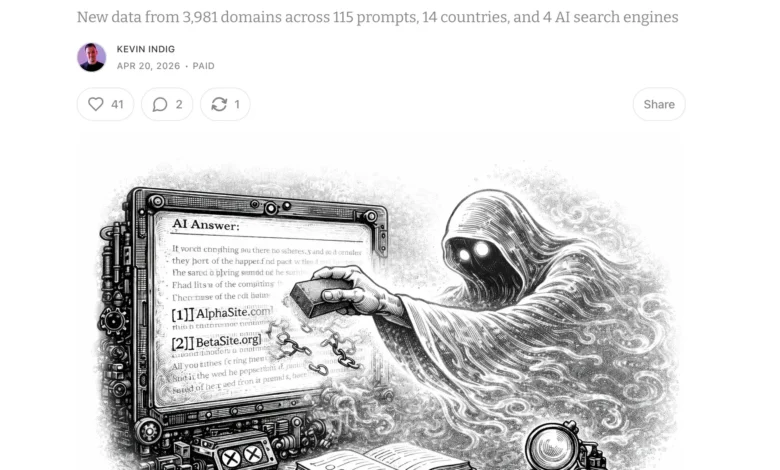
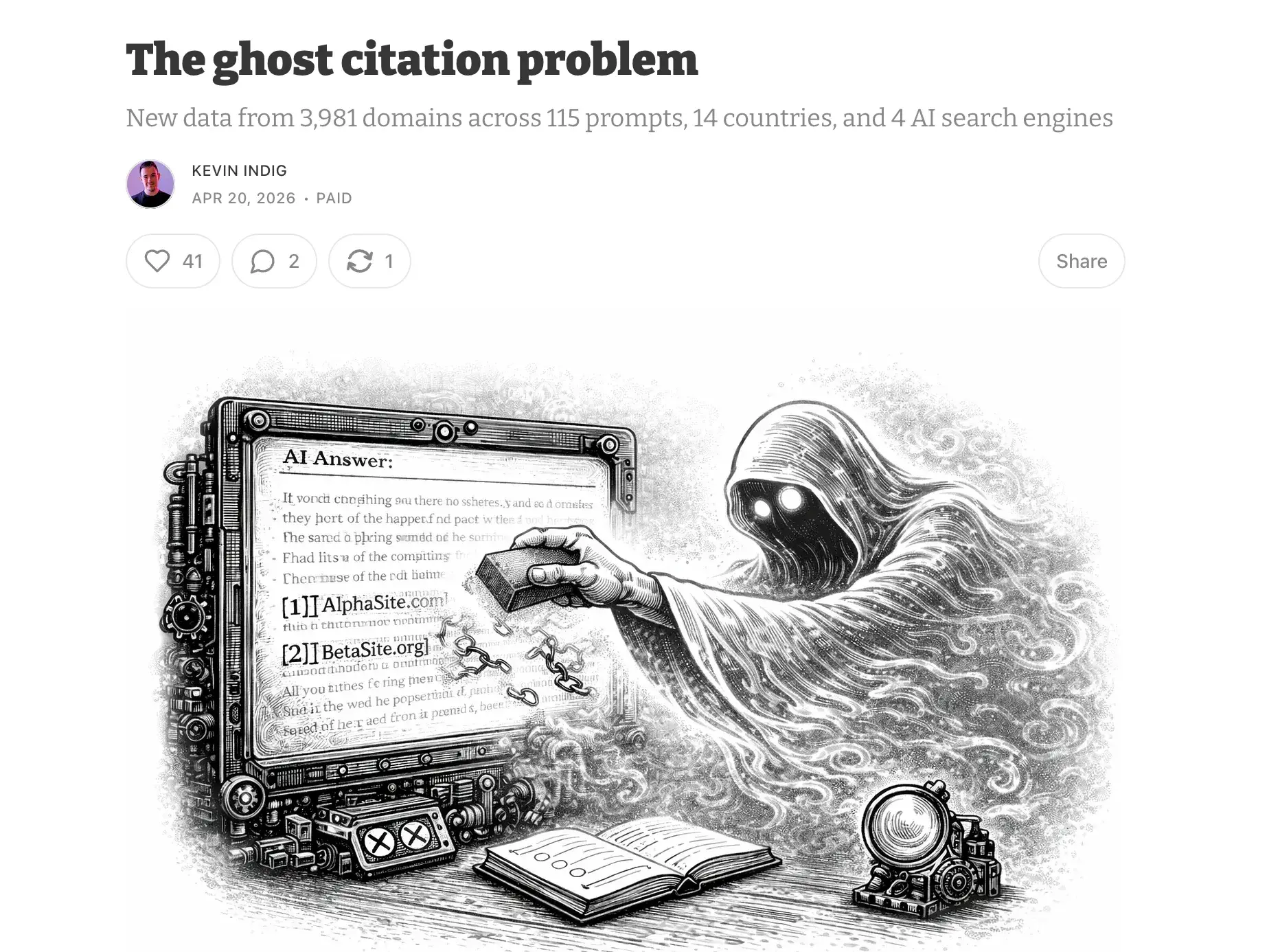
During each fiscal quarter, the research team now evaluates potential topics against several rigorous criteria: market trends, business objectives, product development cycles, and, most importantly, direct customer feedback. By conducting weekly interviews with users, the team identified persistent gaps in industry knowledge. For instance, the "ghost citation" problem—a phenomenon where brands receive citations in AI-generated responses without receiving brand attribution—emerged as a high-value subject. By partnering with industry experts like Kevin Indig, Semrush was able to quantify this issue, providing users with actionable intelligence that aligned perfectly with their product’s value proposition regarding SEO and AI visibility.

The Practicality of Data
A recurring theme in the success of this program is the refusal to publish data for the sake of mere volume. In an era where proprietary data is becoming a competitive necessity, the raw numbers are rarely sufficient to drive engagement. To differentiate, the Semrush team adopted a "value-first" framework. Each study must now move beyond descriptive statistics to offer a prescriptive conclusion. The internal standard requires that every report addresses the "why," the "what," and the "how," effectively transforming raw data into a playbook that helps professionals make informed decisions. This transition from "noise" to "utility" is what separates high-performing research from traditional, overlooked white papers.
Operational Frameworks and Production
To maintain a consistent output, the team developed four distinct operational categories for their studies:
- Internal Data Science Projects: Complex analyses requiring deep engineering support, managed through a structured intake brief.
- Expert Collaborations: Partnerships with independent analysts that bring third-party credibility to a shared topic.
- Internal Marketer-Led Studies: Lightweight, high-frequency surveys or analyses that do not require extensive engineering resources.
- Co-branded Research: Strategic alliances with other industry leaders, such as the landmark study conducted with LinkedIn.
The collaboration with LinkedIn serves as a prime example of the efficacy of this multi-faceted production model. By combining Semrush’s AI-citation tracking data with LinkedIn’s proprietary content and engagement metrics, the two companies produced a study on AI visibility that neither could have executed independently. The project achieved viral reach, earned extensive media coverage in business outlets, and served as a cornerstone asset for both organizations.
Distribution as a Core Competency
The most significant lesson from this institutional shift is that distribution must be baked into the project at the conception phase. A study that is not designed to be distributed is, by definition, an incomplete project. The Semrush distribution engine now operates on a tiered system:
- Internal Repurposing: Breaking down large reports into smaller, digestible formats such as social media threads, infographics, and blog posts.
- Earned Media Outreach: Proactively pitching findings to industry journalists to secure citations in major publications.
- Newsletter and Email Integration: Leveraging existing subscriber bases to ensure immediate visibility upon publication.
- Influencer Advocacy: Partnering with industry thought leaders to amplify findings within specific communities.
Measuring Success and Business Impact
The final challenge in building a sustainable research engine is the measurement of return on investment (ROI). Data thought leadership rarely follows a linear path to conversion. While it can drive direct registrations and new customer acquisition, its primary value is found in brand equity, industry authority, and organic growth.
Semrush emphasizes tracking metrics that reflect long-term brand health rather than short-term vanity metrics. Key performance indicators (KPIs) include organic traffic growth, the volume of external backlinks, the number of media mentions, and the engagement levels of their Ideal Customer Profile (ICP) on social platforms. While downstream revenue—such as new Monthly Recurring Revenue (MRR)—is monitored, the company acknowledges that the true impact of a robust data program compounds over time.
Implications for the Industry
The success of this program demonstrates that as the digital ecosystem becomes increasingly automated, human-led research that solves specific, identified problems becomes more valuable. The era of the sporadic, massive report is fading. In its place, the market is favoring agile, high-utility, and strategically distributed data programs. For firms looking to replicate this model, the recommendation is to start small: run a single experiment to prove the value of the research-led growth model, and then build the systemic infrastructure—the ownership, the pipeline, and the distribution engine—around the successful outcomes.
Ultimately, the competitive advantage gained through original research is transient. As competitors identify the success of such content, they will inevitably attempt to replicate it. Therefore, the long-term sustainability of this strategy relies not just on having data, but on the ability to synthesize that data into a narrative that aligns with the broader industry trajectory. By prioritizing the "so what" over the "how much," companies can ensure that their research remains a foundational element of their growth strategy for years to come.