Hal Yang Perlu Diperhatikan Saat Memilih Psu
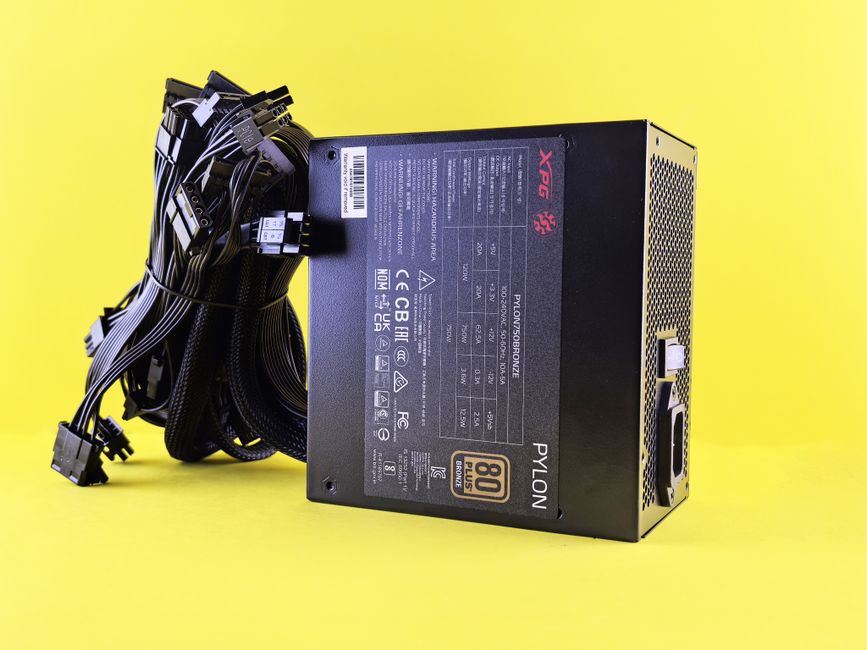
Hal yang Perlu Diperhatikan Saat Memilih PSU (Power Supply Unit) untuk PC Rakitan
Pemilihan Power Supply Unit (PSU) adalah keputusan paling kritis dalam merakit PC, namun sering kali menjadi komponen yang paling diabaikan dibandingkan kartu grafis atau prosesor. PSU berfungsi sebagai "jantung" yang menyuplai daya ke seluruh komponen komputer. Mengabaikan kualitas PSU demi menghemat biaya dapat berisiko fatal, mulai dari ketidakstabilan sistem, kerusakan permanen pada komponen mahal, hingga risiko kebakaran akibat korsleting. Sebelum membeli, Anda harus memahami spesifikasi teknis dan standar industri yang menentukan kualitas sebuah unit daya.
1. Menentukan Kapasitas Watt (Wattage) yang Tepat
Kesalahan umum pemula adalah membeli PSU dengan kapasitas watt yang jauh melebihi kebutuhan atau justru terlalu pas-pasan. Langkah pertama yang harus dilakukan adalah menghitung konsumsi daya total (Total System Power Draw). Gunakan kalkulator daya online seperti OuterVision Power Supply Calculator atau Cooler Master Power Calculator.
Idealnya, Anda harus memilih PSU dengan kapasitas yang memberikan "headroom" atau ruang gerak sebesar 20–30%. Sebagai contoh, jika total konsumsi sistem Anda berada di angka 400 Watt, pilihlah PSU berkapasitas 550 Watt atau 650 Watt. Mengapa demikian? Pertama, untuk efisiensi. Sebagian besar PSU mencapai efisiensi puncaknya saat beban berada di kisaran 50–60%. Kedua, untuk lonjakan daya (power spikes) yang sering terjadi pada GPU modern. Ketiga, untuk menjaga masa pakai komponen internal PSU agar tidak bekerja pada batas maksimalnya secara terus-menerus.
2. Memahami Sertifikasi 80 Plus
Sertifikasi 80 Plus adalah standar efisiensi energi yang dikeluarkan oleh Ecos Consulting. Perlu dicatat bahwa 80 Plus bukanlah indikator kualitas, melainkan indikator efisiensi konversi listrik dari AC ke DC. Tingkatan sertifikasinya meliputi White, Bronze, Silver, Gold, Platinum, dan Titanium.
Efisiensi yang lebih tinggi berarti lebih sedikit energi yang terbuang menjadi panas. Hal ini berdampak pada tagihan listrik yang lebih hemat dan suhu internal casing yang lebih terjaga. Untuk PC gaming atau workstation standar, sertifikasi 80 Plus Bronze atau Silver sudah cukup. Namun, untuk sistem kelas atas (high-end), sangat disarankan memilih sertifikasi 80 Plus Gold ke atas karena produsen biasanya menggunakan komponen internal berkualitas lebih tinggi pada unit-unit tersebut untuk mencapai efisiensi yang lebih ketat.
3. Kualitas Komponen dan "Tier List" PSU
Tidak semua PSU dengan watt yang sama diciptakan setara. Perbedaan harga yang jauh antara dua PSU 650W sering kali disebabkan oleh kualitas kapasitor dan proteksi yang digunakan. Cari PSU yang menggunakan kapasitor buatan Jepang (seperti Nippon Chemi-Con, Rubycon, atau Panasonic) karena memiliki durabilitas yang jauh lebih baik terhadap panas dibandingkan kapasitor buatan Tiongkok atau Taiwan kelas bawah.
Cara termudah bagi pengguna awam untuk memeriksa kualitas PSU adalah dengan merujuk pada PSU Tier List yang dikelola oleh komunitas PC enthusiast (seperti Cultists Network). Daftar ini mengategorikan PSU ke dalam tingkatan (Tier A, B, C, D, E, F) berdasarkan uji laboratorium, kualitas komponen, dan reputasi produsen. Hindari PSU di kategori Tier E (Avoid) atau F (Replace immediately) jika Anda tidak ingin terjadi kegagalan sistem yang merugikan.
4. Sistem Proteksi Listrik (Safety Protections)
PSU yang layak harus memiliki sirkuit proteksi (Protection Circuitry) yang lengkap untuk melindungi komponen PC Anda dari anomali listrik. Pastikan PSU yang Anda pilih mencantumkan fitur perlindungan berikut:
- OCP (Over Current Protection): Mencegah arus berlebih yang dapat merusak komponen.
- OVP (Over Voltage Protection): Mencegah tegangan keluar yang terlalu tinggi.
- UVP (Under Voltage Protection): Mencegah tegangan yang terlalu rendah.
- SCP (Short Circuit Protection): Memutus arus secara instan jika terjadi korsleting.
- OTP (Over Temperature Protection): Mematikan unit jika suhu internal terlalu panas.
- OPP (Over Power Protection): Mematikan unit jika daya yang ditarik melebihi batas kapasitas maksimum PSU.
Jika spesifikasi teknis tidak mencantumkan poin-poin ini, kemungkinan besar PSU tersebut berkualitas rendah.
5. Jenis Kabel: Modular, Semi-Modular, atau Non-Modular
Manajemen kabel sangat memengaruhi estetika dan aliran udara (airflow) di dalam casing. Ada tiga jenis konfigurasi kabel:
- Non-Modular: Semua kabel terpasang permanen ke PSU. Sangat sulit dirapikan jika casing Anda kecil.
- Semi-Modular: Kabel utama (seperti 24-pin motherboard dan 8-pin CPU) terpasang permanen, sementara kabel tambahan (SATA, PCIe) bisa dilepas-pasang. Ini adalah pilihan yang paling efisien untuk kebanyakan perakit PC.
- Full Modular: Semua kabel bisa dilepas. Memberikan fleksibilitas penuh untuk mengganti kabel dengan versi custom (sleeved cables) untuk estetika yang lebih baik.
Pilihlah berdasarkan anggaran dan kebutuhan manajemen kabel di casing Anda.
6. Rails dan Kestabilan Tegangan (Voltage Regulation)
Pada PSU modern, jalur daya utama adalah +12V. Inilah jalur yang memberi makan CPU dan GPU. Hindari PSU tua dengan desain "Multi-Rail" yang rumit atau PSU murah yang tidak mampu menjaga tegangan +12V tetap stabil.
Tegangan yang "berayun" (voltage ripple) terlalu jauh dari ambang batas ideal (biasanya toleransi maksimal adalah 5%) dapat menyebabkan sistem sering reboot secara mendadak atau blue screen. PSU yang berkualitas akan menjaga voltase tetap stabil meski beban PC sedang berada di level maksimal. Ulasan teknis dari situs seperti Tom’s Hardware atau TechPowerUp sangat membantu dalam melihat apakah sebuah PSU memiliki stabilitas voltase yang baik atau buruk.
7. Fan Control dan Kebisingan
Kipas (fan) PSU sering menjadi sumber kebisingan yang mengganggu. Cari PSU yang memiliki fitur "Zero RPM Mode" atau "Hybrid Fan Mode". Fitur ini membuat kipas PSU tidak berputar sama sekali saat beban PC rendah (idle atau browsing ringan), sehingga PC menjadi benar-benar senyap. Kipas baru akan berputar ketika sensor mendeteksi beban panas tertentu. Selain itu, perhatikan ukuran kipasnya; kipas berukuran 120mm atau 140mm jauh lebih senyap dan efisien mendinginkan komponen internal dibandingkan kipas kecil berukuran 80mm.
8. Garansi sebagai Indikator Kualitas
Garansi produsen mencerminkan seberapa besar keyakinan vendor terhadap produk mereka. PSU berkualitas tinggi biasanya menawarkan garansi minimal 5 hingga 10 tahun. Jika sebuah PSU hanya menawarkan garansi 1 atau 2 tahun, itu adalah tanda peringatan besar mengenai kualitas komponen yang digunakan. Jangan pernah tergiur harga murah jika itu berarti mengorbankan durabilitas dan masa garansi.
9. Menghindari "PSU Bawaan Casing" (PSU Bundled)
Banyak casing PC kelas bawah menyertakan PSU di dalamnya. Hindari PSU ini dengan segala cara. PSU bawaan casing hampir selalu memiliki kualitas yang sangat buruk, kapasitas watt yang tidak sesuai dengan label (false advertising), dan tidak memiliki sistem proteksi yang memadai. Selalu beli PSU dari merek ternama yang telah teruji kualitasnya secara terpisah.
10. Kompatibilitas dengan Standar ATX 3.0 / 3.1
Jika Anda berencana menggunakan kartu grafis generasi terbaru (terutama seri NVIDIA RTX 40-series ke atas), pertimbangkan untuk membeli PSU yang sudah mendukung standar ATX 3.0 atau 3.1. PSU tipe ini memiliki konektor 12VHPWR (kabel 16-pin) bawaan yang mampu menangani power excursion (lonjakan daya singkat) secara jauh lebih aman dibandingkan menggunakan kabel adaptor PCIe tradisional yang sering kali menjadi titik panas (overheat). Ini adalah investasi masa depan yang sangat krusial bagi gamer PC masa kini.
Kesimpulan
Memilih PSU bukan sekadar mencari angka watt yang besar. Anda harus memperhatikan sertifikasi efisiensi, kualitas kapasitor, sistem proteksi, jenis kabel, dan reputasi merek melalui ulasan profesional. Menginvestasikan anggaran sedikit lebih banyak pada PSU kelas atas tidak hanya akan melindungi komponen PC yang bernilai jutaan rupiah, tetapi juga memberikan ketenangan pikiran selama bertahun-tahun ke depan. Jangan biarkan jantung sistem Anda menjadi titik lemah yang menghancurkan seluruh perangkat keras lainnya. Selalu prioritaskan keamanan, stabilitas, dan efisiensi dalam setiap pemilihan unit daya PC Anda.