How an Unscripted Cameo in an A24 Meta-Documentary Sparked a Million-Dollar Viral Phenomenon for a Bootstrapped Snack Brand


In the hyper-competitive consumer packaged goods industry, emerging brands typically allocate significant portions of their capital to securing product placement, cultivating influencer partnerships, and executing meticulously planned digital marketing campaigns. Yet, occasionally, organic cultural phenomena eclipse the most sophisticated corporate strategies. For Ricky Hirsch, founder and chief executive officer of the independent meat snack brand Think Jerky, a multi-million-dollar marketing windfall arrived entirely unprompted on October 16, courtesy of a surreal meta-documentary directed by Nathan Fielder and Lance Oppenheim.
The unexpected collision of high-stakes corporate crime, avant-garde cinema, and artisanal turkey snacks has fundamentally transformed the trajectory of Think Jerky. What began as a subtle visual gag in an independent film rapidly evolved into an internet-wide meme, a retail supply chain squeeze, and a masterclass in capitalizing on spontaneous cultural relevance. For a bootstrapped enterprise operating with a lean four-person team, the episode underscores the unpredictable nature of modern media and the potent commercial leverage of viral public fascination.
Origins of a Culinary-Driven Brand
Established in 2015, Think Jerky was conceived by Hirsch during a transitional phase following his departure from a traditional finance career. Combining analytical acumen with creative ambitions, Hirsch sought to disrupt the pervasive perception of dried meat snacks as heavily processed, chemically laden convenience store fare. Instead, he envisioned a minimalist, design-forward brand centered on chef-crafted recipes, clean ingredient decks, and premium proteins.
To elevate the product’s culinary profile, Think Jerky partnered with acclaimed culinary figures, including Michelin-starred and two-time James Beard Award-winning chef Gale Gand, who formulated the brand’s signature sriracha honey turkey jerky flavor. Despite steady retail distribution across select grocery chains and e-commerce channels, the brand remained a niche player in a crowded category dominated by heavily funded legacy conglomerates and venture-backed upstarts. That dynamic shifted overnight when the company’s signature sriracha honey variant entered the cinematic spotlight in the most improbable of contexts.
The Cinematic Catalyst: You Can See Everything

The catalyst for Think Jerky’s viral surge was the release of You Can See Everything, an A24 meta-documentary produced by Nathan Fielder and Lance Oppenheim. The film explores the psychological aftermath and public persona of Elizabeth Holmes, the disgraced founder of defunct blood-testing startup Theranos, during the period leading up to her federal prison sentence. In 2022, Holmes was convicted on one count of conspiracy and three counts of wire fraud following the collapse of a company that had amassed over $140 million in investor losses and captivated global media attention.
Within the documentary, a dramatic reenactment features actress Amanda Seyfried—who previously portrayed Holmes in Hulu’s dramatized limited series The Dropout—requesting turkey jerky from a prison vending machine. As the camera frames the transaction in a meticulously composed shot, the distinct packaging of Think Jerky is prominently displayed. The film concludes with scenes depicting Holmes and her husband, Billy Evans, consuming the product.
For Hirsch, who was residing in Austin, Texas, the initial notification came not from a public relations firm or a distribution partner, but from a bewildered employee attending a New York screening of the film.
"I was familiar with Elizabeth Holmes," Hirsch notes, reflecting on his awareness of high-profile corporate scandals. "I’m in the business world, so that always intrigued me. And I saw the Hulu series. I was not familiar with Nathan Fielder at all."
Upon realizing the scale of the placement—which functioned as a prominent visual anchor in a high-profile cinematic release—Hirsch attended a local screening in Austin the following day. Equipping himself with approximately thirty bags of inventory, the chief executive exited the theater and began distributing samples to astonished moviegoers on the street. The immediate public reaction provided an early indicator of the commercial velocity that would follow.
Chronology of an Unprecedented Sales Surge
The cultural resonance of the film’s visual framing translated almost instantaneously into measurable retail and digital demand. Within a fourteen-day window following the film’s premiere and subsequent discussions across cultural media platforms, Think Jerky recorded a 345 percent increase in direct-to-consumer sales on its official website, alongside a 92 percent surge in transactions on Amazon.

Regional grocery partnerships experienced similar inventory depletion. Consumers and social media commentators documented widespread stockouts at major retail chains, including Texas-based supermarket giant H-E-B, where shoppers humorously cleared shelves of what rapidly became dubbed "the Elizabeth Holmes jerky."
The momentum quickly cascaded across digital ecosystems. Reddit communities dedicated to film analysis, true crime, and cultural critique dissected the inclusion of Think Jerky as a narrative symbol, debating whether the product served as a metaphor for corporate manipulation, consumer control, or mundane humanizing irony. Simultaneously, YouTube video essayists analyzed the documentary’s layered meta-narrative, while digital creators and entrepreneurs speculated on the monetary value of the exposure.
"If somebody wanted to pay for this publicity, it’s in the millions of dollars," Hirsch observes, noting that traditional advertising budgets of an independent enterprise could never have purchased comparable reach. The serendipitous alignment between the brand’s name—Think Jerky—and the psychological themes of the documentary further anchored the product into the broader cultural discourse, transforming the snack bag into an accidental character within the film’s narrative ecosystem.
Navigating Operational Realities with a Bootstrapped Team
For an organization that has deliberately avoided external venture capital financing since its inception, managing a sudden, exponential spike in demand presented acute operational challenges. Operating with a core team of only four employees, Think Jerky faced the classic startup dilemma of scaling logistics, inventory management, and customer service without the structural buffers of a large corporate apparatus.
"People are stepping up, our significant others are stepping up and all that, but we are not a big business," Hirsch explains. "We do not have a big team. We never raised money, which is very unique in my industry."
Despite the constraints, inventory management systems proved resilient. Think Jerky maintained approximately sixty days’ worth of finished goods inventory in reserve, providing a crucial operational buffer while production partners accelerated manufacturing runs to replenish depleted distribution nodes.
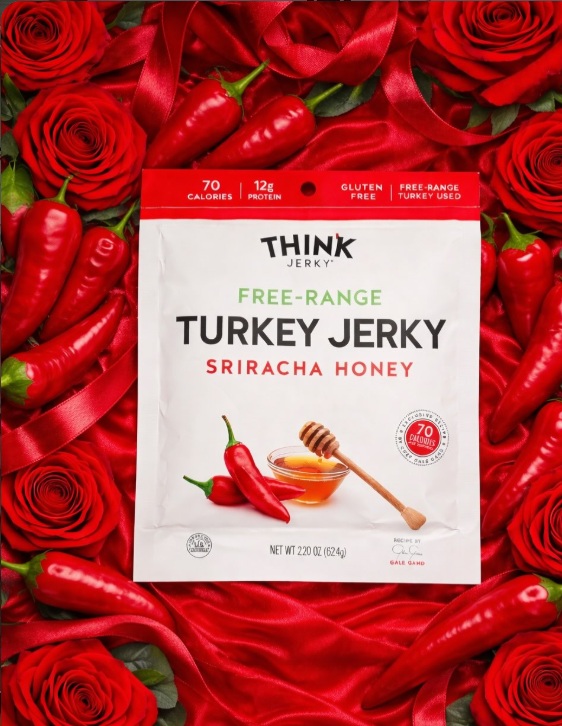
Strategic Response and Marketing Extensions
Rather than passively observing the viral moment fade, Hirsch and his team elected to actively fuel the marketing momentum through targeted, low-cost guerrilla activations and strategic product rollouts.
Recognizing that visual recognition of the packaging might outlast brand name recall in the minds of casual consumers, the company leaned heavily into the meme economy. Plans were set in motion for the team to travel to the San Diego Food & Wine Festival, where Chef Gale Gand would prepare a specialized egg dish—incorporating a subtle thematic nod to the film’s narrative elements—topped with Think Jerky. Additionally, the brand organized interactive promotional events featuring lookalike contests and cardboard cutouts of Elizabeth Holmes, transforming a passive cinematic cameo into an active, participatory brand experience.
Concurrently, the company accelerated a planned digital overhaul, initiating a comprehensive website redesign scheduled for completion to coincide with a broader soft rebrand. This updated digital architecture is designed to more accurately reflect the brand’s culinary pedigree and newly expanded product lines.
Broader Implications and Future Outlook
The unexpected viral success of Think Jerky highlights a broader structural shift in modern consumer marketing. In an era dominated by algorithmic feeds and fragmented attention spans, traditional paid media campaigns frequently struggle to achieve the authenticity and cultural resonance of organic, unscripted placements. When popular culture adopts a brand organically, the resulting consumer trust and engagement often outpace the returns of heavily capitalized promotional campaigns.
Looking toward the future, Hirsch is evaluating long-term strategic opportunities that could elevate the brand beyond its current operational scale. While the enterprise has successfully maintained financial independence through bootstrapping for nearly a decade, the founder acknowledges that the right institutional or strategic partner could provide the capital necessary to capitalize on national distribution expansion.
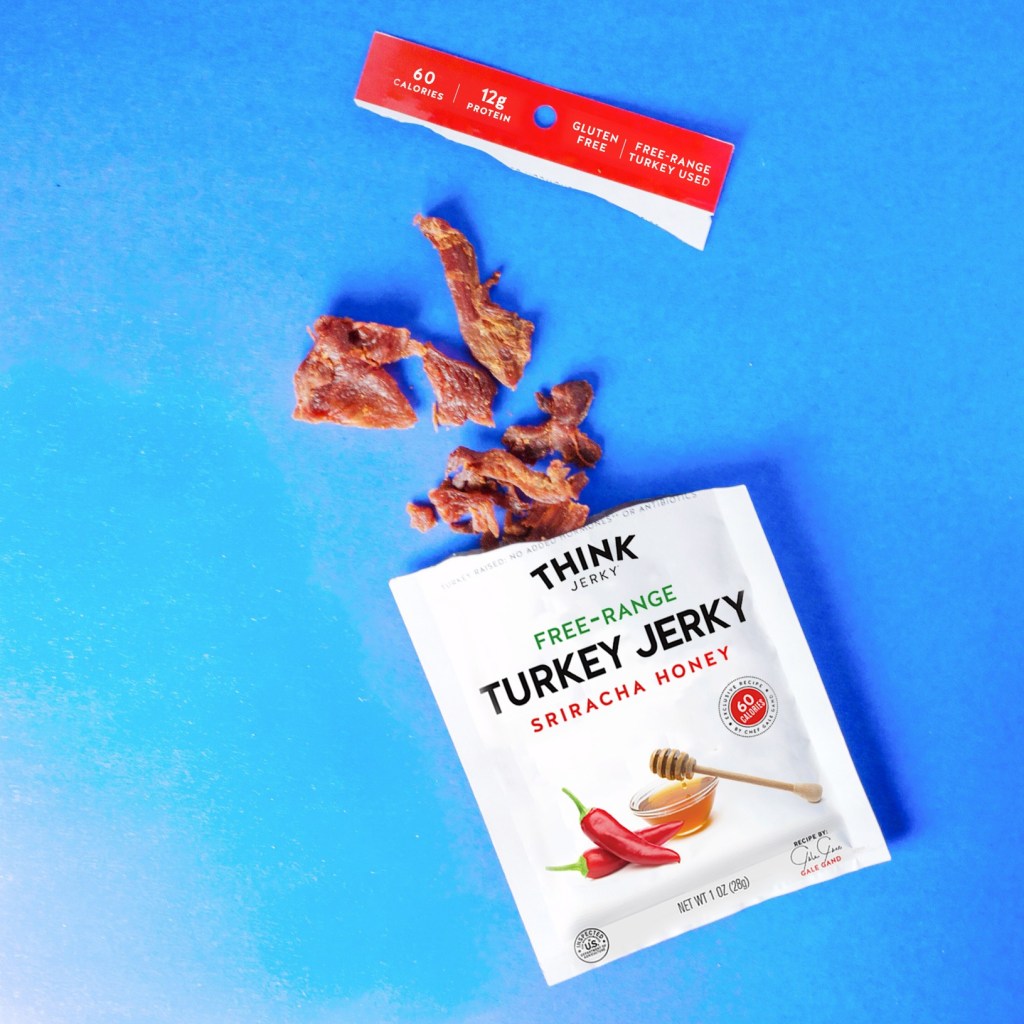
"If Daniel Lubetzky wants to talk to me, I would love to talk to Daniel Lubetzky," Hirsch remarks, referencing the renowned founder of KIND Snacks and his legacy of scaling wholesome snack brands.
As the ripple effects of the cinematic cameo continue to generate consumer interest, new product development remains a core priority. Think Jerky is currently preparing to launch seasonal offerings, including a specialized Thanksgiving turkey stick developed in collaboration with four-time James Beard Award-winner Andrew Zimmern.
What began as a quiet evening watching televised poker in Austin has culminated in a defining chapter for an independent snack company. By remaining agile, embracing absurdist cultural humor, and executing rapid-response marketing, Think Jerky has demonstrated how a micro-enterprise can leverage lightning-in-a-bottle momentum to achieve nationwide visibility, secure unprecedented sales growth, and redefine its position within the competitive functional food landscape.
Related posts: