The Strategic Shift in B2B Marketing: Evaluating Ahrefs Brand Radar Alternatives for the Answer Engine Age

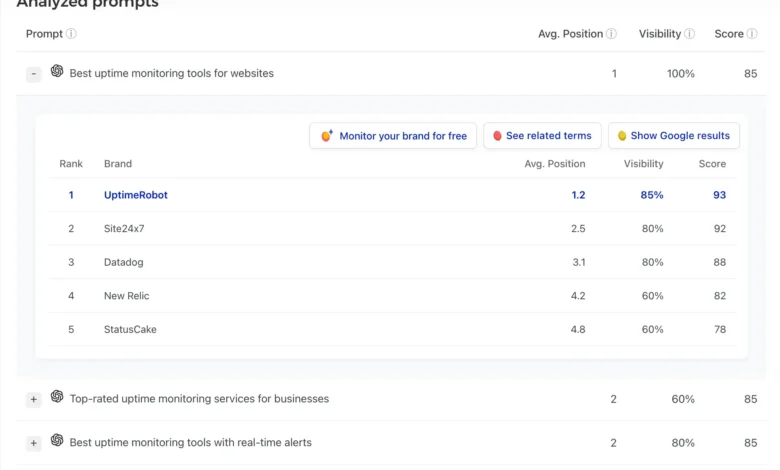
The landscape of digital discovery is undergoing a structural transformation as the "Answer Economy" replaces traditional search. According to G2’s 2026 Answer Economy research, 51% of B2B software buyers now initiate their research through AI-powered chatbots rather than standard search engines like Google. This behavioral pivot has rendered traditional rank tracking insufficient, compelling marketing organizations to pivot toward Answer Engine Optimization (AEO). While Ahrefs Brand Radar has established a significant footprint in this space, many marketing teams are now seeking alternatives that offer more granular prompt-level reporting, broader model integration, and deeper connectivity to CRM-driven revenue metrics.
The emergence of AI search has fundamentally altered the buyer’s journey. Previously, marketers focused on "blue links" and domain authority; today, they must contend with LLM-generated responses that summarize information, cite sources, and occasionally hallucinate or omit brands entirely. This reality has created an urgent demand for specialized tooling capable of auditing how brands are represented across major models like ChatGPT, Perplexity, and Gemini.
The Evolution of AI Visibility Tracking
For years, the SEO industry relied on static keyword tracking. However, the 2024-2025 period marked a definitive shift toward conversational AI. As these platforms gained market share, companies realized that their brand’s presence in an AI summary was often disconnected from their organic search performance.

Early adopters of AI visibility tools, such as those used by companies like Ketch and Truck1, found that initial tools were often too broad. They provided a "visibility score" that lacked the necessary context for high-intent B2B decision-making. As the market matured, users began demanding "prompt-specific" data—the ability to track how an AI answers a very specific, high-intent query from a potential buyer. This, in turn, forced vendors to iterate rapidly. Ahrefs, for example, has significantly expanded its Brand Radar capabilities to include custom prompt monitoring, acknowledging that the initial wave of tools was often criticized for being too rigid for complex, enterprise-level marketing workflows.
Comparative Analysis: Beyond the Brand Radar
Marketing teams currently evaluating alternatives to Ahrefs Brand Radar generally cite four primary pain points: the need for more granular data, a desire for prompt-specific customization, cost-efficiency, and the requirement for tighter integration with internal customer relationship management (CRM) systems.
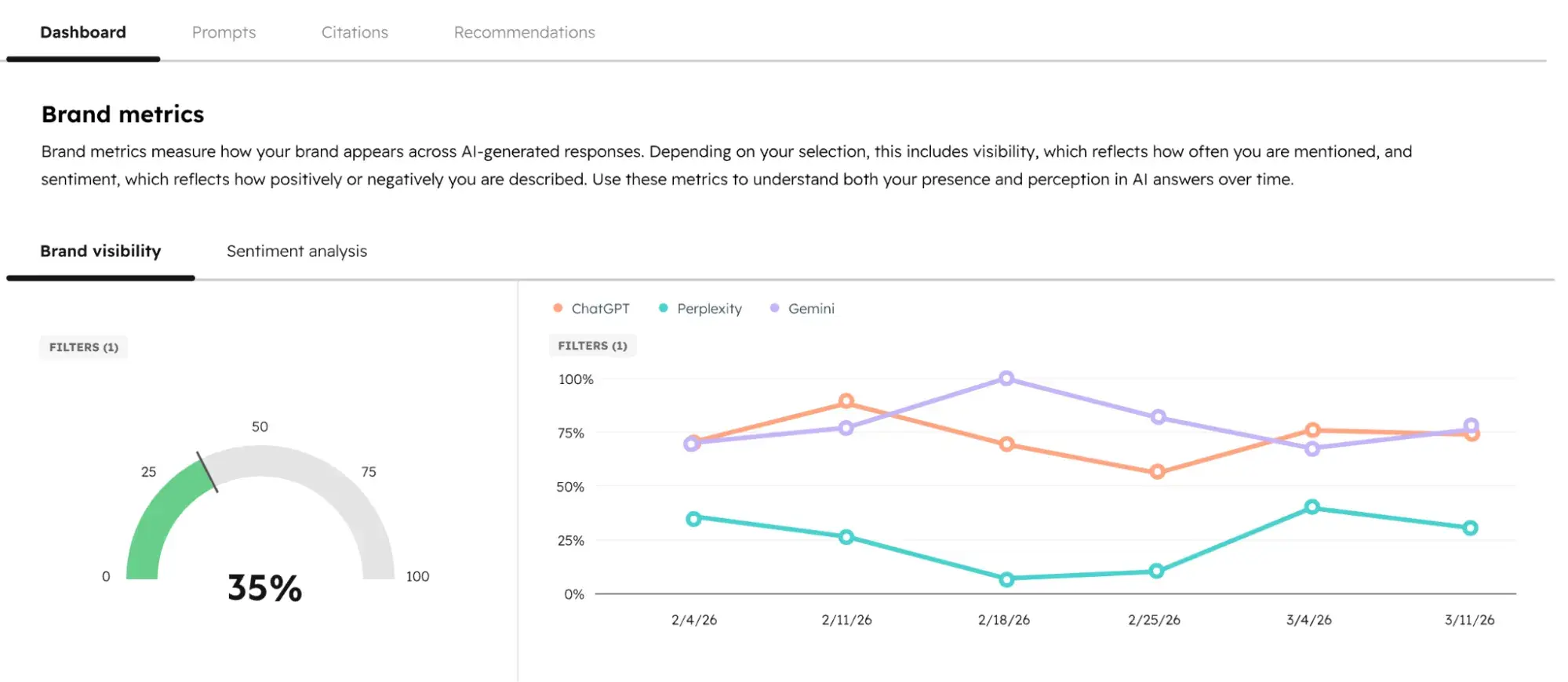
1. HubSpot AEO: Bridging Visibility and Revenue
HubSpot’s AEO (Answer Engine Optimization) tool has emerged as a leader for teams already embedded in the HubSpot ecosystem. By integrating AI visibility directly into the CRM, users can correlate a brand’s appearance in an AI response with actual pipeline growth. Unlike standalone trackers, HubSpot AEO provides prioritized, actionable recommendations. If a brand is losing visibility on a specific, high-intent prompt, the tool identifies the content gaps and suggests specific content updates.
2. Profound: The Enterprise-Grade Solution
Profound targets larger organizations that require a sophisticated AEO program. Its architecture goes beyond simple brand mentions, offering "Agent Analytics" that dissect how AI platforms interpret a brand’s value proposition. Its ability to integrate up to nine different answer engines makes it a robust choice for international companies that must account for regional variations in AI model behavior.
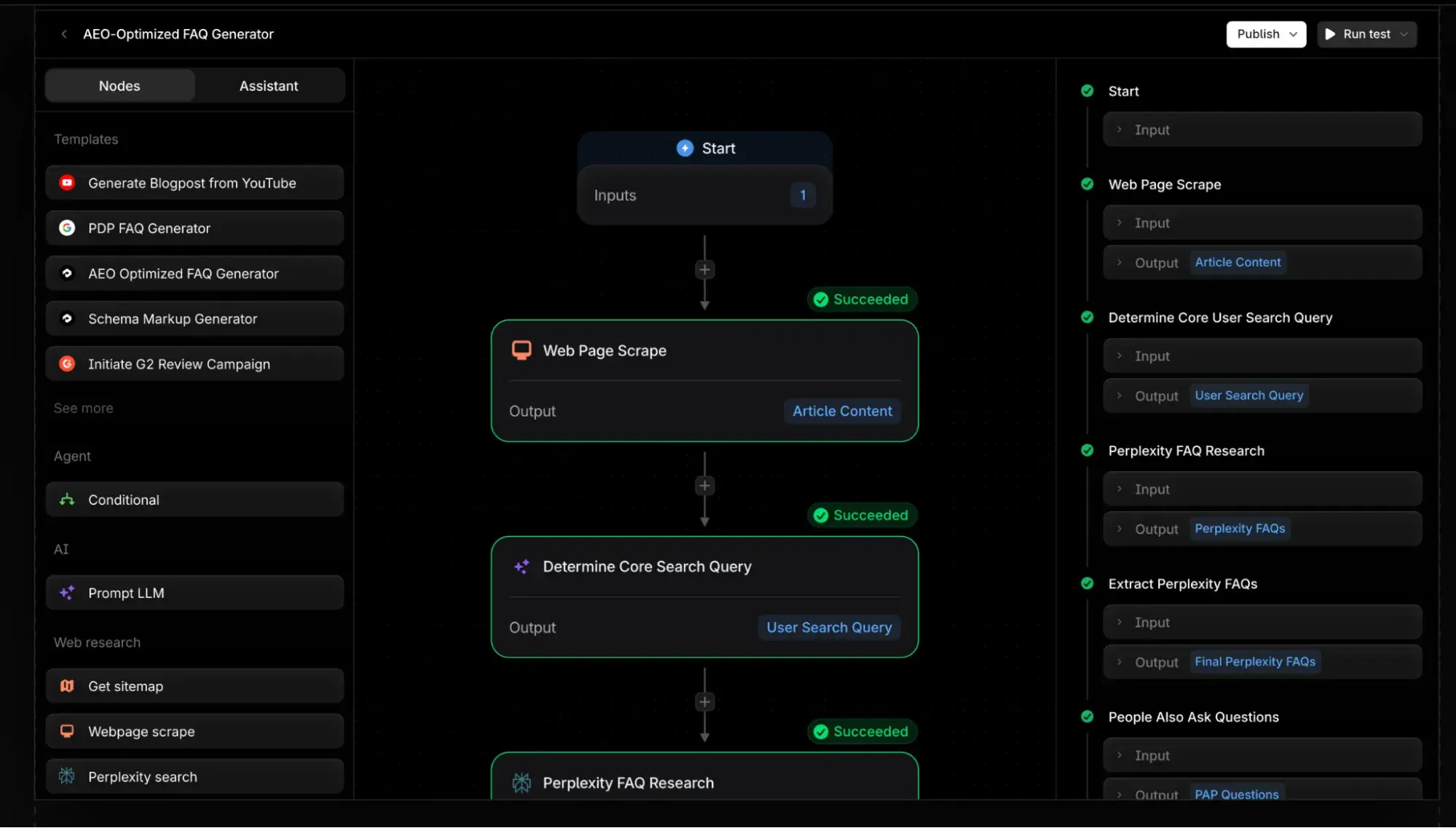
3. Peec AI: Collaborative Search Intelligence
Peec AI has gained traction by focusing on team-based workflows. By allowing unlimited users on public plans, it facilitates cross-departmental collaboration between SEO specialists, content creators, and product marketers. Its interface is designed to make the "black box" of AI answers transparent, showing exactly which URLs were cited and which competitors gained the most ground in a given session.
4. Xofu: The Precision Tool for Purchase Intent
Xofu differentiates itself by focusing exclusively on "bottom-of-the-funnel" queries. Its design philosophy assumes that a general mention in an AI summary is less valuable than a recommendation during a vendor-comparison search. By filtering out "noise" and focusing on purchase-intent prompts, Xofu provides a cleaner signal for ROI-focused marketing teams.
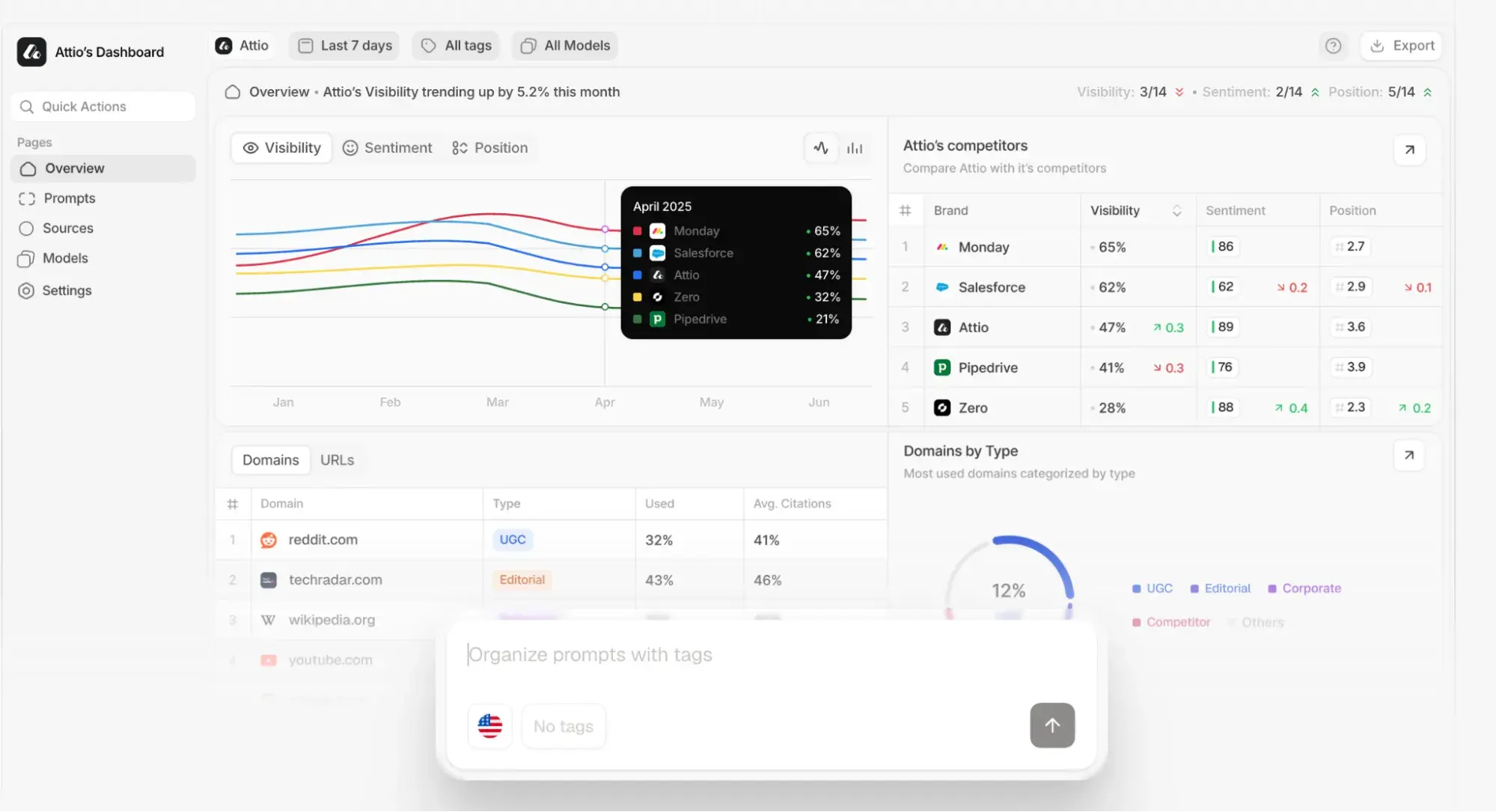
The Role of Free Diagnostic Tools
The barrier to entry for AI visibility is rapidly lowering. Tools like the HubSpot AI Search Grader and Mangools AI Search Grader provide immediate, one-time snapshots of a brand’s AI presence. These diagnostic utilities are becoming standard in the industry, serving as a "first look" for marketing leaders before they commit to the recurring costs of a full-scale monitoring platform. Industry analysts suggest that this "freemium" model is crucial for educating non-technical stakeholders on the importance of the Answer Economy.
The Critical Need for CRM Integration
Perhaps the most significant development in this space is the move toward "closed-loop" analytics. Previously, visibility data existed in a vacuum—a dashboard showing a brand’s presence on ChatGPT had little to do with the sales team’s quarterly targets. Today, the most effective tools, such as HubSpot AEO, are being built to bridge this gap.
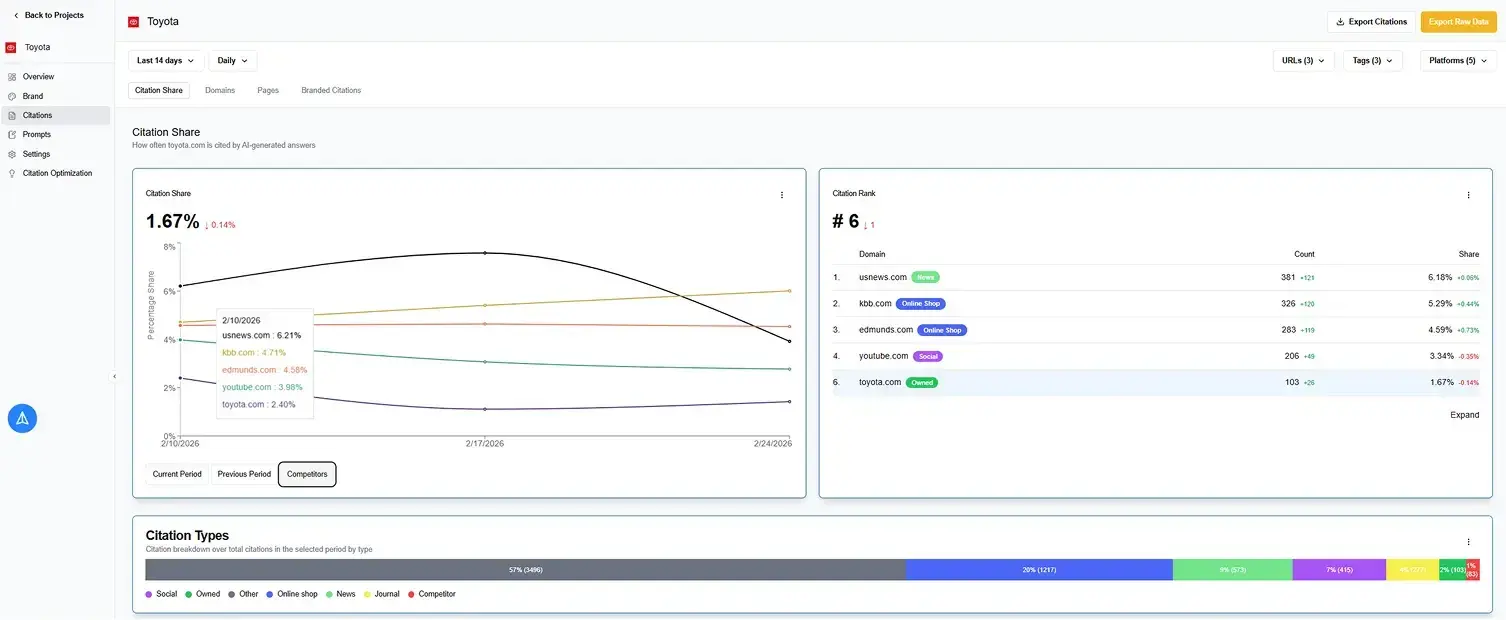
When a marketing team can see that a specific, high-intent AI prompt—such as "best CRM for small business"—is leading to traffic that converts at a 15% higher rate, the value of AEO becomes undeniable. This integration prevents AI visibility from being treated as a vanity metric. Instead, it becomes a strategic business lever.
Implementation Strategy: A Controlled Rollout
For marketing organizations looking to adopt an AEO tool, industry best practices suggest a five-step, controlled implementation:
- Integrate and Align: Define where AI visibility data will reside and ensure it is accessible to both marketing and sales teams.
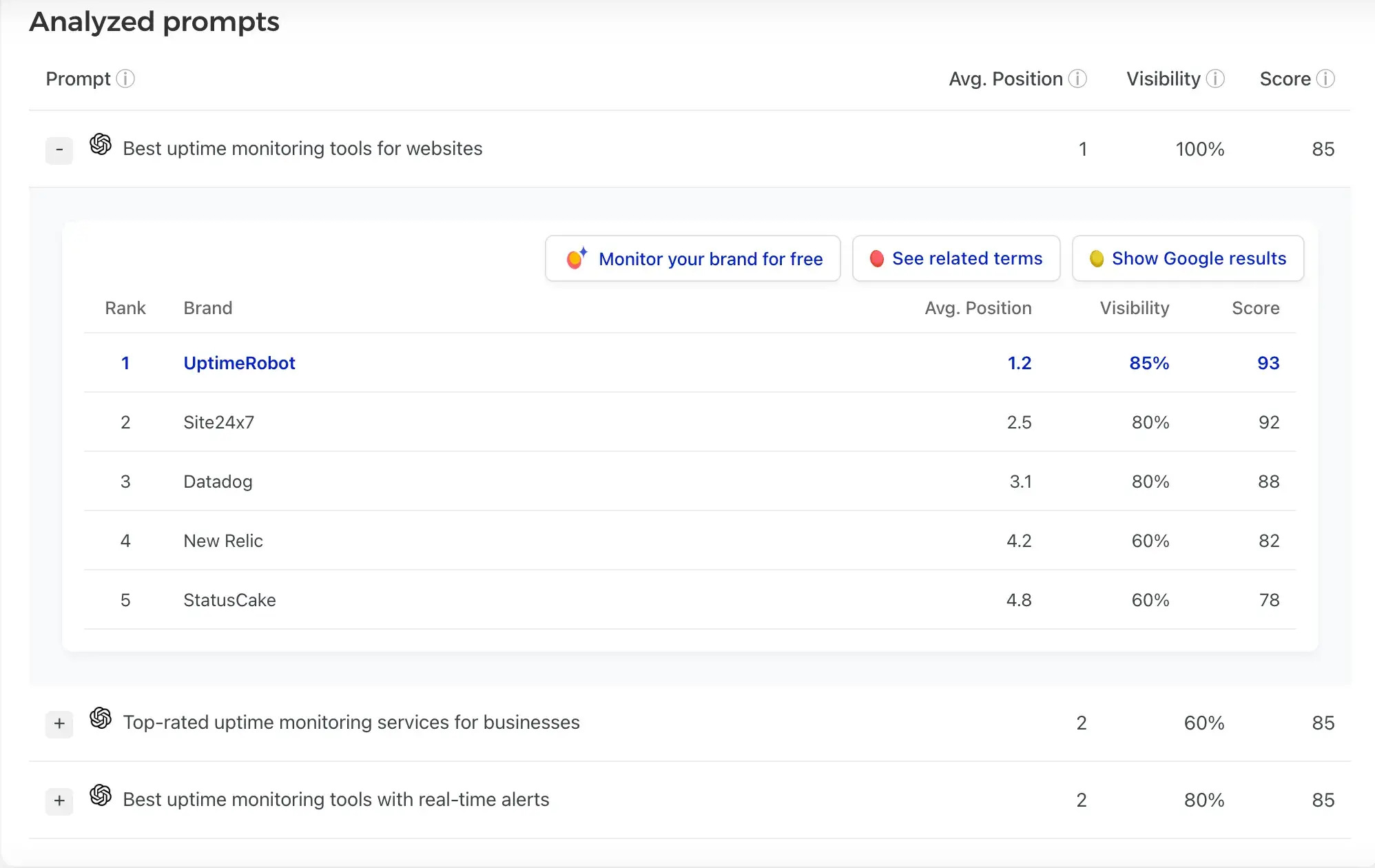
- Standardize Prompts: Avoid "prompt drift" by establishing a core library of high-intent queries that are tracked consistently across all platforms.
- Multi-Run QA: Because AI models are probabilistic, they generate different answers to the same prompt. Teams must run multiple queries to establish a statistically significant baseline.
- Evidence Repository: Maintain a historical log of AI responses. This is critical for auditing how models change their behavior over time, especially following major software updates (e.g., OpenAI’s "o1" or Google’s Gemini updates).
- Pilot and Scale: Start by testing the tool on a single product line or geographic region before rolling out the program across the entire enterprise.
Implications and Future Outlook
The shift toward AI-assisted search represents a fundamental change in the digital marketing hierarchy. SEO professionals are evolving into "Answer Engine Optimizers." While traditional SEO remains essential for long-tail traffic and technical health, AEO is becoming the new frontier for brand authority and lead generation.
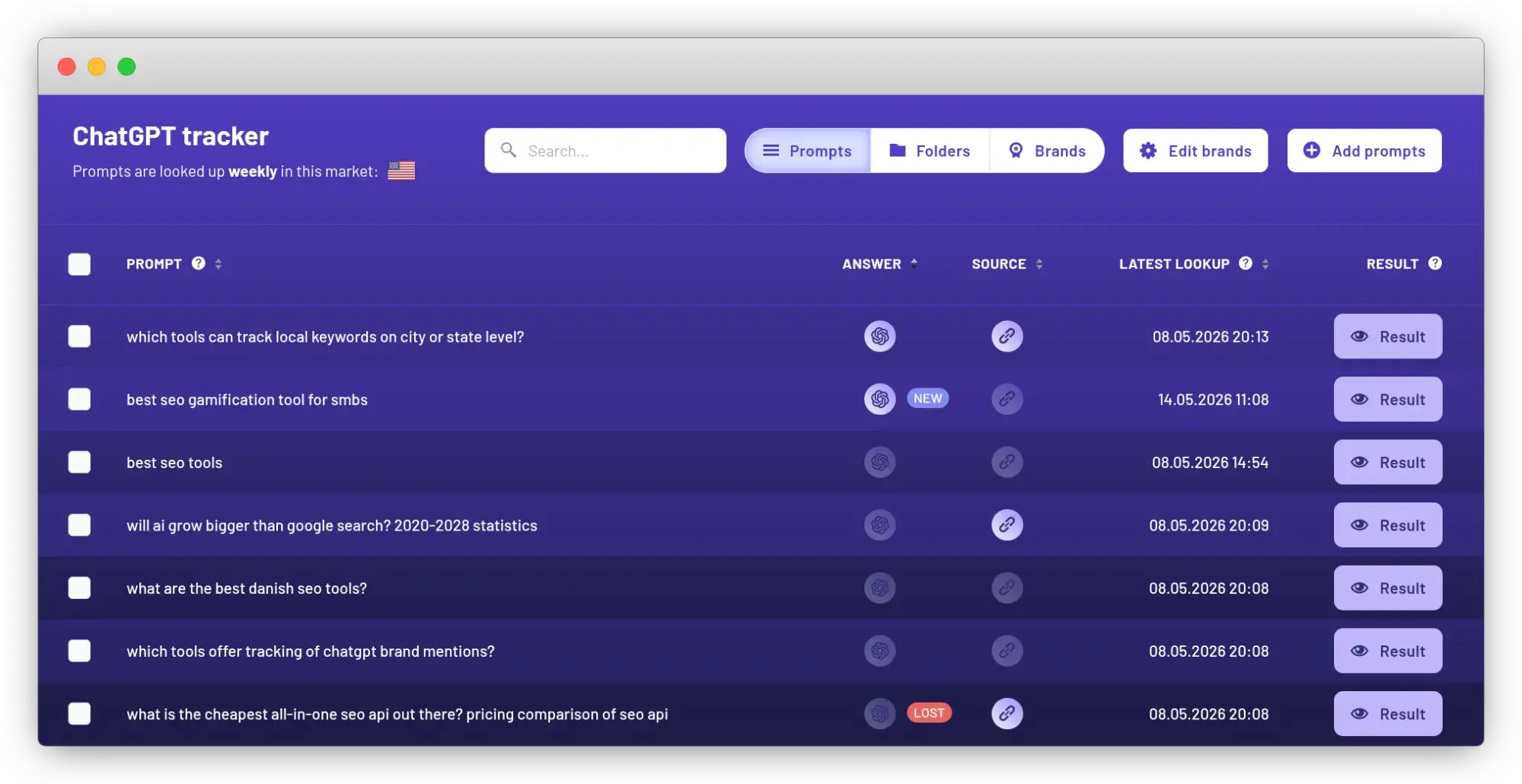
However, the industry faces a significant challenge: the lack of standardized reporting. Unlike traditional Google Search Console data, which is governed by a single entity, AI visibility data is fragmented across different models, each with its own proprietary ranking algorithm. This necessitates a "multi-model" approach to tracking.
Ultimately, the choice of an Ahrefs Brand Radar alternative should not be based solely on price or the number of features. It must be based on the platform’s ability to provide clear, actionable insights that connect to the bottom line. Marketing teams that treat AI visibility as a standalone KPI will likely struggle to prove its value. Conversely, those that integrate these insights into a broader, CRM-connected strategy will be the ones to master the Answer Economy, effectively turning AI-generated answers into a consistent driver of revenue and competitive advantage.
As we move toward 2026, the question is no longer whether a brand is visible on the first page of Google, but whether it is the first brand recommended by an AI assistant when a customer is ready to buy. The tools highlighted in this analysis—ranging from the enterprise-heavy Profound to the highly focused Xofu and the CRM-integrated HubSpot AEO—all point to a singular trend: the future of marketing is not just being found, it is being recommended.