The Great Wage-Price Disconnect: How Decades of Economic Policy Built America’s Affordability Crisis


The modern American economy is gripped by a widening chasm between the soaring costs of daily living and stagnant wage growth, a dynamic that is reshaping households, labor markets, and retirement plans across the nation. While essential expenses—spanning fuel, transportation, housing, and food—have escalated rapidly, average private-sector wage growth has lagged significantly behind. This persistent divergence has sparked an urgent debate among economists, corporate leaders, and policymakers over whether these pressures are merely episodic symptoms of post-pandemic inflation or the manifestation of a deeper, structural shift spanning nearly half a century.
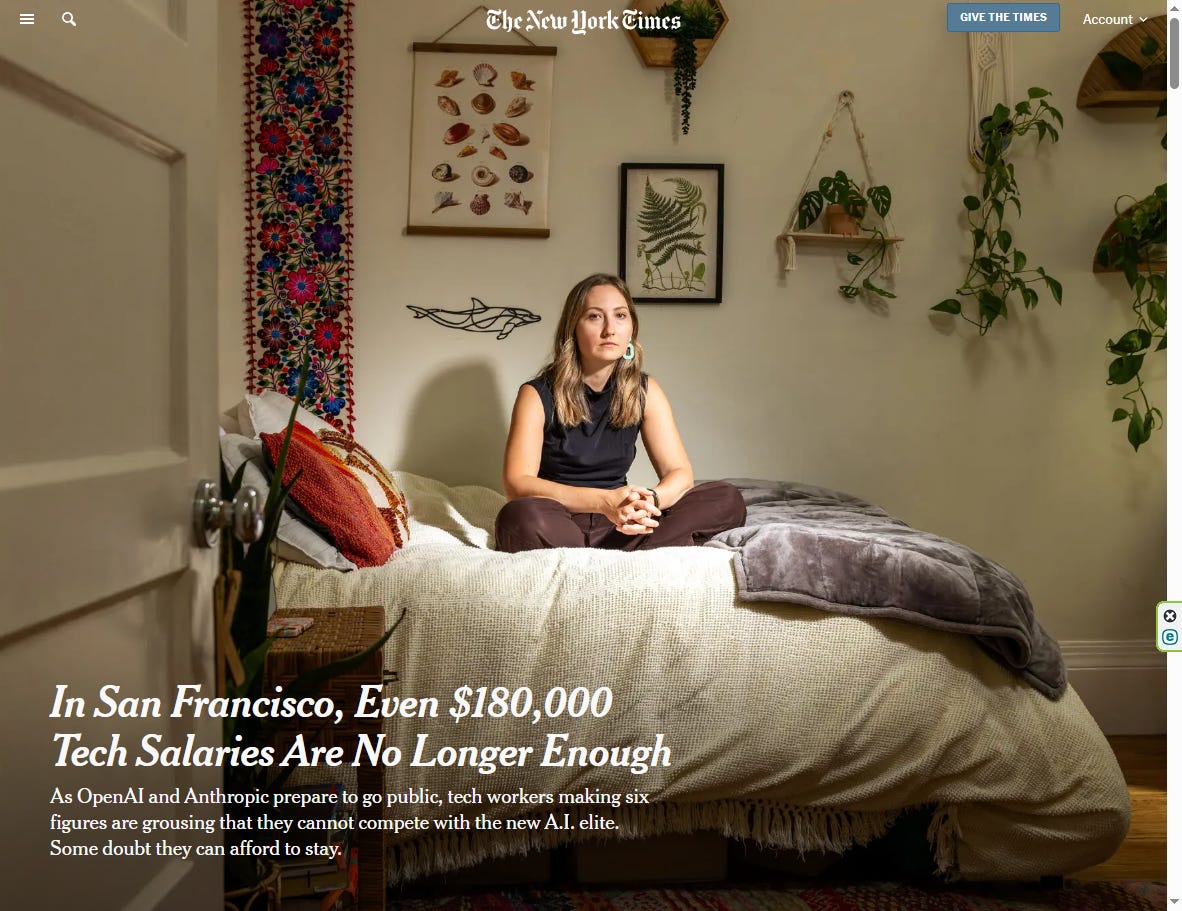
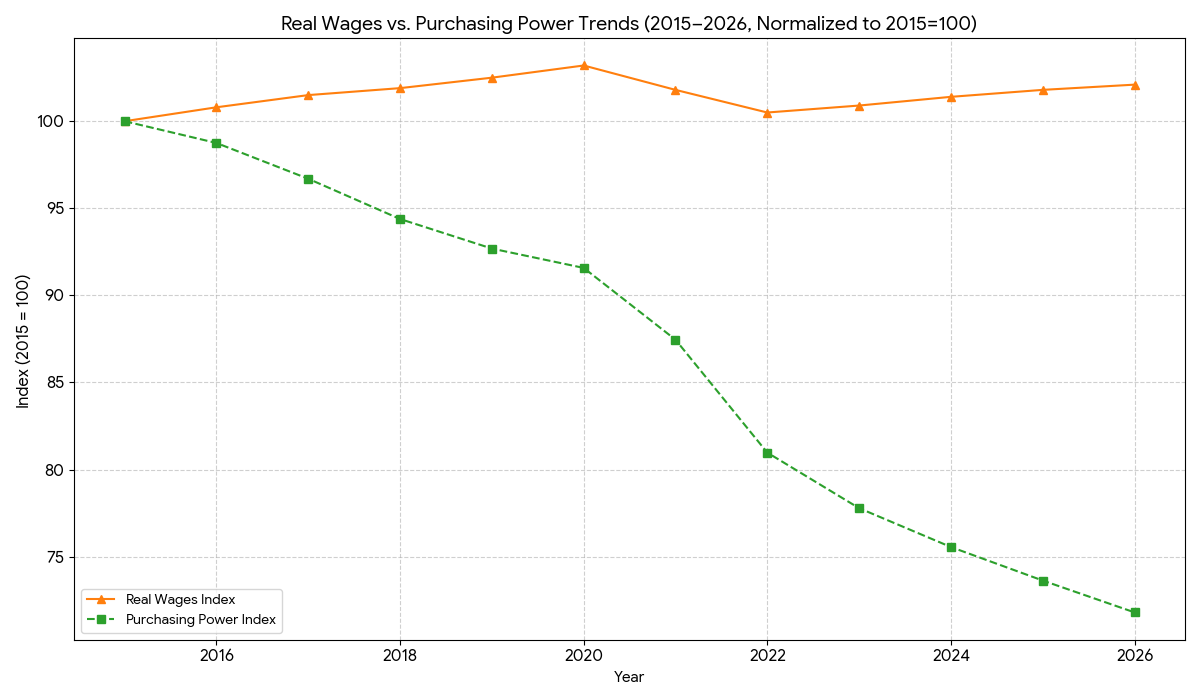
Recent data underscores the severity of the squeeze. Year-to-date figures show dramatic spikes in basic living expenses: gasoline prices have climbed by 24%, overall energy costs are up 27%, airline fares have risen by 26%, and staple agricultural goods such as fruits and vegetables have increased by 5%. Concurrently, average private-sector wages have grown by a modest 3.5%. The compounding effect of these increases has drastically eroded household purchasing power, creating an environment where even high earners feel pinched. A recent analysis highlighted by mainstream media revealed that in high-cost metropolitan areas like San Francisco, a combined household income of $370,000 can still prove insufficient to comfortably secure standard housing—an indicator of a broader national affordability crisis.
This strain is no longer confined to traditional labor demographics; it has fundamentally altered the trajectory of retirement in the United States. A recent study by AARP highlights the emergence of "unretirement," revealing that 7% of retirees returned to the workforce, while 12% of seniors overall have re-entered the labor market to cope with escalating expenses. Facing mounting healthcare, food, and utility bills, older Americans are finding their fixed incomes inadequate, pointing to systemic financial vulnerability across generations.
Historical Context and Chronology of the Disconnect
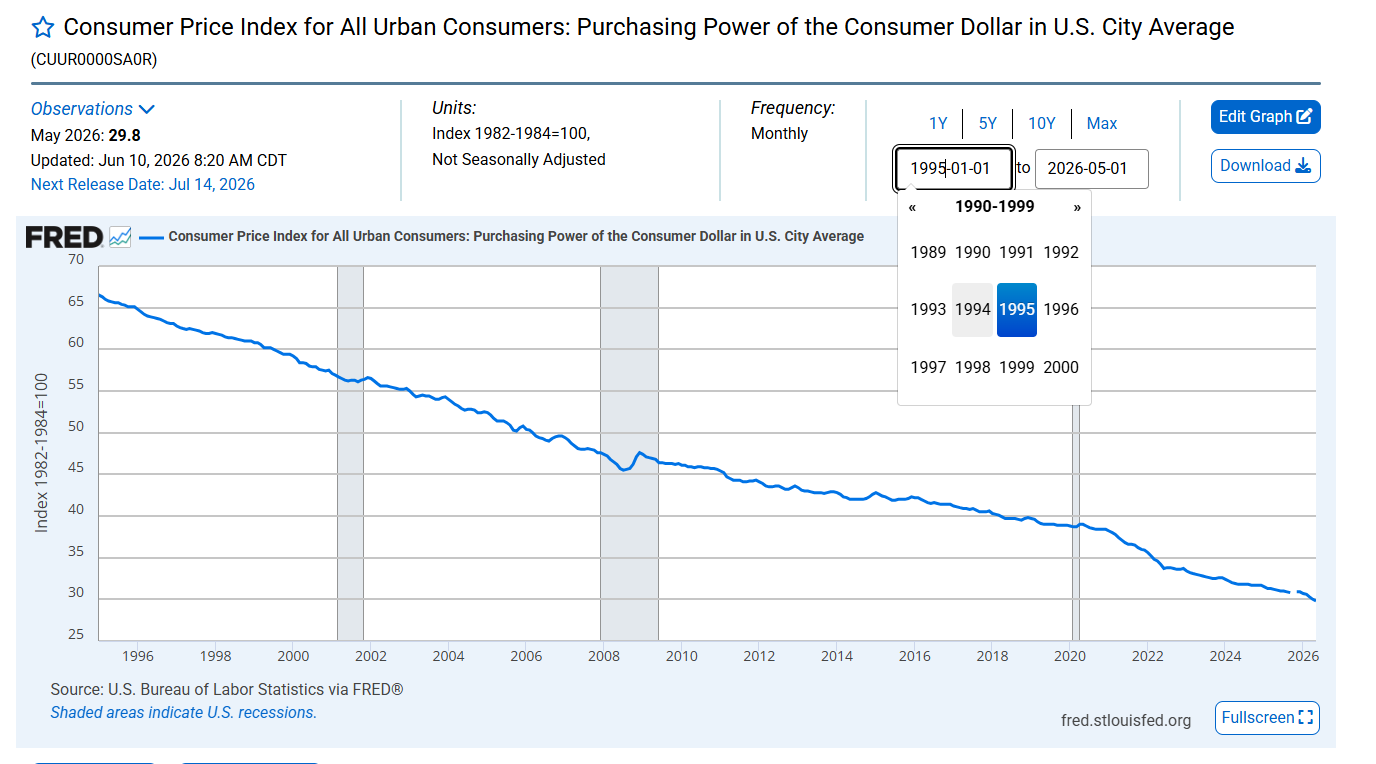
To understand how purchasing power deteriorated to this degree, economists trace the divergence back to the late 1970s and early 1980s. Prior to this era, federal economic policy, labor dynamics, and wage growth maintained a relatively synchronized relationship with national productivity. However, successive shifts in fiscal policy and corporate governance began altering this balance.
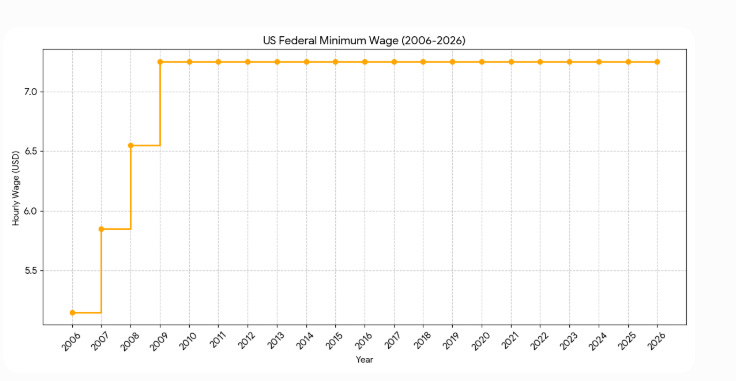
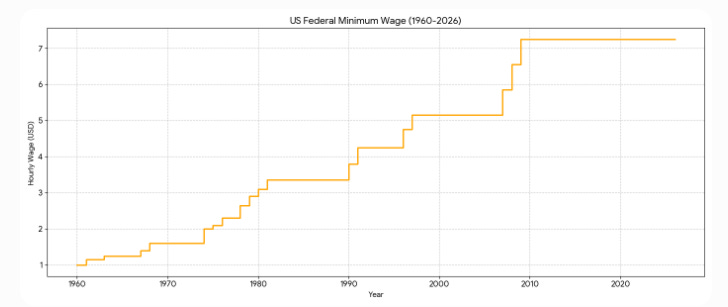
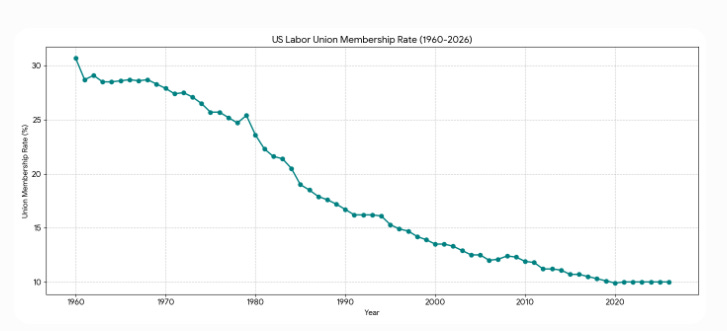
In the wake of the stagflation crises of the 1970s, driven largely by volatile oil shocks, federal strategies shifted toward restraining inflation and curbing labor costs. The federal minimum wage, which had historically tracked economic expansion and inflation, was effectively frozen or allowed to erode in real terms after 1980. Concurrently, labor union participation—once a primary vehicle for securing wage increases and robust benefits—began a steady, multi-decade decline. This period also saw the widespread adoption of defined-contribution retirement plans, such as 401(k)s, shifting wealth-building responsibilities from corporations to individual employees.
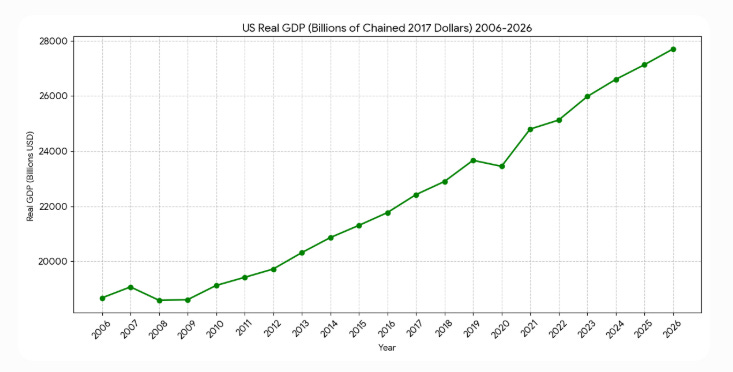
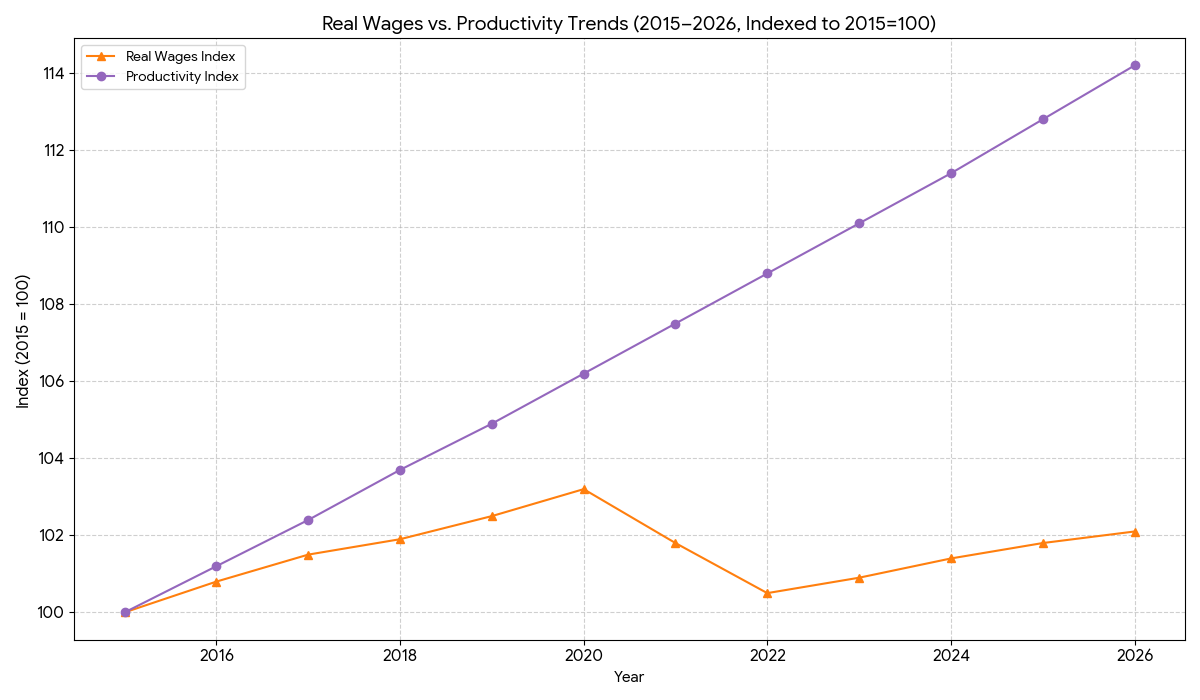
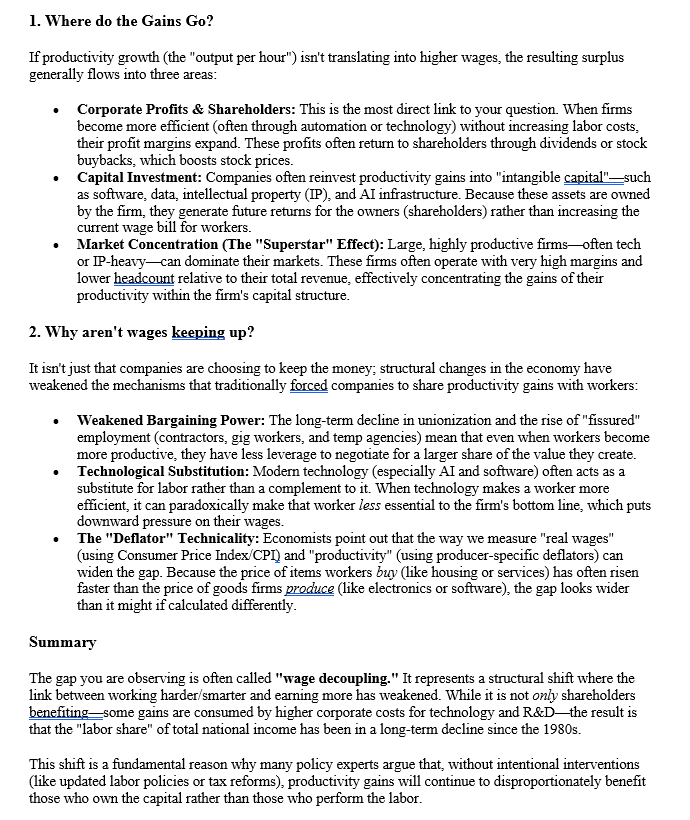
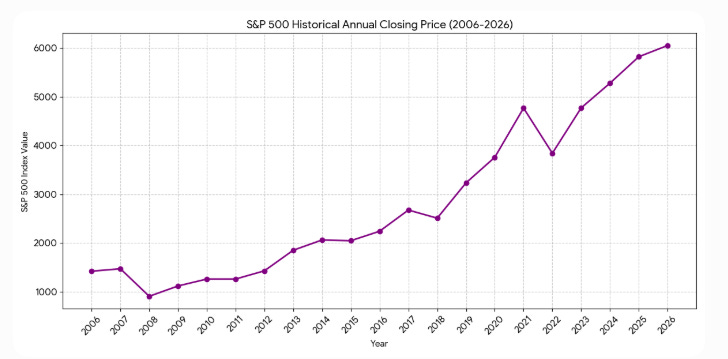
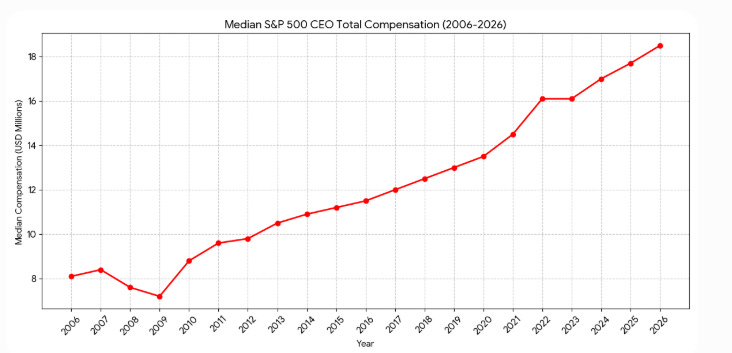
Over the ensuing decades, American productivity and Gross Domestic Product (GDP) continued on a strong upward trajectory, fueled by technological revolutions, automation, and globalized supply chains. However, the economic gains derived from this heightened productivity were not distributed evenly between capital and labor. While overall productivity rose by significant margins over rolling 20-to-30-year periods, real wages for the median worker increased by only a fraction of that growth. The surplus value generated by technological advancement and operational efficiency flowed primarily to corporate earnings, equity markets, and shareholder dividends. Consequently, executive compensation surged, with CEO pay multiplying relative to typical worker wages, and average compensation for senior human resources leadership climbing into the millions.
Structural Drivers of Current Inflationary Expectations
Compounding long-term wage stagnation is a renewed wave of inflation that took root during the global supply chain disruptions of the COVID-19 pandemic and has since become institutionalized. For over four years, annualized inflation has consistently hovered above the Federal Reserve’s traditional 2% target. Consumers have absorbed continuous price increases across housing, electricity, and groceries, leading to a psychological shift where regular price hikes are anticipated rather than treated as anomalies.
This environment of entrenched inflation has been further reinforced by massive capital expenditures in emerging sectors, particularly artificial intelligence, alongside supply chain constraints in critical manufacturing components like semiconductors. According to data from the Federal Reserve Bank of New York, worker satisfaction with compensation has fallen to its lowest level in a decade. Disillusioned by traditional career paths that no longer guarantee financial security, younger workers and consumers increasingly turn to alternative wealth-generation avenues, ranging from stock market speculation to digital asset trading and prediction markets, in an attempt to outpace the rising cost of living.
Corporate Implications and Strategic Responses
As business leaders and human resources advisors grapple with these systemic headwinds, a growing cohort of economists and corporate strategists is challenging the traditional view of labor solely as an operational expense to be minimized. Traditional corporate finance models have long treated wages as a variable cost subject to aggressive containment. However, emerging research into organizational performance suggests that viewing labor through an investment lens yields superior long-term outcomes.
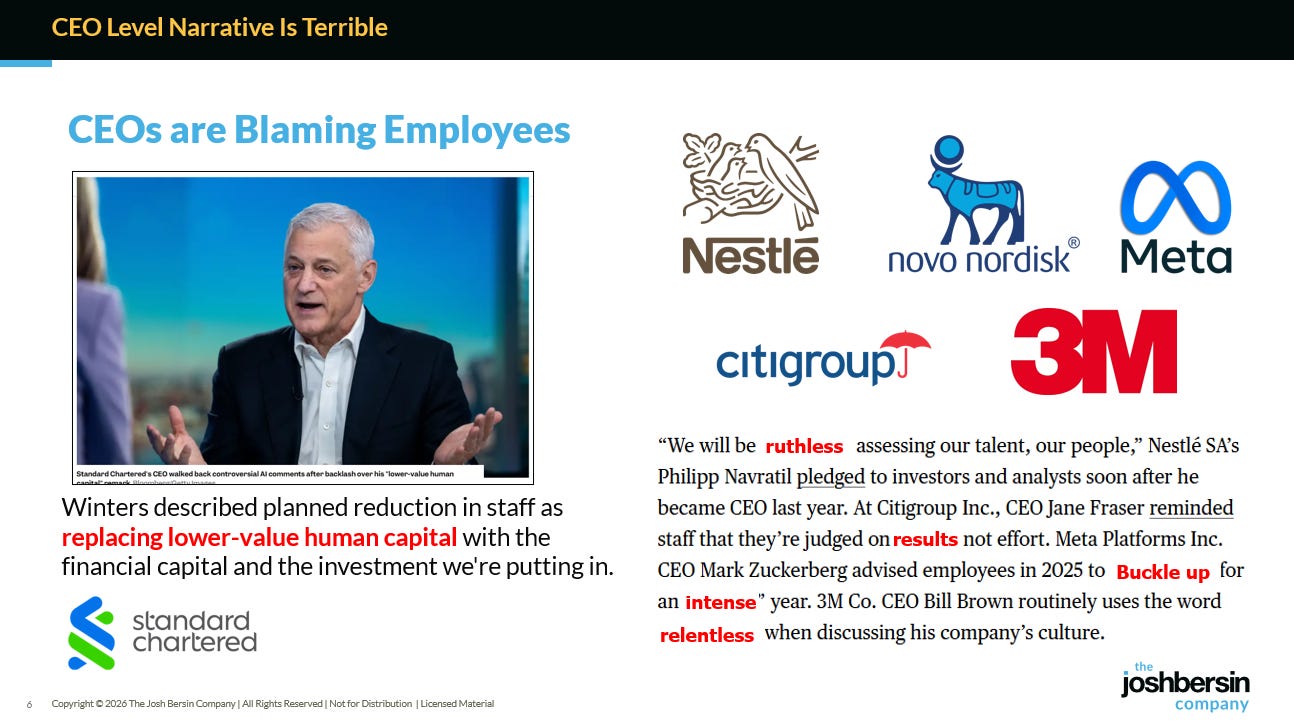
Corporate advisory frameworks increasingly advocate for a paradigm shift centered on "talent density" and structural workforce optimization. Rather than relying on a continuous cycle of hiring and layoffs to manage margins, high-performing organizations are focusing on internal mobility, reskilling, and role redesign. Case studies in operational efficiency demonstrate that integrating advanced technologies like artificial intelligence should primarily aim to enhance worker velocity, scale, and capability—creating "superworkers"—rather than simply driving headcount reductions.
Furthermore, empirical evidence from retail and service sectors indicates that offering above-market compensation directly correlates with enhanced productivity, reduced turnover, and sustained profitability. Companies that provide competitive wages experience significantly lower attrition rates, thereby mitigating the substantial financial losses associated with recruiting, onboarding, and the loss of institutional knowledge. Prominent corporate models, such as retail enterprises known for maintaining high wage floors, consistently demonstrate that superior compensation attracts highly engaged talent, fostering a stable and resilient operational environment even during periods of macroeconomic volatility.
Broader Implications and Future Outlook
The persistence of the wage-price disconnect poses profound challenges for the broader U.S. economy. As consumer purchasing power remains constrained relative to the cost of living, domestic consumption patterns risk long-term distortion. Economists note that sustainable economic growth historically relies on a robust middle class capable of absorbing market output—a principle famously demonstrated by early industrial models recognizing that fair wages simultaneously cultivate consumer markets.
Addressing systemic affordability will likely require a multifaceted approach involving coordinated adjustments in corporate human capital strategies, investment priorities, and potentially federal policy frameworks regarding minimum compensation and labor standards. For business leaders navigating the current economic landscape, the imperative is clear: treating the workforce as an appreciating asset rather than a cost center is not only a mechanism for social stability, but a proven driver of long-term enterprise value and outperformance.