The Shifting Economics of Frontline Labor: How Tipping Culture and New Tax Policies Are Reshaping the Hourly Workforce


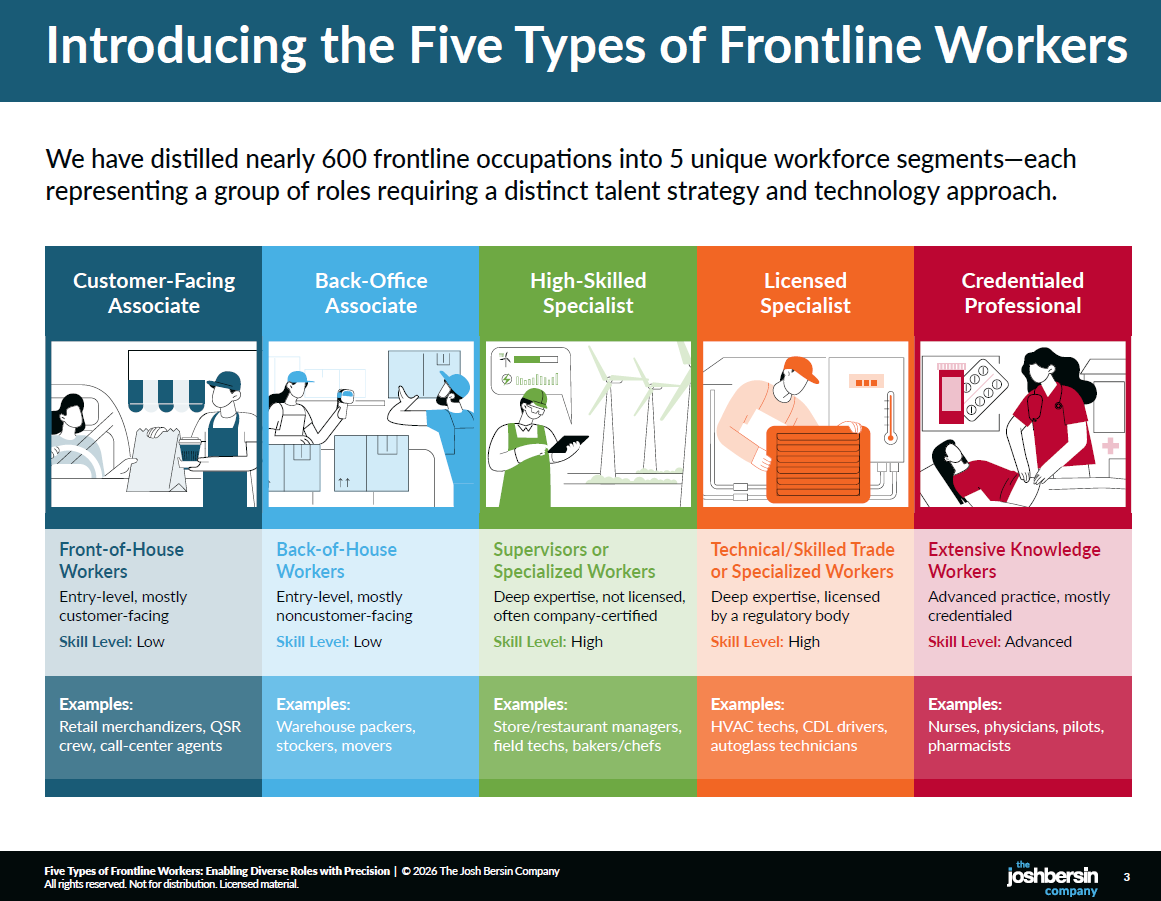
The contemporary frontline labor market operates on a razor-thin margin of wages, high employee turnover, and fierce competition among employers vying for entry-level talent. Accounting for more than 70 percent of the workforce in sectors such as retail, food service, hospitality, and transportation, frontline employees frequently transition between roles and employers for marginal hourly increases. In environments requiring minimal prerequisite skills—categorized under foundational frontline staffing models as Type 1 and Type 2 roles—applicants routinely submit applications to dozens of positions simultaneously. Consequently, recruitment speed often supersedes all other factors; candidates frequently accept an offer on a Friday, only to rescind their acceptance by Monday morning after securing a slightly higher-paying role elsewhere.
This rapid-fire employment cycle has been amplified by technological automation. Job seekers increasingly leverage artificial intelligence-driven platforms to automatically distribute applications across hundreds of openings. These apply-bots operate continuously, scanning the market for incremental wage improvements. When a worker receives an automated notification for a position paying even a few dollars more per hour, attrition happens instantaneously. In these lower-skilled tiers, base pay functions as an absolute floor for retention, though additional variables such as brand reputation, scheduling flexibility, and working conditions also play a role. However, a significant structural divide has emerged between businesses that incorporate customer tipping models into their compensation structures and those that rely entirely on traditional corporate wage schedules.

The Mechanics of the Tipped Versus Non-Tipped Labor Market
Employers fall broadly into two categories: those that collect and distribute tips, such as restaurants, ride-share networks, and coffeehouse chains, and those that operate on non-tipping models, including major big-box retailers, supermarkets, and delivery conglomerates. For businesses that collect tips—whether via cash or digital point-of-sale systems—tips are traditionally accounted for as employee liabilities rather than direct corporate revenue or operational expenses. Because tips bypass traditional corporate revenue and capital requirements, they represent a cost-effective mechanism for employers to supplement worker earnings without directly inflating labor overheads, theoretically incentivizing customer service excellence in the process.
This dichotomy grants tipping enterprises a distinct strategic advantage. They can deliver competitive total compensation packages to attract frontline talent while maintaining lower direct labor costs compared to non-tipping competitors. The financial disparity between these two operational models has widened substantially following recent legislative and regulatory updates regarding federal tax treatment of gratuities.
The Impact of Recent Tax Policy and Federal Data
Recent policy shifts highlighted by the Department of the Treasury and the Internal Revenue Service have introduced a massive economic variable into the frontline labor market. According to federal reporting, legislation providing favorable tax treatment for tip income generated millions of filings within its initial rollout phases, resulting in substantial average tax refunds or reductions for participating workers and translating into billions of dollars in federal tax relief directed toward the tipped workforce.
An analysis of these federal figures reveals the profound scale of tip compensation relative to standard hourly wages. Bureau of Labor Statistics data indicates that the average non-managerial wage for hourly work hovers around $32 per hour. Factoring in estimated annual hours worked for frontline employees—typically ranging between 1,500 and 2,000 hours annually, with an average of approximately 1,700 hours—aggregated tip income, combined with federal tax relief, can significantly elevate effective hourly earnings for tipped workers. Depending on baseline tax brackets and geographic location, this dynamic effectively functions as a substantial subsidy, allowing tipped-wage employers to secure a labor force at a markedly lower direct cost than non-tipped counterparts.

While the policy’s stated intent was to honor and financially support hourly workers, labor economists and industry analysts are increasingly scrutinizing whether the ultimate economic benefit accrues to the employee or the employer. Because tipping employers can leverage these tax-advantaged earnings to attract talent, they retain greater flexibility in setting base wages. Consequently, the presence of federally supported tip structures may enhance corporate profitability for service-sector businesses while potentially suppressing broader, baseline wage growth across the broader retail and service economy.
Evolving Consumer Experiences and Societal Backlash
As tipping mechanisms become ubiquitous—integrated into nearly every digital checkout screen, mobile application, and point-of-sale terminal—consumer sentiment regarding the culture of tipping has reached a critical inflection point. Public polling data from research organizations such as the Pew Research Center indicates that a substantial majority of Americans feel modern tipping culture has grown out of control.
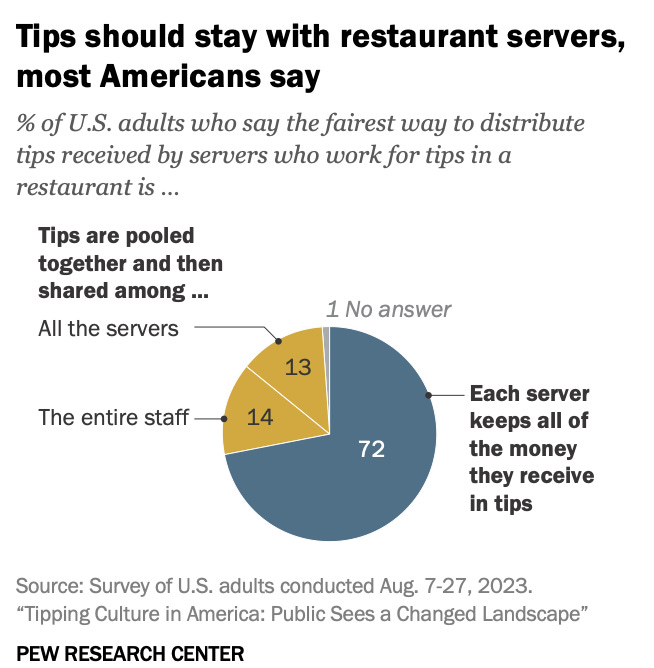
The proliferation of default tipping prompts on transactions that historically did not involve gratuities has generated widespread consumer fatigue and backlash. Furthermore, gig economy workers and service personnel report mixed experiences regarding digital tip distribution. While digital collection methods have theoretically increased transparency, questions remain regarding how equitably businesses distribute pooled tips among frontline staff. Consumers frequently express a desire for gratuities to directly benefit the specific server or worker who provided the service, rather than being absorbed into broader corporate or management-managed pools.
Compounding these consumer frustrations are broader economic concerns regarding income inequality. Directing billions of dollars in federal tax receipts toward industries that rely on tip-based compensation structures raises fundamental policy questions. Observers and fiscal analysts question whether subsidizing tip-reliant business models represents the most equitable allocation of public funds, particularly when compared to industries that rely entirely on direct corporate wages.
Broader Implications for the Future of Work
The long-term societal and economic implications of an expanding tipping economy are complex and difficult to predict. By incentivizing reliance on gratuities, the labor market edges closer to an intensified "work-for-hire" transactional model. While tips can motivate customer-centric performance, they simultaneously distance the employer from direct responsibility for comprehensive compensation, reinforcing the structural decoupling between workers and traditional corporate safety nets.
Industry observers note that retail and fast-food operators outside the traditional tipping sphere are closely monitoring these developments. As service-sector employers navigate persistent labor shortages and high turnover rates, the competitive pressure to adopt tipping policies or lobby for comparable legislative advantages will likely intensify. Whether this trend ultimately stabilizes frontline recruitment or exacerbates consumer friction and income disparities remains one of the defining labor questions of the decade.