The Evolution of SaaS SEO Strategic Tooling for the Generative Search Era

The digital landscape for B2B SaaS enterprises has reached a critical inflection point where traditional search engine optimization (SEO) strategies are being fundamentally reshaped by artificial intelligence. Recent industry benchmarks indicate that B2B SaaS businesses achieve an average return on investment (ROI) of 702% from SEO, yet a significant majority of marketing teams continue to operate with a technology stack designed for a previous era of search. As the industry moves toward 2026, the emergence of Answer Engine Optimization (AEO) and AI-generated overviews has transformed the "first page of Google" from a static list of links into a dynamic ecosystem of cited answers and interactive summaries.
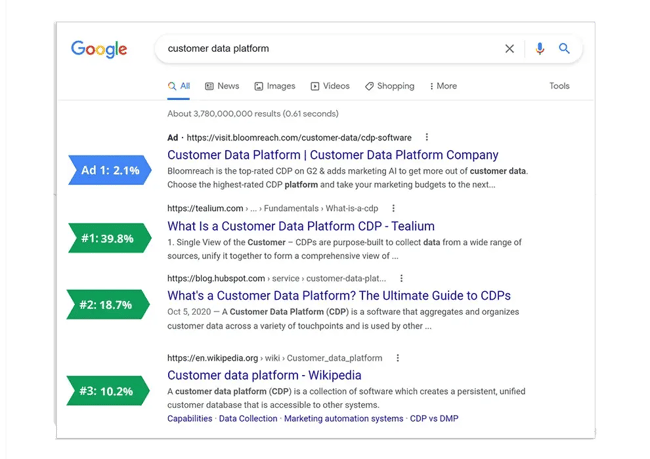
For modern marketing departments, the cost of technological stagnation is high. Organic search remains one of the few channels capable of compounding value over time, providing a necessary buffer against rising customer acquisition costs (CAC) in paid channels. However, the search environment has become increasingly winner-take-all; data shows that after the top three organic results on a Search Engine Results Page (SERP), click-through rates (CTR) plummet into the single digits. This reality, combined with the rise of AI search tools like ChatGPT, Perplexity, and Google’s AI Overviews, necessitates a sophisticated, multi-layered approach to SEO tooling.
The Paradigm Shift: From Search Engines to Answer Engines
The transition from traditional search to the "Generative Search" era represents the most significant change in digital marketing since the mobile revolution. Previously, SaaS SEO focused on ranking for high-volume keywords to drive traffic to product pages. Today, the buyer journey often begins within AI interfaces that aggregate information from multiple sources to provide a direct answer.

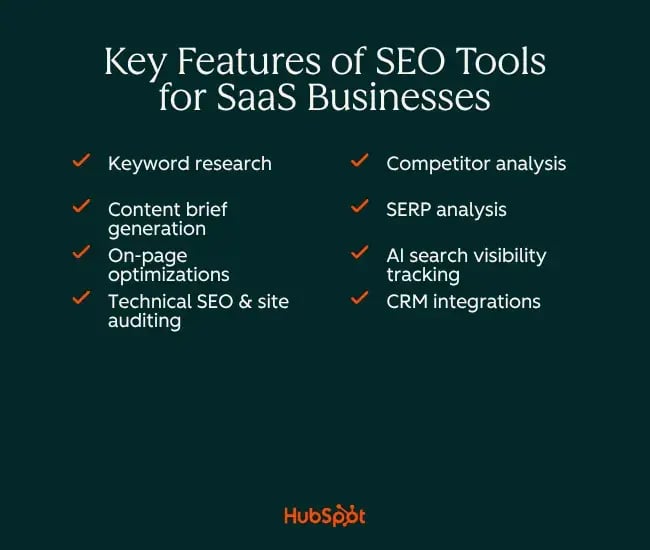
SaaS companies face a unique challenge in this environment. They are not merely competing against direct rivals; they are competing against highly authoritative review aggregators like G2 and Capterra. To maintain visibility, SaaS teams must now optimize for "citations" within AI models as much as for rankings in traditional indices. This shift requires a tool stack that addresses five core pillars: keyword intelligence, technical hygiene, on-page semantic optimization, AI search visibility, and revenue-based attribution.
Core Pillars of a Modern SaaS SEO Stack
1. Intent-Based Keyword Intelligence
In the SaaS sector, raw traffic volume is a vanity metric. Strategic success depends on identifying high-intent queries that map across the buyer journey—from the awareness stage (problem-focused) to the decision stage (solution-focused). Modern tools must now go beyond volume and difficulty to analyze the "why" behind a search, identifying gaps where competitors are failing to provide comprehensive answers.
2. Technical SEO and Scalability
SaaS websites are prone to "technical sprawl." As companies launch new features, subdomains, and localized pages, the site architecture often becomes fragmented. Technical debt in SEO—such as crawl errors, slow page speeds, and broken internal links—can prevent even the highest-quality content from being indexed. Automated auditing tools are no longer a luxury; they are a prerequisite for maintaining a clean foundation.
3. Semantic Content Optimization
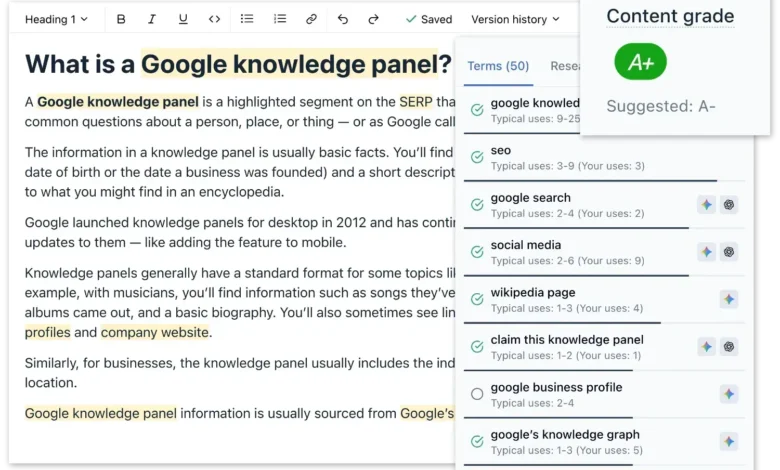
With the advent of Google’s Helpful Content updates, search engines have become adept at identifying "thin" or purely AI-generated content. SaaS teams require tools that provide real-time scoring based on semantic relevance and topical authority. This ensures that content is not just keyword-rich, but provides the depth of information required to satisfy both human readers and search algorithms.
4. Answer Engine Optimization (AEO)
AEO is the practice of structuring content so that AI models can easily parse, understand, and cite it. This involves the heavy use of structured data (schema markup) and clear, authoritative formatting. Tools that benchmark a brand’s "share of voice" within AI models like ChatGPT and Gemini are becoming the new standard for competitive intelligence.
5. Attribution and CRM Integration
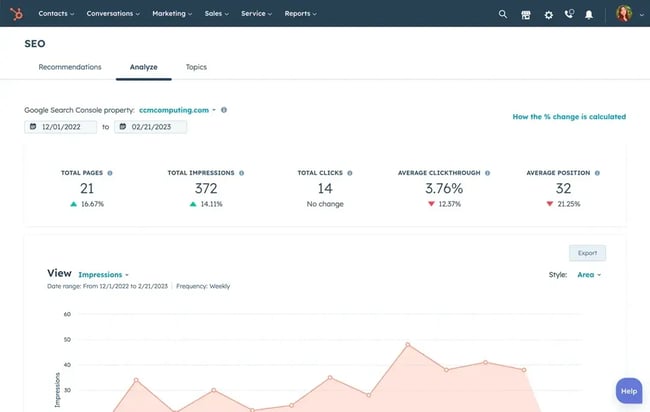
The ultimate goal of SaaS SEO is to drive pipeline and revenue. Historically, SEO has been treated as a "top-of-funnel" activity with disconnected reporting. The modern stack must bridge the gap between an organic click and a closed-won deal. Integration with a Centralized Relationship Management (CRM) system allows marketers to prove that their SEO efforts are contributing to the bottom line, rather than just increasing impressions.
Comprehensive Analysis of 13 Essential SaaS SEO Tools
The following tools have been identified by industry experts as the gold standard for navigating the current search landscape.
Research and Auditing Platforms
Semrush
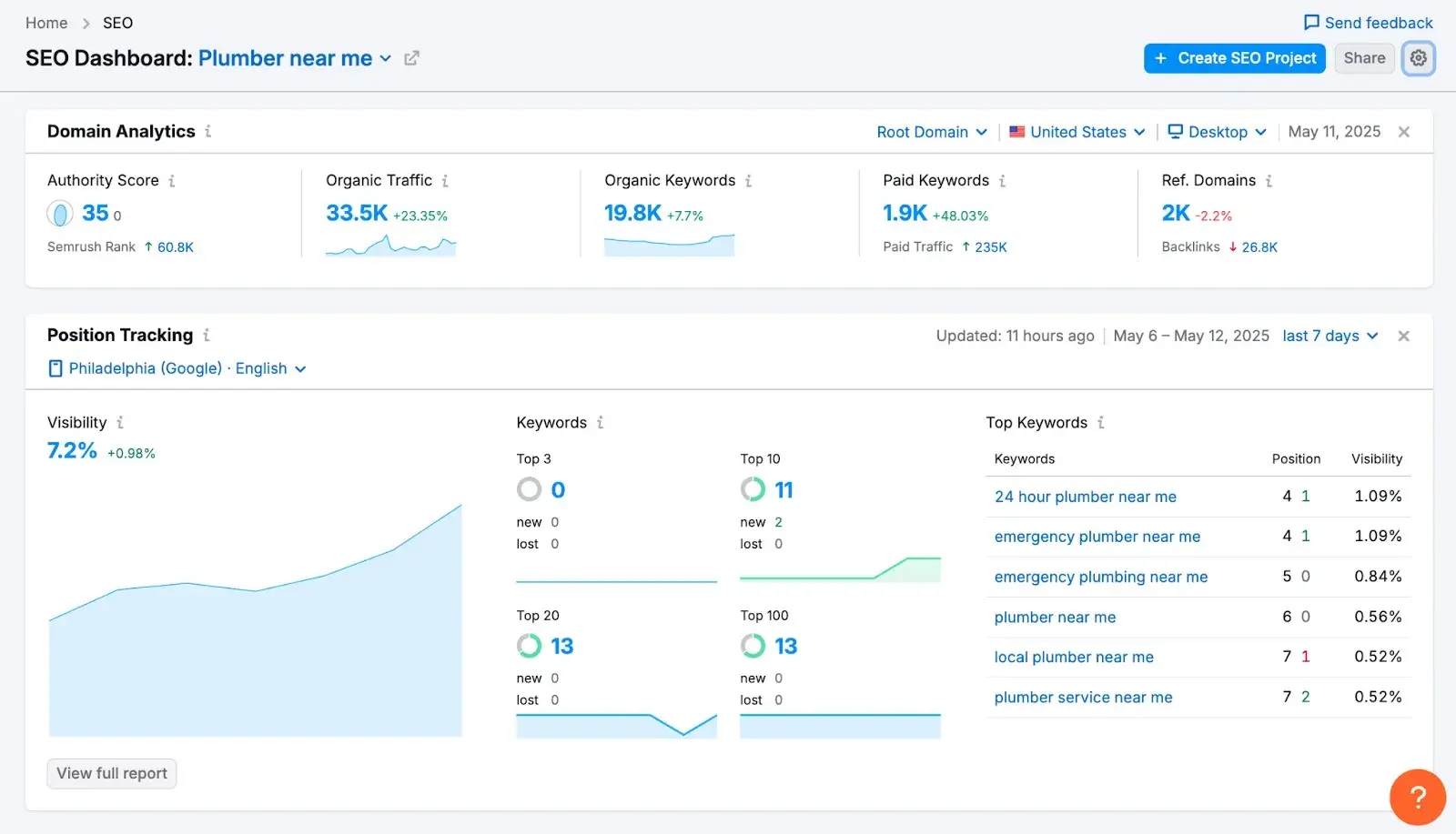
As an all-in-one suite, Semrush remains a market leader for comprehensive research. Its Keyword Magic Tool and Competitive Positioning Map allow SaaS teams to visualize market gaps. Recent updates have introduced AI-enhanced packages to help teams track visibility in generative search environments.
- Best for: Comprehensive competitor intelligence and site health monitoring.
Ahrefs
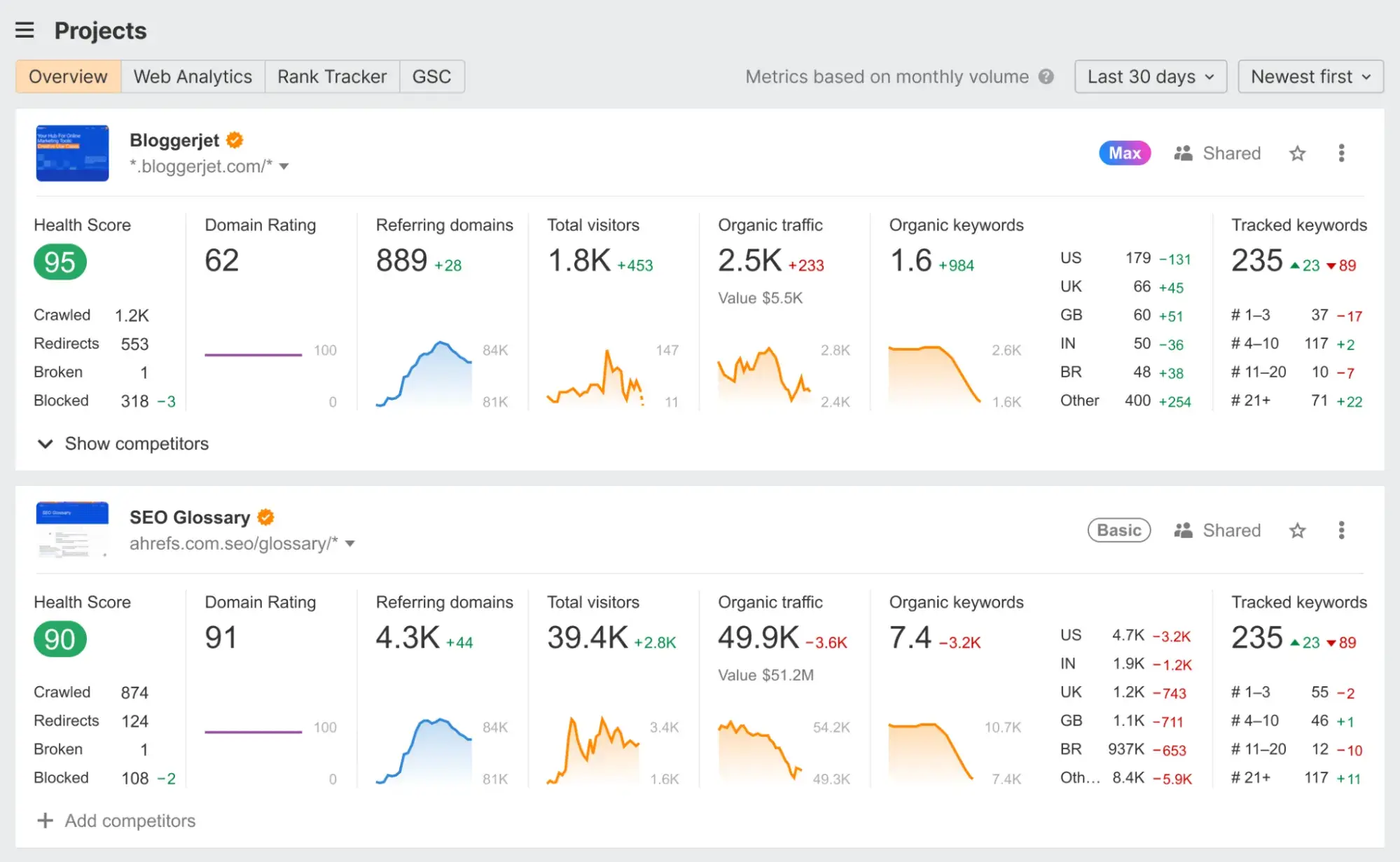
Widely regarded for having the industry’s most robust backlink index, Ahrefs is essential for SaaS companies focused on building domain authority. The "Content Gap" tool is particularly useful for identifying keywords that competitors rank for but the user does not, providing a roadmap for content production.
- Best for: Deep backlink analysis and organic traffic estimation.
Screaming Frog SEO Spider
For technical specialists, Screaming Frog is an indispensable desktop-based crawler. It provides raw data on every URL, allowing for the identification of redirect chains, duplicate content, and metadata issues that cloud-based tools might overlook.
- Best for: Granular technical audits and site migrations.
Content Optimization and AI Workflows
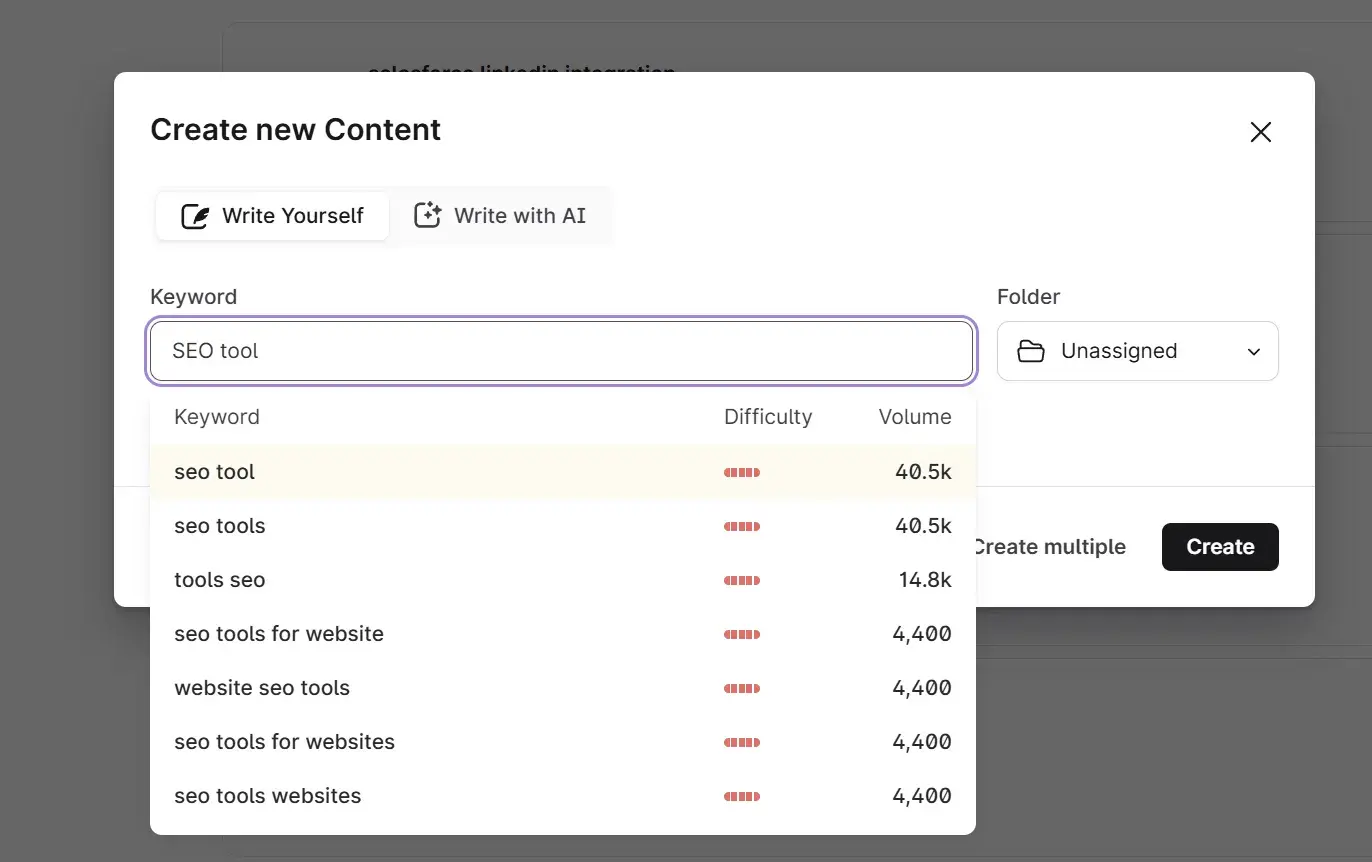
Surfer SEO
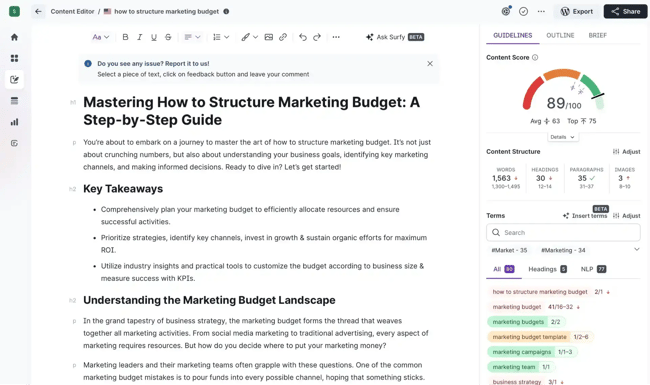
Surfer uses a correlation-based approach to content optimization, analyzing the top-ranking pages for a keyword to provide a "recipe" for success. It offers real-time scoring and term suggestions, which has become a standard workflow for scaling content teams.
- Best for: Data-backed content briefs and real-time editing.
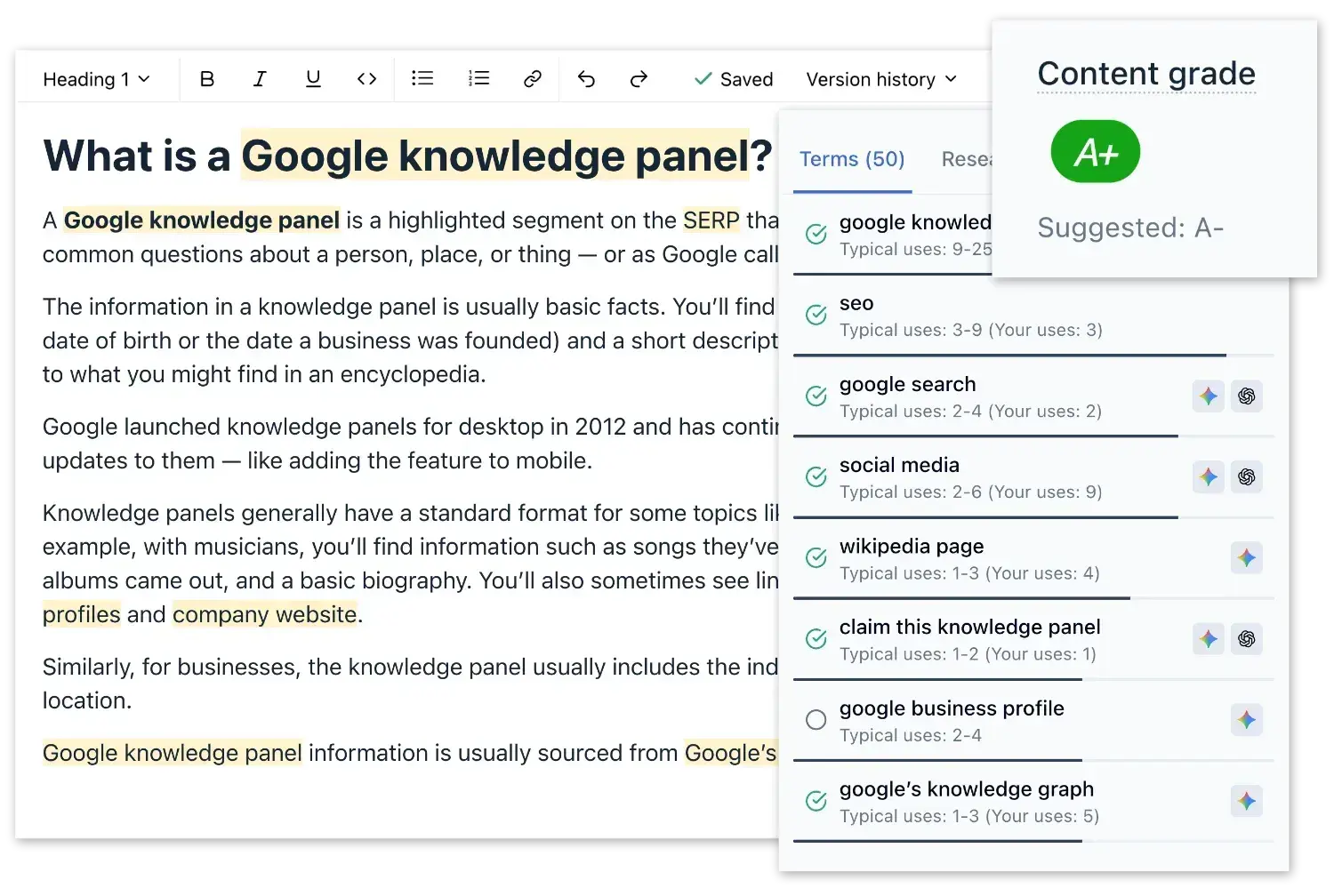
Clearscope
Clearscope focuses on "content grading" to ensure topical coverage. It is favored by editorial teams for its clean interface and ability to integrate directly into Google Docs and WordPress. Its focus on semantic term coverage helps content achieve higher topical authority.
- Best for: Maintaining high content standards across large libraries.
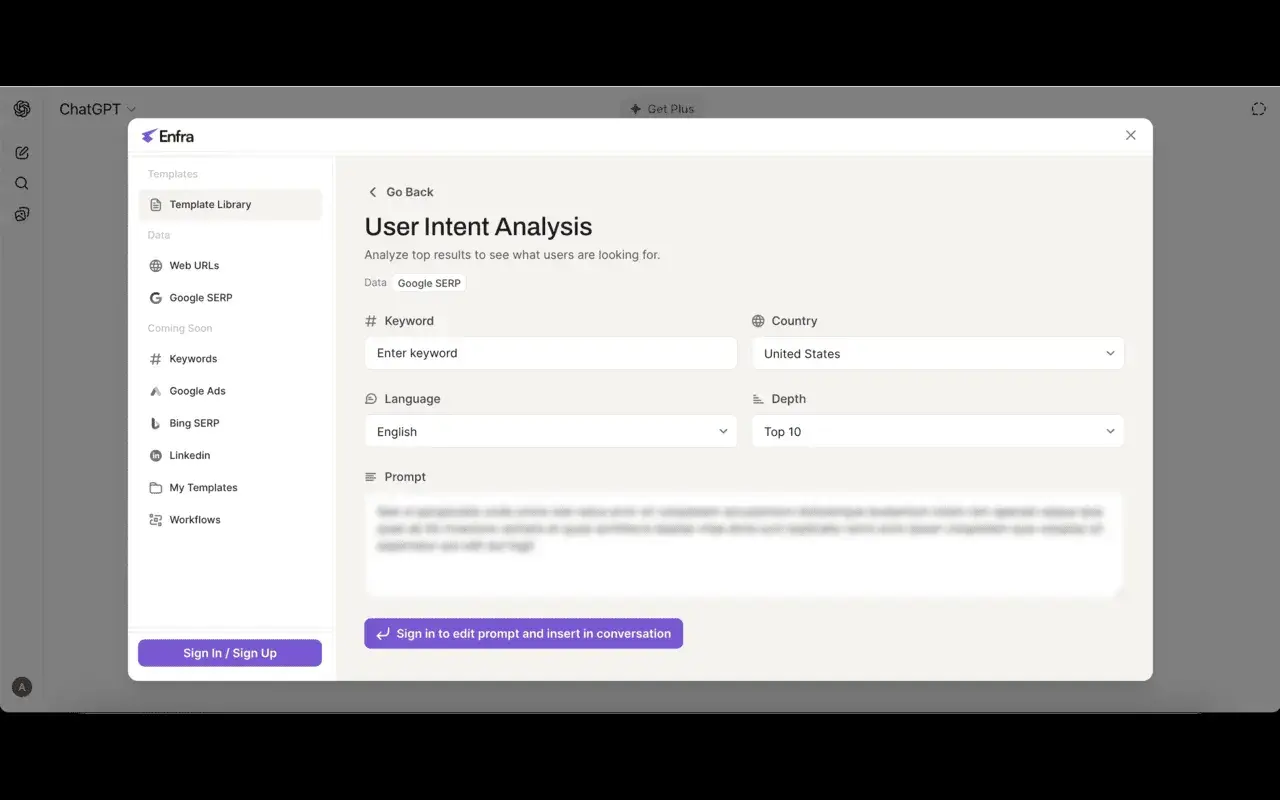
Enfra Chrome Extension
A newer entrant in the 2026 landscape, Enfra acts as a bridge between AI writing tools (like Claude or ChatGPT) and live SERP data. It prevents the "hallucination" common in AI models by grounding prompts in current search results and Google Search Console metrics.
- Best for: Grounding AI-assisted content in real-time search data.
Content Hub (HubSpot)
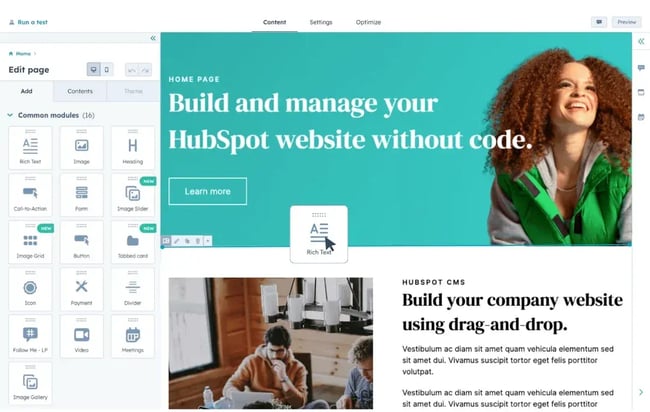
By embedding SEO guidance directly into the CMS, Content Hub eliminates the friction between writing and optimization. Its ability to implement JSON-LD schema through modular templates makes it a powerful tool for AEO, ensuring content is "AI-ready" at the point of publication.
- Best for: Seamless content creation and automated schema implementation.
AI Search and Performance Monitoring
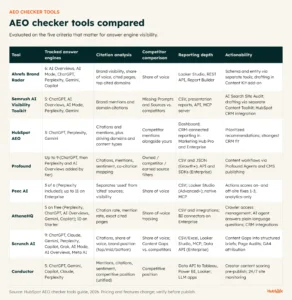
HubSpot AEO Grader
This free diagnostic tool allows SaaS teams to see exactly how they are represented in AI search results across ChatGPT, Perplexity, and Gemini. By running automated queries, it provides a "visibility score" and identifies which third-party sources are influencing an AI’s perception of the brand.
- Best for: Benchmarking AI search visibility against competitors.
Google Search Console (GSC)
GSC remains the only source of first-party data directly from Google. For SaaS teams, it is the primary tool for identifying "zero search volume" keywords—highly specific, high-converting queries that third-party tools often fail to capture.
- Best for: Monitoring indexation and identifying actual searcher intent.
Bing Webmaster Tools
With Microsoft’s heavy investment in Copilot and AI search, Bing Webmaster Tools has regained relevance. Its AI Performance dashboard provides unique insights into how content is being cited within the Microsoft AI ecosystem.
- Best for: Tracking AI citations and Bing indexation.
Internal Linking and Site Architecture
Link Whisper
Internal linking is often the most neglected aspect of SaaS SEO. Link Whisper uses AI to suggest relevant internal links within WordPress, helping to distribute "link equity" from high-performing pages to newer content, thereby improving crawlability.
- Best for: Automating site architecture improvements.
Yoast SEO
A staple for WordPress users, Yoast handles the fundamental "plumbing" of SEO—sitemaps, robots.txt, and basic metadata. Its premium version offers internal linking suggestions and redirect management, making it a lightweight but effective foundation.
- Best for: On-page fundamentals for WordPress-based blogs.
Strategic Integration
Marketing Hub (HubSpot)
The "holy grail" for SaaS marketers is the connection of SEO data to the CRM. Marketing Hub allows teams to track a lead from their initial organic search query through to their final contract. This level of attribution is critical for justifying SEO budgets to executive stakeholders.
- Best for: Revenue attribution and unified marketing reporting.
Implementation Roadmap: Scaling the Stack by Team Size
The complexity of an SEO stack should mirror the complexity of the business.
- Solo Marketers and Early-Stage Startups: Focus should be placed on free, first-party tools (GSC, Bing Webmaster Tools) and a single optimization platform like Marketing Hub or Surfer SEO. At this stage, the priority is establishing a clean technical foundation and finding high-intent "low-hanging fruit."
- Mid-Market Teams (3–5 Marketers): As output increases, specialized tools like Screaming Frog for technical health and Link Whisper for architecture become necessary. This stage requires more structured briefing and a heavier focus on AEO to compete with established incumbents.
- Enterprise Teams (10+ Marketers): Large organizations require a "system of record." This involves the full integration of CRM data with SEO performance, frequent technical audits, and sophisticated AI-visibility tracking. Enterprise teams often use both Surfer SEO and Clearscope to manage different segments of their content library.
Industry Implications: The Future of SaaS Visibility
As search engines evolve into "answer engines," the definition of success in SEO is shifting from "clicks" to "influence." For SaaS companies, being the primary source of truth for an AI’s answer is becoming as valuable as a traditional click-through. This requires a fundamental rethink of content structure—moving away from long-form "filler" and toward structured, data-rich, and authoritative responses.
The integration of SEO into the broader marketing and sales ecosystem is no longer optional. The data is clear: organic search offers a compounding ROI that paid channels cannot match. However, to capture that ROI, SaaS teams must move beyond the tools of the past and embrace a stack that is built for the AI-driven future. By combining technical excellence, semantic depth, and revenue-focused attribution, SaaS enterprises can ensure that they remain visible, authoritative, and profitable in the era of generative search.