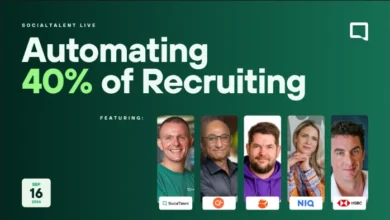
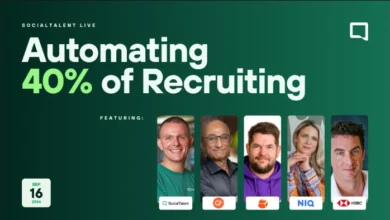
The Strategic Evolution of Talent Acquisition Through Programmatic Job Advertising


Technology has radically transformed talent acquisition strategies, enabling recruiters to source with greater speed, precision, and cost-effectiveness. The shift from traditional, manual job posting to automated, data-driven systems represents one of the most significant pivots in human resources management over the last decade. At the heart of this evolution is programmatic job advertising—a methodology imported from the high-velocity world of digital marketing—which automates the procurement of ad space and empowers HR teams to make decisions based on real-time analytics rather than historical intuition.
The Historical Context of Recruitment Advertising
For decades, recruitment relied on the "pay-to-post" model. Recruiters were tethered to a time-consuming, manual process that involved logging into individual job boards, crafting specific postings, and waiting for applications to trickle in. This approach suffered from massive inefficiencies: employers often spent their entire budget on boards that yielded high volume but low candidate quality, while simultaneously missing out on niche platforms where their ideal candidates actually spent their time.
The shift toward programmatic advertising gained momentum as the job market became increasingly competitive and globalized. By the early 2010s, as programmatic advertising began to dominate the broader marketing landscape, HR technology innovators began adapting these concepts for talent acquisition. The goal was to remove the guesswork from the hiring process. Instead of "set-it-and-forget-it" job postings, companies needed a system that could monitor, adjust, and optimize their presence in real-time.
How Programmatic Advertising Functions
Programmatic job advertising operates through a centralized platform that leverages artificial intelligence (AI), predictive analytics, and historical performance data. When a vacancy is opened, the programmatic vendor’s algorithm evaluates the requirements of the role, the current state of the labor market, and the historical conversion rates of various job boards.
The process functions through an automated bidding system. When a job seeker with the requisite skills browses a career site or search engine, the programmatic platform recognizes the candidate’s profile and instantly bids on the ad space to display the employer’s job posting. This occurs in milliseconds, ensuring that the company’s brand is placed exactly where the most relevant talent is searching.
This infrastructure is not merely about reach; it is about performance optimization. If a specific campaign is failing to generate high-quality applicants on a particular site, the algorithm automatically shifts the budget to higher-performing channels. This transition from static advertising to dynamic, performance-based recruitment has allowed firms to reduce their cost-per-hire significantly while increasing the velocity of their talent pipelines.
Data-Driven Performance and Market Trends
The transition to programmatic strategies is supported by compelling industry data. Recent benchmarks suggest that companies utilizing programmatic recruitment tools see a reduction in the "time-to-fill" metric by an average of 20% to 30%. Furthermore, by eliminating spend on underperforming job boards, organizations have reported an increase in the return on investment (ROI) for their recruitment marketing budgets by as much as 40%.

The market for these technologies has grown in tandem with the increasing complexity of the global workforce. According to reports from the HR tech sector, the global recruitment software market is expected to expand at a compound annual growth rate (CAGR) of over 7% through 2030, driven largely by the adoption of AI-enabled programmatic tools. As recruitment becomes more transparent, companies are no longer willing to pay for "ghost" applications; they demand evidence-based hiring that tracks the candidate journey from the initial ad click to the final offer.
The Four Common Pitfalls in Implementation
Despite the technological advantages, programmatic advertising is not a "magic bullet" that functions without human oversight. Industry experts, including Chris Atkins, a veteran of the programmatic talent acquisition space, have noted that even the most sophisticated algorithms require strategic alignment. To maximize effectiveness, organizations must avoid four critical mistakes:
- Over-Reliance on Automation: While algorithms excel at data, they cannot replicate the nuances of employer branding. Firms that rely entirely on the software without human intervention often find their messaging becomes sterile and fails to resonate with the specific values of their target audience.
- Neglecting the Candidate Journey: A programmatic ad is merely an entry point. If the landing page or the application process is cumbersome, the programmatic investment is wasted. A seamless, mobile-optimized experience is essential for conversion.
- Lack of Data Integration: Programmatic tools are most effective when they are integrated directly with an organization’s Applicant Tracking System (ATS). Without a feedback loop where the software knows who was eventually hired, the algorithm cannot "learn" which types of candidates represent the highest quality for the business.
- Short-Term Optimization Focus: Focusing exclusively on immediate application volume often ignores long-term employer brand health. A strategy that prioritizes volume over brand reputation can lead to a high volume of unqualified candidates, which ultimately slows down the recruitment process.
Broader Implications for Talent Acquisition
The shift toward programmatic recruitment has fundamental implications for the role of the modern recruiter. The function is evolving from a purely administrative task into a role that requires data literacy and marketing acumen. Recruiters are now becoming "recruitment marketers," tasked with managing budgets, analyzing conversion metrics, and optimizing funnels just as a marketing professional would manage a consumer brand.
Furthermore, this technological shift has introduced greater transparency into the hiring process. With the ability to track every dollar spent against specific applicant outcomes, HR leaders are now more accountable to the executive board regarding the ROI of their talent acquisition spend. This shift has elevated the stature of HR departments, moving them from cost centers to strategic growth drivers.
The Human Element in a Digital Era
While the machinery of recruitment becomes increasingly automated, the importance of the employer brand has never been higher. Programmatic tools can put an ad in front of a candidate, but they cannot compel that candidate to apply if the company’s culture and value proposition are unclear.
In this new era, the most successful organizations are those that strike a balance between high-tech programmatic reach and high-touch human connection. By leveraging AI to handle the logistics of candidate sourcing, recruiters are freed up to focus on what truly matters: engaging with candidates, conducting meaningful interviews, and fostering a positive candidate experience that differentiates their firm in a crowded labor market.
Ultimately, programmatic job advertising is a powerful, cost-effective tool that serves as the backbone of modern recruitment marketing. However, its true value is only realized when it is deployed as part of a holistic strategy. By asking the right questions of their technology vendors, aligning their data with their long-term hiring goals, and ensuring their employer brand remains at the center of their messaging, HR leaders can successfully navigate the complexities of the modern hiring landscape and secure the talent necessary to thrive in an increasingly digital economy. As the industry moves toward 2025, those who master the synthesis of programmatic efficiency and authentic employer storytelling will lead the future of work.