Netflix Discloses 587 Million Dollar Cash Acquisition of Ben Affleck AI Startup InterPositive in New Regulatory Filing

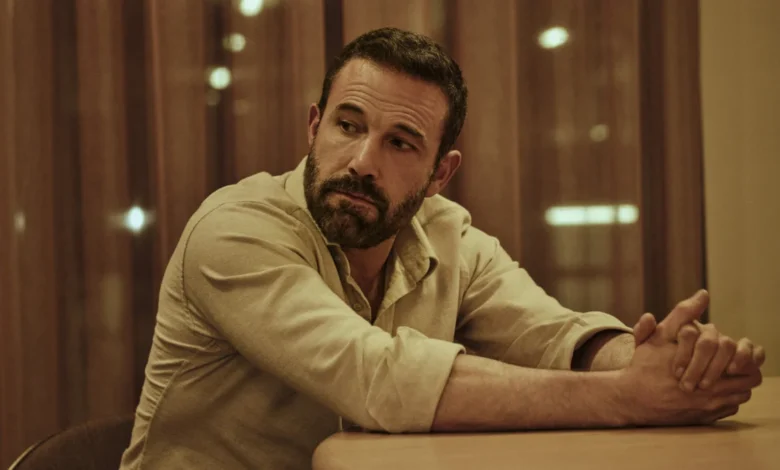
Netflix Inc. has officially confirmed the financial specifics of its acquisition of InterPositive, an artificial intelligence startup co-founded by Academy Award-winning actor and director Ben Affleck. According to a new regulatory filing submitted to the Securities and Exchange Commission (SEC) for the period ending June 30, 2026, the streaming giant paid $587 million in cash to bring the technology firm under its corporate umbrella. This disclosure provides definitive clarity on a transaction that has been the subject of significant industry speculation since it was first teased earlier this year. The acquisition marks one of Netflix’s most aggressive moves into the generative AI space, signaling a strategic pivot toward integrating advanced machine learning tools directly into the filmmaking pipeline.
The acquisition was initially announced in March 2026, though the financial terms were withheld at the time. The deal’s valuation aligns closely with earlier reporting by Bloomberg, which suggested the price tag could reach as high as $600 million. By settling the transaction entirely in cash, Netflix underscores its robust liquidity and its commitment to securing proprietary technology that could potentially redefine production efficiencies and creative workflows across its global content slate.
The Genesis of InterPositive and the Vision of Ben Affleck
InterPositive was established by Ben Affleck alongside a team of technologists and industry veterans with the goal of bridging the gap between traditional cinematic craftsmanship and modern computational power. Affleck, who has long been a proponent of technological evolution in cinema while remaining a staunch defender of the theatrical experience and human-led storytelling, positioned InterPositive as a "filmmaker-first" AI company.
In his initial statement regarding the sale, Affleck emphasized that the primary objective of the startup was to “protect the power of human creativity.” This sentiment is particularly poignant given the ongoing debates within Hollywood regarding the displacement of human labor by automated systems. Affleck argued that InterPositive’s tools are not intended to replace directors, cinematographers, or editors, but rather to empower them to overcome the logistical hurdles that frequently plague modern film production.
The startup’s core technology focuses on post-production enhancements. Specifically, InterPositive developed generative AI tools designed to address "real-world production challenges." These include the ability to synthetically generate "missing shots" that were overlooked during principal photography, seamlessly replace backgrounds without the need for traditional green screens, and correct lighting discrepancies that would otherwise require expensive and time-consuming reshoots. By utilizing AI to "hallucinate" high-fidelity visual data based on existing footage, the software allows filmmakers to maintain their creative vision even when faced with budget constraints or scheduling conflicts.
Chronology of the Acquisition
The path to the $587 million deal followed a strategic timeline that mirrors the rapid acceleration of AI adoption in the entertainment sector.
- Inception and Stealth Mode (2024–2025): InterPositive operated largely in stealth, developing its proprietary models using datasets curated from high-quality cinematic content. During this period, Affleck reportedly sought advice from tech leaders and seasoned VFX artists to ensure the tools met the rigorous standards of professional filmmaking.
- The March 2026 Announcement: Netflix publicly announced its intent to acquire InterPositive. The announcement focused on the talent acquisition, noting that the startup’s entire engineering and creative team would transition to Netflix’s internal technology division. Ben Affleck was confirmed to join as a senior advisor, a role that allows him to influence how the technology is deployed across Netflix’s original programming.
- Speculation and Valuation (Mid-March 2026): Following the announcement, financial analysts and trade publications began estimating the deal’s value. Bloomberg reported a potential $600 million ceiling, citing the premium placed on InterPositive’s unique combination of AI expertise and deep industry connections.
- SEC Disclosure (July 2026): The filing for the quarter ending June 30, 2026, provided the final $587 million figure, confirming the transaction as a significant capital expenditure for Netflix’s fiscal year.
Technical Capabilities and Production Integration
The integration of InterPositive’s technology comes at a time when Netflix is already heavily invested in artificial intelligence. In its most recent earnings report, the company revealed that approximately 300 of its titles released or in production this year have utilized some form of generative AI. These applications range from localized dubbing and subtitling to more complex visual effects and recommendation algorithms.
InterPositive’s suite of tools is expected to be integrated into Netflix’s "Production in the Cloud" initiative. This internal platform aims to streamline the filmmaking process by providing creators with a centralized, digital environment for every stage of production. By adding InterPositive’s capabilities, Netflix can offer its creative partners tools that were previously only available to the highest-budget tentpole films.
For example, the "background replacement" technology developed by InterPositive utilizes neural rendering to ensure that lighting on a subject perfectly matches the newly inserted background, a process that traditionally takes weeks for VFX artists to perfect. Similarly, the "missing shot" feature can generate a brief close-up or an insert shot by analyzing the actor’s likeness and the scene’s environment, potentially saving millions of dollars in reshoot costs.
Strategic Implications for the Streaming Market
The $587 million acquisition is more than just a purchase of software; it is a strategic maneuver to secure a competitive advantage in an increasingly crowded streaming landscape. As content costs continue to rise, the ability to produce high-quality visual effects at a fraction of the traditional cost and time is a powerful economic lever.
Industry analysts suggest that Netflix is moving toward a vertically integrated model where it owns the means of both production and distribution. By owning the AI tools that its creators use, Netflix can reduce its reliance on third-party VFX houses, which are often a major bottleneck in the production cycle. Furthermore, this proprietary tech allows Netflix to maintain a consistent "look and feel" across its diverse range of international content, ensuring that a series produced in South Korea or Spain meets the same visual standards as a Hollywood blockbuster.
However, the move also raises questions about the future of labor in the film industry. While Affleck’s rhetoric focuses on "protecting creativity," the underlying economic reality is that these tools often reduce the number of man-hours required for post-production. This tension was a central theme of the 2023 strikes by the Writers Guild of America (WGA) and the Screen Actors Guild (SAG-AFTRA), and Netflix’s massive investment in AI suggests that the technology will remain a cornerstone of its operational strategy despite labor concerns.
Reactions from the Industry and Labor Advocates
While Netflix and Affleck have presented the acquisition as a win for creators, the broader industry reaction has been a mixture of curiosity and caution. Labor advocates have expressed concerns that the "cash-heavy" nature of the deal reflects a shift in priority from investing in human talent to investing in algorithmic alternatives.
In a hypothetical response typical of current industry discourse, a representative for a major visual effects union might note that while tools to "fix it in post" are not new, the automation of these tasks could lead to a devaluation of the specialized skills held by rotoscope artists, lighters, and compositors. Conversely, some independent filmmakers have praised the move, suggesting that if Netflix makes these tools available to its lower-budget creators, it could democratize high-end production values.
Netflix’s leadership has remained firm in its stance. During the Q2 earnings call, executives emphasized that AI is a "supplement, not a substitute," for the creative process. They argued that by automating the tedious aspects of production, filmmakers are freed to focus on storytelling and character development.
Financial Context and Future Outlook
The $587 million price tag for InterPositive must be viewed within the context of Netflix’s broader financial health and its annual content spend, which consistently exceeds $17 billion. In this light, the acquisition represents a relatively small but highly focused investment in R&D.
For Netflix, the success of this acquisition will be measured by the "efficiency gains" realized over the next three to five years. If InterPositive’s tools can shave even 5% off the total production budget of Netflix’s original slate, the acquisition will pay for itself multiple times over. Additionally, the data gathered from the use of these tools will likely feed back into Netflix’s machine-learning models, creating a virtuous cycle of improvement.
As the industry moves toward the latter half of 2026, all eyes will be on the first wave of "InterPositive-enhanced" titles. The performance and visual fidelity of these projects will serve as a litmus test for whether AI can truly live up to Ben Affleck’s promise of protecting human creativity while simultaneously serving the bottom line of a global media titan. For now, the SEC filing serves as a stark reminder of the massive capital being deployed to ensure that the future of Hollywood is as much about silicon as it is about celluloid.