Contextualizing the Virtual Partnership Event
By the final quarter of 2016, the HR technology industry had reached a critical mass. Organizations were increasingly reliant on fragmented software ecosystems, creating an urgent need for interoperability and strategic alliances between disparate platforms. Traditional networking methods—such as flying to global industry summits—were becoming cost-prohibitive and time-intensive for many small-to-medium-sized enterprises (SMEs) and emerging startups.
The November 14th initiative was designed to address this friction. By utilizing a web-based interface that allowed participants to browse profiles, identify potential synergies, and schedule back-to-back meetings, the event organizers prioritized "low-friction discovery." The goal was not merely to increase attendance, but to maximize the conversion rate of initial introductions into formal partnership agreements.
Chronology of the Networking Session
The event followed a structured, time-boxed format that proved essential for maintaining professional focus. Registration opened weeks prior to the event, allowing participants to populate their profiles with technical requirements, API capabilities, and market focus areas.
On the day of the event, the schedule was segmented into short, intensive meeting slots. Unlike conventional conferences where physical movement between ballrooms consumes significant time, the virtual platform allowed attendees to remain at their workstations, facilitating a seamless transition between conversations. This digital architecture ensured that participants could maximize their reach, with some users reporting as many as 11 distinct meetings in a single business day.
Analyzing the Impact of Virtual Engagement
The data derived from the post-event feedback loop highlights a significant shift in business development efficacy. Industry professionals noted that the primary advantage was the reduction in "discovery time." Typically, finding a viable partner involves months of cold outreach, email follow-ups, and vetting. The virtual format condensed this process into a single day of direct communication with pre-qualified peers.
The financial and operational implications for participants were notable. For a startup or an established vendor, the cost of acquiring a new partner via traditional conference attendance includes airfare, lodging, booth fees, and days of lost productivity. The virtual model reduced these variables to near zero, allowing companies to allocate those resources toward product development or marketing efforts.
Stakeholder Feedback and Quantitative Outcomes
Evidence of the event’s success is best captured through the experiences of those who participated. Danielle Sayre, then-Director of Partnerships & Alliances at Beyond.com, noted the tangible results of the streamlined format, securing one immediate partnership and identifying five to six additional potential collaborations from a total of 11 scheduled meetings. This conversion rate—exceeding 50 percent for potential leads—suggests that the pre-event filtering process was highly effective.
Similarly, representatives from APS Payroll reported landing three new partners, confirming the event’s utility for companies operating in the payroll and benefits sector. Steven Rothberg, President of College Recruiter, emphasized the user experience, noting that the platform’s ease of navigation was the critical factor in his decision to recommend the event to industry peers.

Other organizations, including those in the intellectual property and talent acquisition space such as Activ8 Intelligence and GoHiring, echoed these sentiments, highlighting the value of high-quality, focused conversations over the "volume-over-value" approach often seen at large-scale industry trade shows.
Broad Implications for the HRTech Ecosystem
The 2016 event served as a microcosm for the future of business-to-business (B2B) networking. The success of this model suggests three major trends that have since become standard in the industry:
- The Move Toward "On-Demand" Networking: The ability for professionals to network from their desks removes geographical barriers, allowing niche players in remote locations to compete on an equal footing with global conglomerates.
- Data-Driven Matchmaking: By utilizing digital profiles, the event ensured that parties were matched based on specific business needs rather than chance encounters in a crowded convention center.
- The Rise of the Virtual Ecosystem: The event facilitated the integration of startups into the larger corporate value chain. By allowing established players to scout emerging technology vendors in a structured environment, the event accelerated the speed of innovation within the HR technology sector.
A Comparative Analysis of Industry Trends
When comparing the November 2016 results to traditional networking events, the cost-benefit ratio is skewed heavily in favor of the virtual format. In 2016, the average cost to exhibit at a major HR tech conference could range from $5,000 to over $50,000, depending on the scale of the booth and the prestige of the event. While virtual events lack the sensory experience of in-person interactions, they significantly outperform physical events in terms of return on investment (ROI) for partnership acquisition.
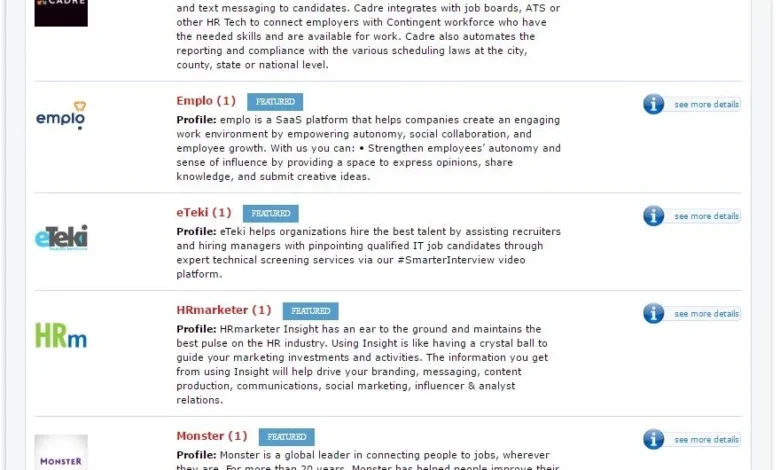
The feedback from the event organizers indicates that the "Featured Attendees" list—which highlighted enterprise and corporate members—was a key driver of engagement. By creating a visible hierarchy and professional vetting process, organizers instilled confidence in the participants, ensuring that the caliber of attendees remained high.
Looking Ahead: The Evolution of Professional Connectivity
The November 14th, 2016, event was not merely a reaction to the limitations of travel; it was an early iteration of the modern remote business landscape. The reliance on virtual platforms has only intensified since 2016, with AI-driven matchmaking and video conferencing becoming the backbone of global commerce.
For the HR tech vendors involved, the long-term implications were substantial. Partnerships formed during these sessions often laid the groundwork for product integrations that would define their service offerings for years to come. By connecting disparate platforms—such as applicant tracking systems with payroll providers or assessment tools with job boards—these vendors created a more cohesive experience for the end-user: the human resources professional.
Conclusion and Summary
The Virtual Partnership Event of November 2016 demonstrated that the future of business development lies in the optimization of time and the democratization of access. Through a well-organized, digital-first strategy, participants were able to bypass the noise of traditional networking and engage in high-value, outcome-oriented discussions.
The event succeeded because it respected the participants’ time, provided a clear value proposition, and utilized technology to lower the barrier to entry. As the industry continues to evolve, the lessons learned from this 2016 initiative remain relevant: meaningful partnerships are built not through the quantity of handshakes, but through the quality of the connections made in the right environment. The data and testimonials confirm that when the logistical hurdles are removed, industry leaders are more than capable of identifying and securing the synergies required to move their businesses forward in a rapidly changing digital economy. The legacy of this event continues to serve as a benchmark for how industry-specific virtual gatherings should be structured to deliver measurable, bottom-line results.