How a Historic California Vineyard Navigated an Unprecedented Early Harvest and What Business Leaders Can Learn From It

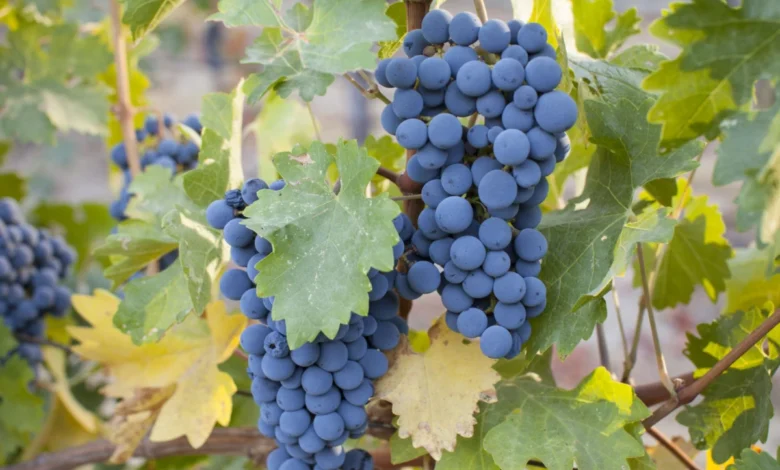
The wine-growing regions of Napa Valley and Sonoma County recently faced one of the most challenging and accelerated growing seasons in recent memory, forcing producers to rethink traditional operational timelines. Driven by a record-breaking March heat wave followed by premature bud break, vineyards across Northern California were compelled to initiate grape-harvesting operations as early as July—weeks ahead of the traditional August timeline. For an industry deeply rooted in predictability, historical weather patterns, and generational rhythms, this sudden shift required immediate strategic pivots.
Among the estates managing this climate anomaly was Rodney Strong Vineyards, a 67-year-old winemaking institution located in Healdsburg, California. While climate volatility threatens agricultural supply chains worldwide, established legacy brands often rely on decades-old operational playbooks combined with modern technological interventions to safeguard product integrity. An examination of how Rodney Strong Vineyards adapted its logistics, resource allocation, and risk management during the final days of the 2026 harvest offers valuable lessons for modern entrepreneurs across all sectors seeking to future-proof their operations against environmental and economic disruptions.
A Legacy of Adaptation: The Evolution of Rodney Strong Vineyards
The history of Rodney Strong Vineyards mirrors the entrepreneurial spirit of adaptability. Founded in 1959 by Rodney Strong—a former Broadway dancer who transitioned from the stage to viticulture—the winery has weathered decades of shifting consumer preferences, economic downturns, and environmental changes. Strong brought on winemaker Rick Sayre in 1979, establishing a foundation of technical expertise that prioritized consistency.
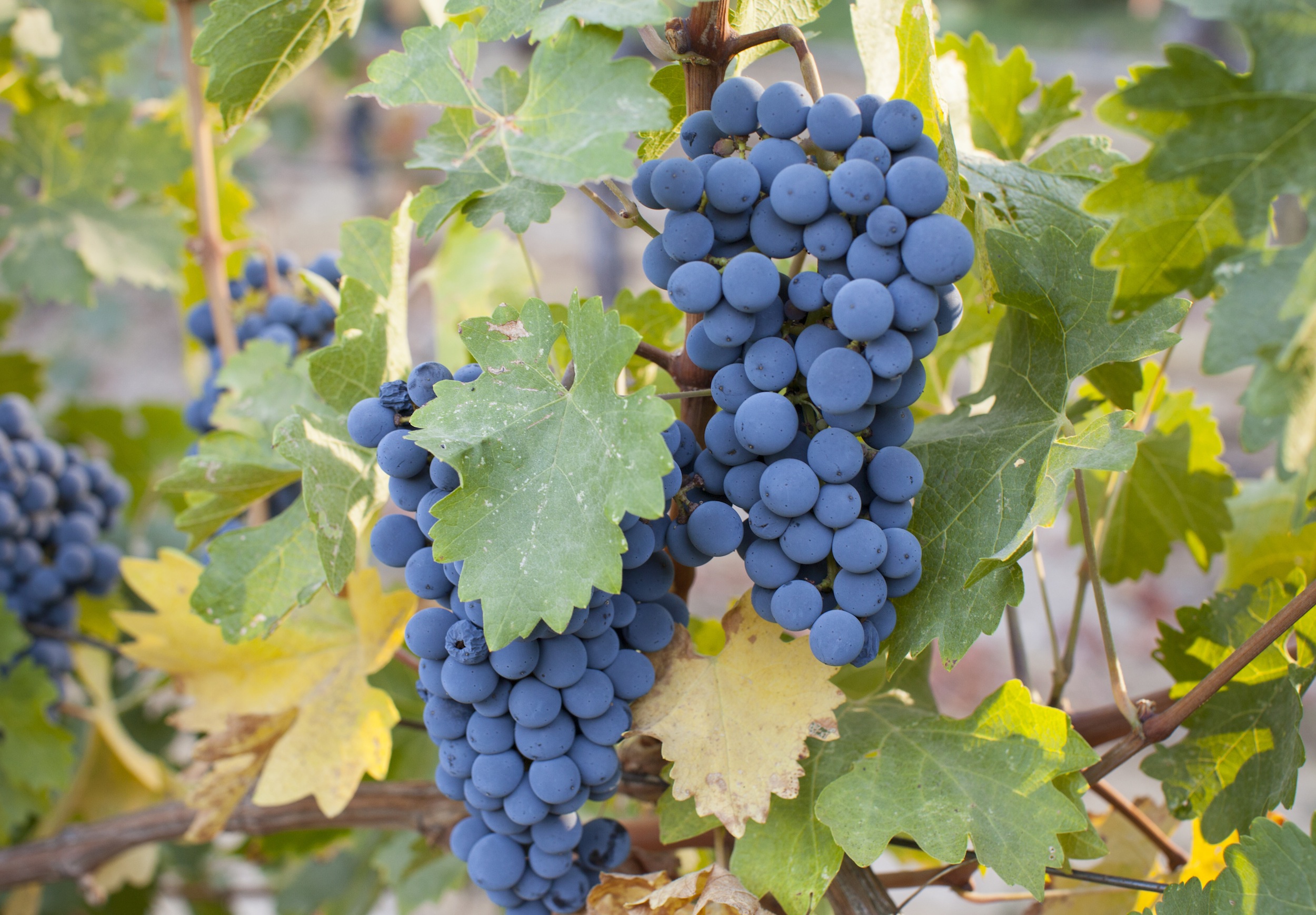
A pivotal turning point arrived in 1989 when the Klein family acquired the winery. Tom Klein, a graduate of Stanford University’s MBA program, brought corporate strategic rigor to the estate. Klein’s introduction to the winery occurred a decade earlier when his team at McKinsey & Company was hired to evaluate the business operations of the property. This unique fusion of agricultural artistry and corporate methodology has allowed the vineyard to sustain operations across six decades. Today, under the operational guidance of chief winemaking and operations officer Justin Seidenfeld and head of winegrowing Allison Derrico, the estate continues to refine the delicate balance between empirical science and tactile craftsmanship.
Supply Chain Logistics and Preserving Product Value Under Pressure
In modern commerce, supply chain vulnerabilities can erode profit margins and compromise brand reputation. In the viticulture sector, supply chain management begins the moment fruit is removed from the vine. During the 2026 early harvest, extreme ambient temperatures presented an immediate logistical hazard to grape quality between the morning harvest at Rockaway Vineyards and the processing crush pad.
"As the fruit sits in the sun, it will begin to desiccate," notes Justin Seidenfeld. "That will change the balance of the fruit."
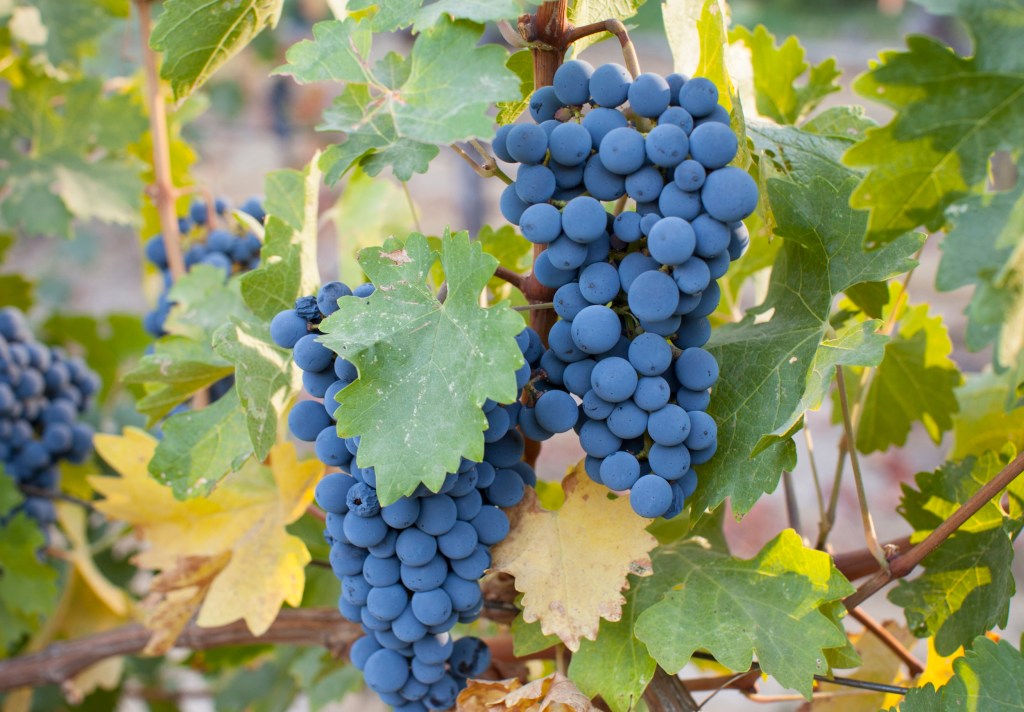
To mitigate this risk, Rodney Strong Vineyards accelerated its supply chain timeline. Harvesting operations are strictly restricted to the dawn hours, after which the harvested grapes are immediately transported to the winery. The fruit is subsequently stored in climate-controlled, air-conditioned environments until sorting and tank transfer for fermentation can occur. For instance, achieving the signature light pink hue of the winery’s rosé requires bypassing thermal degradation entirely by harvesting exclusively under the cover of night.
This rigorous approach highlights a broader corporate lesson: understanding the micro-nuances of a supply chain prevents degradation of value. Across industries, businesses are increasingly deploying IoT sensors, data loggers, and real-time tracking at every touchpoint to protect sensitive inventories, effectively mirroring the temperature-controlled logistics utilized by premier agricultural producers.
Strategic Resource Allocation: Tiers of Precision
Effective resource allocation dictates that organizations must direct their capital, talent, and technological assets toward areas generating the highest yield and value. Rodney Strong Vineyards manages a diverse portfolio ranging from mass-market Sonoma County tiers to small-lot, ultra-premium reserve selections like Rockaway Vineyards.
The production methodologies diverge significantly based on the tier. Premium, small-lot grapes undergo individualized crush and fermentation processes requiring hyper-precise interventions. Conversely, larger-volume Sonoma and Estate tier wines utilize standardized management techniques that demand broad-scale uniformity rather than micro-customization.
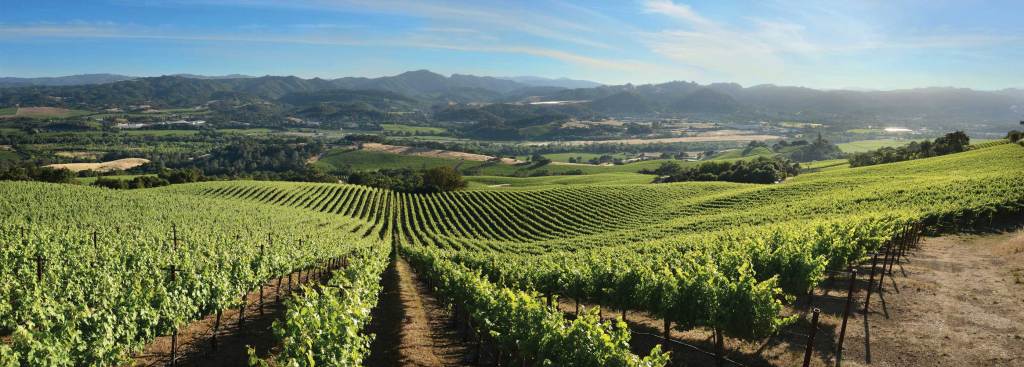
To ensure uniformity across larger estate blocks, the vineyard implements strategic site development alongside deficit irrigation. This agricultural technique purposely restricts water delivery to vines at precise growth stages, encouraging uniform ripening and balancing nutrient uptake across entire blocks.
From a macroeconomic perspective, this operational philosophy aligns with dynamic resource allocation principles championed by strategic management firms. Companies that continuously shift capital and management focus away from stagnant operations and toward high-value growth zones consistently outperform competitors who rely on static, blanket resource distribution models.
Risk Management: Balancing Empirical Data with Intuitive Expertise
Risk mitigation in contemporary business is heavily reliant on quantitative data analytics, predictive modeling, and automated dashboards. However, agricultural enterprises demonstrate that while data is indispensable, well-calibrated human intuition remains a vital final checkpoint in high-stakes decision-making.
At Rodney Strong Vineyards, determining whether a specific block of grapes should remain on the vine for an additional twenty-four hours or be harvested immediately represents the single most critical annual business decision. While laboratory chemistry and sample data provide baseline metrics, the final execution relies heavily on sensory evaluation.
"While we use the data from the samples we pull to guide us, the final call on when to harvest is made through our eyes and ears and taste and not with what we get from the lab," Seidenfeld explains.
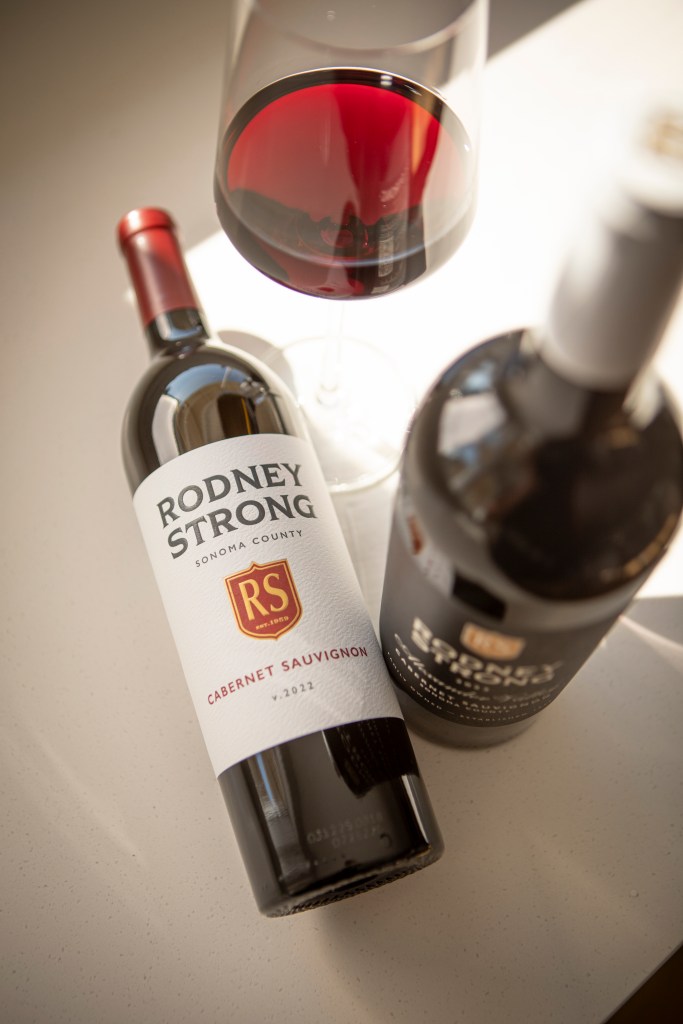
This hybrid decision-making model underscores a vital lesson for entrepreneurs navigating market uncertainty. While data analytics provide necessary guardrails, over-reliance on quantitative models without qualitative oversight can lead to missed opportunities. Leaders who foster organizational cultures that combine analytical rigor with seasoned operational intuition are better equipped to minimize losses during critical inflection points.
Sustainability as a Core Operational Strategy
Environmental sustainability is frequently treated as a secondary public relations initiative or a compliance checkbox. However, forward-thinking enterprises increasingly recognize sustainability as an essential pillar for long-term product viability and bottom-line protection.
Rodney Strong Vineyards has long positioned environmental stewardship at the forefront of its corporate identity, achieving carbon-neutral status for its Sonoma County operations as early as 2009. Rather than viewing carbon reduction as an isolated objective, the estate integrates sustainable practices directly into its daily agronomic workflows. Water conservation, advanced soil management, and biodiversity promotion are utilized to regulate vine stress naturally during extreme weather events.
The adoption of precision agriculture tools—including real-time soil moisture monitoring, localized weather stations, and plant-based sap flow measurements—allows the vineyard management team to optimize irrigation schedules down to individual block zones.
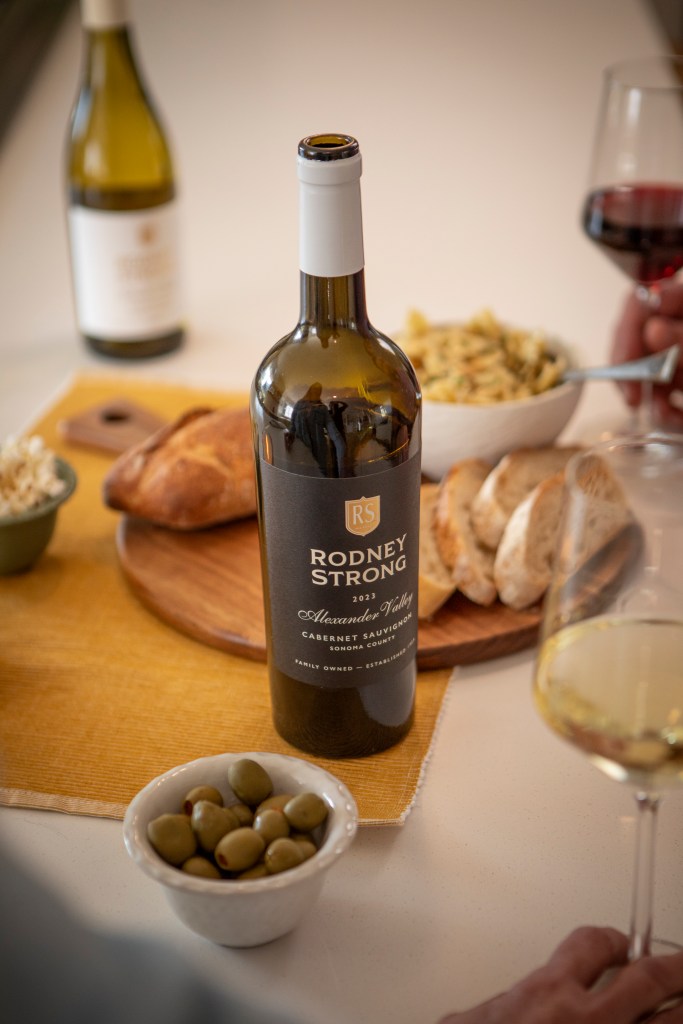
"While our carbon neutrality and waste reduction efforts have broader environmental benefits, it’s these everyday practices in the vineyard that directly influence vine health, fruit development, and ultimately, wine quality," notes Allison Derrico.
For corporate leaders, the takeaway is clear: sustainability must be embedded within the core operational architecture of an organization rather than appended as an afterthought. Doing so not only future-proofs supply chains against environmental volatility but also authenticates corporate messaging in an era where consumers and regulatory bodies demand genuine ecological accountability.
Broader Implications for Business Operations
The convergence of climate anomalies, supply chain pressures, and shifting market demands experienced by Northern California wineries serves as a microcosm for global commerce. As industries face increasing unpredictability—whether driven by meteorological events, geopolitical shifts, or technological disruption—the ability to adapt foundational operating procedures becomes paramount.
By marrying historical resilience with advanced logistical controls, targeted resource allocation, intuitive risk management, and deeply integrated sustainability practices, legacy institutions like Rodney Strong Vineyards demonstrate how traditional enterprises can remain competitive in a rapidly evolving economic landscape. For founders and executives across all sectors, the vineyard’s harvest playbook offers a timeless blueprint for sustainable growth and operational endurance.