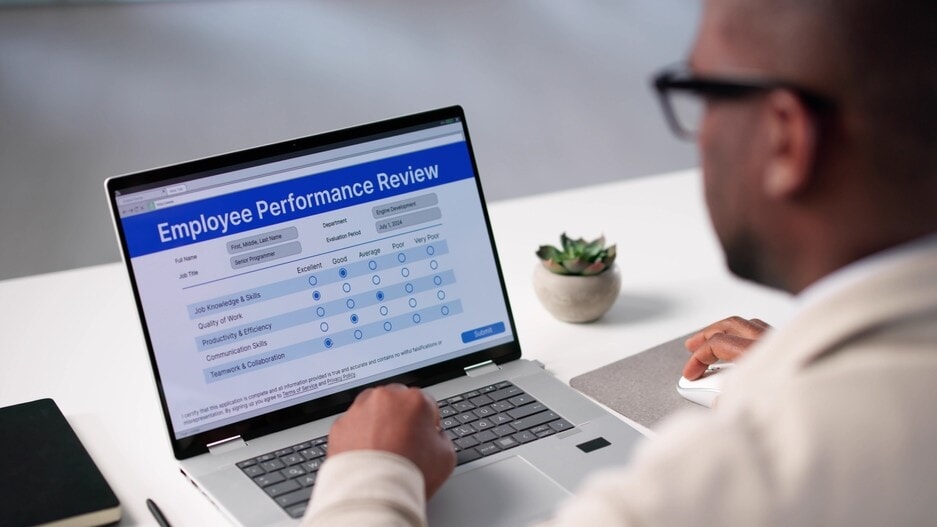
Corporate performance management has long suffered from a systemic disconnect between assessment and action. Organizations dedicate immense resources to annual or semi-annual performance reviews, yet the transition from these evaluations to tangible professional development remains inconsistent. This "follow-through gap" results in missed opportunities for growth and employee disengagement. According to 2025 research from APQC, while 67% of employees are tasked with goals oriented toward future role development, only 33% believe their current performance management framework effectively facilitates the acquisition of necessary skills.
The misalignment often stems from administrative silos. Performance reviews are frequently managed by Human Resources departments focusing on compensation and compliance, while development plans are managed by individual supervisors or L&D (Learning and Development) teams. When these systems do not communicate, the feedback loop breaks. For the modern enterprise, bridging this gap is no longer a luxury but a requirement for talent retention and operational agility.
The Anatomy of the Performance-to-Development Gap
The breakdown in the feedback loop is often rooted in the logistical realities of the modern workplace. Managers are frequently overburdened with operational demands, leaving little bandwidth to translate qualitative review findings into structured, actionable development paths. Furthermore, when L&D departments lack visibility into review data, they are unable to provide targeted training interventions.
This procedural failure leads to "goal stagnation." Employees receive feedback on their shortcomings or areas for potential growth, but without a clear, time-bound roadmap, these insights rarely manifest as skill improvements. The resulting stagnation contributes to a decline in productivity and a lack of career progression, which in turn diminishes employee morale. To rectify this, organizations are increasingly adopting a 90-day development cycle, a framework that forces immediate action following a performance appraisal.
Implementing a 90-Day Developmental Framework
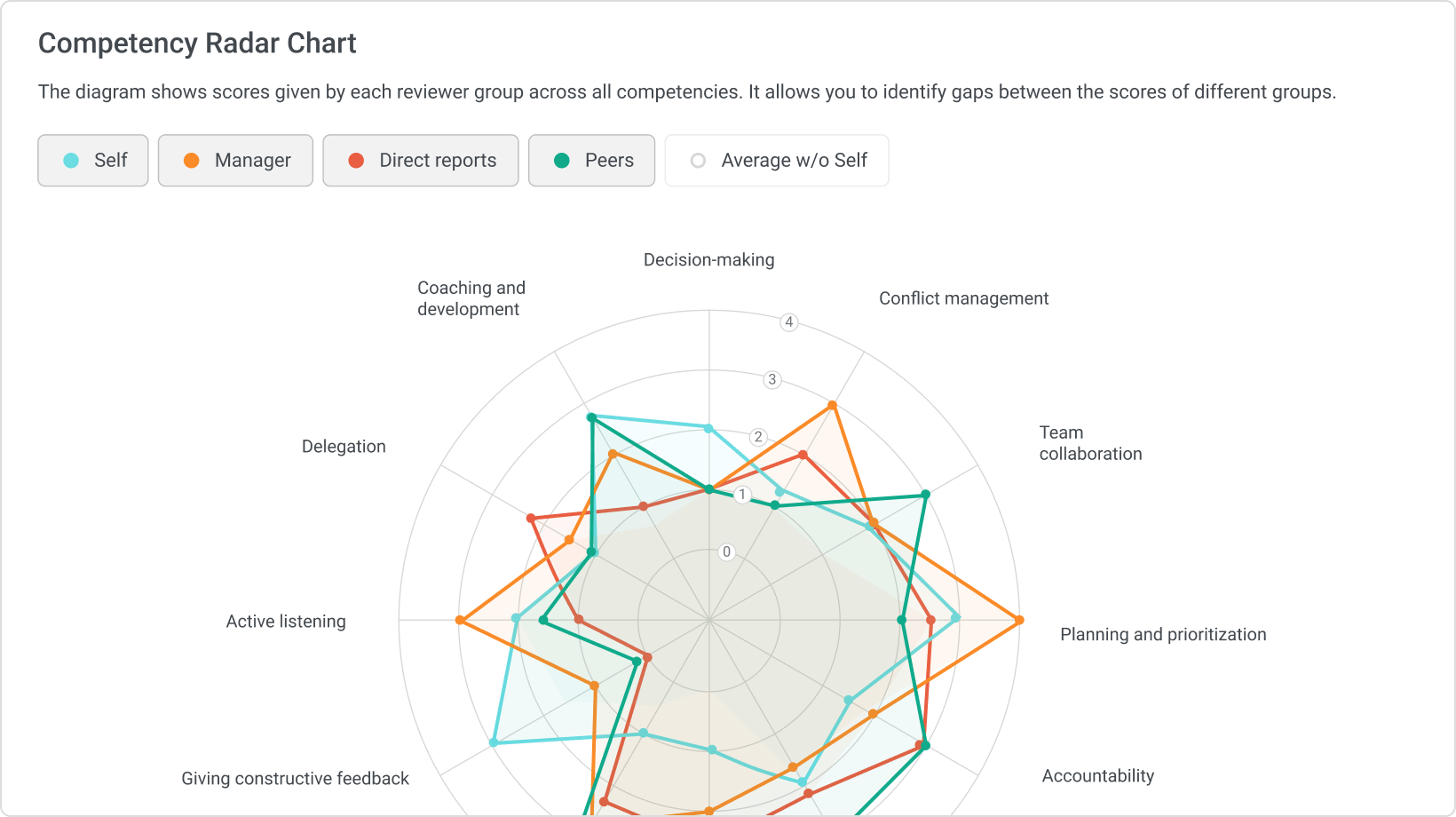
A successful post-review strategy begins with data synthesis. Organizations must move beyond static performance scores to a more holistic view of employee potential. This is often achieved through 360-degree feedback loops, where data is collected from managers, peers, and direct reports to provide a comprehensive competency radar.
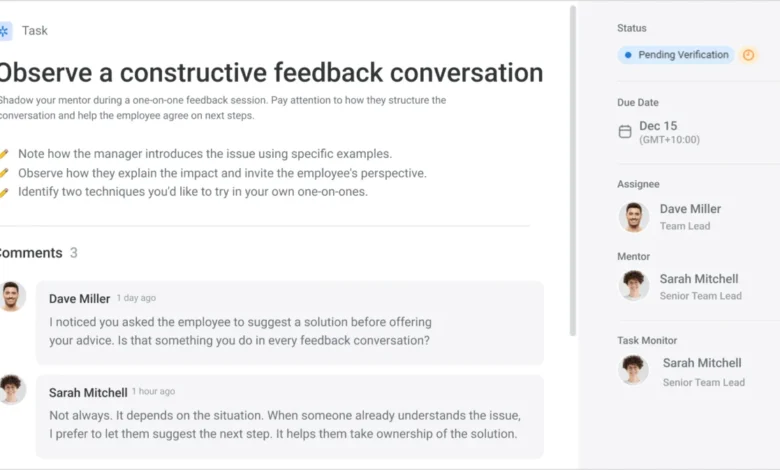
For instance, consider a newly promoted team lead. If the 360-degree review indicates that the individual lacks proficiency in constructive feedback—despite their own self-assessment claiming high communication skills—this discrepancy becomes the primary focus for a 90-day development plan. By identifying this specific, observable gap, the organization can move from generic coaching to precise, measurable improvement.
The 90-day cycle is structured into three distinct phases to ensure consistent momentum:

- Days 1–30: Foundation and Assessment. During the first month, the focus is on clarifying the objective. If the goal is to improve feedback delivery, this phase includes analyzing past interactions, identifying specific communication failures, and establishing a baseline for improvement.
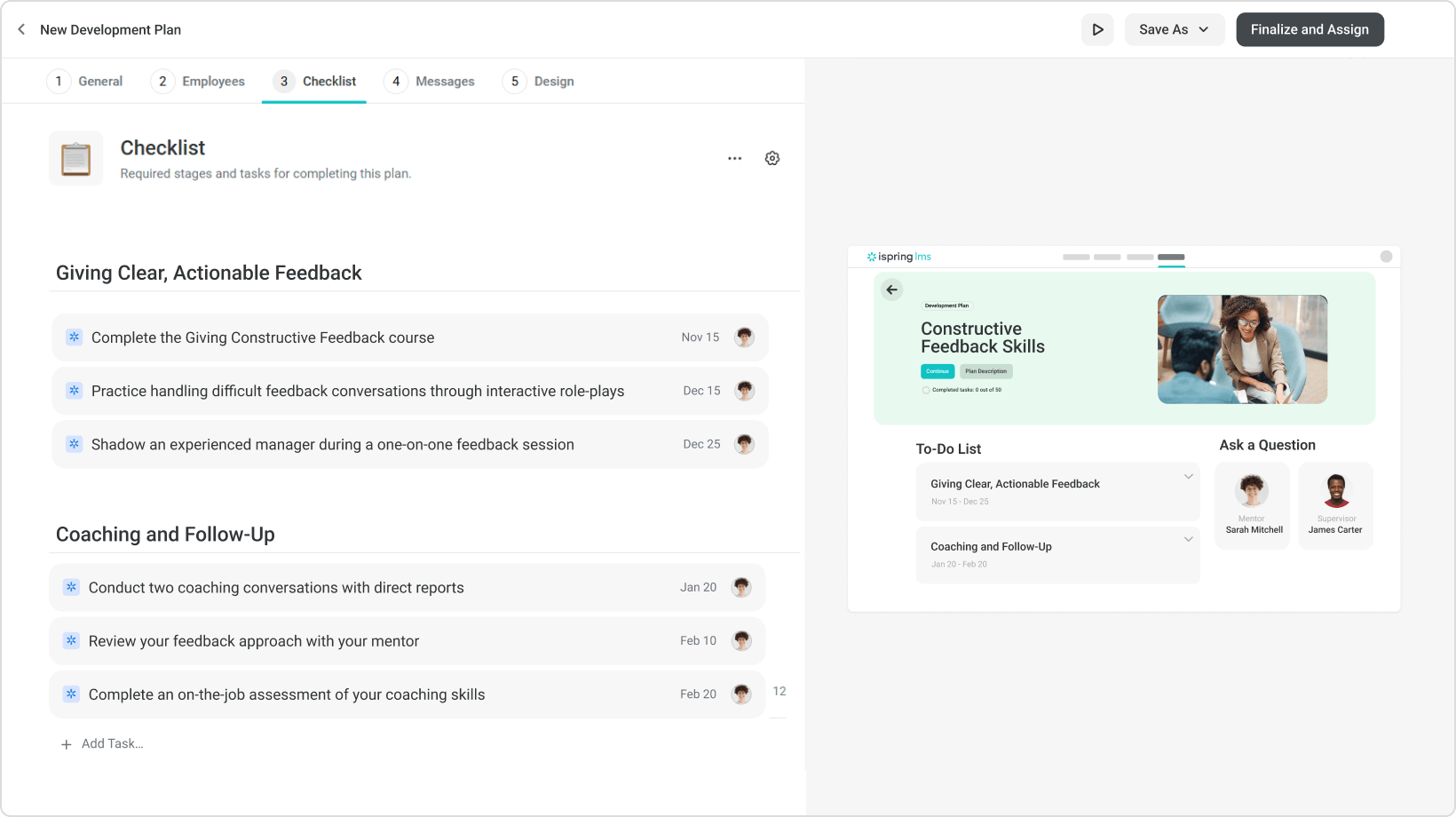
- Days 31–60: Guided Practice and Skill Acquisition. This phase shifts to active learning. This includes scenario-based training, where the employee engages in role-playing exercises or interactive simulations to test new methodologies. Mentorship is critical here; an experienced supervisor should observe real-time interactions, offering immediate, constructive feedback to correct behaviors before they become habits.
- Days 61–90: Implementation and Evaluation. In the final month, the employee is given greater autonomy. The goal is to observe the application of the learned skills in high-stakes environments. The conclusion of this cycle is marked by a reassessment, comparing the original competency radar to the current performance metrics to determine the effectiveness of the intervention.
Leveraging Technology for Continuous Development
Modern Learning Management Systems (LMS), such as those provided by firms like iSpring, have evolved to support this integration. These platforms allow for the automated collection of 360-degree feedback and the digital creation of dynamic development plans. By embedding training directly into the workflow—rather than treating it as an auxiliary task—organizations ensure that development is continuous.
The use of "On-the-Job Training" (OJT) modules within these systems allows managers to document progress in real-time. By tracking milestones rather than just end-of-year outcomes, organizations can pivot if a specific developmental activity proves ineffective. This shift from "annual assessment" to "continuous coaching" aligns with modern workforce expectations for personalized growth paths.
Analytical Perspectives on Skill Gaps
Not every performance deficit is a training issue. A key observation from human capital analysts is that management must distinguish between a lack of knowledge, a lack of practice, and a lack of environmental support. If an employee understands the theory of a task but fails to execute it, the issue is not a lack of courses, but a lack of application.
In such cases, the 90-day plan serves as an investigative tool. If an employee completes a structured plan and fails to show improvement, the organization is forced to examine other variables: Are expectations clear? Is there inherent bias in the assessment? Does the workplace culture allow for the requested behavioral change? This iterative approach turns development into a "working hypothesis," where the organization continuously learns how to better support its talent.
Broader Organizational Implications
The integration of performance reviews and development plans has profound implications for organizational culture. When employees see that their feedback is being used to build their career, they are more likely to engage with the review process honestly. Conversely, when reviews are perceived as purely punitive or bureaucratic, employees tend to disengage.
Furthermore, the data generated from these 90-day cycles offers invaluable insights for talent management. By aggregating data on which development activities are most effective for specific roles, companies can optimize their L&D budgets. This data-driven approach shifts the perception of L&D from a cost center to a strategic driver of performance.
Future-Proofing the Workforce
As the pace of market change accelerates, the ability to rapidly upskill employees is a competitive advantage. The traditional, sluggish approach to professional development—where gaps are identified once a year and addressed via generic, one-size-fits-all training—is increasingly obsolete.
By formalizing the link between performance feedback and personalized development, companies create a culture of continuous improvement. This requires a commitment from leadership to prioritize the "follow-through." It means investing in the tools to track progress and, perhaps more importantly, cultivating a management style that views every feedback conversation as the beginning of a developmental journey rather than the end of an administrative task.
The 90-day development plan acts as a bridge. It connects the retrospective analysis of the past review cycle with the prospective goals of the upcoming period. It provides a structured, manageable path for growth that prevents the common pitfalls of initiative fatigue. For organizations looking to improve retention, drive engagement, and build a high-performing team, the focus must shift from the critique of past performance to the architecture of future capabilities. Through deliberate design and consistent measurement, the performance review can be transformed from a dreaded HR requirement into the most powerful tool for organizational success.