Thought Leader Q&A: Discussing How To Effectively Scale Learning With Dr. RK Prasad

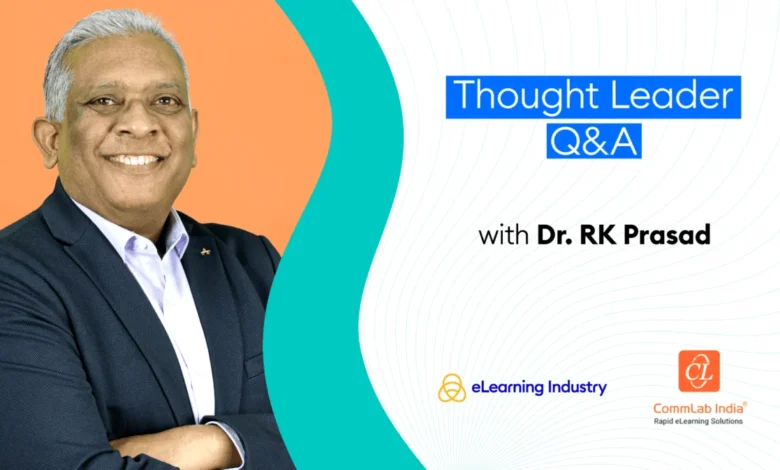
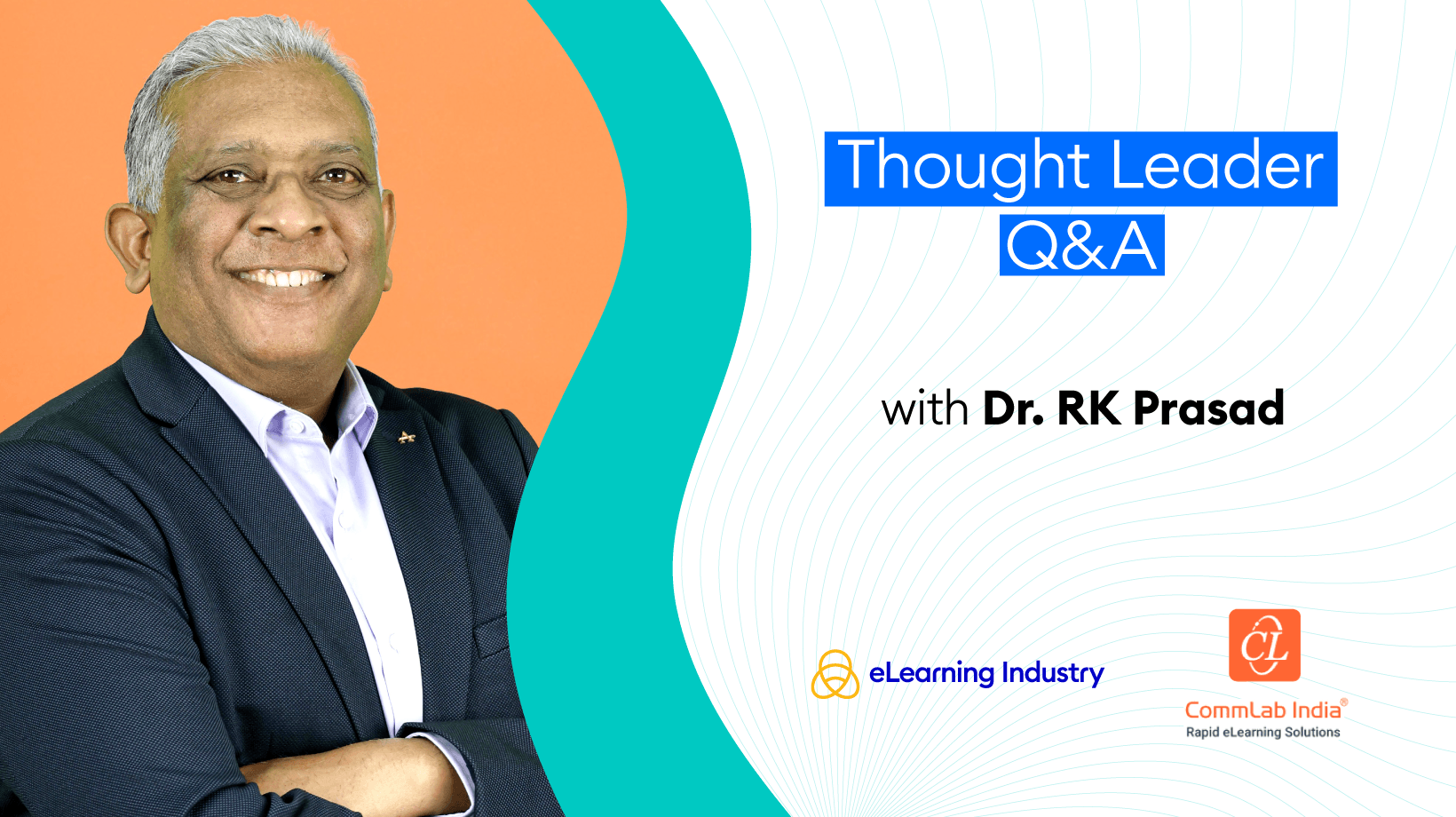
The modern corporate landscape is defined by a paradox: as organizations expand globally, the demand for standardized, high-quality training increases, yet the agility required to deliver that training diminishes. During LearnFlux 2026, a preeminent virtual summit dedicated to the evolution of Learning and Development (L&D), industry experts gathered to address the critical friction points in scaling educational infrastructure. Moderated by Dr. RK Prasad, CEO and Co-Founder of CommLab India, the panel featured high-level strategic insights from leaders at Nalco Water (an Ecolab company), Intuit, and the DHL Supply Chain. The discussion synthesized a roadmap for navigating the complexities of scaling learning, emphasizing that while artificial intelligence (AI) provides the velocity for content creation, strategic governance remains the anchor for organizational success.
The Evolution of L&D Scaling: Context and Challenges
The global L&D sector is currently undergoing a structural shift. According to recent industry benchmarks, the global corporate training market is projected to expand significantly as companies pivot toward continuous upskilling to combat the rapid obsolescence of technical skills. LearnFlux 2026 served as a focal point for this transition, gathering stakeholders to reconcile the tension between the "content-heavy" approaches of the past and the "just-in-time" performance support required by today’s digital-first workforce.
Dr. Prasad, a veteran with over 35 years of experience in corporate training and technology-enhanced learning, set the stage by noting that scaling is rarely a matter of simply adding more courses. Instead, it is an architectural challenge. When businesses grow, they often suffer from "content bloat," where the volume of learning materials increases while the actual adoption rate remains stagnant. The consensus among panelists was that scaling must be treated as a business function rather than an HR administrative task.
Measuring Success Beyond Completion Rates
One of the most persistent hurdles in L&D is the demonstration of Return on Investment (ROI). Traditional metrics—such as LMS completions and course ratings—are increasingly viewed as insufficient by C-suite executives who prioritize bottom-line impact.
The discussion highlighted a shift in how L&D leaders interpret "signals" of success. For those in high-velocity fintech environments, the metric of choice is the speed of adoption following a product update. If a microlearning module regarding a new interface does not result in immediate, observable changes in user behavior, the training is deemed ineffective regardless of completion rates.
At the other end of the spectrum, leaders at global logistics firms, such as those within the DHL ecosystem, focus on the correlation between training and operational stability. Indicators such as lower employee turnover rates and reduced time-to-proficiency for new hires serve as proxies for effective learning. The most nuanced perspective offered during the panel was the "hygiene factor" theory: in mature, complex industries, effective training is often invisible. Its success is measured by the absence of workarounds in the field and the seamless integration of digital tools into daily workflows. When learning is successful, it is no longer identified as "training" by the employees; it is simply identified as "work."
The Role of Artificial Intelligence in Strategic Scaling
The integration of AI into L&D workflows has accelerated since 2024, yet panelists cautioned against the "automation trap." While AI can generate vast amounts of content in seconds, the panel reached a firm consensus: AI is a copilot, not the captain.
The risks of over-reliance on generative AI are twofold: the degradation of instructional design quality and the loss of institutional nuance. To mitigate these risks, leading enterprises are adopting a "Human-in-the-Loop" (HITL) framework. In this model, AI is utilized for the labor-intensive stages of development, such as storyboarding, preliminary draft generation, and quality assurance auditing. However, the final sign-off remains the sole responsibility of subject matter experts (SMEs).
The panelists emphasized that AI models are inherently designed to please the user, which often conflicts with the rigorous, objective-driven nature of effective pedagogy. To prevent the "fast-food" approach to content creation, organizations must establish strict governance protocols that mandate human review for any AI-generated training material, ensuring it aligns with the company’s specific compliance standards and pedagogical goals.
Navigating Pilot Programs and Long-Term Initiatives
Scaling a new learning initiative is a high-stakes endeavor that requires a balance between experimentation and fiscal discipline. The discussion addressed the "pilot fatigue" that plagues many large organizations. Rather than assigning arbitrary timeframes to pilot programs, successful companies define the criteria for success before the first module is deployed.
The panel identified two distinct tiers of learning initiatives:
- Problem-Solving Pilots: These are targeted, time-bound interventions designed to address a specific operational gap. They require rapid iteration and should be discontinued immediately if they fail to produce measurable results.
- Visionary Initiatives: These long-term projects, often involving significant cultural or technological shifts, require sustained support over three to five years. For these, success is measured not by immediate ROI, but by the gradual transformation of organizational behavior.
A critical takeaway was the importance of "field champions." A program scales effectively only when it is pulled by the workforce rather than pushed by headquarters. When employees begin recommending a learning tool to their peers, the transition from pilot to institutional standard is complete.
The Impact of Industry and Culture
The velocity of an industry dictates the required velocity of its training. In sectors serving data centers or advanced computing, where technological shifts occur on a weekly basis, traditional static eLearning is largely obsolete. These industries have transitioned to weekly, agile interventions. Conversely, in heavy manufacturing or traditional industrial sectors, training cycles remain more stable but face the challenge of engaging a workforce that may be resistant to digital transformation.
Culture, however, is the ultimate determinant of success. Two companies within the same sector can experience vastly different outcomes when implementing the same platform, depending entirely on how they manage change and whether they prioritize innovation as a core value.
Overcoming Barriers to Scale
When scaling fails, it is usually because the expansion has exposed pre-existing weaknesses in the system. The panel identified the "break points" that occur during rapid growth:
- Content Fragmentation: When material is not centralized or modular, it becomes impossible to update across a global enterprise.
- Platform Incompatibility: Legacy LMS platforms often fail to support the data-rich, AI-integrated features required for modern scaling.
- Capacity Constraints: Internal L&D teams are frequently too small to manage the sheer volume of work, leading to the necessity of strategic partnerships.
The role of external partners, such as CommLab India, has evolved from simple content production to comprehensive strategic enablement. By outsourcing the technical and high-volume aspects of content development, internal L&D leaders are freed to focus on high-level strategy, stakeholder alignment, and the application of pedagogical design principles.
Conclusion: The Future of Scalable Learning
As the L&D field moves into 2027 and beyond, the focus is shifting from "how much content can we produce" to "how effectively can we integrate learning into the flow of work." The insights from LearnFlux 2026 underscore that scaling is not merely a quantitative challenge; it is a qualitative one. By leveraging AI as a supportive tool, focusing on behavioral outcomes, and fostering a culture of continuous pull-based learning, global enterprises can ensure their workforce remains resilient and proficient in an era of unprecedented change. For leadership teams, the mandate is clear: build systems that are flexible enough to evolve, but robust enough to maintain the integrity of the learning experience as the business grows.