From Operations Expert to CPG Founder: How Liz Lane Scaled Scoops to $400,000 in Monthly Sales Through Strategic Retail Partnerships


The journey of building a consumer packaged goods (CPG) brand from the ground up is often fraught with missteps, logistical hurdles, and immense financial pressures. Yet, for Liz Lane, founder of the plant-based peanut butter protein powder brand Scoops, decades of operational experience within the food and beverage startup ecosystem provided a distinct advantage. Within just five months of launching its products on retail shelves, Scoops has experienced an explosive trajectory, surging from $25,000 in monthly revenue during its debut month to an impressive $400,000 in sales by late 2026.
This meteoric rise was not the result of traditional venture capital funding or conventional scaling strategies. Instead, it was forged through a combination of industry expertise, supply chain partnerships, a well-timed retail debut with national giant Target, and a product designed to fit seamlessly into modern consumer lifestyles.
A Veteran Foundation in Startup Operations
Before launching Scoops, Lane spent more than twelve years navigating the high-stakes, fast-paced world of food and beverage startups. Her career trajectory is marked by foundational roles at some of the most recognized disruptive brands in the modern health food landscape. Years ago, Lane served as the first United States operations hire for Huel, the UK-based nutritionally complete food company, helping establish its early domestic footprint when the team was still a fraction of its current size.
Following her tenure at Huel, Lane transitioned to Magic Spoon, joining the high-protein, low-sugar cereal pioneer as one of its earliest employees. Managing all internal operations, she played a vital role in scaling the business from its infancy into a household name. After leaving Magic Spoon two to three years ago, Lane leveraged her deep operational acumen to consult for various emerging startups, guiding founders through the complexities of manufacturing, scaling, and supply chain management.
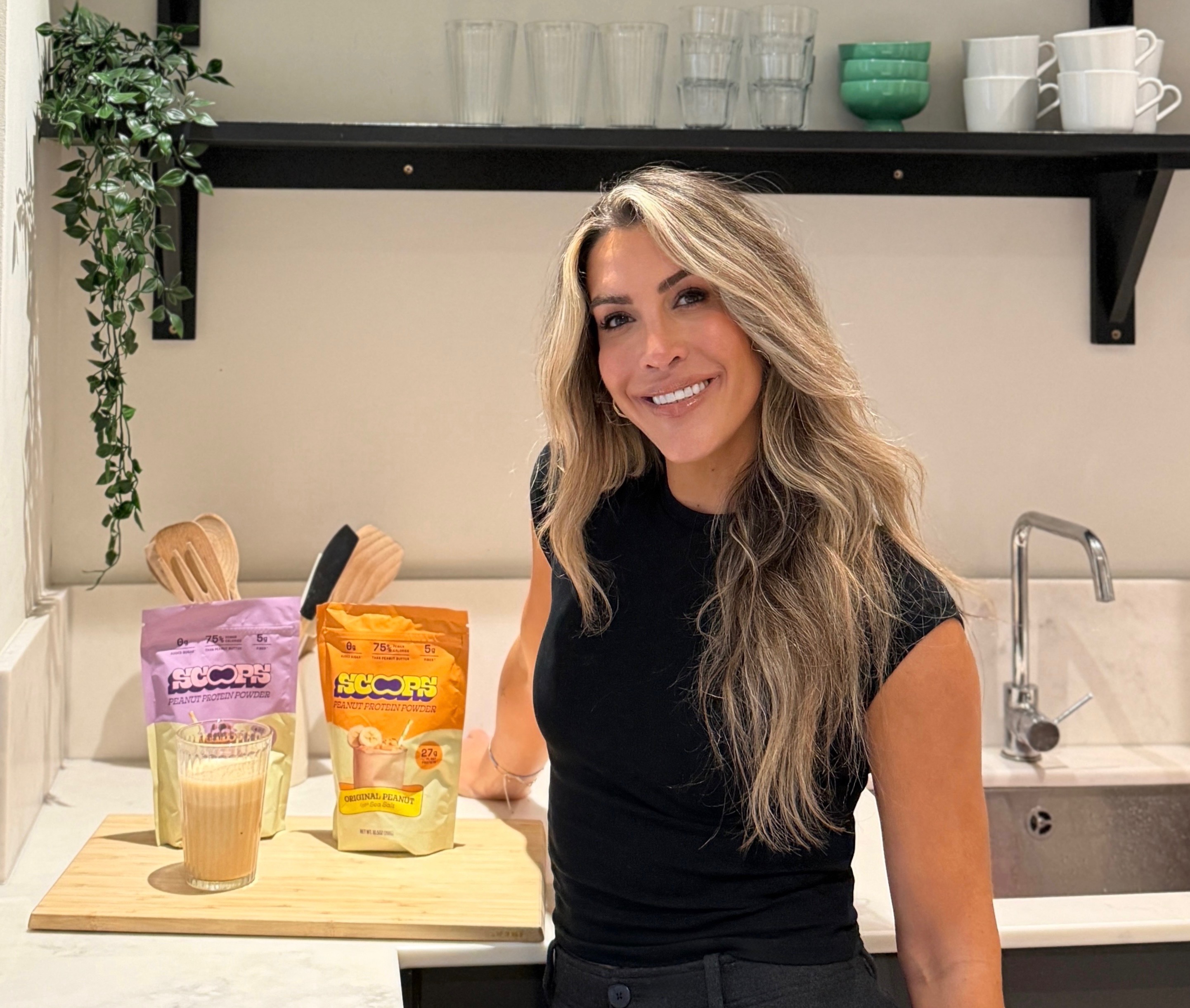
Despite her success behind the scenes, Lane harbored a long-term ambition: to establish her own consumer brand. However, she was determined to wait for the right concept—one that aligned with her personal habits and addressed a genuine gap in the booming wellness and functional food market.
Identifying the Gap: The Birth of Scoops
The functional food and protein supplement market has experienced unprecedented growth over the last decade, driven by increased consumer focus on health, wellness, and fitness. Despite the crowded landscape, Lane faced a personal dilemma common among busy consumers: she was not interested in drastically altering her diet or adopting complicated nutritional regimens.
The breakthrough came during a conversation with a vegan friend who suggested exploring peanut butter as a primary vehicle for protein innovation. Natural peanut butter is widely recognized for its rich protein content, but it also carries high calorie and fat loads that can make daily consumption challenging for those monitoring their caloric intake.
Lane began investigating ways to optimize peanut butter for modern nutritional needs without sacrificing taste or convenience. Her research intersected with a crucial industry development: a supplier was preparing to introduce a novel peanut isolate to the market. This innovative ingredient promised to dramatically alter nutritional macros by delivering concentrated protein while stripping away excess fat and calories.
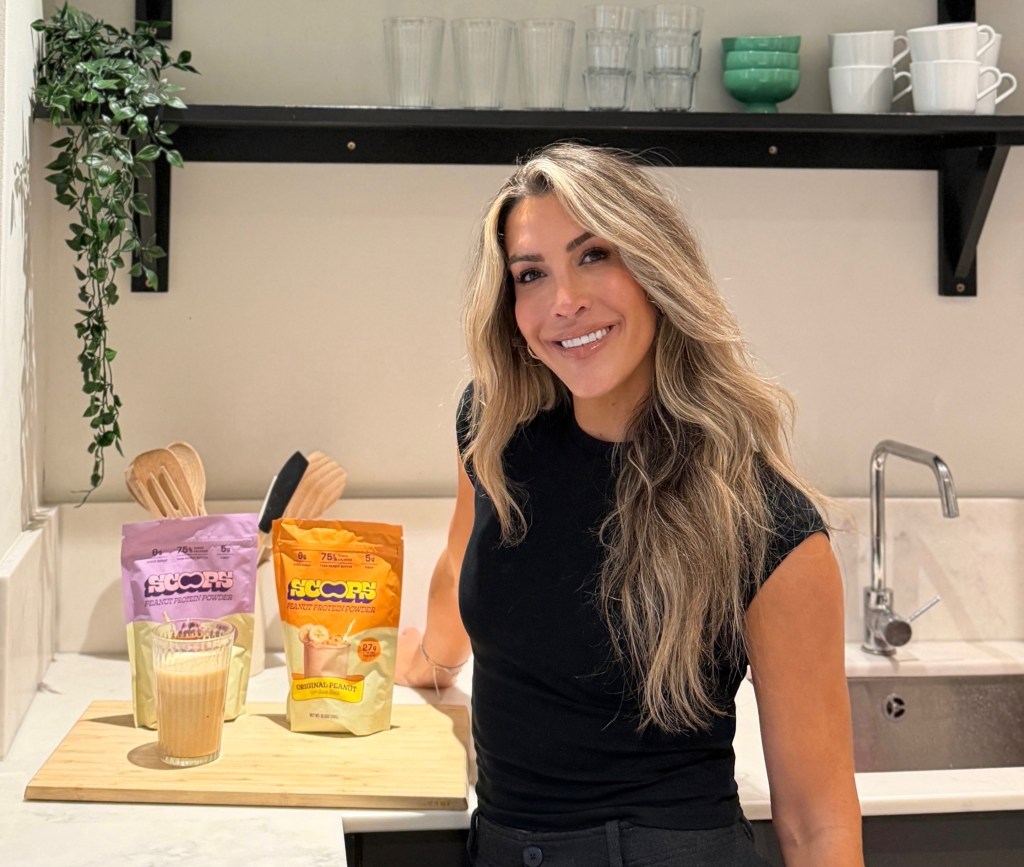
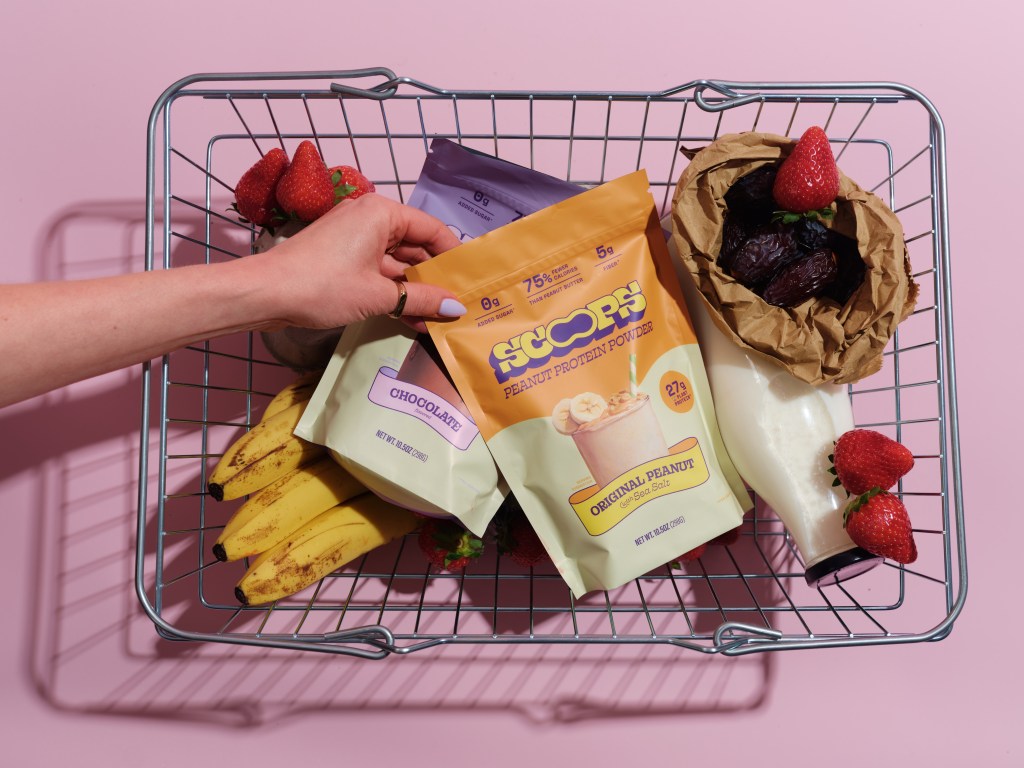
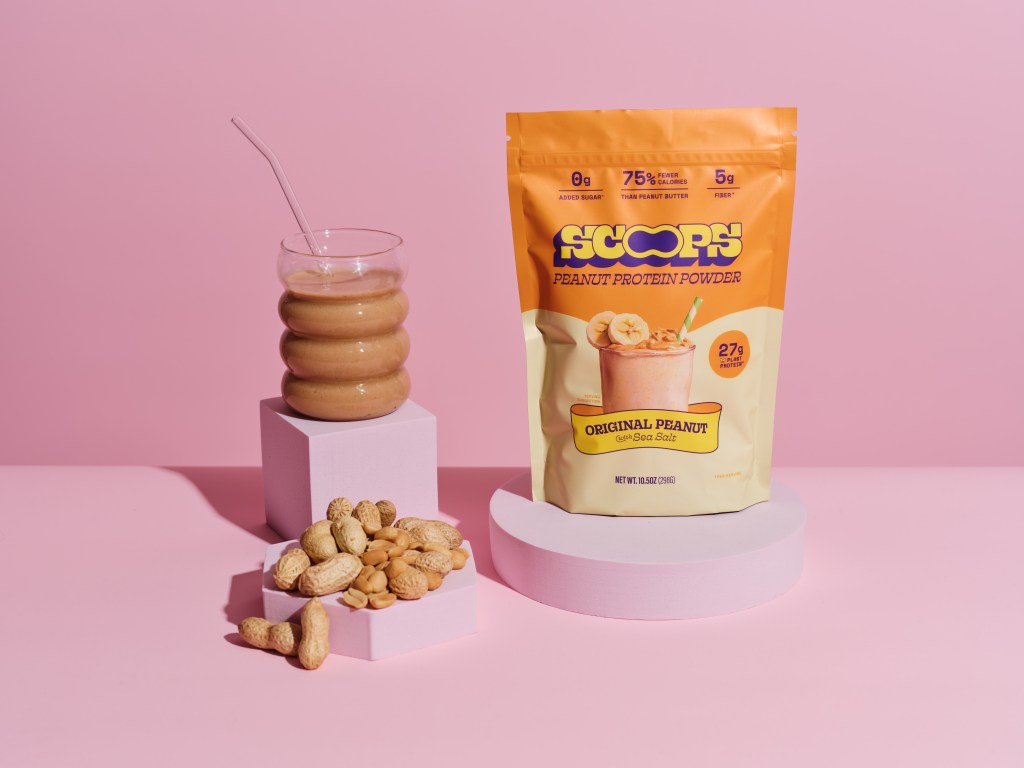
Recognizing the potential, Lane evaluated the ideal product format. Traditional peanut butter, while delicious, presents portion control challenges for many consumers—a phenomenon Lane humorously noted, admitting she was prone to consuming an entire jar in one sitting. Converting the peanut isolate into a versatile powder format solved this issue entirely. Scoops was formulated to offer the rich taste of peanut butter with 75% fewer calories and 95% less fat, allowing consumers to easily incorporate the protein powder into smoothies, oatmeal, baked goods, and other everyday recipes without dietary friction.
The Target Partnership: Transforming a Concept Into Reality
Despite having a compelling product thesis, branding, and a single prototype, Scoops existed primarily as a concept when Lane decided to pitch retail giant Target in the summer of 2025.
The timeline for the brand’s rollout moved at an unprecedented pace. Lane pitched the idea to Target buyers between late July and early August 2025. Retail buyers, increasingly looking for innovative products to revitalize center-store categories and attract wellness-minded shoppers, responded enthusiastically. In December 2025, Scoops received an official commitment to stock the product in more than 1,100 retail doors across the country—vastly exceeding the initial test run of 250 to 500 stores Lane had anticipated.
The aggressive retail expansion created an immediate operational challenge: the target launch date was set for May 2026, leaving Lane with just three months to secure capital, finalize manufacturing, and produce enough inventory to fill over a thousand retail locations nationwide.
Non-Traditional Funding Through the Supply Chain
Faced with an urgent capital requirement of approximately $500,000, Lane bypassed the traditional venture capital route, which often involves lengthy pitching cycles, dilution of equity, and misalignment with early-stage operational realities. Instead, she turned to the industry relationships she had cultivated over her 12-year career.
The $500,000 funding round was raised primarily from her existing supply chain network. The primary manufacturer and ingredient suppliers with whom Lane had partnered on previous ventures became the lead investors in Scoops, joined by a select group of industry professionals. This unconventional funding model was built entirely on professional trust and a shared track record of execution. Because her investors had witnessed her operational competence firsthand across multiple startups, they felt confident in backing her maiden entrepreneurial venture.
Launch Strategy and Explosive Sales Growth
When Scoops officially debuted on Target shelves in May 2026, the brand faced the ultimate test: building consumer awareness from scratch while simultaneously driving high velocity on major retail shelves with a heavily constrained marketing budget. The vast majority of the initial capital had been deployed directly into manufacturing inventory for the nationwide Target rollout.
To maximize visibility without a massive advertising budget, Lane and her lean team—bolstered by Chief Marketing Officer Lauren Browning—focused on creative, grassroots marketing tactics. The brand leveraged digital influencer partnerships, specifically targeting content creators known for showcasing unique "Target finds," alongside strategic product gifting campaigns to introduce the powder to key fitness and lifestyle audiences.
Retail partnerships further amplified these efforts. Target supported the brand by featuring Scoops on an 11-week end-cap display, providing critical visual prominence in high-traffic store aisles.
The strategy yielded remarkable financial results. Scoops generated $25,000 in net sales during its first month on the market. Thanks to repeat purchases, strong consumer reception, and sustained retail velocity, that figure climbed exponentially, reaching $400,000 in monthly sales just five months post-launch.
Broader Industry Implications and Strategic Lessons for CPG Founders
The rapid ascent of Scoops offers valuable insights into the contemporary consumer packaged goods (CPG) landscape. While modern startup culture frequently celebrates hyper-funded enterprises that chase explosive, venture-backed growth at all costs, Lane’s experience highlights the power of operational discipline, strategic supply chain alignment, and filling precise consumer needs.
Reflecting on her journey, Lane offers a counterintuitive piece of advice for aspiring founders entering the competitive food and beverage sector. While her own path involved scaling rapidly into national retail right out of the gate, she advocates for the merits of slow, deliberate growth. Building a sustainable, smaller-scale business initially allows founders to rigorously test product-market fit, refine operations, and protect cash flow without exposing themselves to catastrophic financial risk.
Furthermore, Lane emphasizes that innovation in the CPG space does not always require inventing an entirely new product category. While Scoops utilized a novel ingredient—peanut isolate—she notes that many successful brands achieve longevity by improving, repositioning, or enhancing existing pantry staples through superior nutritional profiles and clever branding.
As Scoops looks toward the future, Lane is focused on expanding the brand’s product portfolio, driving continued retail innovation, and transitioning Scoops from a successful startup into a permanent household name. By marrying deep operational expertise with a keen understanding of modern consumer behavior, Scoops has established a robust blueprint for independent brand success in an increasingly competitive retail environment.