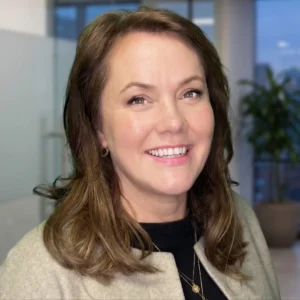
Inside Golden Corral’s All-You-Can-Eat Strategy As CEO Lance Trenary Navigates Inflation, Rising Costs, and the Future of the American Buffet

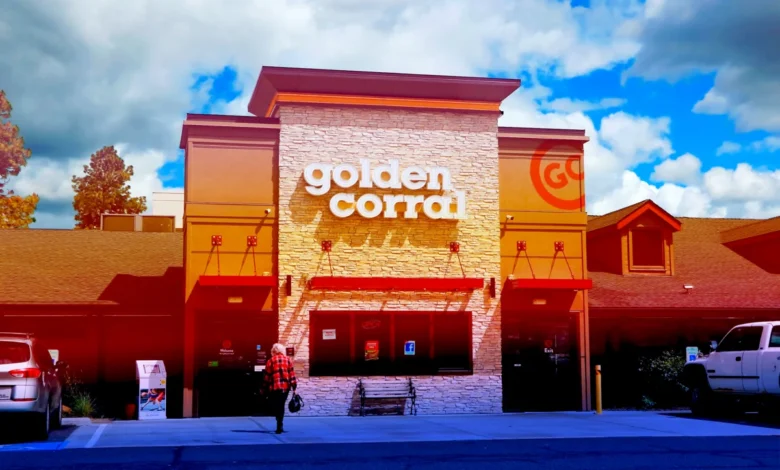
For over four decades, Golden Corral has stood as an American dining institution, synonymous with the sprawling, all-you-can-eat buffet experience. As the company’s President and Chief Executive Officer, Lance Trenary, steers the restaurant chain through a complex economic landscape, his leadership is once again under the spotlight. With 41 years invested in the brand, rising through the corporate ranks from operations to the highest executive office, Trenary’s tenure offers a unique lens through which to examine the resilience, vulnerability, and strategic pivots required to keep a traditional buffet model viable in the modern restaurant industry.
Navigating a Challenging Economic Climate
The current operating environment presents distinct hurdles for hospitality brands, particularly those rooted in high-volume, low-margin business models. Golden Corral, which operates and franchises nearly 400 restaurants across 42 states and serves approximately three million guests weekly, has felt the sharp squeeze of macroeconomic pressures.
In recent interviews, Trenary has acknowledged that the brand is navigating a notably difficult period. The all-you-can-eat format relies heavily on customer volume and predictable supply chains. However, persistent inflation has driven up the costs of fuel, labor, and vital food commodities. For a restaurant group famous for offering unlimited servings of high-cost proteins—such as steaks, prime rib, and seafood—alongside a vast array of hot and cold dishes, managing food cost percentages while keeping adult weekday dinners priced between $16.99 and $20.99 requires careful financial balancing.
Despite these financial headwinds, Trenary remains remarkably steadfast. Emphasizing that he does not panic during market downturns, the CEO credits the strength and dedication of his corporate team, franchise partners, and restaurant managers for keeping the brand stable. Rather than focusing on personal accolades, Trenary maintains that true leadership is measured by the opportunities a leader creates for others within the organization.
The Core Habit: Staying Close to the Customer
At the foundation of Trenary’s four-decade career is a single, non-negotiable operational philosophy: staying intensely connected to the customer base and frontline workers. Having worked his way up from senior roles in company operations before securing the CEO position in 2015, Trenary prioritizes physical visits to individual restaurants over remote executive management.
According to the CEO, regular travel to locations nationwide allows him to maintain direct lines of communication with virtually every franchisee and store manager in the system. This hands-on approach, he notes, yields the unfiltered truth about brand perception, operational bottlenecks, and consumer sentiment—insights that rarely penetrate the corporate boardroom. By prioritizing direct, face-to-face interactions with guests and employees alike, leadership can better diagnose systemic issues and adapt swiftly to changing dining preferences.
A History of Resilience: From North Carolina Steakhouse to National Buffet Giant
To fully understand Golden Corral’s current market position, it is essential to examine its evolutionary trajectory. The brand’s origins trace back to 1973, when the first modest steakhouse opened in Fayetteville, North Carolina. Founded by James Maynard and William F. Carl, the early iteration focused primarily on family-friendly steak dinners paired with a modest salad bar.
Throughout the 1970s and 1980s, the company expanded regionally, gradually refining its service model to emphasize abundance, variety, and exceptional value. By the late 1990s, the traditional steakhouse format had fully transformed into the sprawling, self-serve buffet concept that defines the brand today. The pivot proved immensely successful, capturing the imagination of families seeking maximum choice and predictable pricing. At its peak prior to 2020, the chain commanded a massive national footprint, serving as a cultural touchstone for suburban dining across America.
The Pandemic Test and the Road to Recovery
Few segments of the restaurant industry were hit harder by the COVID-19 pandemic than the buffet sector. When government-mandated indoor dining restrictions and social distancing guidelines took effect in March 2020, Golden Corral’s high-traffic dining rooms and communal serving lines faced an existential threat.
During the height of public health restrictions, the company’s sales plummeted by more than half. The prolonged disruption forced widespread temporary closures, and the system ultimately lost at least 80 operating units as franchisees and corporate leadership grappled with vanishing revenue streams. Industry analysts questioned whether the traditional all-you-can-eat model could survive an era defined by hygiene anxiety and touchless service protocols.
Yet, Golden Corral engineered a calculated and substantial recovery. The brand adapted by introducing operational efficiencies, exploring enhanced takeout and delivery formats where feasible, and reassuring guests through rigorous safety and sanitation protocols. Furthermore, the chain refined its unit economics. Today, the brand’s highest-performing, busiest locations generate approximately $7 million in annual sales per unit, demonstrating that consumer demand for high-value, communal dining remains remarkably robust when properly managed.
Operational Realities and the Mathematics of the Buffet
Operating a successful buffet requires a masterclass in logistics, portion forecasting, and waste management. Unlike traditional table-service restaurants where menus feature fixed portion sizes tied to individual orders, buffets must anticipate fluctuating aggregate consumption patterns.
Supply chain stability is paramount. When beef, poultry, and dairy prices fluctuate wildly, buffet operators face difficult choices: absorb the margin compression, increase consumer-facing prices and risk alienating value-conscious patrons, or temporarily modify menu offerings. Golden Corral’s historical success has hinged on its ability to leverage massive purchasing power through vendor partnerships, keeping ingredient costs low enough to sustain profitability at moderate price points.
Moreover, labor dynamics play an increasingly critical role. The hospitality sector has faced severe labor shortages and escalating wage expectations over recent years. For a restaurant format that requires constant kitchen preparation, food replenishment, dishwashing, and dining room maintenance, staffing levels directly impact the guest experience. Trenary’s emphasis on supporting franchisees and store-level managers directly addresses this challenge, ensuring that front-line workers feel valued and equipped to handle high-volume shifts.
The Broader Implications for the Hospitality Industry
Golden Corral’s current trajectory offers broader insights into the macroeconomic health of the casual dining sector. As American consumers contend with cumulative inflation, discretionary spending on dining out has faced heightened scrutiny. Value propositions have become the primary battleground for restaurant chains seeking to maintain foot traffic.
While fast-casual and quick-service restaurants have leaned heavily into digital apps, loyalty programs, and automated ordering kiosks, traditional sit-down and buffet brands must rely on tangible sensory experiences—abundance, variety, hospitality, and communal gathering. The fact that Golden Corral’s premier locations continue to post multi-million-dollar annual revenues indicates that the cultural appetite for shared dining experiences has not vanished; rather, it has simply become more discerning.
Looking Ahead: The Next Chapter for Golden Corral
As Lance Trenary and his leadership team navigate the complexities of 2026 and beyond, the focus remains firmly on operational discipline, brand evolution, and maintaining the core values established over fifty years ago. By blending legacy formats with modern supply chain strategies and an unwavering commitment to frontline listening, the company aims to protect its market share against emerging competitors.
The challenges of rising operational costs, labor pressures, and shifting consumer habits will undoubtedly persist. However, an organization that has weathered regional recessions, a generational pandemic, and fundamental shifts in American dining culture possesses a deep well of institutional resilience. For Golden Corral, the path forward relies on the same principle that brought Trenary to the helm: staying close to the customer, empowering the people on the ground, and honoring the fundamental promise of abundance and value.