HRTech vendor executives leveraged the Collaboration Zone for top notch networking & copious collaboration at UNLEASH in Vegas


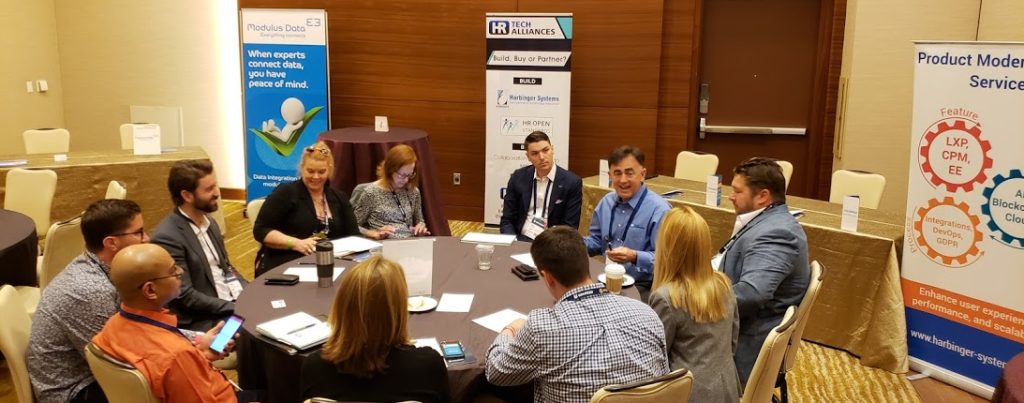
The recent UNLEASH America conference, held at the Aria Resort & Casino in Las Vegas, served as a pivotal stage for the evolution of HR technology partnerships. Amidst the high-energy atmosphere of the expo floor, a dedicated enclave known as the Collaboration Zone (CZ) provided a stark contrast to the standard, transactional nature of industry trade shows. By focusing on "vendor-only" interaction, the initiative—powered by HR Tech Advisor and HRTechAlliances.com—sought to address a chronic pain point in the sector: the lack of meaningful, strategic dialogue between service providers, integration partners, and platform owners.

The Evolution of Strategic Networking
For the past four and a half years, the Collaboration Zone has aimed to move beyond the traditional "booth-circling" dynamic that often defines large-scale HR technology conferences. In a landscape where speed and efficiency are paramount, the CZ model prioritizes structured, thematic roundtables over surface-level networking.
The event’s chronology in Las Vegas mirrored the complexities of the modern HR tech ecosystem. Day one was anchored by discussions regarding best practices in alliances and certification, while day two pivoted toward high-stakes questions surrounding the "Build, Buy, or Partner" dilemmas facing industry giants. By facilitating these sessions, organizers provided a venue where early-stage startups could engage directly with decision-makers from organizations like SAP SuccessFactors, IBM, and LinkedIn.

Deep Dive: The Mechanics of Modern Alliances
A central theme of the Las Vegas proceedings was the optimization of partnerships to ensure maximum Return on Investment (ROI) for all stakeholders. Larry Cummings, Chief Connector and Co-Founder of HR Tech Alliances, led the inaugural session, emphasizing the necessity of formal credentialing through bodies like the Association of Strategic Alliance Professionals (ASAP).
The industry is currently witnessing a shift where standalone HR tools are no longer sufficient; the demand for seamless integrations has become a primary driver of purchasing decisions. As noted by industry experts in the CZ, poorly managed integrations often serve as the "silent killers" of sales deals. When a vendor fails to harmonize its technology with the client’s existing stack, the resulting friction leads to churn and decreased customer lifetime value. Katrina Paglierani, VP of Partnerships and Alliances at Flexspring, facilitated a technical roundtable on this specific challenge, underscoring that the ability to connect disparate HR systems is as critical to product success as the core features themselves.
Market Dynamics: The Build, Buy, or Partner Conundrum
One of the most anticipated segments of the event was the discourse surrounding LinkedIn’s strategic trajectory. Global Product Evangelist Sankar Venkatraman addressed the perennial question of whether market leaders should build their own features, acquire existing solutions, or foster partnerships with best-of-breed vendors.
This discussion is representative of a broader trend in HR technology: the transition from monolithic, all-in-one suites to integrated, ecosystem-based architectures. As enterprises become increasingly wary of vendor lock-in, they are prioritizing platforms that offer open APIs and robust integration marketplaces. Vendors that fail to participate in these ecosystems risk being relegated to silos, which significantly diminishes their market reach.
Data-Driven Marketing and Buying Trends
Beyond technical integration, the Collaboration Zone provided a platform for marketing alignment. Brad Sutton of HR.com presented findings on current buying trends, illustrating how HR departments are evolving their procurement processes. Modern HR buyers are increasingly utilizing social listening, data-driven email campaigns, and peer-validated research before engaging with sales representatives.
For HR tech vendors, this implies that the "spray and pray" marketing model is effectively dead. Instead, companies must adopt highly targeted strategies that demonstrate an understanding of the buyer’s specific pain points. The session on employee advocacy programs, led by Rhonda Taylor of Advos, further highlighted that the most effective brand building today comes from internal subject matter experts and employee advocates rather than traditional top-down advertising.

Industry Feedback and Institutional Impact
The success of the Collaboration Zone is best measured by the qualitative feedback from participating vendors. Roy Baladi, Head of Marketplace at SmartRecruiters, noted that the curated nature of the sessions allowed for high-quality insights that are often lost in the noise of a crowded expo hall.
Similarly, Shrikant Pattathil, President at Harbinger Systems, highlighted the diversity of topics covered—ranging from product modernization to the implementation of chatbots and data warehousing. This breadth of discussion reflects the rapid pace at which AI and automation are reshaping HR service delivery. Tracey Azer of IBM noted that the logistical support provided by the CZ hosts—such as promotional tools to advertise specific sessions—enabled vendors to maximize their visibility among their peers, effectively turning the conference into a series of mini-summits.

Broader Implications for the HRTech Sector
The implications of the Collaboration Zone’s success extend beyond a single event in Las Vegas. As the "Future of Work" continues to dominate corporate agendas, the pressure on HR technology providers to deliver interoperable, user-centric, and data-secure solutions has reached an all-time high.
The movement toward collaboration suggests that the era of the "lone wolf" vendor is waning. In its place, a collaborative ecosystem is emerging where companies thrive based on their ability to integrate, co-market, and co-innovate. For early-stage companies, the ability to secure a partnership with a major platform owner like SAP or LinkedIn can be a transformative event that accelerates market entry and credibility. Conversely, established players rely on these partnerships to stay agile and maintain their competitive edge against newer, leaner disruptors.

Looking Ahead: The Road to Paris
Following the conclusion of the Las Vegas sessions, the momentum of the Collaboration Zone is slated to continue at UNLEASH World in Paris. The transition to a global stage indicates that the need for structured collaboration is a universal requirement for the HR technology sector, irrespective of geographic boundaries.
The core challenge for vendors remains the same: deciding how to allocate limited resources between internal development and external partnerships. As the sector matures, the organizations that will ultimately win are those that treat partnerships not as an afterthought or a secondary sales channel, but as a fundamental pillar of their growth strategy.
In summary, the UNLEASH Collaboration Zone functioned as more than just a networking lounge; it served as a laboratory for the next phase of HR technology. By facilitating honest, peer-to-peer discussions on the most pressing challenges in the industry—from the technical difficulties of integration to the strategic complexities of market positioning—it provided a blueprint for how vendors can succeed in an increasingly complex and interconnected digital landscape. As the industry looks toward the next cycle of innovation, the lessons learned in the Collaboration Zone—centered on trust, transparency, and strategic alignment—are likely to become the new standard for success in the global HR technology market.
The data shared throughout these sessions confirms a trend that has been building for years: the value of an HR tech product is no longer defined solely by its individual features, but by its capacity to thrive within an integrated, collaborative, and strategically aligned network of service providers. As vendors prepare for future gatherings in Paris and beyond, the focus will undoubtedly remain on refining these alliances to drive sustainable growth and deliver superior outcomes for the end-user organizations they serve.
Related posts: