The Hidden Cost of Brand Identity: Reevaluating the Merchandising Strategy for Modern Hospitality Businesses

The hospitality industry—comprising restaurants, bars, and entertainment venues—has long utilized branded merchandise as a secondary revenue stream and a marketing tool. However, a growing disconnect between pricing strategies and consumer sentiment has sparked a debate regarding the efficacy of these products. While businesses often view branded apparel as a high-margin profit center, data suggests that the current trend of premium pricing may be counterproductive to long-term brand equity and customer loyalty.
The Economics of Corporate Merchandise
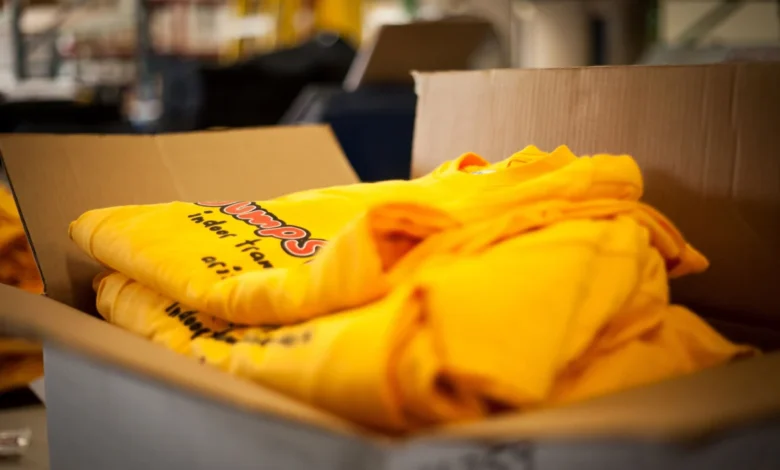
The production of branded promotional items, or "swag," has become increasingly accessible due to advancements in print-on-demand technology and global supply chain integration. According to market research on the promotional products industry, the cost to source high-quality textiles, such as hoodies, hats, and T-shirts, typically ranges between $5 and $15 per unit when ordered in bulk. These costs fluctuate based on fabric quality, printing techniques (such as screen printing versus embroidery), and order volume.
Despite these relatively low overhead costs, retail prices for branded merchandise at independent dining and entertainment venues often soar to $50 or $80 per item. This markup structure, which can exceed 500% of the cost of goods sold (COGS), is frequently defended by business owners as necessary to cover inventory management, retail space, and the inherent risks of carrying non-perishable stock. However, this financial model assumes a high velocity of inventory turnover, which is rarely observed in small-scale hospitality environments.
Chronology of a Shift in Consumer Behavior
The shift in how customers perceive "swag" has occurred in parallel with the rise of "fee fatigue." Over the past five years, the dining experience has been transformed by a proliferation of surcharges. Following the economic volatility of 2020, restaurants began implementing a variety of mandatory fees, including health and wellness surcharges, credit card processing fees, and, in some cases, automatic gratuities or service charges.
As these line items have become commonplace on receipts, the "all-in" cost of a night out has increased significantly. Consequently, when a consumer is presented with a high-priced souvenir hoodie after an already expensive meal, the item is no longer viewed as a memento. Instead, it is perceived as an additional, unwelcome "fee" on top of an already premium transaction. This psychological framing often results in the customer opting out of the purchase entirely, leaving inventory to sit stagnant on shelves.
The Logistics of Stagnant Inventory
A recurring observation in the hospitality sector is the lack of operational integration for merchandise sales. Many venues treat retail as an afterthought, with merchandise often stored in back-of-house areas or disorganized retail displays that lack point-of-sale efficiency. Staff members are frequently undertrained on the retail side of the business, leading to friction during the transaction process.
When a customer attempts to purchase an item, they are often met with delays, such as staff needing to locate a manager or searching for inventory in storage. This friction acts as a deterrent to impulse buys. If a business is not committed to the retail side of its operation, the capital tied up in unsold merchandise becomes a liability rather than an asset. Capital that could have been reinvested into food quality, service training, or facility maintenance is instead trapped in boxes of unsold apparel.
Strategic Alternatives: From Revenue Center to Engagement Tool
Industry analysts suggest that businesses should shift their focus from immediate profit extraction to brand amplification. The goal of branded apparel should be to transform the customer into a brand ambassador. If a patron wears a company’s logo, they are providing organic, peer-to-peer advertising that is arguably more valuable than paid social media impressions.
The Charitable Partnership Model
One successful strategy involves leveraging merchandise to support community-based initiatives. By earmarking a portion of, or all, profits from merchandise sales to a local charity, businesses can transform a financial transaction into a values-based alignment. This approach mitigates the customer’s price sensitivity; when a purchase is linked to a social cause, the perceived value of the product increases, and the business gains positive public relations, which can be amplified through social media coverage of the donation.
Gamification and Experiential Marketing
Some innovative operators have moved away from retail altogether, instead using merchandise as a reward mechanism. By integrating branded items into events such as trivia nights, tournaments, or social media challenges, businesses create "earned" prestige around their brand. When a customer wins a shirt, they are significantly more likely to wear it, as it serves as a trophy rather than a commodity. This fosters a deeper emotional connection between the venue and its regular clientele.
The Loyalty-Based Reward System
Data-driven loyalty programs offer another avenue for effective merchandise deployment. By tracking high-value visits or significant expenditure, operators can identify their most loyal customers. Rewarding these individuals with complimentary or discounted merchandise serves as a tangible expression of appreciation. This strategy reinforces the customer’s decision to return, effectively lowering their customer acquisition cost (CAC) over the long term.
Broader Implications for the Hospitality Industry
The overarching lesson for the industry is that merchandise is an extension of the brand experience, not a separate retail venture. When the brand is synonymous with quality and hospitality, the merchandise should reflect that same ethos. If the pricing strategy creates resentment, it undermines the very experience the business is trying to sell.
Industry experts note that businesses thriving in this space are those that prioritize the "walking billboard" effect. By pricing items closer to cost—or making them accessible through loyalty programs—businesses maximize the number of people wearing their brand in the community. This increased visibility functions as a long-term marketing strategy that generates more revenue through repeat visits and word-of-mouth than a one-time, high-margin sale could ever achieve.
Future Outlook
As the hospitality industry continues to navigate a challenging economic landscape characterized by rising food costs and labor shortages, the temptation to squeeze every possible dollar from secondary sources is understandable. However, the data suggests that such tactics often lead to diminished returns.
Moving forward, successful operators will likely adopt a more holistic view of their brand assets. They will recognize that a customer wearing a branded hat in public represents a continuous marketing investment. By prioritizing engagement over immediate markups, businesses can foster a more sustainable, community-focused model that benefits both the operator and the consumer. The future of hospitality merchandise lies in utility, value, and community impact, moving away from the transactional, "fee-heavy" approach that has defined the post-pandemic era. By aligning merchandise strategy with broader marketing goals, businesses can transform their brand identity into a persistent, positive presence in the lives of their customers.