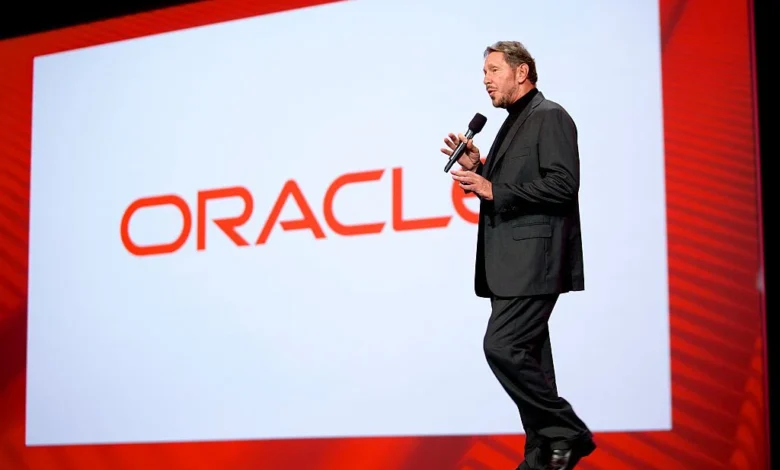
The unexpected decision to halt the divestiture of 50 million shares, which carried an estimated market value of $7.5 billion, was confirmed by Oracle in an official statement released this past Saturday. The move marks a significant departure from the original trading plan filed with regulators, which would have represented one of the largest personal stock liquidations by a technology titan in recent history. As of the current reporting cycle, no shares have been offloaded under the previous mandate, and the company has explicitly stated that Ellison currently holds no intentions to sell additional equity in the software giant.
A Departure from Planned Liquidation
The initial plan to sell 50 million shares had been disclosed in standard regulatory filings, a routine move often employed by high-net-worth executives to satisfy pre-arranged financial goals or portfolio diversification strategies. Under Rule 10b5-1 of the Securities and Exchange Commission, executives create these plans to avoid accusations of insider trading by setting specific dates, prices, and volumes for stock sales well in advance.
However, the abrupt cancellation—offered without a specific rationale from the Oracle corporate office—has fueled speculation regarding the company’s internal trajectory and Ellison’s long-term commitment to the firm he co-founded in 1977. Market analysts are currently examining whether the decision signals a newfound confidence in Oracle’s stock valuation, which has faced significant downward pressure throughout the 2026 fiscal year.
Financial Context and Market Performance
Oracle’s stock has experienced a challenging year, with shares down approximately 22% since the start of 2026. This decline has occurred against a backdrop of massive capital expenditure. The company has aggressively pivoted its business model toward the burgeoning artificial intelligence sector, necessitating substantial investments in hyperscale data centers.
These infrastructure costs are high, but they represent a strategic wager on the future of enterprise cloud computing. By building out localized data centers, Oracle aims to compete directly with Amazon Web Services, Microsoft Azure, and Google Cloud. However, investors have been sensitive to the margin compression caused by these heavy investments. The cancellation of Ellison’s stock sale may be interpreted by some market participants as a "vote of confidence" from the company’s largest shareholder, suggesting that he views the current stock price as an undervaluation of the company’s long-term growth prospects in AI and cloud services.
Chronology of Strategic Moves
The timeline of Oracle’s recent maneuvers reveals a company attempting to balance its legacy database business with high-stakes modern ventures.
- Late 2025: Reports surfaced regarding Larry Ellison’s significant financial involvement in his son David Ellison’s acquisition of Warner Bros., a deal involving billions of dollars in backing that solidified the Ellison family’s influence in the media and entertainment sectors.
- January 2026: Oracle solidified its role as a key security and hosting partner for TikTok’s U.S. operations, a move that integrated the software giant into the center of complex geopolitical and regulatory debates surrounding data privacy.
- June 2026: Oracle’s earnings calls emphasized the massive capital expenditure required to scale their AI-ready data centers, a primary catalyst for the stock’s volatility throughout the first half of the year.
- August 2026: Legal challenges began to mount regarding the Warner Bros. acquisition, with California authorities probing the details of the transition, adding a layer of complexity to the Ellison family’s external business interests.
- September 2026: The official announcement of the cancellation of the 50-million-share sale was issued, effectively freezing a $7.5 billion liquidity event.
The TikTok Factor and Data Sovereignty
One of the most consequential developments in Oracle’s recent history is its partnership with TikTok. By acting as the primary host for U.S. user data, Oracle has positioned itself as a critical player in national security discussions. This role brings both prestige and scrutiny. The infrastructure requirements for this partnership have contributed to the heavy spending cycle noted in recent quarterly reports.
While the partnership has bolstered Oracle’s standing as a premier cloud provider, it also ties the company’s reputation to the volatile regulatory environment surrounding social media platforms. The decision to retain his full stake in Oracle suggests that Ellison remains fully focused on the long-term integration of these massive enterprise projects, rather than shifting his capital into other liquid assets.
The Warner Bros. Connection and Family Wealth
Beyond his role at Oracle, Ellison’s influence extends into the media landscape through his support of Skydance Media’s acquisition of Warner Bros. The $40 billion-plus transaction, backed by the senior Ellison’s personal wealth, is currently entangled in litigation. The legal proceedings in California are examining the terms of the merger, particularly concerning shareholder equity and corporate governance standards.
Observers have questioned whether the initial planned sale of $7.5 billion in Oracle stock was intended to provide liquidity for these family-led acquisitions. If that were the case, the sudden cancellation of the sale indicates a major strategic pivot. It is possible that alternative financing methods were secured for the Warner Bros. deal, or that the current legal challenges necessitated a change in the capital allocation strategy for the Ellison family office.
Market Implications and Analyst Reactions
Wall Street analysts often monitor executive stock sales as a barometer for internal sentiment. A major sell-off by a founder can sometimes trigger retail investor anxiety, creating a downward feedback loop. Conversely, the halting of such a sale, particularly when a stock is performing below its annual highs, is generally viewed as a stabilizing signal.
"The cancellation is a clear message to the market," says a senior equity researcher familiar with Oracle’s corporate governance. "By keeping that $7.5 billion worth of equity on the books, Ellison is effectively saying that he expects the data center investments to pay off in the coming quarters. It removes the threat of a massive supply of shares hitting the market, which technically supports the share price."
However, the lack of an official explanation remains a point of interest. In the modern era of corporate transparency, investors are increasingly demanding clarity regarding the personal financial movements of key executives. While there is no legal requirement for Ellison to explain his change of heart, the silence from Oracle headquarters has left room for various interpretations.
Looking Ahead: The Future of Oracle
The core of Oracle’s strategy remains its transition to a full-stack cloud provider. The company has moved away from the traditional on-premise software licensing model that defined its early success, choosing instead to embrace a recurring revenue model via cloud infrastructure. This transition is capital-intensive, risky, and highly competitive.
As the company enters the final quarter of 2026, the primary focus will be on whether the massive spending on AI data centers can yield the revenue growth necessary to appease skeptical shareholders. With Ellison maintaining his significant ownership stake, his personal fortune remains inextricably linked to the success of this transition.
The decision to cancel the stock sale provides a temporary reprieve for the company’s share price and suggests that, at least for the foreseeable future, the founder intends to stay the course. Whether this stability will be enough to reverse the 22% decline seen this year will depend largely on the company’s performance in the next several quarters, particularly as the legal hurdles surrounding his family’s media investments reach a resolution.
For now, the status quo at Oracle remains: an aggressive push toward cloud dominance, a heavy reliance on AI infrastructure, and a founder who—despite the pressures of the market—has chosen to keep his skin in the game. Investors will be watching closely as the company moves into the next phase of its ambitious and costly transformation, keeping a keen eye on whether the regulatory and legal clouds surrounding the broader Ellison portfolio begin to clear.