The Great HR Paradox: Why Artificial Intelligence is Expanding, Not Extinguishing, Human Resources


The persistent narrative that Human Resources is a redundant, bureaucratic function facing imminent obsolescence has resurfaced, fueled by recent commentary at the Society for Human Resource Management (SHRM) conference. During the event, assertions were made by corporate leaders that artificial intelligence and automation are driving the traditional HR field toward extinction. However, an analysis of 30 years of workforce data, labor market trends, and modern corporate strategies tells an entirely different story. Far from collapsing under the weight of technological disruption, the HR profession is undergoing a profound structural evolution that is increasing its strategic value, driving job growth, and outpacing broader economic employment trends.

Debunking the Extinction Narrative: A Historical and Data-Driven Perspective
To understand the current anxiety surrounding Human Resources, one must examine the long-standing perception of the domain. For decades, corporate managers have frequently viewed HR as an administrative bottleneck—a sentiment often rooted in the belief that personnel management is a native skill possessed by all leaders. This skepticism reached a vocal crescendo at the SHRM conference, where predictions of field-wide extinction captured media headlines and sparked widespread debate across corporate America.
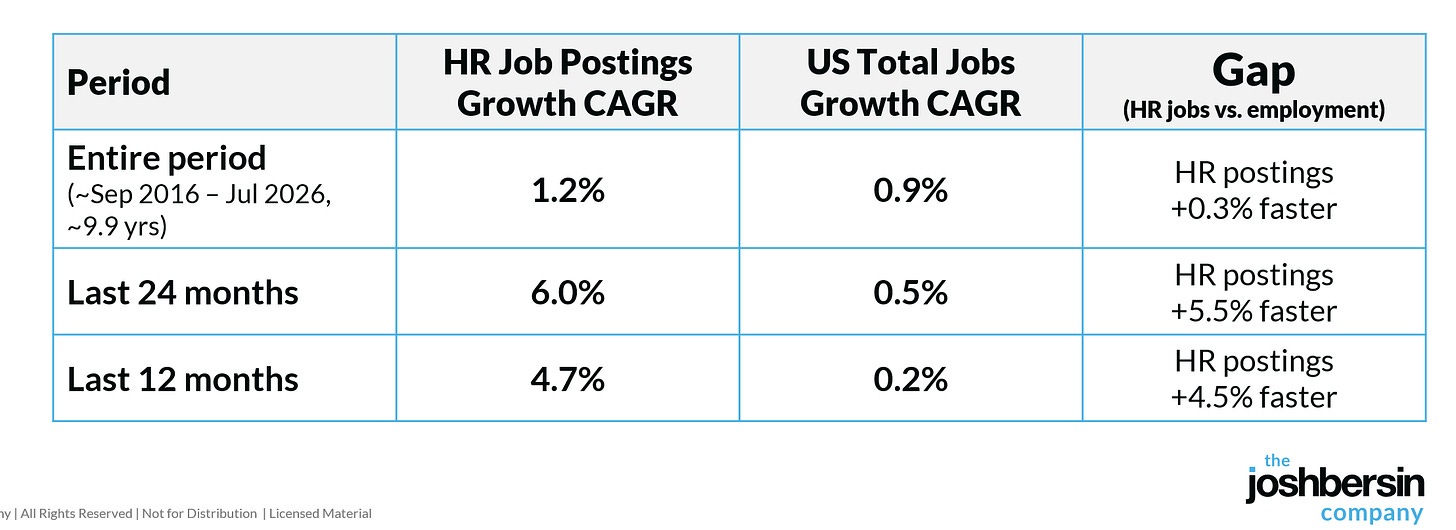
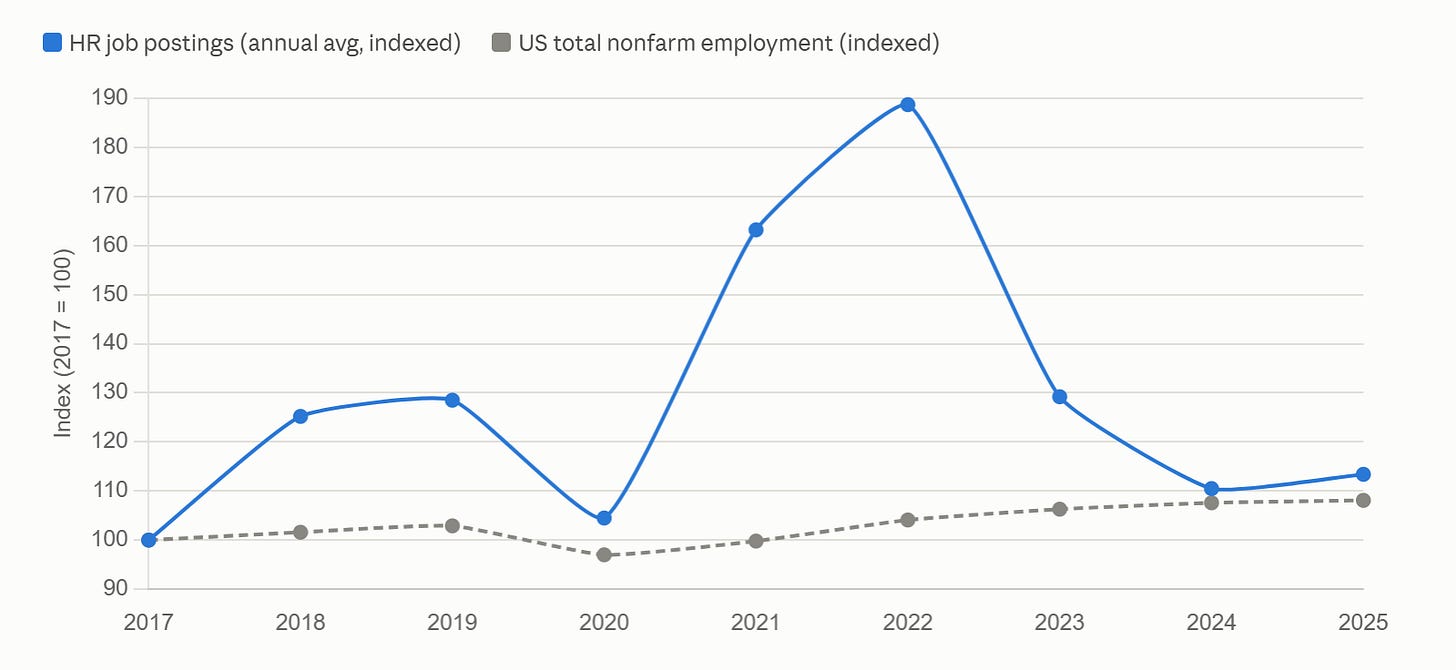
Yet, empirical labor data paints a starkly contrasting picture. According to insights from Lightcast job posting analytics, historical metrics over a 20-year period indicate a compound annual growth rate for HR-related positions of approximately 1.2 percent. Crucially, when examining the last 24 months—a period defined by the rapid integration and mainstream adoption of generative artificial intelligence tools—that growth rate accelerates sharply to 6 percent.
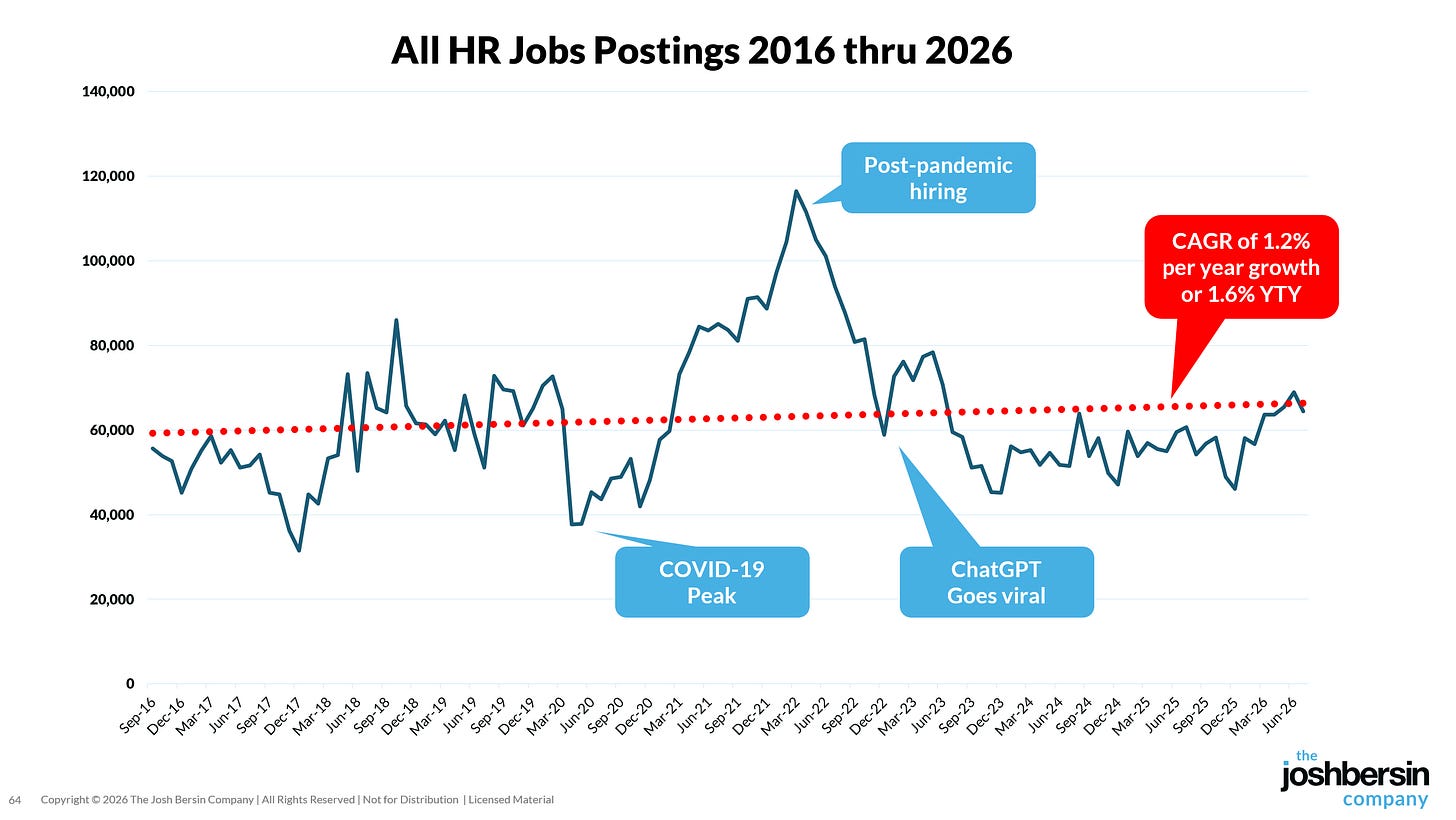
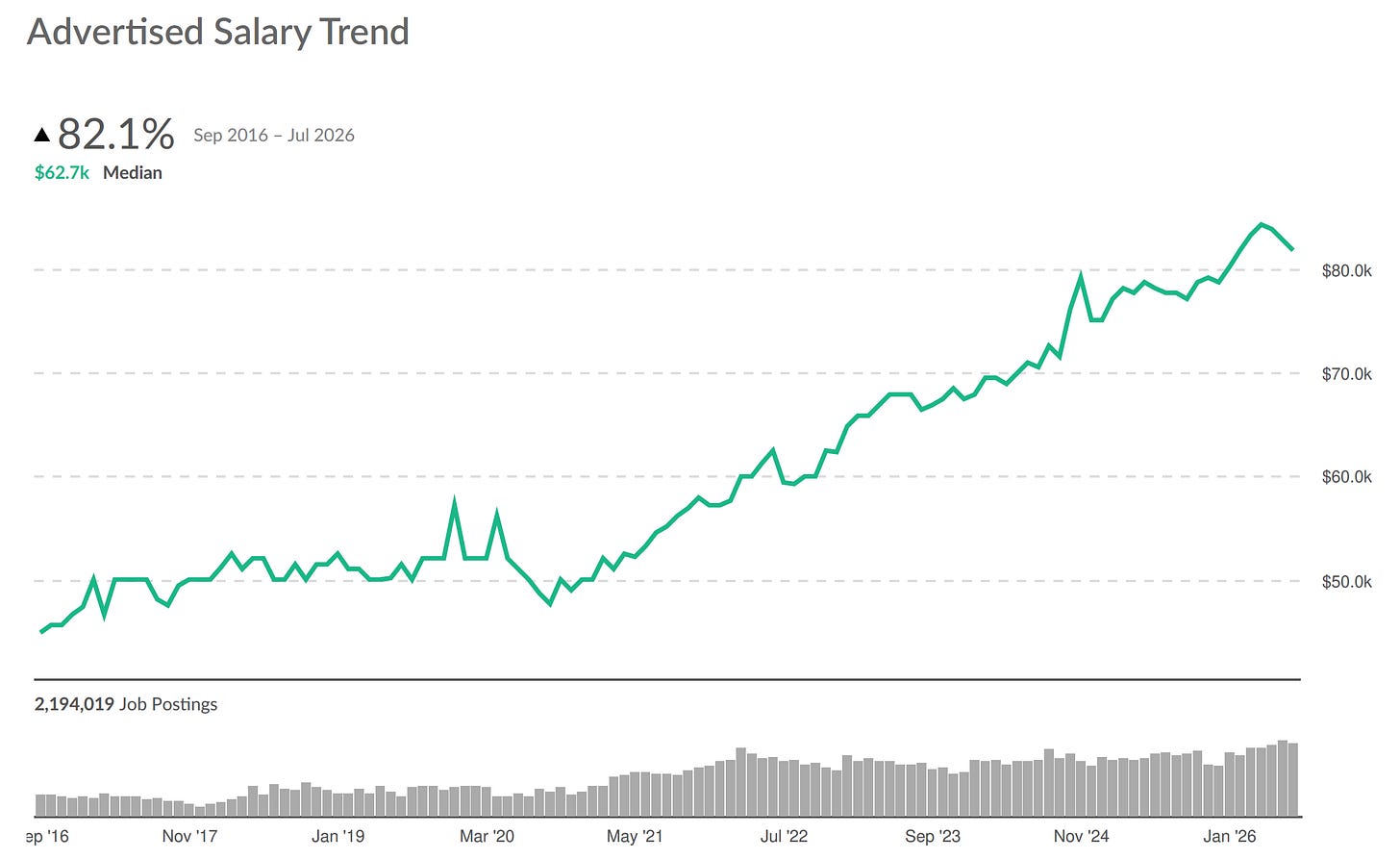
When measured against broader macroeconomic indicators, the growth of HR roles becomes even more pronounced. HR positions are currently expanding at a rate that outpaces total national employment growth. Furthermore, financial compensation within the sector reflects this rising demand. Over the observed multi-year timeframe, HR salaries have climbed by roughly 82 percent, translating to a compound annual growth rate of 3.1 percent. This outpaces the broader U.S. inflation rate, which averaged 2.1 percent annually over the same period, bringing cumulative inflation to approximately 66 percent. Consequently, HR professionals are seeing wage growth that exceeds general inflation—a financial trajectory uncommon in many administrative fields.
The Great Transformation: Replacing Tasks, Elevating Roles
How can a profession widely characterized as administrative and heavily automatable be experiencing such robust growth in both headcount and compensation? The answer lies in the fundamental distinction between automating isolated tasks and eliminating holistic professional functions.
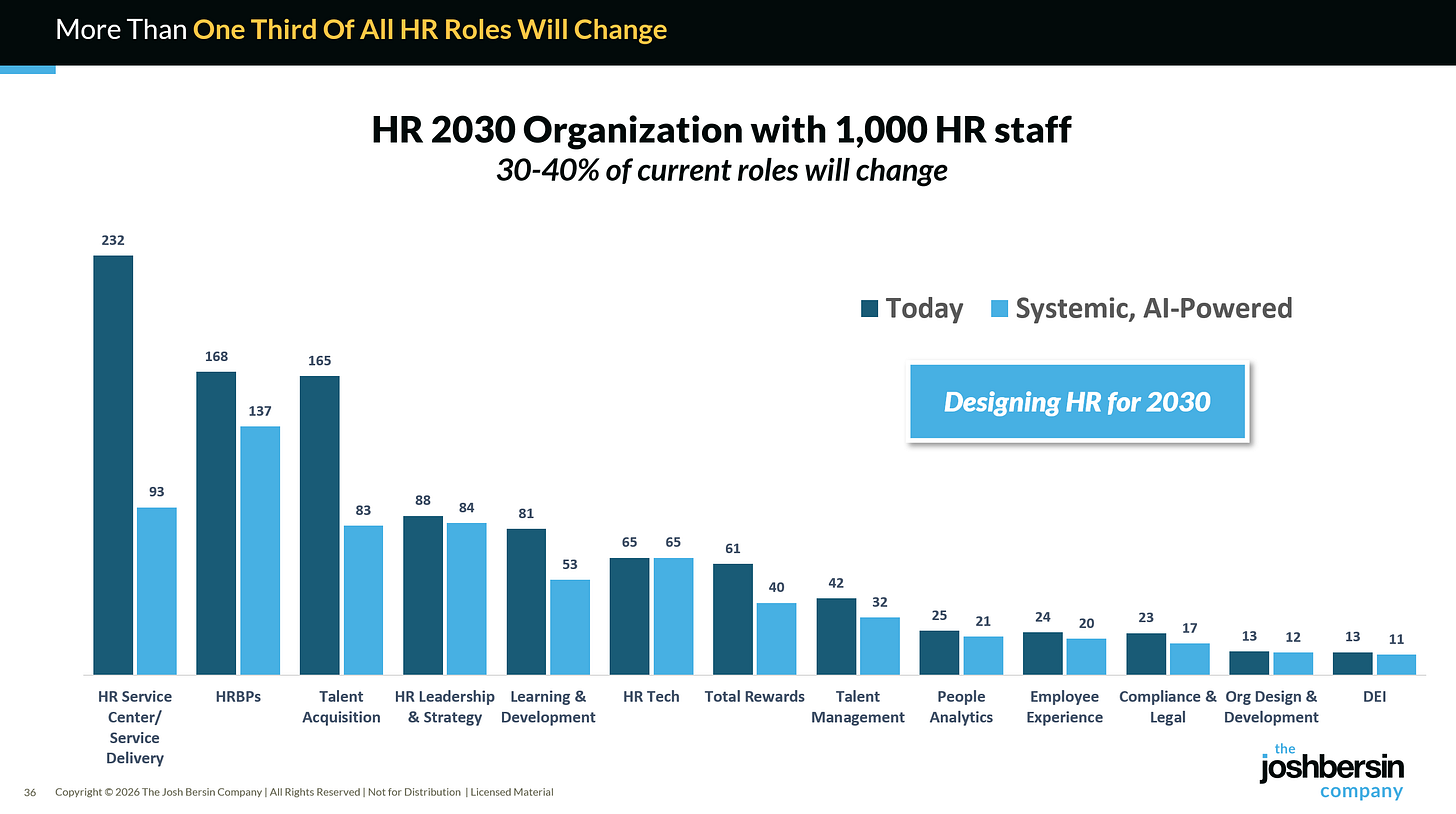
The industrial-age components of Human Resources—specifically transactional positions such as HR administrators, HR assistants, recruiting coordinators, and training administrators—historically accounted for roughly 30 to 40 percent of total HR operations. These are the roles most susceptible to automation via enterprise resource planning systems and emerging artificial intelligence agents.
Rather than signaling the death of the profession, the automation of these routine duties is acting as a catalyst for professional elevation. Corporate case studies from multinational organizations illustrate a definitive shift: administrative staff are being liberated from repetitive data entry, scheduling, and policy lookup tasks to tackle complex, high-value human challenges.
For example, service center agents at major global enterprises like Walmart and Standard Chartered are transitioning from answering basic onboarding and benefits inquiries to resolving complex employee performance cases and personalized workplace accommodations. Similarly, Learning and Development (L&D) professionals are moving away from spending months authoring static, long-form training modules. Empowered by rapid video and content generation tools, instructional designers at corporations such as Travelers and Polestar are now curating real-time simulations and just-in-time performance support assets for sales, engineering, and operational units.
Talent Acquisition and Workforce Analytics in the AI Era
The talent acquisition landscape is undergoing an equally critical recalibration. While initial industry speculation suggested that automated AI interviewers would entirely replace human recruiters, practical implementation has proven otherwise. Candidate fraud concerns, coupled with the necessity for nuanced cultural and interpersonal assessment, have driven companies to reallocate recruiting coordinators into active, in-person interviewing and strategic candidate sourcing roles.
Concurrently, workforce analytics and employee engagement teams are pivoting away from third-party benchmark surveys and static annual questionnaires. Instead, they are utilizing internal real-time analytics to address employee sentiment, turnover drivers, and productivity metrics proactively. Within organizations like Panasonic and Accenture, HR Business Partners (HRBPs) are being upskilled into senior internal consulting roles, partnering directly with executive leadership to navigate organizational restructuring and talent optimization.
Implications for the Future of Work
The empirical evidence harvested from labor analytics and corporate transformation initiatives suggests that artificial intelligence is functioning as an amplifier rather than a destroyer of human capital. By delegating bureaucratic overhead to intelligent software agents, organizations are empowering HR professionals to operate closer to core business units.
The expansion of HR job postings, combined with resilient salary growth above the rate of inflation, underscores a vital economic reality: as the modern workplace grows more complex, dynamic, and distributed, the need for expert guidance in change management, leadership development, and organizational design has never been higher. Rather than facing extinction, the Human Resources profession is cementing its role as a critical pillar of enterprise strategy for the next decade.