Project Management Meeting Agenda
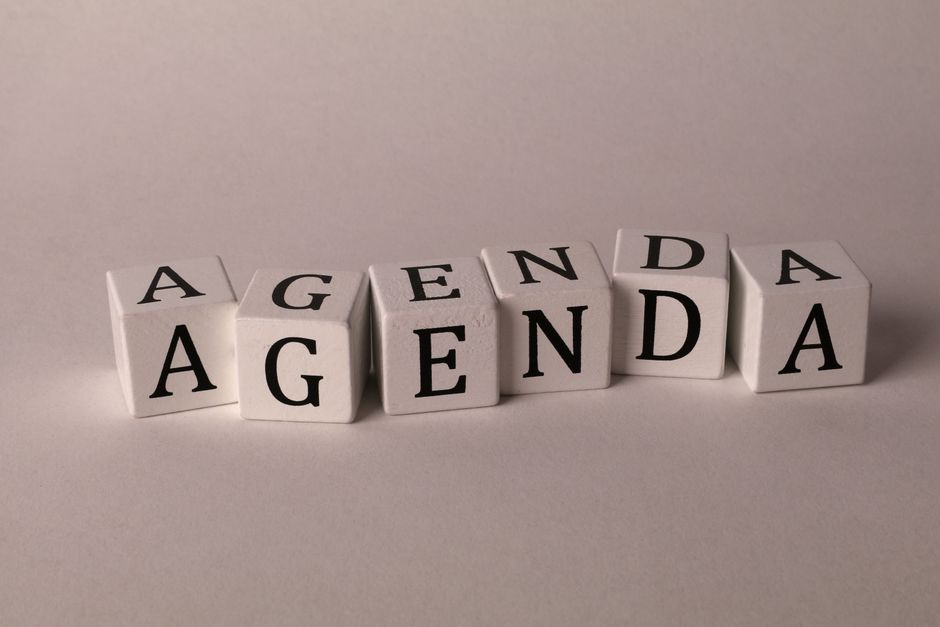
The Ultimate Guide to Crafting a High-Impact Project Management Meeting Agenda
Efficiency is the bedrock of successful project management. Meetings, when poorly structured, become the greatest enemy of productivity, bleeding time and draining resources. A rigorous, well-defined agenda is not merely a document; it is a tactical tool designed to keep teams aligned, accountable, and moving toward milestones. To maximize the ROI of every minute spent in a conference room or a video call, project managers must treat the agenda as a non-negotiable roadmap that governs the flow of information and decision-making.
The Anatomy of an Effective Meeting Agenda
A high-impact project management meeting agenda should never be vague. Every item listed must serve a specific purpose—whether it is information dissemination, collaborative problem solving, or decision validation. Structure provides clarity, and clarity prevents the mission creep that plagues most professional gatherings.
A standard, optimized agenda structure includes the following five core components:
- Objective Statement: Define why the meeting exists. If you cannot state the purpose in one sentence (e.g., "To finalize the Phase 2 budget" or "To resolve the API integration bottleneck"), the meeting should not happen.
- Attendees and Roles: Explicitly identify who needs to be there. More importantly, assign roles such as "Facilitator," "Timekeeper," and "Note-taker."
- Time-Boxed Topics: Every agenda item must have an allocated duration. When time is up, the discussion must end, or a decision must be made to schedule a follow-up.
- Actionable Deliverables: For every item, define the desired outcome. Is the goal to "discuss" (which is dangerous) or to "approve" (which is productive)?
- Pre-Meeting Preparation: State clearly what must be read or prepared before the meeting starts to ensure the team spends time discussing, not reading.
Why Agenda-Driven Meetings Increase Project Velocity
Project velocity is directly correlated to the quality of communication. When a team operates under an agenda-driven model, the cognitive load of navigating "what happens next" is removed. This structural consistency builds trust among team members, as they know their time is respected and the conversation will remain tethered to project goals.
Furthermore, a formalized agenda acts as an audit trail. By recording the decisions made against the agenda items, you create a historical record of the project’s evolution. This documentation is invaluable during retrospective meetings or project closure, as it highlights how the team navigated obstacles and reached consensus.
Best Practices for Pre-Meeting Communication
An agenda is useless if it is delivered five minutes before the meeting. To maximize the impact, send the agenda at least 24 hours in advance. This lead time is critical for three reasons:
- Mental Preparation: Participants can review technical documents or project status reports, allowing them to formulate questions and insights beforehand.
- Opt-Out Capability: If an attendee realizes their expertise isn’t required for specific agenda items, they can request to skip those portions, saving valuable time.
- Expectation Management: It creates a social contract. Participants know what is expected of them, which naturally increases accountability.
Managing Discussion and Curbing "Side-Bar" Conversations
One of the greatest challenges in project management meetings is the tendency to drift into side-bar conversations. While collaboration is vital, side-bars often involve only two or three people and derail the focus for the rest of the group.
An effective agenda includes a "Parking Lot" section. When a topic arises that is important but not on the agenda or relevant to the entire group, it is immediately moved to the "Parking Lot." The facilitator’s role is to enforce this boundary, reminding the team that the goal is to respect the agenda items. At the end of the meeting, the facilitator briefly reviews the Parking Lot and decides if these items require a separate meeting or can be resolved asynchronously.
Designing the Agenda for Different Meeting Types
Not all project meetings have the same intent. Customizing your agenda format based on the meeting type ensures maximum efficiency.
The Daily Stand-Up (The 15-Minute Sync)
The agenda here should be rigid and repetitive.
- What did I complete since the last meeting?
- What am I working on today?
- Are there any blockers preventing progress?
- Constraint: No deep-diving into technical solutions. If a problem is complex, it is flagged as a "Parking Lot" item for a separate breakout session.
The Project Status Update
This meeting is for stakeholders and management.
- Review of Project Health (Traffic light status: Red/Yellow/Green).
- Milestone Review (Are we on track?).
- Budget/Resource Variance (Are we within constraints?).
- Risk Management (What threats are on the horizon?).
- Approval Requests.
The Sprint/Phase Retrospective
This meeting focuses on continuous improvement.
- What went well?
- What could be improved?
- What will we change in the next phase?
- Celebration of wins (Crucial for morale).
The Role of Technology in Agenda Management
Modern project management software—such as Jira, Asana, Monday.com, or Notion—should be integrated into the agenda-setting process. Instead of a static Word document, embed the agenda directly into the meeting invitation or the project dashboard.
Using digital tools allows for:
- Live Updates: If a status report changes an hour before the meeting, everyone sees the latest version in the agenda document.
- Action Item Integration: When an action item is defined in the meeting, it can be immediately assigned a stakeholder and a due date within the project management tool, moving it from the meeting notes directly into the workflow.
Overcoming the "Meeting Overload" Syndrome
If you find yourself creating agendas for meetings that still feel unproductive, the issue may not be the agenda—it might be the meeting itself. Before drafting an agenda, apply the "3-Question Rule":
- Is this information that could be shared via email, Slack, or a project dashboard?
- Does this meeting require a real-time decision?
- Are the people invited essential to the outcome, or just "informed"?
If the answer to the first question is "yes," cancel the meeting. If you are inviting people solely to keep them "in the loop," change the agenda to "asynchronous update" and leverage the project management tool’s notification features instead.
Facilitating the Meeting: Turning Agenda into Action
A written agenda is only as good as the person facilitating it. A project manager must act as a guardian of the schedule. This involves:
- Setting the Tone: Start promptly. Don’t wait for latecomers, as this penalizes those who were punctual.
- Active Timekeeping: If an item is slotted for 10 minutes, alert the group at the 8-minute mark.
- Closing the Loop: In the final five minutes, summarize all action items, ensure each one has an owner, and confirm deadlines. Never let a meeting end with ambiguous tasks.
The Feedback Loop: Refining Your Agenda Process
An agenda is an iterative process. After every major project phase, ask the team: "How could our meeting structure be more efficient?" Perhaps you spend too much time on status updates that could be automated, or perhaps you aren’t spending enough time on risk mitigation.
Treating your meeting structure as a "project feature" that requires maintenance and optimization ensures that your team’s processes evolve alongside the project. By constantly stripping away what is redundant and doubling down on what provides value, you create a culture of high performance.
The Human Element: Morale and Motivation
Finally, remember that project management is inherently human-centric. While an agenda is a tool for efficiency, it should not feel like an instrument of oppression. Use the final minutes of your agenda to recognize team members who hit milestones or overcame significant challenges. A well-structured agenda that includes time for acknowledgement keeps morale high. When a team knows that meetings are efficient, meaningful, and appreciative of their hard work, they are far more likely to come prepared and participate constructively.
Conclusion: From Chaos to Competence
The transition from chaotic, aimless meetings to agenda-driven, results-oriented sessions is the hallmark of a senior project manager. By strictly defining objectives, time-boxing discussions, assigning clear roles, and leveraging modern collaboration tools, you convert meetings from time-sinks into high-octane project accelerators.
Do not allow your team to fall victim to the "meeting trap." Start today by implementing a template for your project meetings. Hold the line on your time constraints, enforce the agenda with purpose, and watch as your team’s velocity—and overall project success—dramatically improves. An agenda is more than a list; it is the blueprint for project excellence. Treat it with the rigor your projects deserve.