Cultivating Innovation Through Corporate Culture: A Deep Dive into MuleSoft’s Growth Strategy and the Future of Work
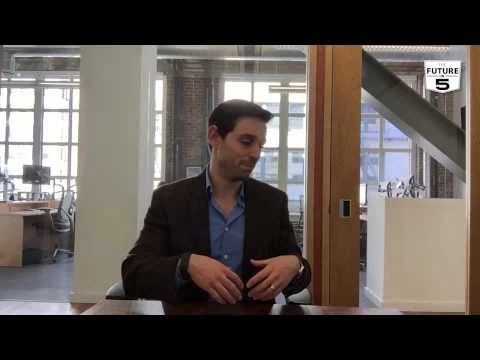
The concept of corporate culture has evolved from a secondary human resources concern into a primary strategic driver for high-growth technology firms in the 21st century. As organizations compete for elite talent in saturated markets like San Francisco, the definition of a "workplace" has expanded beyond the confines of a physical office to encompass a complex ecosystem of communication styles, environmental design, and leadership philosophies. In early 2015, futurist and author Jacob Morgan conducted an in-depth exploration of this phenomenon through a visit to the headquarters of MuleSoft, an enterprise software company that was then emerging as a dominant force in the application programming interface (API) and data integration sector. At the time of the visit, MuleSoft employed approximately 500 people globally and had recently earned a prestigious distinction as one of the top 50 companies to work for in America, according to employee-driven data from Glassdoor. This recognition served as a catalyst for a broader discussion on how hyper-growth startups maintain their cultural integrity while scaling operations at a breakneck pace.
The Architectural and Social Pillars of MuleSoft’s Culture
The MuleSoft headquarters in San Francisco served as a case study for the "Future of Work" movement, a term popularized by Morgan to describe the transition toward more flexible, transparent, and employee-centric business models. During his #futurein5 series, Morgan highlighted that corporate culture is not a monolithic entity but a composite of several variables. These include the physical office environment—often characterized in tech hubs by open floor plans and collaborative spaces—the tangible perks offered to staff, and the intangible methods of peer-to-peer and hierarchical communication.
MuleSoft’s approach to its physical space was designed to mirror its technical mission: connectivity. Just as the company’s software aimed to connect disparate applications and data sources, the office layout was structured to eliminate silos between departments. By removing the traditional barriers of cubicles and private executive offices, the company fostered an environment of radical transparency. This design philosophy was intended to accelerate decision-making and ensure that information flowed as freely as the data the company helped its clients manage.
Leadership and the Strategic Hiring Process
A central component of MuleSoft’s cultural success, as identified by Morgan, was the direct involvement of the executive leadership in the recruitment process. Greg Schott, who served as MuleSoft’s CEO during this pivotal era of growth, maintained a rigorous policy of personally interviewing every candidate before an offer was extended. This practice is rare for a company of 500 employees, as many CEOs delegate hiring decisions to department heads or HR directors once an organization surpasses the 100-employee mark.
Schott’s strategy was rooted in the belief that "cultural fit" is a quantifiable asset. By vetting each individual, the CEO ensured that new hires were not only technically proficient but also aligned with the company’s core values of humility, ownership, and "no politics." This top-down commitment to cultural preservation suggested that at MuleSoft, culture was viewed as a defensive moat—a way to protect the company’s innovative spirit against the diluting effects of rapid expansion. In an upcoming podcast interview referenced by Morgan, Schott emphasized that a powerful corporate culture is not something that happens by accident; it requires intentionality and constant reinforcement from the highest levels of management.
A Chronology of MuleSoft’s Evolution and Cultural Milestones
To understand the significance of MuleSoft’s culture in 2015, one must examine the company’s trajectory from its inception to its eventual multi-billion-dollar valuation.
- 2006: MuleSoft is founded by Ross Mason. The company begins as an open-source project called "Mule" to reduce the "donkey work" of data integration.
- 2006–2012: The company builds its reputation in the developer community, focusing on the "Anypoint Platform." The culture is characterized by a "scrappy" startup mentality with a heavy focus on engineering excellence.
- 2013–2014: MuleSoft experiences a period of hyper-growth, expanding its global footprint. It begins to receive accolades for its workplace environment, signaling a successful transition from a small team to a mid-sized enterprise.
- January 2015: Jacob Morgan visits the San Francisco office. At this point, MuleSoft is recognized as a "Best Place to Work" by Glassdoor, boasting a high approval rating for CEO Greg Schott.
- 2017: MuleSoft goes public on the New York Stock Exchange (NYSE: MULE), with its culture cited by analysts as a key factor in its consistent revenue growth and low employee turnover.
- 2018: Salesforce acquires MuleSoft for approximately $6.5 billion. The acquisition highlights the value of MuleSoft’s "Muley" culture and its integration into the broader Salesforce ecosystem, which is also known for its "Ohana" cultural philosophy.
Supporting Data: The Impact of Workplace Satisfaction
The 2015 Glassdoor ranking that placed MuleSoft in the top 50 companies in the United States was more than just a marketing trophy; it was a reflection of internal health. According to industry data from that period, companies with high employee engagement scores outperformed their peers in several key metrics:
- Retention Rates: Firms with strong cultures saw 30% to 50% lower voluntary turnover rates compared to industry averages. For a tech company in San Francisco, where software engineers are frequently recruited by competitors, this stability is a significant financial advantage.
- Productivity: Research by Gallup and other organizational psychologists during this era indicated that "engaged" employees are 21% more productive than their disengaged counterparts.
- Innovation Velocity: MuleSoft’s ability to release updates to its Anypoint Platform and maintain its lead in the iPaaS (Integration Platform as a Service) market was directly linked to the collaborative nature of its workforce.
The Glassdoor data specifically highlighted that MuleSoft employees valued the "transparency of leadership" and the "quality of the peer group." These findings validated Schott’s insistence on interviewing every candidate, as it created a high-density talent environment where employees felt challenged and supported.
Official Responses and Industry Context
While MuleSoft did not issue a formal press release regarding Morgan’s visit, the company’s social media presence and internal communications at the time reinforced the themes of the #futurein5 series. Employees, often referred to as "Muleys," frequently shared insights into the company’s "Muley Life" via digital platforms, showcasing a culture that balanced high-performance expectations with community-building activities.
Industry analysts noted that MuleSoft was part of a "new guard" of enterprise software companies that rejected the stuffy, bureaucratic traditions of legacy IT firms. By adopting a culture more akin to consumer tech giants like Google or Facebook, MuleSoft was able to attract top-tier talent that might otherwise have avoided the enterprise sector. This shift forced older, established firms to rethink their own corporate cultures to remain competitive in the talent market.
Broader Impact and Implications for the Future of Work
The 2015 snapshot of MuleSoft provided by Jacob Morgan offers a window into the broader shifts occurring within the global economy. As work becomes increasingly digitized and decentralized, the "physical office" is no longer just a place to sit; it is a tool for fostering connection and brand identity.
MuleSoft’s emphasis on leadership involvement in hiring serves as a blueprint for modern founders. It suggests that as a company grows, the CEO’s role shifts from being the "Chief Product Officer" to the "Chief Culture Officer." The implications of this are profound: if culture is the engine of innovation, then protecting that culture is the most important job of the executive team.
Furthermore, the MuleSoft case study highlights the importance of "alignment." When an organization’s internal culture (how employees treat each other) aligns with its external mission (how the product helps customers), it creates a virtuous cycle of growth. For MuleSoft, the mission was to help companies "connect everything." By building a culture that prioritized internal connection and transparency, they practiced the very philosophy they sold to their clients.
In the years following Morgan’s visit, the trends he identified have only accelerated. The rise of remote and hybrid work has made the "physical environment" variable of culture more complex, but the core tenets remain: clear communication, strong leadership, and a shared sense of purpose. MuleSoft’s 2015 status as a premier workplace was not merely the result of "fun perks" but was the outcome of a deliberate, data-driven approach to human capital—one that continues to influence how the world’s most successful companies are built today.