Questions For One On One Meetings
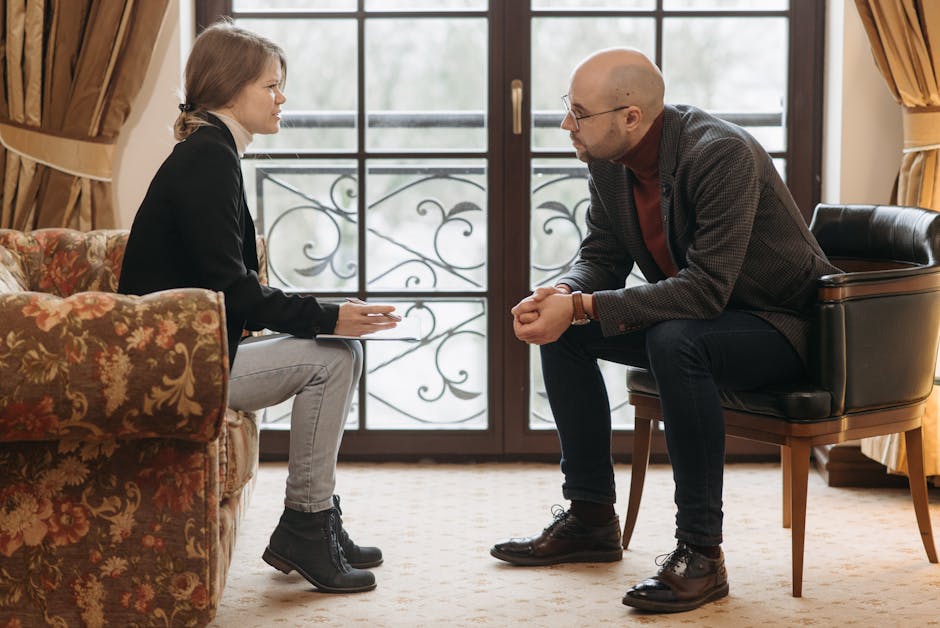
The Ultimate Guide to One-on-One Meeting Questions for High-Performing Teams
Effective one-on-one meetings are the bedrock of employee retention, professional development, and operational efficiency. When managers rely on status updates rather than meaningful dialogue, they miss the opportunity to uncover roadblocks, foster engagement, and align individual output with organizational goals. To transform these sessions from administrative burdens into strategic assets, leaders must utilize targeted questions that invite honesty and reflection. By categorizing these questions into themes—well-being, development, strategy, and feedback—managers can ensure that every meeting serves a clear purpose and produces actionable outcomes.
The Foundation: Checking In on Well-Being and Engagement
High performance is unsustainable without a healthy work environment. If an employee is suffering from burnout, lack of clarity, or interpersonal friction, their productivity will inevitably decline. Use these questions to gauge morale before diving into tactical tasks:
- How are you feeling about your current workload this week? This moves beyond "How are you?" to focus specifically on capacity and stress management.
- What has been your biggest energy drain since we last spoke? This allows you to identify processes or meetings that might be unproductive.
- Is there anything I can do to better support you right now? This empowers the employee to ask for specific help, whether it is removing a bottleneck or providing more autonomy.
- On a scale of 1 to 10, how clear are you on your priorities for the coming month? If the answer is below an 8, take the time to recalibrate and document expectations.
- What is one thing that happened this week that made you feel proud of your work? Recognizing small wins is essential for maintaining momentum and job satisfaction.
Professional Development and Long-Term Growth
If one-on-one meetings only cover day-to-day tasks, employees will quickly feel like they are stagnant in their roles. You must dedicate time to career trajectory, even if it is only ten minutes of a thirty-minute meeting. These questions help bridge the gap between current responsibilities and future aspirations:
- What is one skill you are interested in developing over the next quarter? This shows that you are invested in their marketability and professional value.
- Are there any projects you’d like to be involved in that fall outside your current scope? This identifies latent interests and cross-functional potential within the team.
- What does your ideal career path look like within this company? Having this conversation annually—or quarterly—prevents employees from feeling trapped and ensures you are aware of their retention risks.
- Is there anyone in the company you would like to shadow or learn from? Peer mentorship and internal networking are excellent, low-cost ways to improve morale and institutional knowledge.
- What is a challenge you’ve faced recently that you think I could help you navigate? This turns the manager into a coach, shifting the focus from oversight to growth.
Strategic Alignment and Tactical Roadblocks
Once the person and their growth are accounted for, the focus should shift to the work itself. Avoid using this time to ask for a status report that could have been sent via email or seen in a project management tool. Instead, use these questions to identify systemic issues that hinder efficiency:
- What is one thing that is slowing you down or preventing you from doing your best work? This often surfaces technical debt, bureaucratic processes, or unclear decision-making hierarchies.
- If you were in my position, what is the one thing you would change about our team’s workflow? This taps into the "front-line" perspective, often revealing inefficiencies that managers are too disconnected to see.
- Are there any goals you are worried about missing, and what is our plan to mitigate that risk? Proactive risk management is more valuable than reactive damage control.
- What do you need from me to feel more confident in your current projects? This identifies potential micromanagement or, conversely, a lack of necessary guidance.
- Which of our team’s current objectives do you feel the least connected to, and why? This is a powerful diagnostic tool for uncovering a lack of strategic communication.
Soliciting Upward Feedback
The mark of a secure and effective manager is the willingness to be coached by their subordinates. If you do not ask for feedback on your own performance, you will not be aware of your blind spots. When asking for feedback, ensure you create a safe space for candor:
- What is one thing I could do to be a more effective manager for you? This is the gold standard of manager feedback loops.
- Did you feel supported during the project we finished last week? Specificity helps the employee give you actionable advice rather than vague platitudes.
- Is there any information you wish I shared with you more often? This helps identify if you are under-communicating organizational updates or team-wide changes.
- When did you feel most and least empowered this past month? This helps you calibrate your management style between being hands-on and being hands-off.
- What is one thing you think our team is ignoring that we should be paying attention to? This treats your employee as a strategic partner, utilizing their unique vantage point to scan the horizon.
Structuring the One-on-One Agenda
The effectiveness of these questions is limited by the structure of the meeting itself. To maximize results, avoid a rigid, interrogative style. Instead, follow a standard cadence that accommodates both the employee’s needs and the organization’s goals:
- The Informal Pulse (5 minutes): Humanize the relationship. How is the week going? What is on their mind personally or professionally?
- The Employee’s Priorities (10 minutes): This is their time. Allow them to bring up what they need to discuss. This ensures that the issues most important to them are addressed first.
- The Manager’s Topics (10 minutes): Use this space for tactical updates, strategic alignment, and constructive feedback.
- The Future-Facing Discussion (5 minutes): Dedicate this to career development, long-term goals, and professional growth.
Avoiding Common One-on-One Pitfalls
Even with the best questions, one-on-ones can fail if the environment is not maintained correctly. Managers must be mindful of these frequent errors:
- Consistently rescheduling: When you cancel or move a one-on-one, you are signaling that the employee’s development and concerns are not a priority. Treat these meetings as non-negotiable commitments.
- Turning the meeting into a lecture: If you spend 80% of the time talking, you are not having a one-on-one meeting; you are giving a speech. Aim for a 50/50 split or, ideally, listen more than you speak.
- Forgetting to document: Action items that arise from these meetings must be tracked. If an employee expresses a need and you fail to follow up, you erode trust. Use a shared document to track progress on development goals and ongoing blockers.
- Lack of psychological safety: If you react defensively to feedback, you will never receive honest insights again. When an employee offers a critique, thank them, acknowledge the validity of their perspective, and demonstrate a plan to change.
Customizing Questions for Different Roles
The nature of the work dictates the nature of the check-in. A junior developer will require different types of support compared to a senior sales executive.
For junior staff, prioritize questions about learning, roadblocks, and clarity:
- "What is one concept you’ve struggled to grasp this week?"
- "Do you have enough context on the ‘why’ behind this project?"
For senior staff, prioritize questions about strategy, delegation, and organizational politics:
- "How are you managing the stakeholders on this project?"
- "What is the most significant opportunity we are currently missing?"
- "Are there any resource conflicts you need me to help mediate at the leadership level?"
The Long-Term Impact of Consistent One-on-Ones
By curating a list of thoughtful questions and committing to a recurring schedule, managers build a data-driven understanding of their team’s health. Over months, you will see patterns emerge. You will notice which employees are consistently hitting walls, which are ready for increased responsibility, and which are beginning to disengage before it results in a resignation.
The goal of the one-on-one is to foster a relationship of mutual accountability. By asking the right questions, you move from being a "boss" who demands output to a "leader" who clears the path for excellence. This level of management is not just a nice-to-have; it is the fundamental mechanism by which a manager builds a high-retention, high-output team. Whether you are leading a remote workforce or managing in-office teams, the questions provided here will ensure your meetings are purposeful, professional, and productive. Focus on asking better questions today to see better results in the team’s performance tomorrow.