HRTech vendor executives leveraged the Collaboration Zone for top notch networking and copious collaboration at UNLEASH in Vegas


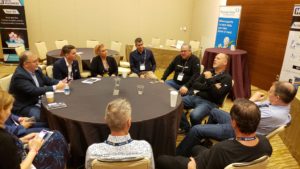
The 2019 UNLEASH America conference at the Aria Resort & Casino in Las Vegas served as a pivotal staging ground for the evolution of the HR technology ecosystem. While the main exhibition floor showcased the latest software innovations and enterprise solutions, a specialized initiative known as the Collaboration Zone (CZ) provided a high-level forum for industry executives. Orchestrated by HR Tech Advisor and the creators of HRTechAlliances.com, this dedicated space moved beyond the traditional transactional nature of trade shows to foster strategic partnerships and deep-dive discussions on the challenges facing modern HR service providers.

The Strategic Evolution of Industry Networking
The Collaboration Zone represents a significant shift in how B2B vendors engage at global conferences. Historically, HR technology events were dominated by vendor-to-customer interactions, leaving limited space for peer-to-peer collaboration among the vendors themselves. Recognizing this gap, organizers developed the CZ to serve as a hub where executives could discuss critical issues such as growth strategies, market retention, and integration interoperability.
Since its inception four and a half years ago at HR Tech World in Paris, the initiative has matured from an experimental networking space into a structured environment for professional development. The success of the Vegas iteration highlights the industry’s growing need for a "vendor-only" environment that facilitates authentic, high-trust communication. By removing the immediate pressure of the exhibition floor, the CZ allows for complex discussions regarding product roadmaps, channel management, and the ethical implications of data sharing.
A Chronology of Collaboration at UNLEASH
The two-day event in Las Vegas was structured around daily themes, each designed to address specific pain points within the HR technology supply chain.
On the first day, the focus was firmly placed on Alliances Best Practices. Larry Cummings, Chief Connector and co-founder of HR Tech Alliances, led a roundtable discussion that underscored the technical and administrative requirements of building sustainable partnerships. Cummings provided attendees with insights into professional certification through the Association of Strategic Alliance Professionals (ASAP), emphasizing that successful collaboration requires more than just a handshake agreement—it necessitates a rigorous operational framework.
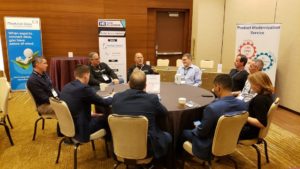
Following this, the conversation shifted to technical integration, a notorious bottleneck in HR tech delivery. Katrina Paglierani, VP of Partnerships and Alliances at Flexspring, led a session titled "Ways to Keep Integrations from Killing your Deals and Deliveries." The discussion provided actionable strategies for minimizing technical friction, which remains a primary cause of stalled sales cycles and implementation failures in the industry.
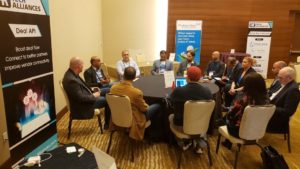
Day two transitioned to market strategy, beginning with a high-profile inquiry into the business model of industry giant LinkedIn. Sankar Venkatraman, Global Product Evangelist for LinkedIn, faced questions regarding the company’s internal product development lifecycle. The central debate focused on the "Build, Buy, or Partner" dilemma, a common point of contention for startups attempting to gauge whether they are competitors or potential collaborators with dominant market players.
Data-Driven Insights and Market Trends
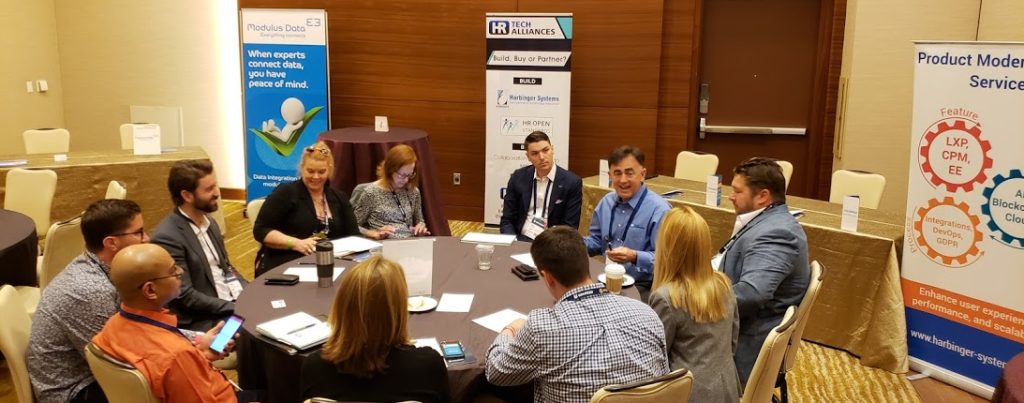
The conference also provided a platform for presenting research-backed insights into the buying behavior of modern HR departments. Brad Sutton, Head of Customer Success and Sales at HR.com, facilitated a session on key buying trends. According to recent research presented during the session, the shift toward digital-first recruitment and talent management has forced vendors to re-evaluate their marketing funnels.
The data suggests that HR buyers are increasingly moving away from traditional cold-outreach methods, favoring solutions that demonstrate clear ROI, seamless integration with existing stacks, and strong social proof. For vendors, this necessitates a shift in marketing strategy from "feature-dumping" to a focus on consultative sales and advocacy programs. Rhonda Taylor, Vice President at Advos (by HRmarketer), expanded on this by detailing how internal employee advocacy programs can build brand equity and shorten the sales cycle by humanizing the technology provider.

Expert Perspectives on the Value of Specialized Forums
The consensus among participants was that the curated, small-group environment of the Collaboration Zone yielded higher quality professional outcomes than the more chaotic atmosphere of the general conference hall.
Roy Baladi, Head of Marketplace at SmartRecruiters, noted that the specificity of the topics prevented the "surface-level" conversations that often plague large-scale trade shows. "The Collaboration Topic leaders were top quality people especially curated by HR Tech Advisor to focus on one engaging topic, so everyone could walk away with true insight, quality connections, and new ideas," Baladi observed.

Similarly, Shrikant Pattathil, President at Harbinger Systems, highlighted the practical utility of the discussions, citing the exchange of ideas on product modernization, chatbots, and data warehousing as essential for keeping pace with the demands of enterprise clients. The sentiment was echoed by Tracey Azer of IBM, who noted that the logistical support provided by the CZ hosts—such as promotional materials for sessions—helped convert the space into a highly effective tool for channel development.
Broader Implications for the HR Technology Ecosystem
The reliance on strategic alliances in the HR tech space is at an all-time high. As organizations move toward "best-of-breed" software stacks, the ability of vendors to integrate their services seamlessly is no longer a luxury—it is a competitive necessity. The discussions held in the Collaboration Zone underscore a fundamental trend: the market is moving away from monolithic, all-in-one platforms toward interconnected ecosystems.

However, this transition introduces significant complexity. Vendor partnerships require alignment on data privacy, API stability, and joint customer success protocols. The Collaboration Zone serves as a vital bridge, allowing these companies to align their operations before they reach the customer.
Furthermore, the focus on "Alliances Best Practices" reflects a professionalization of the partnership management role. As companies like Flexspring and various systems integrators continue to expand their influence, the formalization of these alliances will likely become a standard component of the HR tech sales cycle.
Looking Ahead: The Future of Collaborative Forums
The success of the UNLEASH Vegas Collaboration Zone has secured its place in the event’s upcoming schedule. The organizers have confirmed that the initiative will return for the UNLEASH World event at the Paris Convention Center, scheduled for October 22-23, 2019.
The move back to Europe, the site of the original Collaboration Zone, marks a full circle for the initiative. As the industry looks toward the future of work, the importance of these collaborative spaces cannot be overstated. By providing a forum that prioritizes the "how" of partnering over the "what" of selling, the Collaboration Zone is shaping the future of how HR technology companies interact.

For the average vendor executive, the choice between spending twenty minutes circulating a booth and twenty minutes in a deep-dive collaboration session is becoming increasingly clear. The former offers a chance at exposure, but the latter offers the foundation for long-term growth and technical stability in an increasingly crowded and complex HR technology marketplace. The shift toward these structured environments indicates that the industry is maturing, moving from a period of rapid, isolated growth into an era of integrated, cooperative development.