The Social Reckoning Box Office Performance and the Shifting Landscape of Silicon Valley Cinema

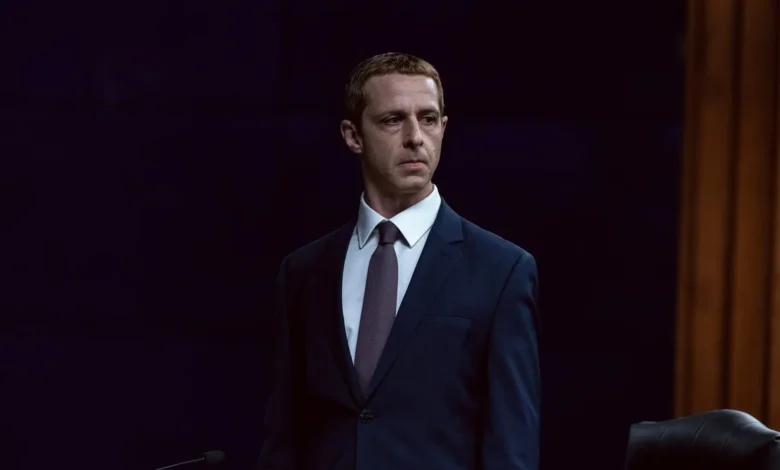
The Social Reckoning, Aaron Sorkin’s cinematic follow-up to the 2010 blockbuster The Social Network, has debuted to a soft domestic opening, with weekend estimates placing its initial haul at approximately $5.5 million. This figure falls notably short of the studio’s internal projections, which had anticipated an opening weekend performance in the range of $7 million to $8 million. The underperformance of this high-profile project marks a stark contrast to its predecessor, which commanded a $22 million opening weekend and went on to gross $97 million domestically, not accounting for inflation, while cementing its status as the definitive cultural touchstone for the early era of social media.
A Comparative Analysis: Two Eras of Tech Storytelling
The disparity between the commercial trajectories of The Social Network and The Social Reckoning highlights a significant evolution in the relationship between Hollywood and the technology industry. In 2010, the narrative focus was on the rapid, meteoric rise of Facebook, capturing the infectious energy, legal maneuverings, and the raw ambition of a startup culture that was just beginning to reshape global communication. Directed by David Fincher and scored by the Academy Award-winning duo of Trent Reznor and Atticus Ross, the original film benefited from a sharp, rhythmic script and a sense of discovery that resonated with a wide audience.
In contrast, The Social Reckoning shifts the tone toward the somber and the procedural. The narrative arc centers on the 2021 testimony of whistleblower Frances Haugen, who provided thousands of internal documents—the "Facebook Files"—to the Securities and Exchange Commission and the U.S. Congress. While the first film thrived on the thrill of the "hacker" ethos, the sequel grapples with the complexities of algorithmic influence, Senate committee hearings, and the ethical accountability of massive digital monopolies. Critics and industry analysts suggest that this shift from origin story to institutional critique may have contributed to a narrower appeal, as the subject matter requires a deeper familiarity with the long-term political and social ramifications of big tech.
The Autumn of the Tech Villain
The tepid reception of The Social Reckoning arrives at the onset of a broader cinematic trend: the "Villainous CEO" fall season. As the public discourse around Silicon Valley shifts from excitement over innovation to skepticism regarding power, data privacy, and artificial intelligence, the film industry has responded with a series of high-profile documentaries and dramas.
This wave of content includes Alex Gibney’s four-hour documentary Musk, which opened this weekend to limited release, grossing approximately $69,000 across four theaters. The documentary is expected to see a broader rollout in the coming weeks, though industry observers note that its length and dense subject matter may make it better suited for streaming platforms, specifically HBO Max, where it is slated to reach a wider demographic.
Looking ahead, the market will soon be tested by a variety of high-profile projects focusing on the darker side of technological ambition:
- You Can See Everything: A documentary centered on Elizabeth Holmes and the collapse of Theranos, directed by Nathan Fielder, is scheduled for a wide release next weekend.
- Artificial: An OpenAI-centric boardroom drama that recently secured a new distributor after being dropped by Amazon, highlighting the volatile nature of the current media landscape regarding tech-adjacent content.
- The Altruists: A scripted series coming to Netflix in November, which chronicles the rise and fall of Sam Bankman-Fried and the subsequent implosion of the cryptocurrency exchange FTX.
This concentration of tech-focused media suggests that Hollywood is actively attempting to quantify public sentiment toward Silicon Valley, though the current box office data suggests that audiences may be experiencing a degree of fatigue regarding these narratives.
Changing Exhibition Habits and Market Realities
The box office environment of 2026 bears little resemblance to that of 2010. Theatrical attendance has undergone a fundamental transformation, with older demographics—who historically served as the primary audience for adult-oriented, dialogue-heavy dramas—returning to theaters with significantly less frequency. The shift toward a "streaming-first" consumption model has narrowed the window of exclusivity for films, leading to a climate where only major franchise tentpoles or "event" films reliably generate substantial opening weekend revenue.
Furthermore, there is a growing hypothesis that the "tech critique" genre has lost its sense of urgency. In the early 2010s, the implications of social media were relatively novel, creating a compelling "what happens next" narrative. Today, the public is arguably more preoccupied with the existential uncertainties surrounding artificial intelligence, which may make the granular critique of 2021-era Facebook feel like a historical exercise rather than a pressing cultural conversation.
Critical Reception and Creative Direction
Beyond the commercial metrics, The Social Reckoning has faced a mixed critical reception. While some reviewers have praised the film’s dedication to the complexity of the whistleblower narrative, others have pointed to an over-reliance on Aaron Sorkin’s trademark dialogue style—a rhythmic, rapid-fire speech pattern that, while successful in 2010, has been criticized in this instance as "overloaded."
The production has also faced comparisons to the aesthetic departure from the original film. Without the directorial vision of David Fincher, the visual and sonic identity of the franchise has changed significantly. In the current landscape, the film is competing not only with other theatrical releases but also with the high-production-value documentaries and series that are increasingly dominating the discourse.
Industry Implications and Future Outlook
The box office performance of The Social Reckoning serves as a bellwether for the viability of the "tech-biopic" genre. Studios are currently evaluating whether the interest in the internal politics of Silicon Valley is sustainable as a theatrical product. If the upcoming releases—specifically those detailing the collapse of Theranos and the drama at OpenAI—fail to gain traction, it is likely that future projects of this nature will be relegated to streaming-exclusive budgets.
The financial risk is compounded by the fact that many of these projects have faced significant distribution hurdles. The case of Artificial, which was discarded by Amazon only to be picked up by another distributor, reflects a broader nervousness within the industry. Companies are increasingly cautious about investing heavily in projects that require a high degree of intellectual engagement from the audience in a market that currently rewards spectacle and escapism.
As the industry moves through the remainder of the year, the performance of these films will likely dictate the greenlighting of future projects centered on the tech industry. For now, the "social reckoning" may be proving more difficult to translate into a box office success than the "social network" was sixteen years ago, signaling a definitive end to a specific era of Silicon Valley mythology in the public consciousness. Whether this is a temporary lull in audience interest or a permanent shift in cultural priorities remains to be seen as the fall release schedule continues to unfold.